Systemic Inflammatory Response Syndrome (SIRS)

Key Takeaways
- SIRS is a clinical pattern of widespread inflammation, not a single disease.
- It can be triggered by infection, trauma, surgery, pancreatitis, burns, and other stressors.
- Common warning signs include fever or low temperature, fast heart rate, rapid breathing, and abnormal white blood cell counts.
- Diagnosis depends on medical assessment, vital signs, laboratory tests, and the search for the underlying cause.
- Treatment focuses on the cause, supportive care, and close monitoring to prevent complications.
Systemic inflammatory response syndrome, or SIRS, is a body-wide inflammatory state that can arise from infection, injury, surgery, or other major stressors. Understanding the signs, causes, and next steps can help patients seek timely care and avoid complications.
Overview
Systemic inflammatory response syndrome, commonly called SIRS, describes the body’s whole-system response to a major trigger. That trigger may be an infection, but it can also be a non-infectious event such as trauma, surgery, burns, severe inflammation, or tissue injury. In simple terms, SIRS is a pattern doctors recognize when the body appears to be under significant stress.
It is important to understand that SIRS is not itself the final diagnosis. Rather, it is a signal that something serious may be happening and that the underlying cause needs attention. In hospital settings, clinicians use it as part of a broader assessment to decide how urgently a patient needs care and what tests should follow.
For international patients, the concept can be especially useful when navigating care across different health systems. A doctor may mention SIRS early while evaluating fever, rapid breathing, or a sudden change in condition after an operation or illness. The next step is not to focus on the label alone, but to identify what is driving the inflammatory response and whether organ function is being affected.
Because SIRS can overlap with many other conditions, it is best thought of as a warning pattern rather than a standalone disease. The earlier the cause is found, the more effectively it can usually be treated.
Symptoms
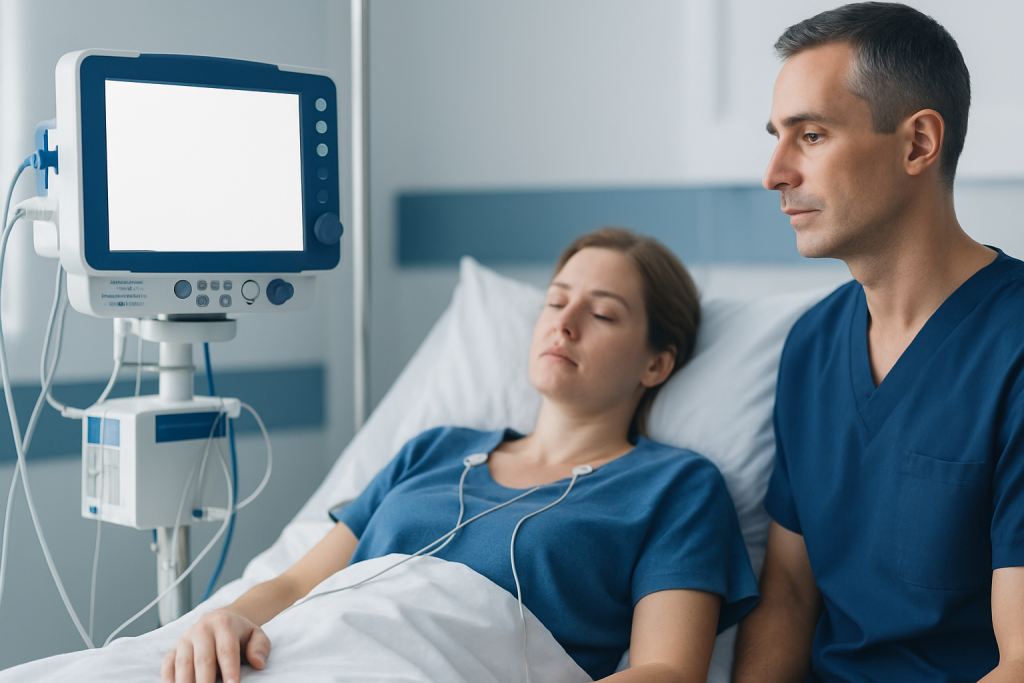
SIRS is identified through a combination of clinical signs and test findings. The most familiar features are changes in temperature, pulse, breathing, and blood tests, although not every person will show the same pattern. Symptoms may develop quickly or build over hours, depending on the cause.
Typical signs may include:
- Fever or, in some cases, an unusually low body temperature
- Fast heart rate
- Rapid breathing or shortness of breath
- Abnormal white blood cell count
- General weakness or feeling acutely unwell
- Confusion or reduced alertness when the condition is severe
These findings are not unique to SIRS. They can appear with infections, pain, dehydration, postoperative recovery, inflammation of the pancreas, or other medical problems. That is why doctors look at the full picture instead of relying on one symptom alone.
Patients recovering far from home may notice that these changes seem nonspecific at first, especially after surgery or during an infection while traveling. Still, a sudden shift in breathing, heart rate, temperature, or mental clarity deserves prompt medical review.
Causes & Risk Factors

SIRS can be triggered by both infectious and non-infectious causes. Infection is a common reason, but the syndrome can also occur when the body reacts strongly to physical damage or major inflammation. The key factor is the intensity of the body’s response, not only the original trigger.
Common causes include:
- Bacterial, viral, or fungal infections
- Severe injuries or trauma
- Major surgery
- Burns
- Pancreatitis
- Blood clots or reduced blood flow to tissue
- Severe allergic or inflammatory reactions
Risk is higher when the body already has less reserve to handle stress. Older adults, people with chronic illness, patients with weakened immune systems, and individuals recovering from major procedures may be more vulnerable. Recent hospital treatment, invasive devices, or delayed treatment of an infection can also increase the chance that a patient will develop a significant inflammatory response.
In practice, SIRS is often one part of a larger story. A patient may have undergone surgery abroad, developed a fever afterward, and then be evaluated for wound infection or another complication. In that setting, the focus is less on the label itself and more on understanding why the body is reacting so strongly.
Diagnosis
Doctors diagnose SIRS by combining bedside assessment with laboratory and imaging tests. The first step is usually a detailed review of symptoms, recent illnesses, injuries, surgery, medications, travel, and any implanted devices or catheters. Vital signs are checked closely because changes in pulse, temperature, breathing, and Systolic Blood Pressure: What Patients Need to Know" class="ahp-ilk">blood pressure can provide early clues.
Common tests may include blood counts, inflammatory markers, kidney and liver function tests, blood cultures when infection is suspected, and other studies based on the likely cause. Imaging such as X-ray, ultrasound, or CT may be used to look for infection, internal injury, or inflammation in a specific organ.
It is equally important to search for the source of the inflammation. A patient can meet SIRS criteria from many different conditions, so the diagnosis is not complete until clinicians understand what is driving it. In some cases, doctors also watch for signs that the condition is progressing to sepsis or organ dysfunction, especially if infection is present.
For patients receiving care abroad, clear communication helps the process go smoothly. Sharing operative reports, discharge summaries, medication lists, and any recent test results can make it easier for the treating team to identify the underlying problem and choose the right next step.
Treatment Options
Treatment for SIRS is directed at the cause and at supporting the body while inflammation settles. There is no single treatment that fits every case, because the best approach depends on whether the trigger is infection, trauma, surgery, pancreatitis, or another condition. Care is often individualized and may require monitoring in a hospital.
If infection is suspected, doctors may use antibiotics or antifungal treatment when appropriate, along with source control such as draining an abscess or removing an infected device. If the trigger is non-infectious, treatment may focus on pain control, fluid support, wound care, oxygen, or management of the underlying condition. In more serious cases, blood pressure support, close fluid management, or intensive monitoring may be needed.
Supportive care can include:
- IV fluids when needed to maintain circulation
- Oxygen support if breathing is affected
- Monitoring of urine output and organ function
- Treatment of pain, fever, and nausea
- Frequent reassessment for worsening or improvement
Recovery may continue after discharge, especially if the patient has traveled for care. Follow-up appointments, wound checks, repeat labs, and medication review are often part of the plan. A multidisciplinary team can be especially helpful when the condition spans surgery, internal medicine, infection management, and rehabilitation.
Prevention & Self-care
Not every case of SIRS can be prevented, but early attention to health problems lowers risk. The most practical approach is to reduce the chance that an infection or injury becomes severe and to seek evaluation promptly when symptoms change. For people planning surgery or medical travel, preparation can make follow-up easier and safer.
Helpful self-care and prevention steps include:
- Following wound care instructions after surgery or procedures
- Taking prescribed medicines exactly as directed
- Keeping hydration and nutrition in mind during recovery
- Watching for fever, chills, worsening pain, or drainage from a wound
- Asking for clear discharge instructions before leaving the hospital
- Arranging follow-up care, especially after traveling home
Patients should avoid trying to self-diagnose the cause of a sudden fever, rapid breathing, or marked weakness. These changes can have many explanations, and the safest path is usually medical assessment, particularly after an operation, a serious infection, or an injury.
For international patients, it is wise to keep copies of operative notes, medication lists, and test results in an accessible format. This simple habit can save time if a doctor in another country needs to review the earlier episode quickly.
When to See a Doctor
Medical evaluation is important if a person has signs that may fit SIRS, especially when they appear after surgery, trauma, or an infection. A sudden combination of fever or low temperature, fast heart rate, rapid breathing, and overall worsening should not be ignored. The same is true for confusion, fainting, reduced urine output, or trouble breathing.
Emergency care is especially important if symptoms are severe, if the patient seems drowsy or confused, if blood pressure appears low, or if the condition is getting worse over a short time. These may suggest a more serious illness that needs immediate treatment and monitoring.
Even when symptoms are mild, it is reasonable to contact a doctor promptly if there is a recent operation, a wound that looks infected, ongoing abdominal pain, or a known infection that is not improving. Early assessment can help distinguish SIRS from other conditions and identify the right treatment before complications develop.
Acibadem Health Point’s multidisciplinary specialists and JCI-accredited hospitals diagnose and treat conditions like SIRS for international patients, with coordinated care that supports both immediate treatment and follow-up after travel.
Frequently asked questions
01Is SIRS the same as sepsis?
No. SIRS is a body-wide inflammatory response, while sepsis is a life-threatening condition caused by the body’s response to infection that can lead to organ dysfunction. A person can have SIRS without infection, and a clinician may investigate whether sepsis is present if infection is suspected.
02Can surgery cause SIRS?
Yes. Major surgery can trigger a strong inflammatory response, especially in the early recovery period. Doctors monitor patients after operations to make sure the response is expected and not a sign of infection or another complication.
03What tests are used to find the cause of SIRS?
Doctors may order blood counts, cultures, chemistry tests, and imaging studies depending on the symptoms and exam findings. The goal is to identify the trigger, such as infection, pancreatitis, trauma, or another inflammatory condition.
04Does SIRS always require hospital admission?
Not always, but it often does when symptoms are significant or the cause is unclear. Hospital monitoring may be needed to watch vital signs, organ function, and response to treatment.
05Can SIRS improve once the cause is treated?
Often, yes. When the underlying problem is addressed early, the inflammatory response may settle and recovery can begin. Ongoing follow-up is still important to make sure the patient is improving safely.
06What should a patient do after discharge if SIRS was part of the diagnosis?
They should follow the discharge plan closely, take medications as directed, and attend follow-up appointments. If fever, breathing changes, confusion, or worsening pain returns, they should contact a doctor promptly.
This article is for general information only and is not a substitute for professional medical advice. Please consult a qualified doctor about your individual situation.
Heart care in Turkey — expert evaluation and treatment
JCI-accredited · board-certified surgeons · reply within 24h
Add us as a Preferred Source to see more of our trusted health content across Google Search, AI Overviews and Discover.