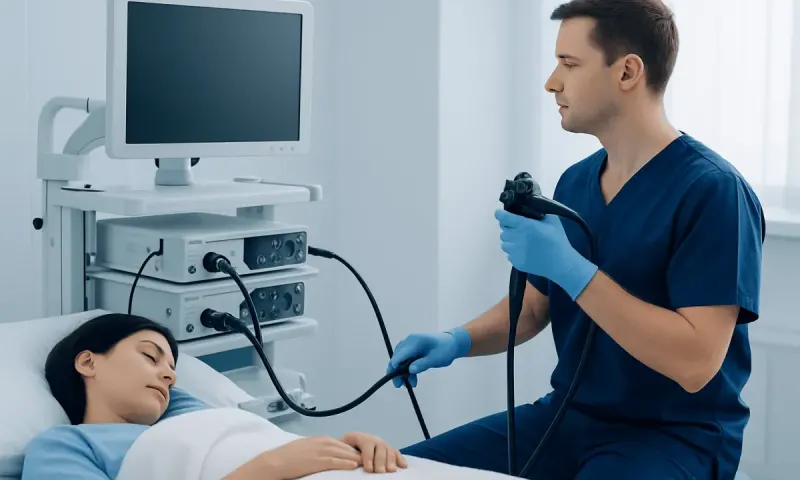
Istanbul Medical Travel Guide: Before and After Care
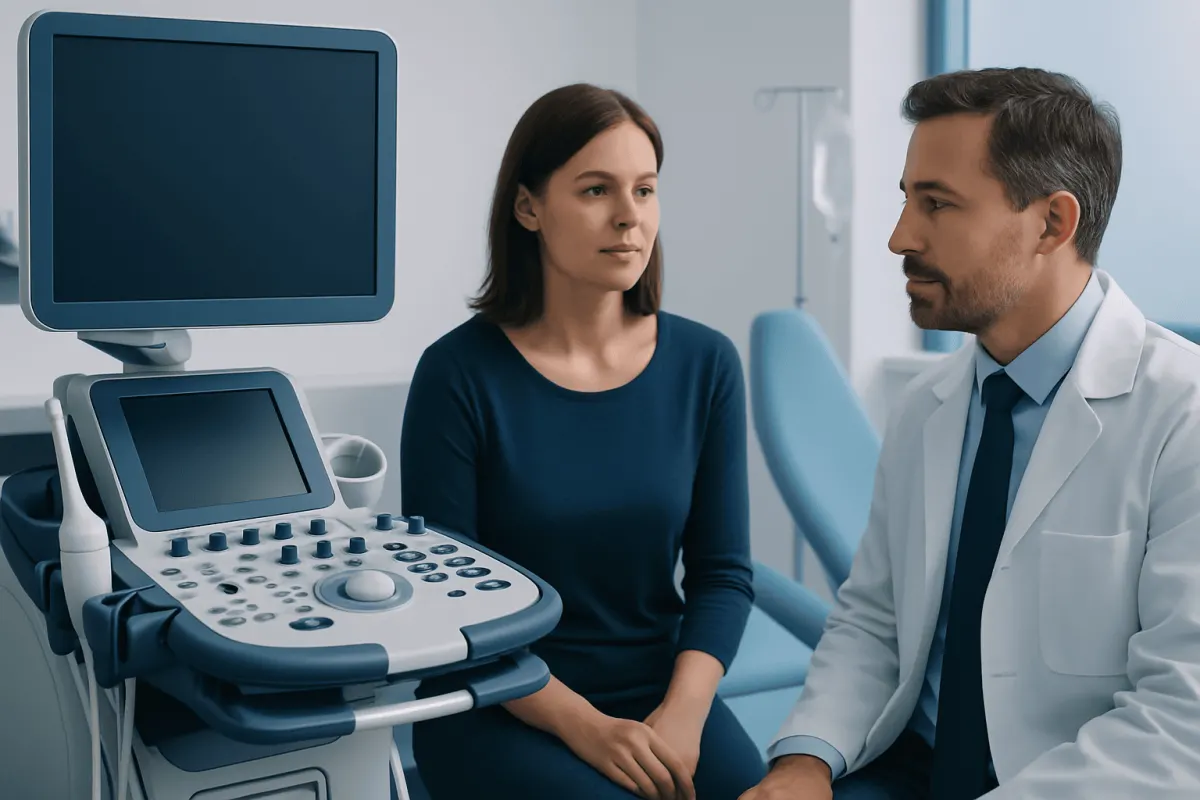
An Istanbul medical travel guide before and after should focus on safe planning and realistic, individual outcomes rather than dramatic comparisons. Results depend on the diagnosis, procedure, personal health, healing process and quality of follow-up care.
Overview: What Realistic Before-and-After Results Look Like
An Istanbul medical travel guide before and after is most useful when it helps patients understand that treatment outcomes are personal, gradual and based on clinical goals. A realistic result may mean improved symptoms, function, appearance or quality of life, but it does not mean a guaranteed or identical outcome to another person’s photographs.
Before treatment, a qualified clinician evaluates the health concern, medical history, test results and expectations. After treatment, the result is assessed over time rather than only on the day of discharge. Swelling, bruising, discomfort, temporary changes in energy or restricted movement can be normal parts of recovery for some procedures.
For a broader overview of planning treatment abroad, travel arrangements and international patient coordination, patients can review the Istanbul medical travel guide. This article focuses on how to interpret expected changes before and after care in a balanced, clinically informed way.
How Medical Travel Planning Works
Medical travel usually begins with sharing appropriate health information with the treating center. This may include a referral letter, medical records, imaging, laboratory results, medication list, allergies and details of previous operations or treatments. The clinical team can then advise whether an in-person assessment is needed before a final treatment recommendation is made.
Once a patient is considered suitable for evaluation or treatment, planning generally covers the consultation, necessary tests, procedure or therapy, observation period, discharge instructions and follow-up arrangements. The exact pathway differs considerably between a planned operation, cancer treatment, fertility care, dental care, rehabilitation and diagnostic assessment.
Patients should ask who will be responsible for each stage of care, which specialist will perform the procedure, what information needs to be translated, and how urgent concerns will be handled after discharge. It is also important to allow flexibility: further testing or an examination may show that a different approach, a delay or no procedure is the safest choice.
Candidacy and Setting Achievable Goals

Suitability for treatment is not decided by travel plans or online images. It is based on the diagnosis, severity of symptoms, overall health, medication use, smoking status where relevant, past procedures, mental wellbeing and the ability to follow recovery advice. Some people may need a condition stabilized before treatment, while others may be better served by non-surgical care or local ongoing management.
A productive consultation includes a clear explanation of what treatment can reasonably improve and what it may not change. For example, surgery may improve a structural problem but cannot always remove every symptom; a cosmetic procedure may refine a feature but cannot create perfect symmetry; and rehabilitation may restore function gradually rather than immediately.
Patients can prepare by writing down their main goals and questions. Useful questions include: What result is medically realistic for this individual? How long will healing take? What signs are expected, and which symptoms require urgent review? What alternatives are available? A clinician should also explain if expectations are unlikely to be achievable safely.
- Bring current reports and scans whenever possible.
- Disclose all medicines, supplements, smoking or nicotine use and chronic conditions.
- Discuss work, caregiving and travel demands that may affect recovery.
- Do not rely on edited images or another patient’s result as a personal prediction.
A Typical Step-by-Step Care Pathway
Although each specialty follows its own clinical protocols, many planned procedures follow a similar sequence. The first stage is a specialist consultation and diagnostic review. This is followed by a recommendation that may include conservative treatment, further testing, a procedure, surgery or a multidisciplinary opinion.
Before an intervention, the team confirms informed consent, reviews anesthesia needs when applicable, checks for factors that may increase risk and provides preparation instructions. On the treatment day, clinicians carry out the planned care and monitor the patient during recovery. Depending on the procedure, discharge may occur the same day or after a longer hospital stay.
After discharge, patients receive instructions about medication, wound care if needed, mobility, diet, activity restrictions and follow-up appointments. For a surgical procedure, the early postoperative review may assess pain control, swelling, wound healing and any signs of complications. For non-surgical treatment, follow-up may focus on response, side effects and whether the care plan should be adjusted.
A good before-and-after plan also includes continuity after travel. Patients should leave with a clear medical summary in a language their local doctor can use, including diagnoses, procedures performed, test results, medications and contact details for clinically appropriate follow-up.
Recovery Timeline: Why Results Change Over Time
Recovery is rarely a single moment. Immediately after a procedure, a patient may experience expected effects such as tiredness from anesthesia, soreness, swelling, bruising or temporary limits in daily activities. These early changes are not usually the final outcome and should be interpreted with the treating team’s guidance.
During the first days to weeks, the focus is often on wound healing, pain management, hydration, movement as advised and preventing complications. Some procedures require compression garments, dressings, physiotherapy, dietary changes or regular monitoring. Returning to work, exercise and long-distance travel should happen only when the clinician considers it safe.
Over subsequent weeks or months, inflammation often settles and treated tissues continue to heal. Functional improvement after orthopedic, neurological or rehabilitation-based care may depend on consistent therapy. Aesthetic changes may also mature over time as swelling resolves and scars evolve. The clinician can provide a more specific timeline for the individual procedure.
Before-and-after photographs, when used in a consultation, should be viewed carefully. They should show comparable lighting, position and timing, and they should be presented as examples of possible outcomes rather than promises. The most meaningful comparison is often the patient’s own progress against their agreed clinical goals.
Potential Benefits, Risks and Safe Follow-Up
Potential benefits depend on the treatment. They may include reduced pain, improved movement, better disease control, restored function, improved appearance, relief of troublesome symptoms or a clearer diagnosis. A clinician should explain the expected benefit in practical terms and discuss how likely it is to meet the patient’s individual goals.
Every procedure and medical treatment also carries possible risks. These may include medication reactions, bleeding, infection, blood clots, anesthesia-related problems, scarring, pain, delayed healing, need for additional treatment or an outcome that does not meet expectations. The specific risks vary greatly according to the procedure and the patient’s health.
Travel adds practical considerations. Patients may need to postpone flying after surgery or other interventions, particularly when there is a risk of blood clots, bleeding or pressure-related complications. They should follow the treating clinician’s travel advice, arrange suitable support during recovery and keep insurance, passport and health documentation readily available.
Before leaving Istanbul, patients should know how follow-up will be arranged and what to do if they develop a concern at home. They should also share their treatment summary with their regular doctor. Clear communication between the treating team and local healthcare professionals supports safer continuity of care.
When to Seek Medical Care
Patients should contact their treating team promptly if they develop symptoms that are unusual for their recovery plan, such as worsening pain, increasing redness or swelling around a wound, persistent vomiting, fever, unexpected bleeding, drainage from an incision, new weakness or a concern about medication side effects. Early advice can help determine whether an examination is needed.
Urgent medical care is needed for warning signs such as chest pain, shortness of breath, fainting, coughing blood, sudden confusion, new one-sided weakness, severe allergic symptoms, uncontrolled bleeding or a rapidly worsening condition. These symptoms may not always be related to treatment, but they require immediate assessment.
Patients should not wait for a scheduled international follow-up if they feel seriously unwell after returning home. They should seek emergency services locally and provide their discharge documents. Acıbadem Health Point’s multidisciplinary specialists and JCI-accredited hospitals support diagnosis and treatment planning for international patients, with follow-up guidance tailored to the care received.
Frequently asked questions
01What does before and after mean in medical travel?
Before and after refers to the changes seen from the initial consultation through recovery and follow-up. It may involve symptoms, function, test results or physical appearance, depending on the treatment. The final result should be judged at the timeframe advised by the treating clinician.
02Can a clinic guarantee a specific result?
No ethical clinician can guarantee a particular medical or cosmetic outcome. Individual healing, anatomy, underlying conditions and response to treatment can affect results. The care team should explain likely benefits, limitations and known risks before treatment.
03How long should a patient stay in Istanbul after treatment?
The appropriate stay depends on the procedure, anesthesia, recovery progress and need for follow-up checks. Some treatments allow a short stay, while major surgery or complex care may require longer monitoring. The treating clinician should provide individualized travel clearance before a patient flies home.
04Are before-and-after photos reliable for choosing treatment?
They can help patients understand the range of possible changes, but they are not a prediction of an individual outcome. Photos may differ in lighting, angle, timing and patient characteristics. A personal consultation and clinical assessment are more important for deciding whether treatment is appropriate.
05What should international patients bring to a medical consultation?
Patients should bring recent medical records, imaging or test results, a medication and allergy list, previous procedure details and contact information for their usual doctor. It is also helpful to prepare questions about the diagnosis, alternatives, recovery and follow-up. Accurate information supports safer decisions.
06What happens if a problem develops after returning home?
The patient should contact the treating team using the instructions provided at discharge and seek local medical assessment when needed. Emergency symptoms require urgent care in the country where the patient is located. Keeping a detailed discharge summary makes it easier for local clinicians to understand the treatment received.
This article is for general information only and is not a substitute for professional medical advice. Please consult a qualified doctor about your individual situation.
Oncology care in Turkey — second opinion and treatment plan
JCI-accredited · board-certified surgeons · reply within 24h
Add us as a Preferred Source to see more of our trusted health content across Google Search, AI Overviews and Discover.