Swollen Bottom Eyelid: Causes and Warning Signs
A swollen bottom eyelid is commonly linked to mild irritation, allergies, a blocked eyelid gland, or an infection such as a stye. Most cases improve with gentle care, but severe pain, changes in vision, fever, or swelling around the eye require urgent medical evaluation.
What Does a Swollen Bottom Eyelid Mean?
A swollen bottom eyelid, also called lower eyelid swelling, means that fluid, inflammation, or a localized lump has developed in the tissues below the eye. It can affect one or both eyes and may appear suddenly or gradually. Mild swelling is often temporary and may follow poor sleep, crying, rubbing the eye, seasonal allergies, or exposure to an irritant.
The appearance and accompanying symptoms can provide useful clues. Itching and watery eyes often suggest allergy, while a tender red bump along the lash line may indicate a stye. A firm lump that is usually less painful may be caused by a blocked oil gland, known as a chalazion. Since several conditions can look similar, a clinician or eye specialist should assess swelling that persists, recurs, or is associated with pain or changes in sight.
Lower eyelid swelling is not always caused by an eyelid problem alone. Facial skin conditions, sinus infections, dental infections, medication reactions, and, less commonly, medical conditions that cause fluid retention can contribute. Looking at the full pattern of symptoms is therefore more helpful than trying to diagnose the cause from swelling alone.
Common Patterns and Associated Symptoms
Allergy-related swelling commonly affects both eyes, although it may be more noticeable on one side. The eyelids can feel itchy or irritated, and the eyes may water, look red, or feel gritty. Pollen, dust mites, animal dander, cosmetics, facial products, and some eye drops can all trigger an allergic response. Rubbing the eyes can worsen puffiness and irritate the delicate skin further.
A stye, medically called a hordeolum, is a painful infection or inflammation involving a gland near an eyelash or inside the eyelid. It often begins as a small, tender red area and may develop a visible bump. A chalazion develops when an oil-producing eyelid gland becomes blocked. It may begin with mild tenderness but often becomes a rounded, firm, less painful swelling within the eyelid.
Other symptoms deserve closer attention. Sticky discharge or crusting of the lashes may occur with conjunctivitis or blepharitis, an inflammation of the eyelid edges. Red, flaky, burning eyelid skin may suggest eczema, contact dermatitis, or another skin condition. Bruising, pain, or swelling after an injury should be evaluated, especially if the eye itself looks abnormal or vision is affected.
Common Causes of Lower Eyelid Swelling

Everyday factors can cause short-lived puffiness beneath the eye. These include lack of sleep, prolonged crying, high salt intake, alcohol use, and sleeping flat, which can allow fluid to collect around the eyelids overnight. These causes generally improve during the day and do not usually cause significant pain, intense redness, or visual symptoms.
Inflammatory and infectious causes are also common. Blepharitis can cause sore, itchy, crusted eyelid margins and may recur. A stye can produce a tender bump, while a chalazion causes a blocked-gland lump. Viral or bacterial conjunctivitis may cause eye redness and discharge, although treatment differs depending on the cause. A clinician can help distinguish these conditions and advise whether medicines are appropriate.
Contact dermatitis develops when the skin reacts to something that touches it. New makeup, sunscreen, cleansers, lash products, hair dye, nail products transferred by the hands, and eye drops are possible triggers. Swelling may be accompanied by itchiness, burning, dryness, or a rash. Stopping the suspected product and seeking professional advice is particularly important if the reaction is severe or spreads.
Less often, swelling is related to a wider health issue. Persistent swelling in both eyelids alongside ankle swelling, breathlessness, fatigue, or changes in urination should be discussed with a doctor. These symptoms do not necessarily indicate a serious condition, but they warrant a broader medical assessment rather than treating the eyelid alone.
How a Doctor Identifies the Cause
Assessment usually starts with questions about when the swelling began, whether it affects one or both eyes, and whether there is itching, discharge, pain, fever, injury, or a change in vision. A doctor will also ask about recent infections, allergies, skin products, eye makeup, contact lens use, medications, and any history of recurring eyelid problems.
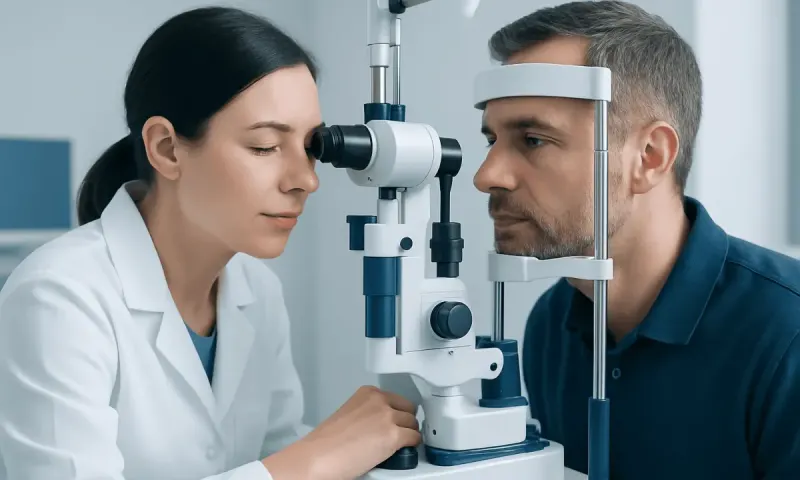
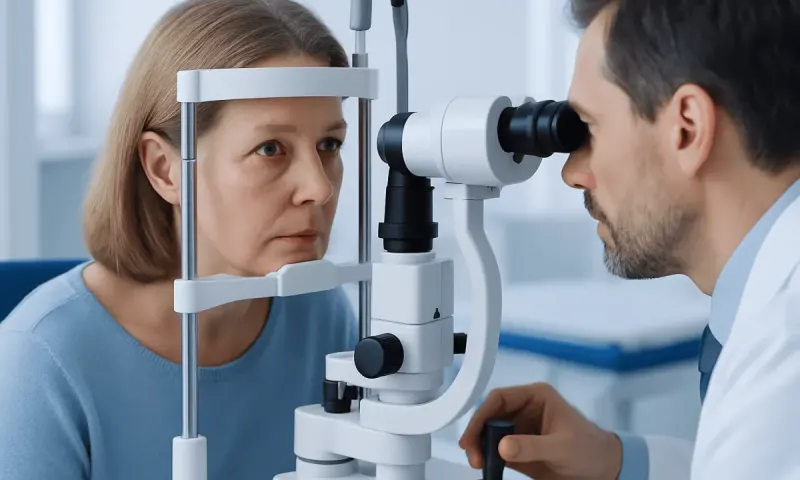
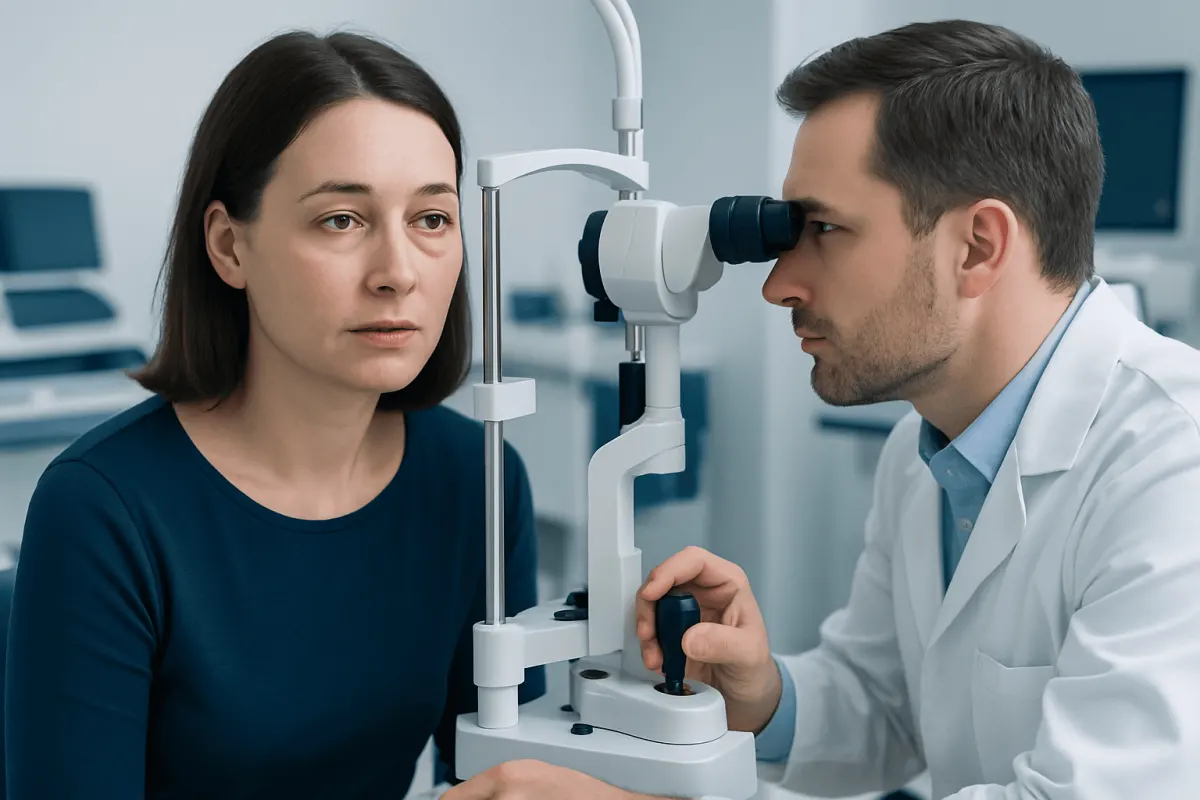
During the examination, the clinician checks the eyelid skin, lash line, eye surface, and movement of the eye. They may look for a localized lump, discharge, redness of the conjunctiva, skin rash, tenderness, or signs of deeper infection. Vision is commonly checked when swelling is substantial, painful, or accompanied by eye symptoms.
Most cases do not need laboratory tests or scans. However, an eye specialist may recommend further testing when swelling is recurrent, does not improve as expected, is unusually firm, or is associated with symptoms elsewhere in the body. This approach helps identify the cause while avoiding unnecessary treatment.
Safe Care at Home and Medical Treatment
The best initial care depends on the likely cause. For mild puffiness or allergy-related symptoms, a clean cool compress placed gently over closed eyes for short periods may reduce swelling and soothe itchiness. Avoid rubbing or pressing on the eye. A pharmacist or doctor can advise whether allergy treatment, such as antihistamine medicine or allergy eye drops, is suitable for the individual.
For a suspected stye or chalazion, a warm, clean compress may help encourage natural drainage from a blocked gland. It should be comfortably warm rather than hot and applied with the eye closed. The lump should not be squeezed, pierced, or rubbed, as this can worsen inflammation or spread infection. Good eyelid hygiene may be recommended for people with recurrent blepharitis or blocked glands.
It is sensible to stop wearing contact lenses and avoid eye makeup while there is active swelling, redness, discharge, or discomfort. Contact lenses should only be restarted when symptoms have completely resolved and a clinician has advised that it is safe, particularly after an infection. Old eye makeup or contaminated lens cases may need to be replaced to reduce reinfection risk.
Prescription treatment is not needed for every swollen eyelid. Depending on the diagnosis, a clinician may recommend antibiotic treatment, anti-inflammatory treatment, allergy management, or referral to an ophthalmologist. A persistent chalazion may occasionally need a minor procedure, but many improve with conservative treatment. Acıbadem Health Point’s multidisciplinary specialists and JCI-accredited hospitals assess eye and eyelid concerns for international patients when specialist care is needed.
Reducing the Chance of Recurrence
Regular handwashing and avoiding touching the eyes can reduce irritation and the spread of infections. Eye makeup should be removed gently before sleep, and products should not be shared. It is also advisable to replace eye makeup regularly and discard products used during an eye infection or when an allergic reaction is suspected.
People who have recurring eyelid crusting, styes, or blocked glands may benefit from a regular eyelid-care routine recommended by an eye professional. This may include warm compresses and gentle cleansing of the eyelid margins with an appropriate product. The exact routine should be individualized, particularly for people with sensitive skin, eczema, rosacea, or dry eye symptoms.
When allergies are a likely trigger, identifying and limiting exposure can help. Keeping windows closed during high-pollen periods, washing the face after time outdoors, and reviewing cosmetics or skincare products may be useful. If swelling repeatedly follows use of a specific product, it should be stopped and discussed with a healthcare professional.
When to Seek Medical Care
A doctor should assess a swollen bottom eyelid that does not improve within a few days of gentle care, keeps returning, forms a persistent lump, or causes significant discomfort. Medical advice is also appropriate when there is thick discharge, marked redness, a spreading skin rash, or concern about an allergic reaction. Children, people who wear contact lenses, and individuals with weakened immune systems may need earlier assessment.
Urgent medical care is important if swelling is rapidly worsening or if there is severe pain, fever, reduced vision, double vision, pain when moving the eye, inability to open the eye, bulging of the eye, severe headache, or redness spreading around the eye and face. These symptoms can indicate a more serious infection or another condition requiring prompt treatment.
After an injury, urgent assessment is needed if there is loss of vision, persistent pain, bleeding in or around the eye, an irregular-looking pupil, nausea or vomiting, or concern that an object has entered the eye. It is safest not to apply pressure to an injured eye and not to attempt to remove an embedded object.
Frequently asked questions
01Why is my bottom eyelid swollen when I wake up?
Mild lower eyelid swelling in the morning can occur because fluid collects around the eyes overnight. It may be more noticeable after poor sleep, crying, alcohol use, salty foods, or sleeping flat. Swelling that is painful, red, persistent, or limited to one eye should be assessed by a healthcare professional.
02Is a swollen bottom eyelid usually a stye?
Not always. A stye usually causes a tender, red bump near the eyelashes or within the eyelid. Allergies, irritation, a blocked oil gland, conjunctivitis, and skin reactions can also cause lower eyelid swelling.
03Should a warm or cold compress be used for a swollen lower eyelid?
A cool compress can be soothing for itchiness, allergies, and general puffiness. A warm compress is more often used for a stye or a blocked eyelid gland. The compress should always be clean and comfortably warm or cool, never extreme in temperature.
04Can contact lenses cause lower eyelid swelling?
Contact lenses can contribute to irritation, allergic reactions, or infection, especially if lenses are worn for too long or cleaning practices are not followed. Lenses should be removed if the eye is swollen, red, painful, or producing discharge. A clinician should advise when it is safe to wear them again.
05How long does a swollen bottom eyelid take to go away?
Minor puffiness from irritation or fluid retention may improve within hours to a few days. A stye or chalazion can take longer, sometimes several weeks, to settle. Medical advice is recommended if symptoms worsen, do not improve, or keep returning.
06Can allergies cause swelling under only one eye?
Allergies more often affect both eyes, but one side may appear worse if it has been rubbed more or had greater contact with an irritant. One-sided swelling can also occur with a stye, blocked gland, injury, or infection. Persistent one-sided swelling should be evaluated to identify the cause.
This article is for general information only and is not a substitute for professional medical advice. Please consult a qualified doctor about your individual situation.
Explore treatments in Turkey — costs, top hospitals & a free quote
JCI-accredited · board-certified surgeons · reply within 24h
Add us as a Preferred Source to see more of our trusted health content across Google Search, AI Overviews and Discover.