Red-Rimmed Eyes: Common Causes and Warning Signs
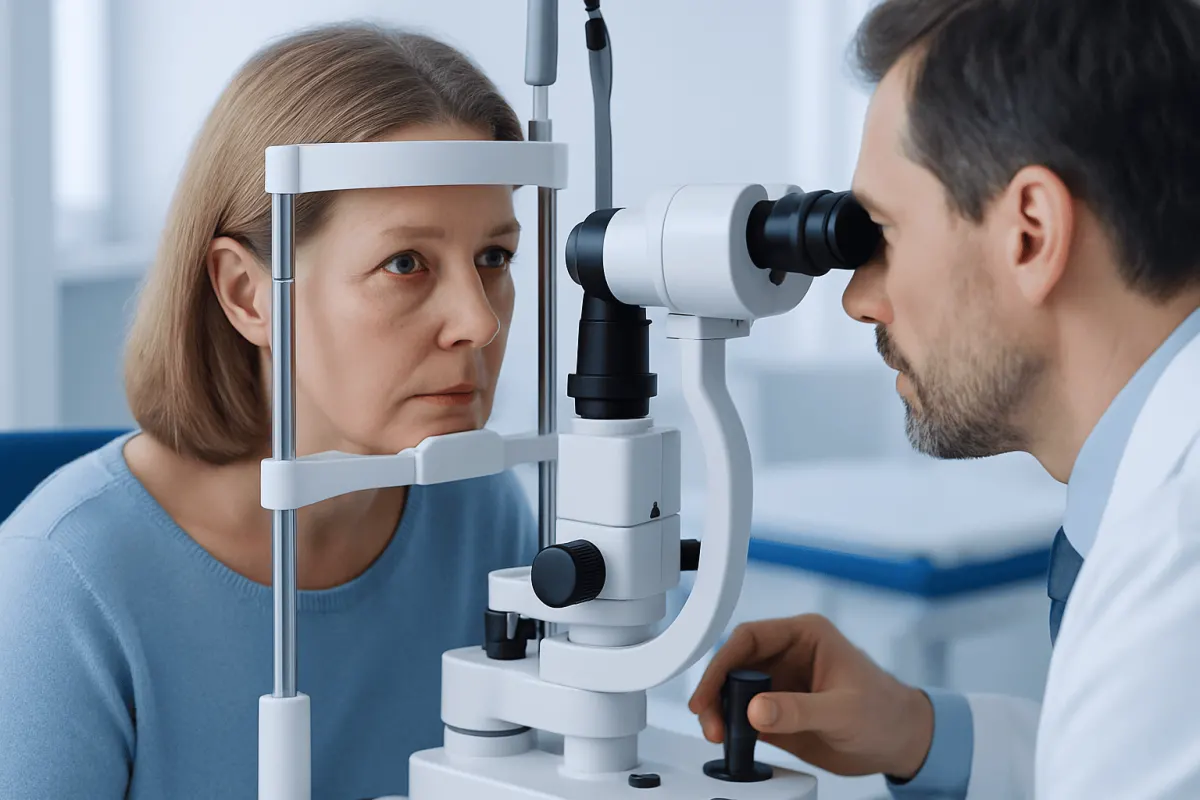
Red rimmed eyes describe redness around the eyelid edges or the skin surrounding the eyes. They are commonly linked to dryness, allergies, irritation, or inflammation of the eyelids, and often improve when the underlying trigger is addressed; however, pain, light sensitivity, discharge, or changes in vision require medical evaluation.
Red Rimmed Eyes: What They Usually Mean
Red rimmed eyes usually mean that small blood vessels in or around the eyes have become more visible because of irritation or inflammation. The redness may be concentrated along the eyelid margins, in the skin around the eyes, or across the white surface of the eye. These areas are close together, but they can point to different problems.
For example, redness and flaking at the lash line may suggest blepharitis, an inflammation of the eyelid margins. Itchy, watery eyes with redness are more often associated with allergy. A gritty feeling, burning, or symptoms that worsen during screen use may occur with dry eye. A clinician considers the full pattern rather than treating all red eyes as the same condition.
Red rimmed eyes are often temporary and not dangerous, particularly when they occur after poor sleep, smoke exposure, crying, prolonged visual tasks, or seasonal allergies. Still, eye symptoms deserve attention because some infections, corneal problems, and inflammatory conditions can become more serious without timely care.
Look Beyond Redness: Symptoms That Help Identify the Cause
The accompanying symptoms can provide useful context. Itching is commonly linked to allergic eye disease, while a sandy or burning sensation may occur with dry eye or surface irritation. Crusting of the lashes on waking, oily debris at the lid margin, and recurrent styes can be associated with blepharitis or dysfunction of the oil glands in the eyelids.
A red eye with watery discharge may occur with a viral infection or allergy. Thick yellow or green discharge, eyelids that stick together, and marked swelling can occur with bacterial infection, although an examination may be needed to confirm the cause. Viral and bacterial conjunctivitis can be contagious, so careful hand hygiene is important when infection is suspected.
- Itch and tearing: often seen with allergies.
- Grittiness, fluctuating vision, or burning: may suggest dry eye disease.
- Crusting and irritated lash lines: can occur with blepharitis.
- A tender eyelid lump: may be a stye or blocked eyelid gland.
- Deep pain, light sensitivity, or reduced vision: needs prompt medical assessment.
It is not always possible to tell the cause from symptoms alone. A person should avoid sharing eye makeup, towels, washcloths, or contact lenses while the eyes are red or discharging, especially if an infection is possible.
Common Causes and Everyday Triggers

Dry eye is a frequent cause of persistent eye redness and discomfort. Tears protect and lubricate the eye surface; when tear production is insufficient or tears evaporate too quickly, the surface may become irritated. Long periods of reading or device use can contribute because people tend to blink less often. Dry environments, wind, air conditioning, heating, and smoke may also worsen symptoms.
Allergic conjunctivitis occurs when the immune system reacts to substances such as pollen, dust mites, animal dander, or mold. Both eyes are often affected, and itching is a prominent feature. Rubbing the eyes may briefly feel relieving but can intensify irritation and make redness more noticeable.
Blepharitis is another common explanation for red eyelid rims. It may involve bacteria normally present on the skin, skin conditions such as dandruff or rosacea, or blockage of the small oil glands along the lid margins. It can be long-lasting and may recur, but regular lid care often helps control symptoms.
Other triggers include cosmetics, facial cleansers, eyelash products, chlorine, air pollution, and contact lens solutions. Contact dermatitis can cause redness, dryness, scaling, or swelling of the skin around the eyes. Less commonly, redness may be related to an infection, an injury, inflammation inside the eye, or a problem affecting the cornea.
Separating Evidence From Common Myths
Red rimmed eyes are sometimes assumed to be caused only by tiredness. Lack of sleep can make redness more apparent by contributing to dryness and dilated blood vessels, but it is not the only explanation. Recurrent or ongoing redness should not automatically be attributed to fatigue, particularly if there is discomfort, discharge, swelling, or changes in sight.
Another common misconception is that all red eyes need antibiotic drops. Antibiotics do not treat viral infections, allergies, dry eye, or most cases of irritation. Unnecessary use may delay appropriate care and can contribute to medication side effects or antimicrobial resistance. A clinician may prescribe treatment when there is evidence of bacterial infection or another condition that requires it.
“Redness-relief” drops that temporarily constrict blood vessels may make the eyes look whiter for a short time, but they do not address the cause. Frequent use can sometimes lead to rebound redness when the drops wear off. Lubricating drops without redness-relieving medication may be more appropriate for some people with dry eye symptoms, but a pharmacist, optometrist, or eye doctor can help select a suitable option.
Eye redness is also not reliably explained by a person’s general health, hydration level, or screen exposure alone. These factors can play a role, but diagnosis is based on symptoms, history, examination findings, and, when necessary, testing.
How Clinicians Assess Red Rimmed Eyes
A healthcare professional will usually ask when the redness began, whether one or both eyes are affected, and whether symptoms include itching, pain, discharge, blurred vision, or sensitivity to light. Information about contact lens use, recent illness, allergies, eye cosmetics, new skincare products, medications, and workplace or environmental exposures can also be relevant.
The examination may include checking vision, inspecting the eyelids and lashes, looking at the eye surface, and assessing pupil responses. An eye specialist may use a slit lamp, which provides a magnified view of the front of the eye. Special dyes can help identify small injuries or inflammation on the cornea that may not be visible without examination.
Most uncomplicated cases do not require extensive tests. However, swabs, allergy assessment, or further eye examinations may be considered when symptoms are severe, repeatedly return, do not improve, or suggest an uncommon cause. People with chronic dry eye symptoms may also be assessed for eyelid gland problems or health conditions that can affect tear production.
Safe Self-Care and Treatment Options
Treatment depends on the cause. For mild dryness or irritation, taking regular visual breaks, blinking fully, reducing exposure to smoke or dry air, and using preservative-free lubricating eye drops may be helpful. Cool compresses can soothe itching and puffiness associated with allergies. A person should avoid rubbing the eyes, as this can worsen inflammation.
For suspected blepharitis, clinicians often recommend gentle, consistent eyelid hygiene. This may include applying a warm compress to closed eyelids and carefully cleaning the lid margins with a product intended for eyelid cleansing. It is important not to use harsh soaps, scrub the eye surface, or attempt to remove an eyelid lump by squeezing it.
If a cosmetic or skincare product appears to trigger symptoms, stopping it temporarily is sensible. Contact lens wearers should remove lenses when the eyes are red or uncomfortable and should not resume use until symptoms have resolved and an eye professional has advised that it is safe. Lenses, cases, and solutions should be used and replaced according to professional guidance.
Medical treatment may include allergy eye drops, lubricants, prescription anti-inflammatory medicines, or antimicrobial treatment when clinically appropriate. Steroid eye drops should only be used under ophthalmic supervision because they can worsen certain infections and may raise eye pressure. Acıbadem Health Point’s multidisciplinary specialists and JCI-accredited hospitals can assess persistent eye symptoms and coordinate care for international patients.
When to Seek Medical Care
A person should arrange a routine appointment with an optometrist, ophthalmologist, or doctor if red rimmed eyes persist for more than a few days, recur frequently, interfere with daily life, or occur with ongoing crusting, eyelid swelling, dry-eye discomfort, or suspected allergy. Assessment is also appropriate if symptoms begin after starting a new eye product, medicine, or contact lens solution.
Prompt or urgent medical care is important for eye pain, significant light sensitivity, reduced or changed vision, severe swelling, a visible injury, chemical exposure, or a sensation that something is stuck in the eye. A red eye in someone who wears contact lenses should be assessed promptly, especially if there is pain, discharge, or blurred vision, because contact lens-related corneal infections can progress quickly.
Emergency assessment is needed after a chemical splash or serious eye trauma. The eye should be rinsed immediately with clean running water for at least 15 minutes after chemical exposure while urgent help is arranged. A person should not drive if vision is affected and should avoid using leftover prescription eye drops unless instructed by a qualified clinician.
Frequently asked questions
01Are red rimmed eyes usually serious?
Most cases are related to mild irritation, dry eye, allergies, tiredness, or eyelid inflammation and improve with appropriate care. However, redness accompanied by pain, light sensitivity, discharge, injury, or vision changes should be assessed promptly because these features can indicate a more significant eye problem.
02Can lack of sleep cause red rimmed eyes?
Yes. Poor sleep can contribute to eye dryness, puffiness, and more noticeable blood vessels, making the eyes and eyelids appear red. It should not be assumed to be the only cause if redness is persistent or occurs with other symptoms.
03Why are my eyelids red and crusty in the morning?
Redness and crusting along the lash line can occur with blepharitis, an inflammation of the eyelid margins. It may be associated with blocked oil glands, skin conditions, or bacterial imbalance on the skin. Regular gentle lid hygiene can help, but persistent symptoms should be evaluated by an eye professional.
04Should contact lenses be worn with red eyes?
Contact lenses should generally be removed if the eyes are red, painful, irritated, or producing discharge. Continuing to wear lenses can aggravate dryness and may increase the risk of a corneal infection. An eye professional can advise when it is safe to wear them again.
05Do antibiotic eye drops help red eyes?
Antibiotic drops only help when redness is caused by a bacterial infection that requires treatment. They do not treat allergies, dry eye, viral conjunctivitis, or most irritant reactions. A clinician should determine whether antibiotics are appropriate.
06What can be used at home for mild red rimmed eyes?
For mild symptoms, avoiding eye rubbing, limiting exposure to smoke or irritants, taking breaks from screens, and using cool compresses for itchiness may help. Preservative-free lubricating drops may relieve dryness for some people. Symptoms that are severe, recurring, or not improving should be reviewed by a healthcare professional.
This article is for general information only and is not a substitute for professional medical advice. Please consult a qualified doctor about your individual situation.
Explore treatments in Turkey — costs, top hospitals & a free quote
JCI-accredited · board-certified surgeons · reply within 24h
Add us as a Preferred Source to see more of our trusted health content across Google Search, AI Overviews and Discover.