Stress Hives: Symptoms, Causes and Treatment

Key Takeaways
- Stress hives are a form of urticaria that may be linked to emotional stress, but other triggers are common too.
- They often appear as itchy, raised, pink or red welts that can move around the body and change quickly.
- Diagnosis usually focuses on the skin pattern, timing of symptoms, and possible triggers rather than a single test.
- Treatment may include antihistamines, trigger management, and calming routines that support the body’s stress response.
- Trouble breathing, swelling of the lips or tongue, or widespread sudden hives needs urgent medical attention.
Stress hives are itchy, raised welts that can appear or worsen during periods of emotional strain, though stress is not always the only trigger. Understanding how they look, what can set them off, and when to seek care can make flare-ups easier to manage.
Overview
Stress hives are itchy, raised skin welts that seem to show up during tense periods, such as exams, family conflict, travel pressure, or work strain. In medical language, they are usually considered a type of urticaria, which means the skin reacts by releasing histamine and other inflammatory chemicals.
For many people, the timing feels obvious: a stressful event is followed by a rash that comes and goes. Still, stress is rarely the only piece of the puzzle. Heat, infection, food, medications, pressure on the skin, and other physical triggers may also play a role, and stress can make the skin more reactive.
The good news is that stress hives are usually manageable. Most episodes are temporary, and a doctor can help confirm the cause, rule out other conditions, and suggest a plan that fits daily life, including situations where someone is managing symptoms while away from home or preparing to travel for care.
Symptoms
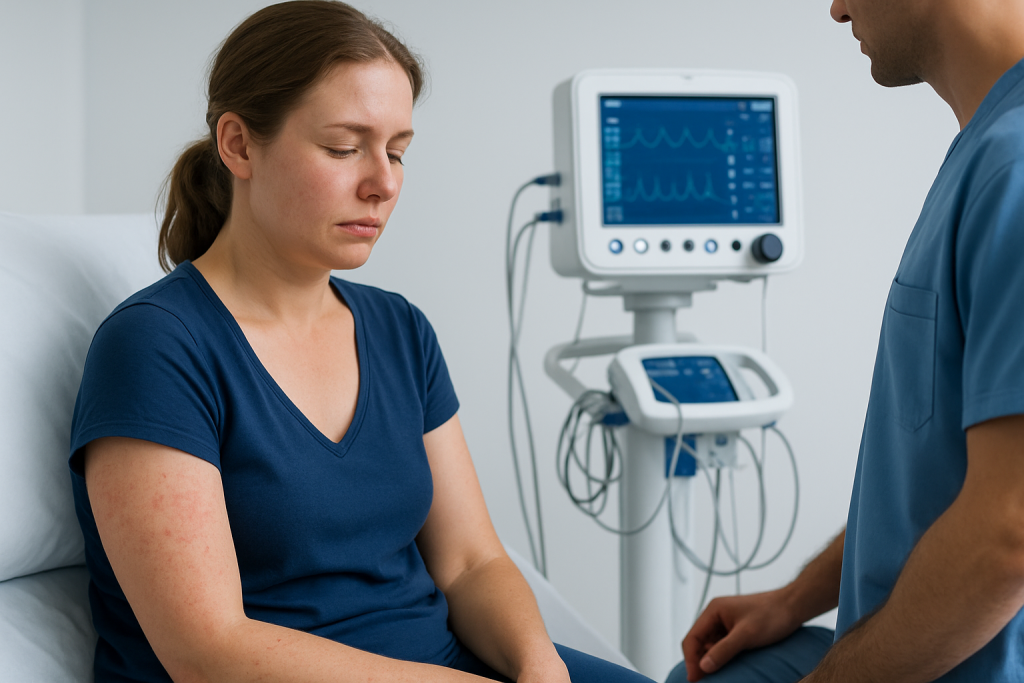
Stress hives usually look like raised welts or patches that are pink, red, or skin-colored. They often feel very itchy, though some people notice a burning or stinging sensation instead. The spots may appear anywhere on the body, including the face, neck, chest, arms, or legs.
A classic feature of hives is changeability. Individual welts may fade within hours and new ones may appear nearby, giving the rash a shifting pattern. This movement is one reason hives can feel confusing at first, especially when they arrive during a stressful period and seem to improve and worsen without a clear rhythm.
People may also notice that the skin flares after poor sleep, emotional upset, sweating, or a long day of tension. If swelling develops under the skin, such as puffiness around the eyes or lips, that can still be part of urticaria and should be discussed with a clinician, especially if it is new or recurrent.
- Itching is the most common complaint.
- Welts may be round, irregular, or connected in patches.
- Symptoms can shift location over hours.
- Scratching may temporarily worsen redness and discomfort.
Causes & Risk Factors

Stress hives do not mean that stress is “causing” the skin to break out in a simple one-to-one way. Instead, stress can influence immune activity, hormone levels, and nerve signals in the skin, which may lower the threshold for hives in people who are already prone to them. In other words, stress can act like a volume knob, turning an existing tendency into a visible flare.
Some people have acute hives that last a short time and are linked to a clear event, while others experience recurrent or chronic urticaria. In chronic cases, no single cause is found, and emotional strain may be one of several contributors rather than the main driver. Physical triggers such as temperature changes, pressure from tight clothing, exercise, infections, or certain medicines can overlap with stress.
Risk may be higher in people who have a history of allergies, eczema, asthma, or previous hives. Even so, anyone can develop them. Life transitions, disrupted sleep, caregiving burdens, and frequent travel can also make the body less resilient and the skin more sensitive to flare-ups.
Diagnosis
Diagnosing stress hives usually starts with a careful conversation rather than a lab test. A doctor looks at the rash itself, asks when it began, how long each welt lasts, whether swelling is present, and what was happening around the time of each flare. Photos taken during outbreaks can be very helpful, especially if the hives fade before the appointment.
The main task is to distinguish hives from other skin problems, such as eczema, contact dermatitis, insect bites, or infections. The pattern matters: hives typically appear and disappear relatively quickly, while some other rashes stay in the same place longer or behave differently.
If symptoms are frequent, severe, or persistent, a clinician may recommend tests to look for other triggers or contributing conditions. These may include allergy assessment or general blood work in selected cases. For international patients arranging care from another country, it can be useful to bring a timeline of flare-ups, medications, supplements, and possible exposures so the consultation is more efficient.
Treatment Options
Treatment aims to calm the skin reaction, reduce itching, and lower the chance of repeated flares. Non-sedating antihistamines are commonly used because they target histamine, one of the key chemicals involved in hives. A doctor can advise on which option is most appropriate and whether a short-term or ongoing plan is needed.
When hives are part of a broader pattern of stress sensitivity, treatment often works best when skin care is combined with trigger awareness and stress reduction. Cool compresses, gentle skin products, and avoiding hot showers during a flare may help the skin feel less reactive. If a specific medication, food, or physical trigger is suspected, the doctor may guide the person in narrowing it down safely.
More complex or chronic cases may need a dermatology or allergy review. This is especially important if the hives last for weeks, interfere with sleep, or return often despite basic treatment. In some situations, a specialist may recommend additional therapies or further evaluation to rule out other forms of urticaria or swelling disorders.
- Antihistamines are a common first-line option.
- Short-term symptom relief may include cool compresses.
- Skin irritation can worsen with heat, scratching, and harsh soaps.
- Persistent symptoms may require specialist assessment.
Prevention & Self-care
Not every flare can be prevented, but some patterns are worth noticing. A symptom diary can help identify whether hives follow poor sleep, work deadlines, emotional strain, workouts, certain foods, alcohol, or temperature changes. Over time, that record may reveal combinations that are more important than any single trigger.
Simple daily habits can also support the skin and nervous system. Regular sleep, hydration, balanced meals, and short recovery breaks during the day can make stress easier to carry. Some people find that breathing exercises, meditation, walking, or counseling helps reduce the overall intensity of flare-ups, even if it does not remove hives completely.
During a flare, comfort measures matter. Wearing loose clothing, keeping the skin cool, using fragrance-free cleansers, and resisting the urge to scratch can prevent extra irritation. If travel or time-zone changes are part of the picture, planning ahead with enough medication and a clear follow-up plan can reduce the chance that a manageable issue becomes a disruptive one.
When to See a Doctor
Medical review is a good idea if hives keep returning, last more than a few days, or interfere with sleep, work, or daily comfort. A doctor can help confirm that the rash is truly urticaria and not another skin condition that needs different care.
Urgent care is needed if hives come with trouble breathing, wheezing, faintness, tongue or throat swelling, or severe dizziness. These symptoms can signal a serious allergic reaction and should not be watched at home. Rapidly spreading hives with facial swelling also deserve prompt assessment.
It is also reasonable to seek care if the hives are linked with fever, joint pain, bruising, or lasting marks on the skin, since those details may point to a different process. Acibadem Health Point’s multidisciplinary specialists and JCI-accredited hospitals can diagnose and treat this condition for international patients who need coordinated evaluation and follow-up across borders.
Living With Recurrent Hives
When hives keep returning, the day-to-day burden can feel larger than the rash itself. People may start checking their skin constantly, worrying about triggers, or avoiding normal activities just in case symptoms return. A clear plan from a clinician can help restore confidence and reduce that uncertainty.
For some patients, the best approach is not to chase one dramatic cause but to build a workable routine: track symptoms, minimize obvious triggers, use treatment early when advised, and address stress in realistic ways. That approach is especially useful for patients who are balancing work, caregiving, or international travel and need something practical rather than complicated.
If hives are frequent, a dermatology or allergy specialist can help determine whether the pattern is acute, chronic, or part of a broader issue. Even when no exact trigger is found, symptoms can often be controlled well enough for normal routines to continue.
Frequently asked questions
01Are stress hives real, or is stress only making me notice them more?
They are real skin reactions, but stress may not be the only cause. Emotional strain can make the body more reactive and can worsen hives that also have other triggers.
02How long do stress hives usually last?
Individual welts often fade within hours, though new ones may appear afterward. The overall episode can last from a short time to several days, and repeated flares may suggest a longer-term pattern.
03Can stress hives go away on their own?
Yes, many cases settle without lasting problems. Even so, recurring hives are worth discussing with a doctor so the trigger pattern and safest treatment plan can be reviewed.
04What is the best treatment for stress hives?
Antihistamines are commonly used, but the best plan depends on how often the hives occur and how severe they are. Doctors may also suggest skin care steps and stress-reduction strategies to lower flare frequency.
05Can anxiety cause hives?
Anxiety and other emotional stressors can contribute to hives in some people. They usually act as a trigger or amplifier rather than the only explanation, so other causes should still be considered.
06When should hives be treated as an emergency?
Emergency care is needed if hives come with breathing trouble, throat tightness, fainting, or swelling of the tongue or lips. Those symptoms can indicate a severe allergic reaction and need immediate attention.
This article is for general information only and is not a substitute for professional medical advice. Please consult a qualified doctor about your individual situation.
Explore treatments in Turkey — costs, top hospitals & a free quote
JCI-accredited · board-certified surgeons · reply within 24h
Add us as a Preferred Source to see more of our trusted health content across Google Search, AI Overviews and Discover.