Stent: Uses, Procedure and Risks

Key Takeaways
- Stents are used to keep narrowed passages open, most commonly in the heart’s arteries.
- Not every blockage needs a stent; the decision depends on symptoms, test results, and overall risk.
- Recovery usually includes medicines, activity guidance, and follow-up checks to protect the treated area.
- Healthy habits and long-term medication adherence can help reduce the chance of future problems.
- New chest pain, shortness of breath, bleeding, or sudden swelling after a stent should be reviewed promptly by a doctor.
A stent is a small mesh-like tube used to help keep a narrowed or blocked vessel or duct open. In cardiology, it is most often placed during a minimally invasive procedure to improve blood flow to the heart and reduce symptoms such as chest discomfort.
Overview
A stent is a tiny scaffold designed to hold open a passage that has become too narrow for comfortable, reliable flow. In cardiology, that passage is usually a coronary artery, the vessel that supplies blood to the heart muscle. When blood flow improves, symptoms often ease and the heart may be better protected from strain.
Stents are placed most often during a procedure called angioplasty, where a small balloon is used to widen the narrowed area before the stent is expanded into position. The treatment is commonly performed through a small puncture in the wrist or groin, which allows many people to recover faster than they would after open surgery.
For international patients, the decision to travel for a stent-related evaluation usually begins with clearer questions than “Do I need a procedure?” A more helpful discussion is whether the narrowing is causing symptoms, whether medication alone is enough, and what kind of follow-up will be needed once the person returns home. Those details matter because a stent is not a stand-alone solution; it is part of a broader plan for heart care.
Symptoms
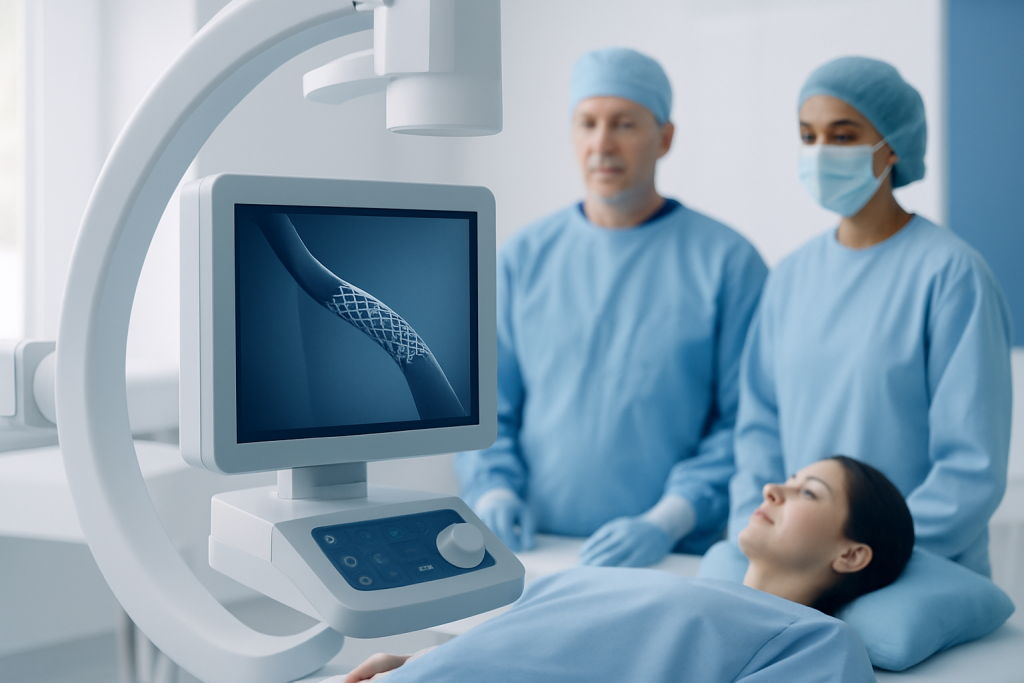
Many people learn about a coronary narrowing only after symptoms appear. The most familiar sign is chest pressure or tightness, especially during walking, climbing stairs, or emotional stress. Some people describe it as heaviness, squeezing, burning, or a feeling that the chest is “not getting enough room.”
Symptoms can also show up away from the chest. Shortness of breath, unusual fatigue, discomfort in the arm, back, jaw, or shoulder, and a reduced ability to exercise may all point to reduced blood flow to the heart. In some people, especially older adults and those with diabetes, symptoms may be subtle or atypical.
When a blocked artery causes a heart attack, symptoms are usually more urgent and may include severe chest pain, sweating, nausea, faintness, or breathlessness. Any sudden or intense symptom pattern should be treated as a medical emergency, not something to watch at home.
Causes & Risk Factors
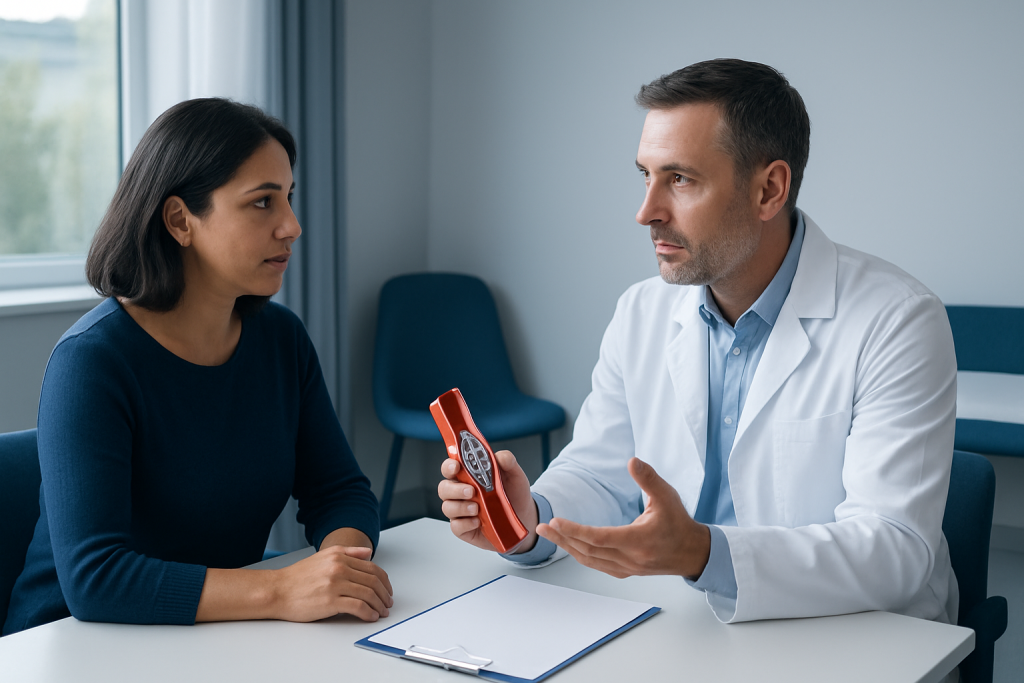
In most heart cases, the reason a stent is needed is atherosclerosis, a process in which fatty plaque builds up inside an artery wall and gradually narrows the channel. If plaque becomes unstable or ruptures, a clot can form and sharply reduce blood flow. That is why a narrowing that once caused mild symptoms can later become more serious.
Several factors make artery disease more likely. These include smoking, high blood pressure, high cholesterol, diabetes, excess body weight, reduced physical activity, chronic kidney disease, and a family history of early heart disease. Age also plays a role, though younger adults can develop significant disease as well.
Not every narrowing automatically needs a stent. Doctors consider the degree of blockage, the location of the narrowing, the presence of symptoms, heart function, stress-test or imaging findings, and whether medicines are controlling the condition well. In some situations, bypass surgery or medical therapy alone may be a better fit than a stent.
Diagnosis
Before recommending a stent, the care team usually tries to confirm both the problem and the best way to treat it. The evaluation often starts with a discussion of symptoms, risk factors, physical examination, and an electrocardiogram. Blood tests may be used if a heart attack is suspected or to check overall health before a procedure.
Imaging and functional tests help show how well the heart is working and whether blood flow is reduced. These may include echocardiography, stress testing, coronary CT angiography, or direct coronary angiography, which is the test that can also be used to place the stent during the same session if appropriate.
For patients arriving from another country, the diagnostic stage is often the point where coordination matters most. It helps to bring prior records, medication lists, and any recent test results so the team can decide quickly whether the issue is stable, urgent, or better managed without intervention.
Treatment Options
A stent is usually inserted as part of percutaneous coronary intervention, often called PCI or angioplasty. After the artery is reached with a catheter, a balloon may be inflated to open the narrowed area, and then the stent is expanded to help keep it open. Many stents are designed to release medicine slowly, which can reduce the chance of the artery narrowing again.
There are different types of stents, but the practical discussion for most patients is not the material itself; it is why the stent is being considered and what follow-up it requires. Because a stent can make clotting around the treated area more likely in the early period, doctors often prescribe antiplatelet medicines. Taking those medicines exactly as directed is a major part of treatment success.
Sometimes the best option is not a stent. If symptoms are mild, if the blockage is not flow-limiting, or if the anatomy is less suitable for PCI, doctors may recommend medication, lifestyle changes, or bypass surgery instead. A careful plan is especially important for patients who must travel home soon after treatment, because the timing of follow-up and medication supply needs to be arranged in advance.
Prevention & Self-care
After a stent, everyday choices become part of the treatment itself. The most important step is to take prescribed medicines consistently and not stop them without medical advice, even if symptoms improve. Missing antiplatelet treatment can increase the risk of clot formation in the stent, particularly early after placement.
Self-care also includes managing the factors that helped the artery narrow in the first place. A heart-healthy eating pattern, regular movement approved by the doctor, smoking cessation, blood pressure control, cholesterol management, and diabetes care can all support long-term stability. Cardiac rehabilitation may be recommended to help people return to activity in a structured, monitored way.
If travel is involved, practical planning matters. Patients may need a written summary of the procedure, a list of medicines, the expected duration of antiplatelet therapy, and clear instructions for what to do if symptoms recur after they return home. It is also wise to know where follow-up care will happen locally, especially if the patient has a complex heart history.
When to See a Doctor
Medical review is important if chest discomfort returns, becomes more frequent, or happens with less activity than before. Shortness of breath, dizziness, fainting, palpitations, or a sudden drop in exercise tolerance also deserve attention, even if they seem mild at first. These changes may signal that the heart needs reassessment.
After a stent procedure, urgent contact with a doctor is warranted for signs of bleeding that do not stop, swelling or severe pain at the catheter site, fever, worsening leg numbness, or sudden weakness. Severe chest pain, collapse, or breathing difficulty should be treated as emergency symptoms.
Acibadem Health Point’s multidisciplinary specialists and JCI-accredited hospitals diagnose and treat stent-related heart conditions for international patients, with attention to coordinated testing, procedure planning, and follow-up across borders. Even so, the safest path is always individualized care from a qualified cardiologist who knows the person’s full medical history.
Living With a Stent
Most people with a stent return to a normal routine over time, but the first weeks are a period of adjustment. It is common to have questions about activity, wound care, medicine schedules, and what sensations are expected versus concerning. Clear instructions from the care team can make this period much easier to navigate.
Follow-up visits help the doctor check symptom relief, blood pressure, medication tolerance, and overall heart health. If a patient lives abroad, telemedicine or shared-care arrangements may be useful, provided they are set up before discharge. The goal is not simply to “have had a stent,” but to build a manageable plan that continues after the hospital stay ends.
In the long run, the most successful outcomes usually come from treating the whole cardiovascular picture: the artery that was opened, the risk factors that contributed to the problem, and the daily habits that support healing. A stent can be an important tool, but it works best as part of ongoing, coordinated care.
Frequently asked questions
01What is a stent used for?
A stent is used to keep a narrowed passage open, most often a coronary artery in the heart. It helps blood flow more freely and may relieve symptoms such as chest pressure or shortness of breath. In some cases, it is placed during an urgent heart procedure.
02Is getting a stent a major surgery?
Stent placement is usually considered a minimally invasive procedure rather than open surgery. It is commonly done through a small catheter inserted in the wrist or groin. Recovery is often faster than with bypass surgery, though follow-up care is still important.
03How long does recovery take after a stent?
Recovery varies depending on the person’s overall health, whether the procedure was planned or urgent, and where the stent was placed. Many people resume light activity fairly soon, but they still need to follow specific instructions about exercise, wound care, and medicines. The doctor should guide the timeline.
04Will I need medicines after a stent?
Yes, many people need antiplatelet medicines after a stent to lower the risk of clotting around the treated area. Other medicines may also be prescribed to manage blood pressure, cholesterol, or chest symptoms. It is important not to stop any prescribed medicine without medical advice.
05Can a stent cure heart disease?
A stent can improve blood flow in a specific narrowed artery, but it does not cure the underlying tendency to develop plaque. Ongoing care for cholesterol, blood pressure, smoking, diabetes, and lifestyle habits remains important. Follow-up helps protect the result over time.
06What should someone do if chest pain returns after a stent?
New or returning chest pain should be taken seriously and discussed with a doctor promptly. If the pain is severe, comes with breathlessness, sweating, fainting, or nausea, emergency care is needed. It is better to seek evaluation early than to wait and hope the symptom passes.
This article is for general information only and is not a substitute for professional medical advice. Please consult a qualified doctor about your individual situation.
Persistent digestive symptoms? Get evaluated in Turkey
JCI-accredited · board-certified surgeons · reply within 24h
Add us as a Preferred Source to see more of our trusted health content across Google Search, AI Overviews and Discover.