Stent Meaning: How It Opens a Narrowed Artery

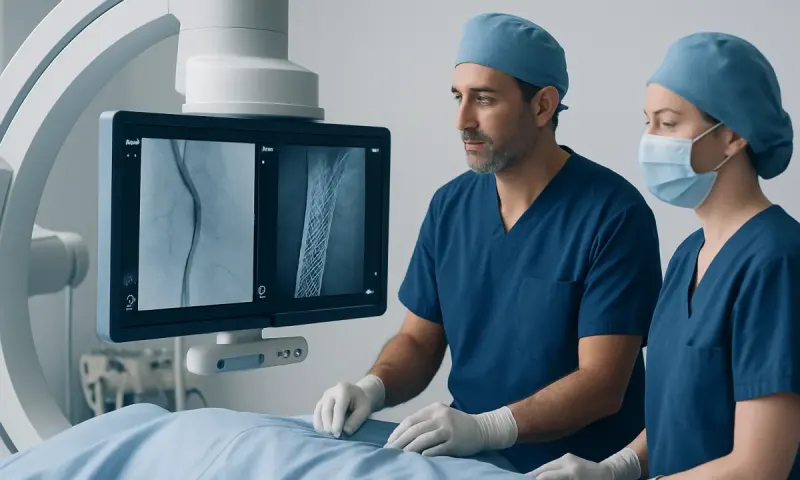
A stent is a small mesh tube placed inside a narrowed or blocked blood vessel to help keep it open. Most often used in the heart’s coronary arteries, it is usually inserted during angioplasty to restore blood flow and relieve symptoms such as chest pain.
What does stent mean?
A stent is a small, expandable tube that supports the inside of a narrowed or blocked blood vessel. In cardiology, it usually refers to a coronary stent, which is placed in an artery supplying blood to the heart muscle. The stent helps maintain blood flow after the narrowed area has been widened with a small balloon, a procedure called angioplasty.
Most coronary stents are made of metal mesh and are designed to stay in the artery permanently. Many are drug-eluting stents, meaning they slowly release medicine that reduces the chance of scar tissue narrowing the artery again. Stents can also be used in other parts of the body, such as certain arteries, bile ducts, airways, or urinary passages, but the procedure and recovery differ by location.
A coronary stent may be used to treat stable symptoms caused by coronary artery disease or as part of urgent treatment for a heart attack. It improves blood flow through a specific narrowed artery, but it does not remove the underlying tendency to develop artery plaque. Ongoing treatment for coronary artery disease remains important.
How a coronary stent works
Coronary arteries can become narrowed by fatty deposits, inflammation, and scar-like changes in the artery wall. If the narrowing limits blood flow, the heart may not receive enough oxygen during activity or stress. This can cause angina, often felt as chest pressure, tightness, or discomfort, although symptoms vary from person to person.
During angioplasty, a doctor guides a thin catheter through an artery in the wrist or groin to the heart. A balloon at the catheter tip is inflated briefly inside the narrowed section to widen it. The stent, mounted around the balloon or delivered through a separate system, expands against the artery wall and acts as an internal support.
Over time, the artery lining grows over the stent. Drug-eluting stents help limit excessive tissue growth during healing. A doctor may also discuss lifestyle changes, cardiac rehabilitation, cholesterol management, blood pressure control, diabetes care, and medicines that reduce future cardiovascular risk.
Who may be a candidate for a stent?

A stent is considered when testing shows a coronary artery narrowing that is likely to be causing symptoms or reducing blood flow to the heart. A person may have recurring chest pain despite medication, abnormal results on a stress test, or findings during coronary angiography that identify a treatable blockage. In an acute heart attack, urgent angioplasty and stenting can restore flow in a suddenly blocked coronary artery.
Not every narrowed artery requires a stent. For some people with stable coronary disease, medicines and risk-factor management are the most appropriate first approach. The decision depends on symptoms, the location and severity of narrowing, heart function, other medical conditions, kidney function, bleeding risk, and the person’s treatment goals.
Some blockages are too extensive, complex, or located in patterns better treated with Bypass Surgery: When a Second Opinion Can Change the Plan" class="ahp-ilk">coronary artery bypass surgery rather than stenting. A cardiology team uses angiography and, in selected cases, measurements of blood flow within the artery to make an individualized recommendation. The relevant procedure is often described as coronary angioplasty and stenting.
Stent procedure steps: what happens on the day?
Before the procedure, the care team reviews medical history, allergies, current medicines, kidney health, and bleeding risk. Blood tests, an electrocardiogram, and imaging or angiography may be needed. Patients receive specific instructions about eating, drinking, and medicines; they should not stop aspirin, blood thinners, diabetes medicines, or other prescriptions unless their clinician tells them to do so.
In the catheterization laboratory, local anesthetic numbs the wrist or groin access site. Sedation may be offered to help the person relax, but many patients remain awake and able to communicate. A catheter is guided through the blood vessel under X-ray imaging, and contrast dye helps the cardiologist see the coronary arteries.
If a suitable narrowing is found, a guidewire crosses the narrowed area. A balloon widens the artery, and the stent is expanded and positioned. The doctor then checks blood flow with imaging before removing the catheter. The procedure time varies depending on the number and complexity of arteries treated.
Afterward, pressure or a closure device is used at the access site to prevent bleeding. Monitoring continues while the team checks heart rhythm, blood pressure, symptoms, and the wrist or groin. Some people go home the same day or after an overnight stay, while others need longer monitoring because of a heart attack, other illness, or procedural complexity.
How long do you rest after getting a stent?
Rest needs vary, but most people take it easy for the first 24 to 48 hours after an uncomplicated coronary stent procedure. Walking around the home and doing gentle daily activities is commonly encouraged once the clinician says it is safe. Resting does not mean remaining in bed for days; safe, gradual movement can support recovery.
For several days, patients are usually advised to avoid strenuous exercise, heavy lifting, and activities that put pressure on the wrist or groin used for catheter access. The exact restrictions differ according to the access site, whether a heart attack occurred, and any complications. Driving, returning to work, and travel should be discussed with the treating team.
It is important to inspect the access site as instructed. Mild bruising or tenderness can be normal, but expanding swelling, persistent bleeding, increasing pain, numbness, coldness in the limb, or color changes need prompt medical advice. Following the discharge plan is more reliable than using a fixed recovery schedule found online.
How long does it take to heal from a stent procedure?
The small puncture site in the wrist or groin often feels better within several days and generally heals over about one to two weeks. Many people can resume routine, non-strenuous activities within a few days after a planned procedure. Recovery may take longer after a heart attack, treatment of multiple arteries, or if there are other health concerns.
Healing inside the artery is a longer process. The body gradually forms a lining over the stent, which is why antiplatelet medicines are prescribed after many procedures. These medicines reduce the risk of a dangerous blood clot forming inside the stent while healing occurs. The duration and combination of medicines are individualized; stopping them without medical guidance can be unsafe.
Feeling tired for a short period is common, especially after hospitalization or an acute cardiac event. Cardiac rehabilitation can provide supervised exercise, education, and support for returning to activity safely. A follow-up appointment allows the team to review recovery, symptoms, medicines, and risk-factor management.
How painful is getting a stent put in?
Getting a stent is usually not described as severely painful. Local anesthetic may sting briefly when it is injected, and there can be pressure or mild discomfort at the wrist or groin while the catheter is inserted. Sedation, when appropriate, can help a person feel more comfortable and relaxed.
When the balloon is inflated in the coronary artery, some people feel temporary chest pressure similar to their usual angina. This generally lasts only while the balloon is inflated. The care team watches closely for discomfort and can provide medicine if needed.
After the procedure, bruising, tenderness, or a small lump at the access site may occur. New, severe, or persistent chest pain should always be reported immediately rather than assumed to be a normal part of recovery.
Benefits, risks, and long-term life after a stent
The main potential benefit of a coronary stent is improved blood flow to heart muscle. This can relieve angina and improve the ability to be active. In the setting of a heart attack, urgently opening a blocked artery can limit damage to the heart. The expected benefit depends on why the stent is being placed and the person’s overall heart health.
Like all invasive procedures, stenting has risks. These include bleeding or bruising at the catheter site, allergic or kidney reactions to contrast dye, abnormal heart rhythms, artery injury, stroke, heart attack, infection, or the need for additional treatment. Serious complications are uncommon but possible, and the cardiology team discusses personal risks before treatment.
Stent thrombosis is a rare but serious clot within a stent, while restenosis means the artery becomes narrowed again. Taking antiplatelet medication exactly as prescribed, attending follow-up visits, and addressing smoking, high cholesterol, high blood pressure, diabetes, diet, and physical activity all help protect long-term heart health.
How long a person lives after a stent varies greatly and cannot be predicted by the stent alone. Many people live for many years after successful treatment. Outlook is influenced more broadly by the underlying heart disease, heart muscle function, whether a heart attack occurred, other health conditions, and long-term preventive care.
When to seek medical care
Emergency medical care is needed for chest pain, pressure, or tightness that is severe, persistent, returns after a stent procedure, or occurs with shortness of breath, sweating, nausea, fainting, or pain spreading to the arm, jaw, back, or shoulder. These symptoms may have causes other than a stent problem, but they should be assessed urgently.
Patients should contact their healthcare team promptly for fever, worsening redness or drainage at the access site, an enlarging lump, ongoing bleeding, or increasing limb pain. Bleeding that does not stop with firm pressure, a cold or pale hand or foot, or sudden weakness should be treated as urgent.
Acıbadem Health Point’s multidisciplinary specialists and JCI-accredited hospitals assess coronary artery disease and provide individualized interventional cardiology care for international patients. Follow-up care should always be coordinated with a qualified cardiologist, particularly before changing any prescribed medicine.
Frequently asked questions
01Is a stent the same as angioplasty?
No. Angioplasty is the technique of widening a narrowed blood vessel, usually with a small balloon. A stent is a small supporting tube that may be placed during angioplasty to help keep the vessel open afterward.
02How long do you rest after getting a stent?
After an uncomplicated procedure, many people rest and limit exertion for the first one to two days while still doing gentle walking. Heavy lifting and strenuous activity are often avoided for several days or longer depending on the access site and the reason for treatment. The treating cardiologist’s instructions should guide the return to normal activity.
03How long does it take to heal from a stent procedure?
The wrist or groin access site commonly improves over several days and usually heals within one to two weeks. Internal healing around the stent takes longer, which is one reason antiplatelet medicines may be needed for months or longer. Recovery can be slower after a heart attack or a more complex procedure.
04How painful is getting a stent put in?
Most people have local anesthetic and feel brief stinging, pressure, or mild discomfort rather than severe pain. Some may feel temporary chest pressure while the balloon is inflated. The care team monitors comfort throughout the procedure and can provide medication when needed.
05How long is life after a stent?
A stent itself does not set a person’s life expectancy. Many people live for many years after stenting, particularly when they take prescribed medicines and manage cardiovascular risk factors. Long-term outlook depends on the extent of heart disease, heart function, other health conditions, and continued follow-up care.
06Can a coronary stent become blocked again?
Yes, although modern stents and prescribed medicines reduce this risk. A clot can form in a stent, especially if antiplatelet medicines are stopped too soon, and narrowing can sometimes recur over time. New or recurring chest symptoms should be assessed promptly.
This article is for general information only and is not a substitute for professional medical advice. Please consult a qualified doctor about your individual situation.
Heart care in Turkey — expert evaluation and treatment
JCI-accredited · board-certified surgeons · reply within 24h
Add us as a Preferred Source to see more of our trusted health content across Google Search, AI Overviews and Discover.