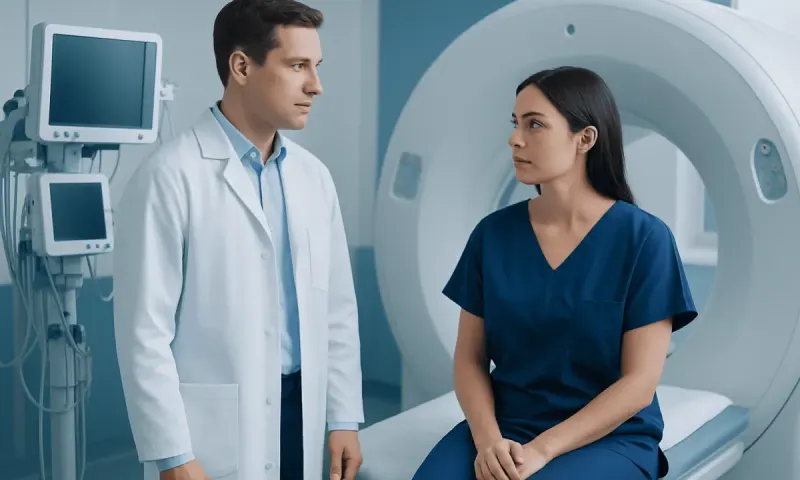
NHL Cancer: Diagnosis, Outlook, and Treatment Choices
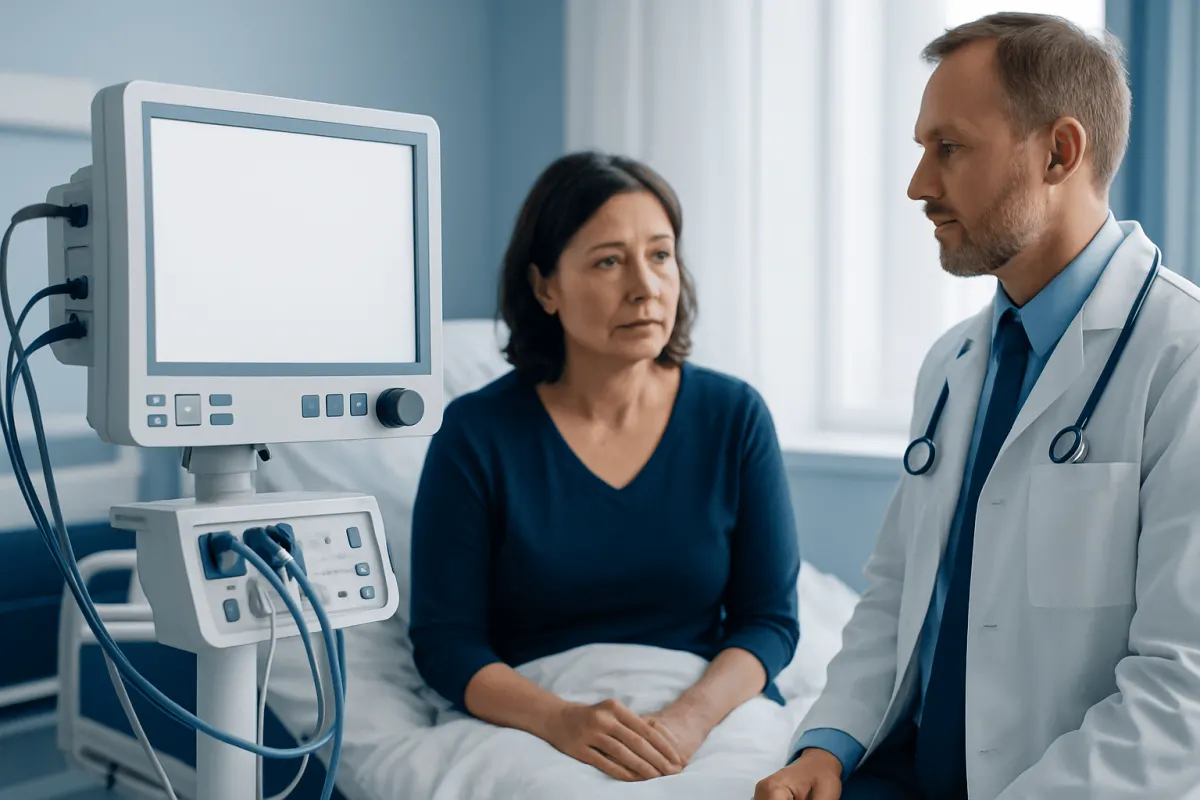
NHL cancer, also called non-Hodgkin lymphoma, is not one single disease but a broad group of cancers affecting lymphocytes, a type of white blood cell. Its outlook and treatment depend mainly on the exact subtype, how quickly it is growing, its stage, a person’s health, and biological test results.
NHL cancer: an overview
NHL cancer is the common term for non-Hodgkin lymphoma, a group of cancers that begin in lymphocytes. Lymphocytes are white blood cells that help the immune system recognize and respond to infection. They are found in lymph nodes, the spleen, bone marrow, blood, and other tissues throughout the body.
Non-Hodgkin lymphoma is different from Hodgkin lymphoma. The distinction is made by examining cells from a biopsy under a microscope and using specialized laboratory tests. NHL is most often a B-cell lymphoma, but it can also arise from T cells or, rarely, natural killer cells. Because there are many subtypes, there is no single treatment plan or single expected outcome for everyone with NHL cancer.
Some forms are indolent, meaning they tend to grow slowly and may be managed for many years. Others are aggressive and grow more quickly, but can often respond well to intensive treatment. Knowing the precise lymphoma subtype is therefore one of the most important steps in planning care.
Symptoms and when to seek medical care
A common sign of NHL cancer is a painless, persistent swelling in a lymph node, often in the neck, armpit, or groin. However, swollen lymph nodes are much more often caused by infections or other non-cancerous conditions. Lymphoma can also affect organs outside the lymph nodes, so symptoms vary according to the areas involved.
Possible symptoms include unexplained fever, drenching night sweats, unintentional weight loss, ongoing fatigue, itching, abdominal fullness, cough, shortness of breath, or recurrent infections. Fever, night sweats, and unintentional weight loss are sometimes called “B symptoms” and are important for staging and treatment planning.
Medical care should be sought for a lymph node that remains enlarged for several weeks, steadily grows, feels firm, or is accompanied by unexplained systemic symptoms. Urgent assessment is appropriate for severe breathlessness, chest pressure, new confusion, weakness, or rapidly worsening symptoms. A clinician can assess whether infection, an inflammatory condition, or lymphoma is more likely and arrange appropriate tests.
How NHL cancer is diagnosed and staged
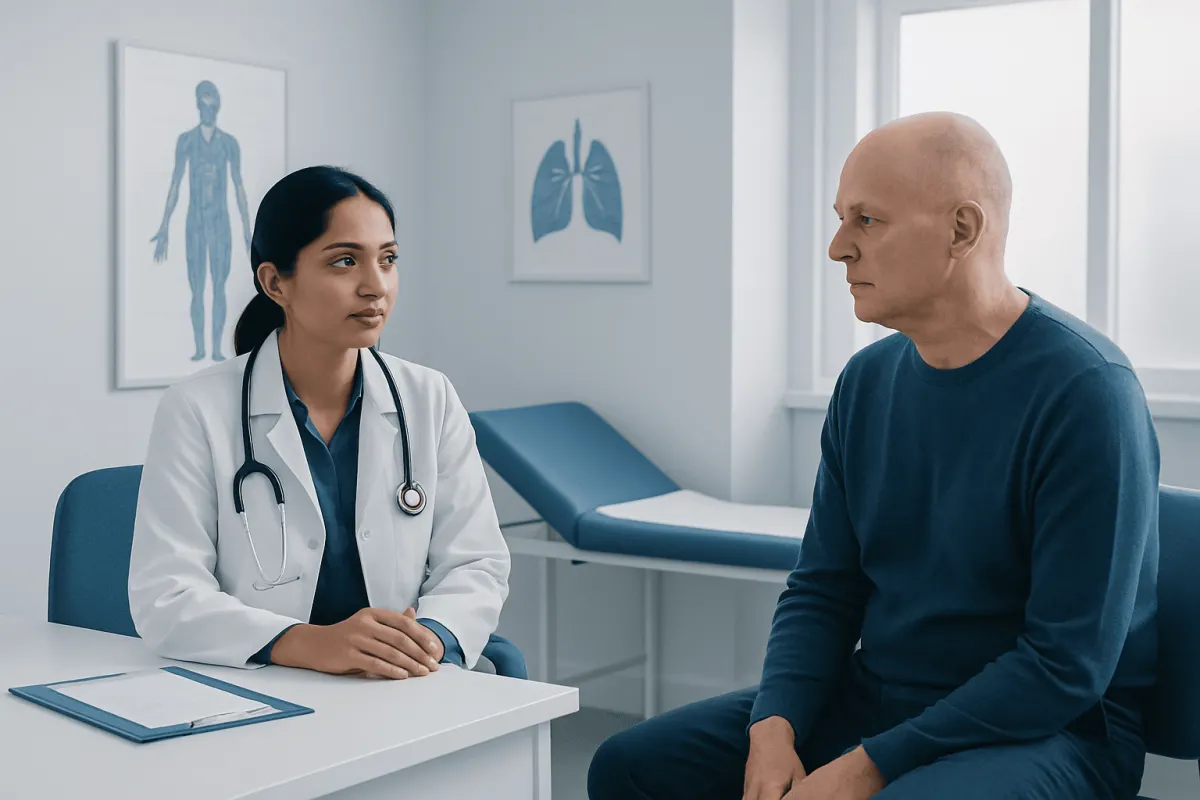
Diagnosis usually starts with a medical history, physical examination, and blood tests. Blood tests may show effects on blood cells, liver or kidney function, or inflammation, but they cannot diagnose non-Hodgkin lymphoma on their own. Imaging tests such as CT, PET-CT, or MRI may help identify enlarged lymph nodes or areas of disease elsewhere in the body.
A biopsy is essential. Whenever possible, doctors remove all or part of an enlarged lymph node so a pathologist can examine its structure and perform immunohistochemistry, flow cytometry, and genetic or molecular testing. These tests determine the lymphoma subtype and may identify features that influence treatment selection.
After diagnosis, staging shows where lymphoma is located. Many lymphomas are staged from I to IV, but stage alone does not define prognosis. Doctors also consider the subtype, rate of growth, symptoms, laboratory findings, age, fitness, and response to treatment. Bone marrow testing or additional scans may be recommended in selected cases.
For patients with related lymphatic malignancies, information on lymphoma can provide additional context, although a specialist’s pathology review remains necessary to establish the exact diagnosis.
What are the treatment options for Non-Hodgkin's lymphoma?
Treatment options for non-Hodgkin’s lymphoma are individualized. For certain slow-growing lymphomas that are not causing symptoms or threatening organ function, active surveillance may be appropriate. This approach, sometimes called watchful waiting, involves regular appointments and tests rather than immediate treatment. It is an active management plan, not a decision to ignore the condition.
When treatment is needed, options may include immunotherapy, targeted therapy, chemotherapy, radiation therapy, or combinations of these treatments. Monoclonal antibody medicines can target markers found on lymphoma cells, while targeted medicines act on particular pathways that support cancer-cell growth. Radiation may be used for localized disease, symptom control, or as part of combined treatment.
For some relapsed or high-risk lymphomas, treatment may include high-dose therapy followed by stem cell transplant. Chimeric antigen receptor T-cell therapy, often called CAR T-cell therapy, may be considered for selected people whose lymphoma has returned or has not responded adequately to earlier treatment. CAR T-cell therapy requires detailed specialist assessment because suitability depends on lymphoma type, prior treatment, overall health, and treatment availability.
Supportive care is also central to treatment. It can include infection prevention, vaccination planning, management of fatigue or nausea, nutrition support, fertility discussions before certain therapies, and emotional support. A multidisciplinary hematology-oncology team can help balance expected benefits, side effects, practical needs, and personal priorities.
How bad is stage 3 Hodgkin's lymphoma?
Stage 3 Hodgkin lymphoma means lymphoma is present in lymph node regions on both sides of the diaphragm, the muscle separating the chest from the abdomen. It is an advanced stage, but “advanced” does not mean untreatable. Many people with stage 3 Hodgkin lymphoma respond very well to modern therapy and can achieve long-term remission.
It is important not to apply Hodgkin lymphoma staging or outcomes directly to NHL cancer. Hodgkin lymphoma and non-Hodgkin lymphoma are different diseases, with different cell characteristics, treatment approaches, and prognosis factors. A stage 3 diagnosis in either condition should be interpreted in the context of the exact pathology report and the individual’s clinical situation.
For Hodgkin lymphoma, doctors consider symptoms, the size and location of affected areas, blood test results, age, and response on interim imaging when discussing outlook and treatment intensity. A hematologist or oncologist can explain what stage 3 means for the individual and outline the intended goals of therapy.
What is the survival rate for non-Hodgkin's lymphoma?
The survival rate for non-Hodgkin’s lymphoma varies substantially because NHL includes many diseases rather than one cancer. Some slower-growing types may be controlled over a long period but can recur, while some aggressive types require prompt therapy yet may be cured. For this reason, an overall survival figure can be less informative than subtype-specific information.
Population survival statistics are calculated from groups of people treated in previous years. They may not reflect newer therapies, differences in access to specialist care, or an individual’s biology and response to treatment. They also do not predict exactly what will happen for one person.
Factors that may influence outlook include the lymphoma subtype, stage, age, general health, symptoms, blood test results, genetic features of the lymphoma cells, and how well the condition responds to initial therapy. The treating team is best placed to discuss prognosis after the diagnostic evaluation is complete. Asking which subtype is present, whether the aim is cure or long-term control, and how treatment response will be assessed can help make these discussions clearer.
Living after treatment and follow-up care
After treatment, follow-up usually includes clinical examinations, discussion of symptoms, and tests when clinically needed. The schedule depends on the lymphoma subtype, treatment received, and whether there is any ongoing evidence of disease. Follow-up also focuses on late effects of treatment, which can include fatigue, infection risk, heart or thyroid effects after certain therapies, fertility concerns, or emotional wellbeing challenges.
Healthy routines can support recovery, including regular movement adjusted to energy levels, balanced nutrition, avoiding tobacco, moderating alcohol where appropriate, and keeping routine preventive care up to date. People should ask their healthcare team before receiving vaccines or supplements, particularly during or soon after treatments that affect the immune system.
Many people return to work, family life, travel, and other valued activities after lymphoma treatment, although the pace of recovery differs. Counseling, rehabilitation, peer support, and conversations about fear of recurrence can be helpful. Acıbadem Health Point’s multidisciplinary specialists in JCI-accredited hospitals evaluate and treat lymphoma for international patients, with care plans guided by the individual diagnosis and needs.
Frequently asked questions
01Can you live a normal life after Hodgkin's lymphoma?
Many people treated for Hodgkin lymphoma return to full, active lives after treatment. Recovery can take time, and some people need monitoring or support for lasting effects such as fatigue, fertility concerns, or emotional stress. Regular follow-up helps detect and manage treatment-related health needs.
02What are the treatment options for Non-Hodgkin's lymphoma?
Treatment may include active surveillance, immunotherapy, targeted medicines, chemotherapy, radiation therapy, stem cell transplant, or CAR T-cell therapy. The right option depends on the precise NHL subtype, how fast it is growing, stage, symptoms, prior treatments, and overall health. A specialist team uses biopsy and staging results to recommend an individualized plan.
03How bad is stage 3 Hodgkin's lymphoma?
Stage 3 Hodgkin lymphoma is considered advanced because lymph node areas are involved above and below the diaphragm. However, it is often treatable, and many people achieve remission with modern therapy. Its outlook depends on several factors beyond stage, including symptoms, test results, and response to treatment.
04What is the survival rate for non-Hodgkin's lymphoma?
There is no single survival rate that accurately describes all non-Hodgkin lymphomas because they include many biologically different subtypes. Outcomes can range from long-term disease control in indolent lymphoma to potential cure in some aggressive lymphomas. A doctor can provide more relevant information once the exact subtype and risk factors are known.
05Is NHL cancer curable?
Some aggressive non-Hodgkin lymphomas can be cured with initial treatment or with further therapy if they return. Other, slower-growing forms are often managed as long-term conditions and may go through periods of remission and recurrence. The treatment goal should be discussed with the hematology-oncology team for the specific subtype.
06Does every enlarged lymph node mean lymphoma?
No. Enlarged lymph nodes are commonly caused by infections, inflammation, or other non-cancerous reasons. A node that persists, enlarges, or occurs with unexplained fever, night sweats, weight loss, or other concerning symptoms should be assessed by a healthcare professional. A biopsy is needed to diagnose lymphoma.
This article is for general information only and is not a substitute for professional medical advice. Please consult a qualified doctor about your individual situation.
Medical weight-loss options in Turkey — costs & eligibility
JCI-accredited · board-certified surgeons · reply within 24h
Add us as a Preferred Source to see more of our trusted health content across Google Search, AI Overviews and Discover.