Cervical Cancer Vaccine: Prevention, Screening and Outlook
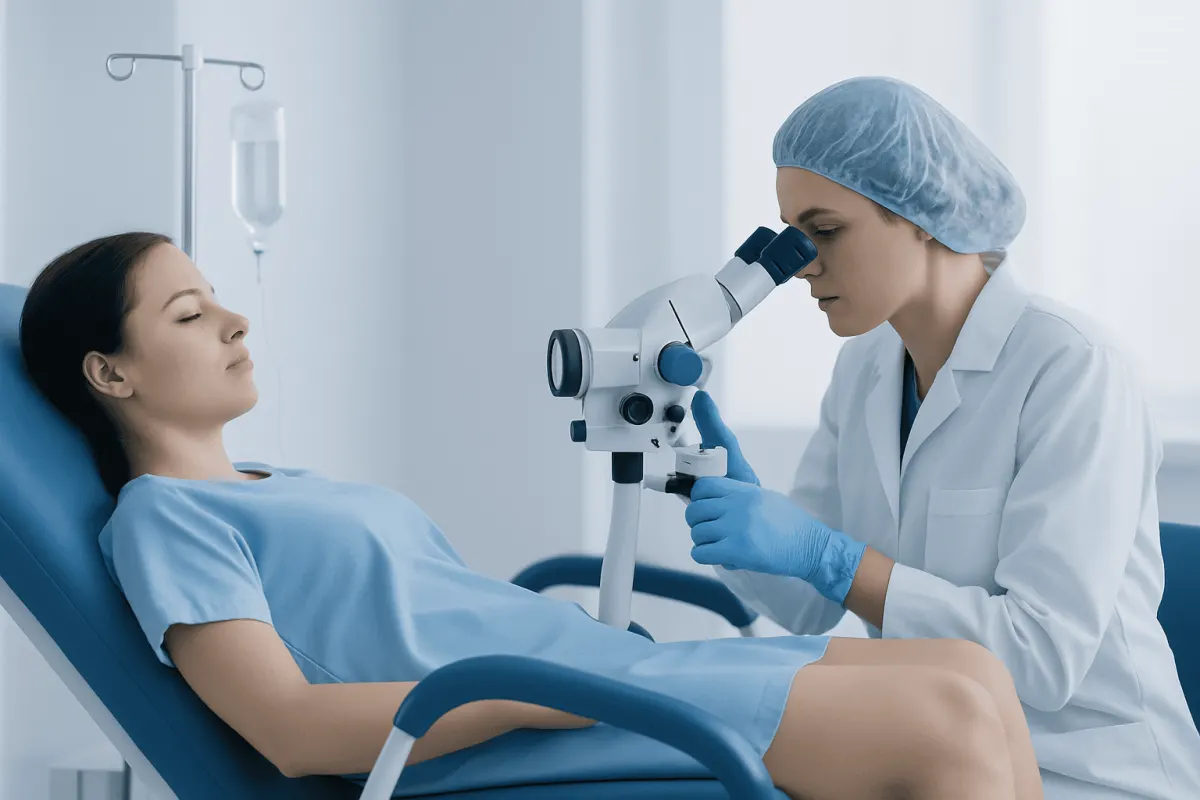
The cervical cancer vaccine is the HPV vaccine: it helps prevent the high-risk human papillomavirus infections responsible for most cervical cancers. It works best before HPV exposure, but screening remains important because vaccination does not prevent every cervical cancer.
Cervical cancer vaccine: the answer in brief
The cervical cancer vaccine is the human papillomavirus (HPV) vaccine. It protects against HPV types that cause most cervical cancers and can also reduce the risk of several other HPV-related cancers and genital warts. It is a preventive vaccine, meaning it stops many new infections rather than treating HPV already present in the body.
HPV is very common and is mainly passed through intimate skin-to-skin sexual contact. Most infections clear naturally, but some high-risk HPV infections persist and can gradually cause changes in cervical cells. Vaccination, together with regular cervical screening, offers the strongest practical approach to lowering cervical cancer risk.
National programs differ, so the appropriate vaccine schedule should be confirmed with a clinician or local public-health guidance. The vaccine has been extensively studied and monitored, and serious reactions are uncommon. A person’s age, immune status, previous doses, and likelihood of future HPV exposure all help guide an individual recommendation.
How HPV causes cervical cancer and how vaccination helps
HPV refers to a large group of viruses. Certain types are considered high risk because persistent infection can lead to precancerous changes in the cervix, the lower part of the uterus. Without detection and treatment, some high-grade cell changes may develop into cervical cancer over years.
Current HPV vaccines target several important HPV types, including those responsible for a large proportion of cervical cancers. By preventing infection before it becomes established, vaccination can reduce HPV-related precancers and, over time, cervical cancer rates. It may also protect against cancers of the anus, penis, vulva, vagina, mouth, and throat that are linked to HPV.
The vaccine does not contain live HPV and cannot cause HPV infection or cervical cancer. It also does not remove an existing HPV infection, reverse an abnormal smear or HPV test, or replace assessment for symptoms. People with a prior HPV infection may still benefit from vaccination because they may not have encountered every vaccine-covered HPV type.
Cervical cancer prevention also depends on screening. HPV testing, cervical cytology, or both can identify HPV infection and cell changes before cancer develops. Information about the disease itself is available in cervical cancer information.
Who should receive the HPV vaccine?

HPV vaccination is routinely offered in many countries during early adolescence, often before the onset of sexual activity. Immune response is especially strong at younger ages, and vaccination before exposure provides the greatest protection. Depending on the age at which vaccination begins, a person may need a shorter or longer series of doses.
Catch-up vaccination is commonly recommended for people who were not adequately vaccinated when younger. In many guidelines, this includes adults through age 26. People who start the series later in adolescence or who have certain immune conditions may be advised to receive additional doses because their immune response can differ.
For adults aged 27 to 45, vaccination may be considered after an individual discussion with a qualified clinician. Potential benefit varies: a person may have had previous HPV exposure, but may still be susceptible to some vaccine-covered types. This decision should take account of vaccination history, future risk of exposure, medical conditions, and local recommendations.
HPV vaccination is not usually given during pregnancy. If pregnancy begins after a dose is received, this is not generally considered a reason for alarm, but remaining doses are commonly delayed until after pregnancy. People with a history of a severe allergic reaction to a previous dose or vaccine component should seek specialist advice before further vaccination.
What is the controversy over the HPV vaccine?
Most discussion around HPV vaccination has focused on misinformation about safety, fertility, and the age at which vaccination should be offered. Extensive safety monitoring from public-health agencies worldwide has found that HPV vaccines have a reassuring safety profile. Common short-term effects include pain, redness, or swelling at the injection site, headache, tiredness, fever, or nausea.
Some adolescents and young adults may faint after any injection, including the HPV vaccine. For this reason, vaccination providers generally ask patients to sit or lie down and remain under observation for a short period afterward. Severe allergic reactions are rare, but urgent medical care is needed for symptoms such as breathing difficulty, facial swelling, widespread hives, or collapse.
Research has not shown that HPV vaccination causes infertility, autoimmune disease, or changes in sexual behavior. On the contrary, preventing HPV-related disease can help protect reproductive health by reducing the need for procedures used to treat cervical precancer. Questions or concerns should be discussed openly with a clinician, using reliable public-health sources rather than social-media claims.
What are the new HPV vaccine guidelines for 2026?
There is no single worldwide HPV vaccine guideline for 2026. Recommendations are issued by national health authorities and may be updated as evidence, vaccine supply, screening programs, and local disease patterns change. The most reliable source for a current schedule is the relevant ministry of health, national immunization program, or a clinician familiar with local guidance.
Across many established programs, routine vaccination remains focused on adolescents, with catch-up vaccination for those not previously fully vaccinated. Some health systems use one-dose schedules for certain age groups, while others continue to recommend two or three doses based on age at first vaccination and immune status. Immunocompromised individuals may need a different schedule.
In the United States, guidance from the Centers for Disease Control and Prevention has generally supported routine vaccination at ages 11 to 12, with vaccination possible from age 9, and catch-up vaccination through age 26. Adults aged 27 to 45 may consider vaccination through shared clinical decision-making. Guidance can change, so patients should verify the current recommendation before arranging vaccination.
Updated policies do not change the central message: vaccination and screening work together. Even after completing an HPV vaccine series, people with a cervix should follow local screening guidance appropriate to their age, prior results, and personal health history.
Why no HPV vaccine after 45?
HPV vaccines are generally not routinely recommended after age 45 because they prevent new infections rather than treat existing ones. By this age, many adults have already been exposed to one or more HPV types, so the average additional benefit from vaccination is expected to be smaller than it is for younger people.
This does not mean that every person over 45 has HPV, has no remaining risk, or cannot benefit biologically from protection against an HPV type they have not encountered. Rather, routine recommendations reflect the balance of likely population benefit, available evidence, and the fact that vaccination is most effective before exposure.
Adults over 45 who have questions about HPV risk, prior vaccination, new sexual partners, immune suppression, or cervical screening should speak with a gynecologist or primary-care clinician. The clinician can clarify whether vaccination is licensed or appropriate locally and, importantly, ensure that screening and follow-up are up to date.
What are the latest news on cervical cancer vaccines?
Recent developments in cervical cancer vaccine policy and research focus on making vaccination easier to deliver worldwide and increasing coverage. International health organizations have supported simplified schedules in selected groups where evidence shows strong protection, while maintaining additional-dose approaches for people whose immune systems may need extra support.
Research also continues into broader access, better delivery in underserved communities, and therapeutic vaccines designed to help the immune system target existing HPV-related precancer or cancer. Therapeutic vaccines remain different from routine preventive HPV vaccination. They are being studied in clinical research and are not a substitute for established screening or treatment.
Another important development is the growing emphasis on combining vaccination with high-quality HPV testing and timely treatment of precancerous changes. This integrated approach supports global efforts to reduce cervical cancer as a public-health problem. Individuals should be cautious about headlines suggesting a vaccine can cure established cervical cancer; currently available preventive HPV vaccines do not do this.
When cervical cancer is diagnosed, care is based on the cancer stage, tumor features, general health, and personal preferences. Options may include surgery, radiation therapy, chemotherapy, targeted therapy, immunotherapy, or a combination of treatments. Some patients may be evaluated for robotic surgery when it is clinically appropriate.
When to seek medical care
Vaccination should be discussed with a clinician if a person is due for routine HPV immunization, has missed recommended doses, has an immune condition, is pregnant, or has had a possible allergic reaction to a previous vaccine. A clinician can also advise on cervical screening intervals and the appropriate response to an abnormal HPV or cervical screening result.
Prompt medical assessment is important for unusual vaginal bleeding, including bleeding after sex, bleeding between periods, or bleeding after menopause. Persistent watery, bloody, or unpleasant-smelling vaginal discharge; pelvic pain; and pain during sex also deserve evaluation. These symptoms often have causes other than cancer, but they should not be ignored.
A person with an abnormal screening result should not assume that cancer is present. HPV infection and cervical cell changes are common, and many can be monitored or treated effectively before cancer develops. Acıbadem Health Point’s multidisciplinary specialists and JCI-accredited hospitals diagnose and treat cervical conditions and cancers for international patients.
Healthy prevention choices include attending screening appointments, avoiding tobacco, using barrier protection to reduce HPV transmission risk, and discussing HPV vaccination with a qualified healthcare professional. These steps can support long-term cervical health but cannot eliminate risk completely.
Frequently asked questions
01Does the cervical cancer vaccine prevent all cervical cancers?
No. The HPV vaccine protects against the HPV types responsible for most, but not all, cervical cancers. This is why regular cervical screening remains important even after full vaccination.
02Can someone receive the HPV vaccine if they are already sexually active?
Yes, many sexually active people may still benefit because they may not have encountered all HPV types covered by the vaccine. The degree of benefit depends on age, previous exposure, vaccination history, and future risk, so a clinician can provide individualized advice.
03Does an HPV vaccine treat an abnormal HPV test or abnormal cervical cells?
No. Preventive HPV vaccines do not clear existing HPV infection or treat abnormal cervical cells. Follow-up testing, monitoring, or treatment should be guided by a gynecologist or other qualified clinician.
04Is the HPV vaccine safe?
HPV vaccines have been extensively evaluated in clinical studies and monitored after introduction in public vaccination programs. Most side effects are mild and temporary, such as arm soreness, headache, fatigue, or a mild fever; severe allergic reactions are rare.
05Do men and boys need the HPV vaccine?
Yes. HPV can cause several cancers and genital warts in people of all sexes, and vaccination can help protect individuals and reduce transmission. Eligibility and scheduling depend on local guidelines and individual circumstances.
06Do vaccinated people still need cervical screening?
Yes. Vaccination lowers risk but does not provide complete protection against every cancer-causing HPV type. Screening can identify high-risk HPV infection and cell changes early, when they can usually be managed effectively.
This article is for general information only and is not a substitute for professional medical advice. Please consult a qualified doctor about your individual situation.
Oncology care in Turkey — second opinion and treatment plan
JCI-accredited · board-certified surgeons · reply within 24h
Add us as a Preferred Source to see more of our trusted health content across Google Search, AI Overviews and Discover.