Squint Eye Surgery Cost: What Shapes Your Estimate
The cost for squint eye surgery cannot be stated as one universal figure because it depends on the type of strabismus, number of eye muscles treated, facility and anesthesia fees, testing, follow-up care, location and insurance coverage. A specialist assessment and written cost estimate help patients understand both the expected medical care and any out-of-pocket responsibility.
Overview: what determines the cost for squint eye surgery?
Squint eye surgery is also called strabismus surgery. It is performed to improve the alignment of eyes that turn inward, outward, upward or downward. The operation changes the action of one or more eye muscles; it does not remove the eye or usually involve surgery inside the eyeball. People may pursue surgery to improve binocular vision, reduce double vision or abnormal head posture, support visual development in children, or improve the appearance of eye alignment.
The cost for squint eye surgery varies substantially between individuals and healthcare systems. A meaningful estimate needs to account for the surgeon’s assessment, the complexity of the eye-muscle problem, whether one or both eyes are treated, the operating facility, anesthesia, pre-operative testing, medication and follow-up care. If a patient is comparing a squint eye surgery cost in USA or another country, comparing a complete written treatment plan is more useful than comparing a single advertised figure.
Insurance policies may cover surgery when it is medically necessary, but coverage rules, deductibles, co-payments and preauthorization requirements differ. For people considering the cost of eye surgery without insurance, it is particularly important to ask whether the estimate includes all professional, facility and anesthesia charges, as well as the expected follow-up visits. The final cost for surgery eye care should be confirmed directly with the chosen hospital and insurer.
How squint surgery works and who may be a candidate
Strabismus occurs when the eyes do not point in the same direction at the same time. It can be present from childhood or develop later because of vision problems, nerve or muscle disorders, thyroid eye disease, trauma, stroke, or other health conditions. A detailed strabismus assessment helps identify the type of misalignment and whether other treatments are needed.
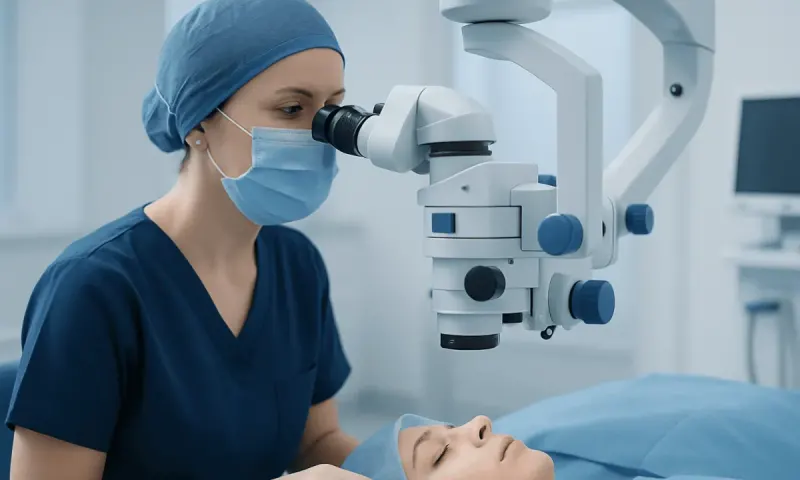
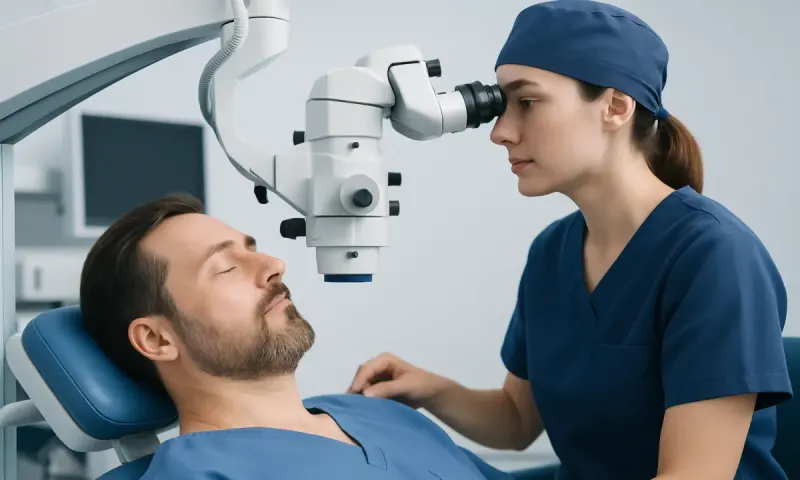
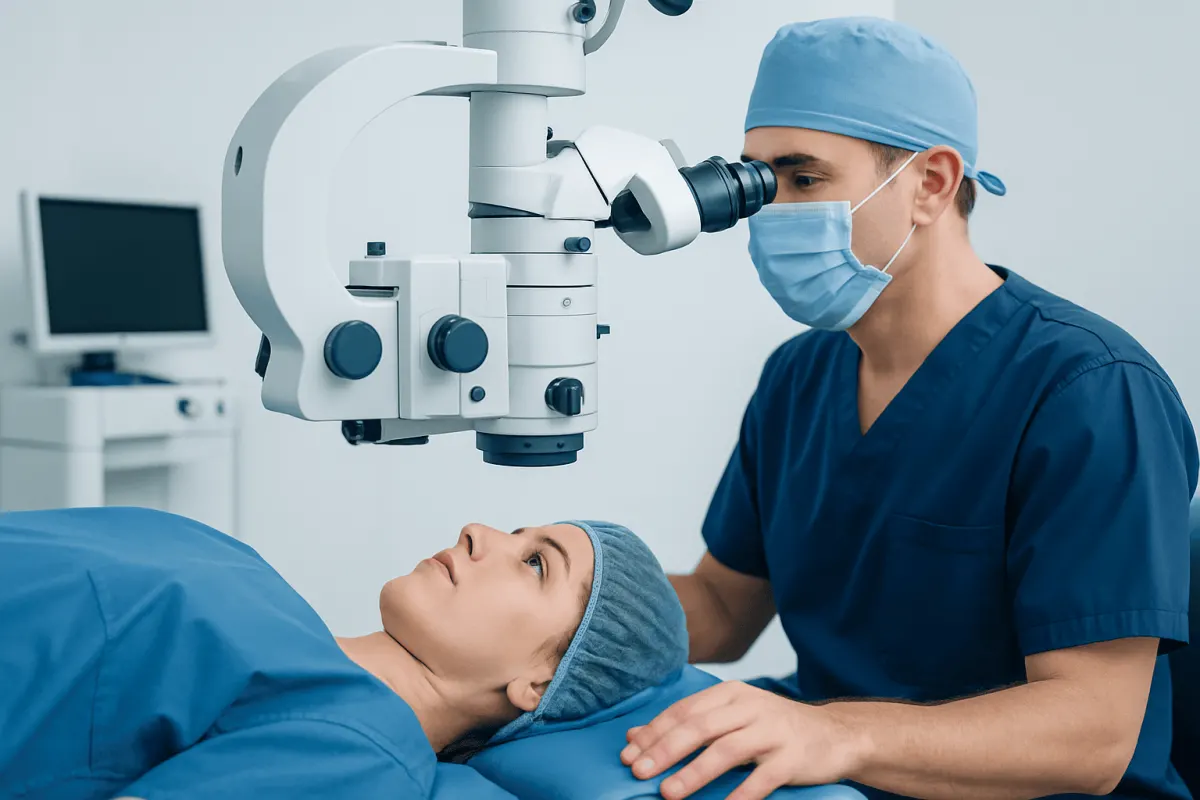
During surgery, the ophthalmic surgeon works on the muscles attached to the outside of the eye. A muscle may be weakened by moving its attachment farther back on the eye, strengthened by shortening or advancing it, or adjusted using another technique. The chosen plan depends on the direction and size of the deviation, vision in each eye, previous surgery, age and whether double vision is present.
Potential candidates include children whose alignment does not improve adequately with glasses, patching or other non-surgical care, and adults with persistent eye deviation, double vision, head turning or distress about their eye position. Surgery is not a substitute for treating reduced vision, cataracts, neurological conditions or other underlying causes. A pediatric ophthalmologist or strabismus specialist can advise whether surgery is appropriate and what outcome is realistic.
The procedure: assessment, surgery and immediate aftercare
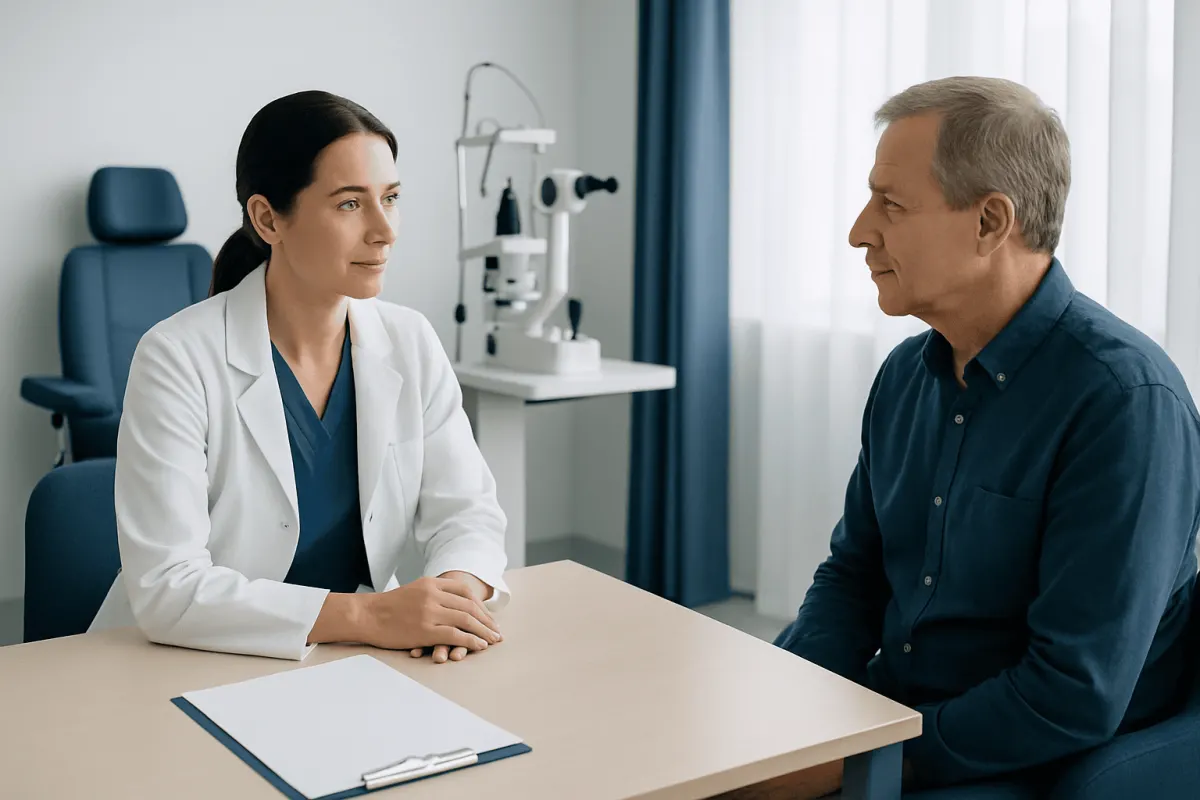
Before surgery, the specialist measures eye alignment in different directions of gaze and checks visual acuity, eye movements and the need for glasses. Children may require an examination adapted to their age. Adults who develop a new squint or double vision may need additional investigations to look for an underlying cause before proceeding with surgery.
On the day of the procedure, children generally receive general anesthesia. Adults may have general anesthesia or, in selected circumstances, local anesthesia with sedation. The surgeon makes a small incision in the conjunctiva, the transparent tissue covering the white of the eye, then reaches and repositions the planned eye muscles. Dissolving stitches are commonly used. Adjustable sutures may be considered for some adults, allowing fine adjustment shortly after surgery while the patient is awake.
Most procedures are completed as day surgery, although this depends on the patient’s health, age and local practice. The eye may look red and feel scratchy afterward, and short-term discomfort is common. The clinical team gives individual instructions about eye drops, pain relief, bathing, exercise, return to school or work and scheduled review appointments. Patients considering strabismus surgery should ask for a clear explanation of the planned muscles, anesthesia and recovery arrangements.
What affects squint surgery costs and insurance planning
Squint surgery costs reflect more than the operation itself. The total may include the consultation, detailed eye measurements, pre-operative medical review, laboratory or imaging tests when indicated, surgeon’s fee, anesthesia, operating room or hospital charges, surgical supplies, prescription drops and post-operative visits. More complex deviations, repeat procedures and surgery involving several muscles can require different resources than a straightforward operation.
Location also matters. The squint surgery cost in USA can vary among regions, hospitals, ambulatory surgical centers and insurance networks. Patients seeking the cost of eye surgery without insurance can request an itemized self-pay estimate and ask whether it covers anticipated follow-up, anesthesia and medications. It is sensible to clarify how unexpected clinical needs, such as additional testing or treatment after surgery, would be billed.
Before booking treatment, patients can contact their insurer to check network status, medical-necessity criteria, preauthorization, deductible and co-insurance responsibilities. They should also ask the provider’s financial counseling team for a written estimate and cancellation or revision policy. A lower initial quote may not represent lower overall expenses if it excludes essential parts of care, travel, recovery support or follow-up.
- Ask what is included in the quoted surgical package.
- Confirm whether one or both eyes and how many muscles are planned for treatment.
- Check insurance authorization requirements before surgery is scheduled.
- Discuss the likely need for future monitoring or, less commonly, further alignment treatment.
Recovery timeline, benefits and possible risks
Recovery varies, but many people return home on the same day. Redness, watering, mild swelling, light sensitivity and a gritty sensation commonly improve over the first days to weeks. The white of the eye can remain red for several weeks, and the final alignment is generally assessed over time rather than immediately after surgery. The surgeon will advise when it is safe to resume work, school, swimming, sports and contact-lens use.
The main potential benefits are better eye alignment, improved ability to use the eyes together in selected patients, less double vision, a more comfortable head position and improved confidence in social settings. In children, timely management may support the development of binocular vision, although the degree of benefit depends on the child’s age, diagnosis and vision before treatment.
All surgery has risks. These include pain, infection, bleeding, scarring, temporary blurred vision, a residual or recurrent squint, overcorrection, undercorrection and double vision. Rarely, there may be more serious complications affecting vision or eye movement. Some people need glasses, prism lenses, non-surgical treatment or additional surgery after the initial procedure. The surgeon can explain how these risks apply to the individual case and how they are reduced through careful planning and follow-up.
Is squint eye surgery 100% successful?
No operation can be described as 100% successful. Strabismus surgery often improves alignment, but the final result depends on the cause and size of the squint, the muscles involved, visual development, prior surgery and how the eyes heal. A small residual turn may remain, or alignment may change over time.
Success also means different things for different patients. For one person, the priority may be reducing double vision; for another, it may be achieving a more central eye position or improving an abnormal head posture. The specialist should discuss the intended outcome, alternatives and the possibility that future treatment could be needed before consent is given.
Is adult strabismus surgery worth it? What is the best age? How risky is it?
Is adult strabismus surgery worth it? It can be worthwhile when the likely benefits match the person’s goals and the clinical evaluation supports surgery. Adults may seek treatment for double vision, eye strain, head posture or appearance-related concerns, and age alone is not a reason to avoid assessment. An experienced strabismus specialist can explain whether surgery, prisms, glasses, observation or treatment of an underlying condition is the most suitable approach.
What is the best age to have strabismus surgery? There is no single best age for every patient. In children, early specialist review is important because untreated misalignment can affect visual development; the timing of surgery depends on the diagnosis and response to glasses or other treatment. Adults can also have effective surgery, including those with a childhood squint that persists or returns later in life.
How risky is squint surgery? It is a commonly performed eye procedure and serious complications are uncommon, but it is not risk-free. More frequent issues include temporary redness, discomfort, incomplete correction or double vision, while infection, significant bleeding and vision-threatening complications are rare. Prompt reporting of severe pain, worsening vision, increasing swelling, discharge, fever or persistent concerning double vision helps the surgical team assess recovery safely.
When to seek medical care
Any new eye misalignment in an adult should be assessed promptly, especially when it occurs with sudden double vision, a severe headache, weakness, facial drooping, difficulty speaking, loss of balance, eye pain or a change in vision. These symptoms can indicate an urgent medical problem and require emergency evaluation rather than waiting for a routine eye appointment.
Children should have timely eye assessment if a parent or caregiver notices a constant or recurrent eye turn, frequent head tilting, closing one eye in bright light, poor tracking, or concerns about vision. Although occasional brief drifting can occur in early infancy, persistent or new misalignment should not be assumed to resolve without professional review.
Acıbadem Health Point’s multidisciplinary specialists and JCI-accredited hospitals assess and treat strabismus for international patients. A consultation can help patients understand diagnosis, candidacy, recovery needs and the factors that shape an individualized surgical plan and cost estimate.
Frequently asked questions
01What is included in the cost for squint eye surgery?
A full estimate may include the specialist consultation, pre-operative measurements, anesthesia, surgeon’s fee, operating facility charges, medicines and follow-up care. What is included differs among hospitals and health systems, so patients should request an itemized written estimate.
02Does health insurance cover squint eye surgery?
Coverage depends on the insurance plan and the reason for surgery. When strabismus surgery is considered medically necessary, coverage may be available, but deductibles, co-payments, network rules and preauthorization can still affect out-of-pocket costs.
03Can squint surgery be done on both eyes?
Yes. Depending on the type of misalignment, the surgeon may operate on one eye or both eyes. Treating both eyes does not mean both eyes have the same problem; it may be the best way to balance eye-muscle forces.
04How long does squint eye surgery take?
The procedure length depends on the number of muscles treated, surgical technique and individual anatomy. Patients should also allow time for admission, anesthesia preparation, recovery monitoring and discharge instructions, particularly when it is performed as day surgery.
05Will glasses still be needed after strabismus surgery?
Many patients still need glasses after surgery because eye-muscle surgery corrects alignment rather than refractive errors such as farsightedness, nearsightedness or astigmatism. The eye specialist will advise whether a glasses prescription, prisms or other visual treatment remains helpful.
06Can a squint return after surgery?
A squint can persist, recur or change over time, even after initially good alignment. Follow-up appointments are important, and some patients benefit from glasses, prisms, exercises in selected cases or additional surgery.
This article is for general information only and is not a substitute for professional medical advice. Please consult a qualified doctor about your individual situation.
Joint and spine care in Turkey — expert assessment & treatment
JCI-accredited · board-certified surgeons · reply within 24h
Add us as a Preferred Source to see more of our trusted health content across Google Search, AI Overviews and Discover.