What Does Hooded Eyelid Surgery Cost?
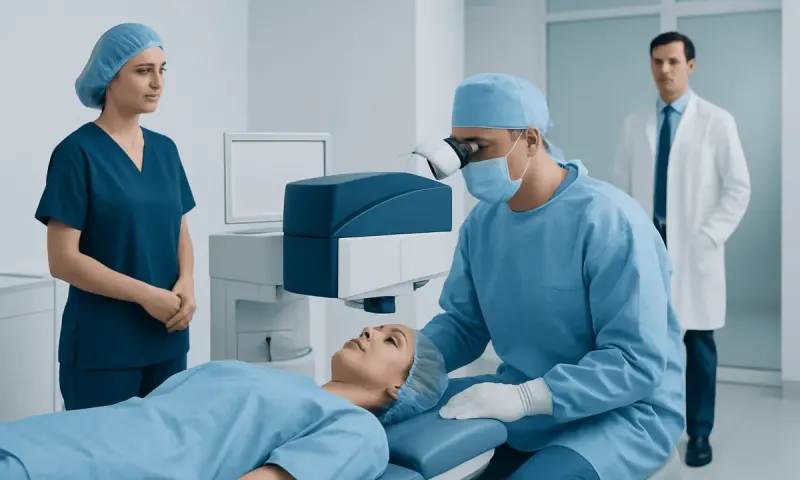
Hooded eyelid surgery cost cannot be reliably quoted without an examination because the plan may range from cosmetic upper eyelid reshaping to surgery that improves a documented visual-field obstruction. Patients should ask for an itemized estimate, understand what insurance may cover, and choose a qualified eye or plastic surgery specialist based on safety and appropriate care rather than price alone.
Overview: what determines hooded eyelid surgery cost?
Hooded eyelid surgery cost is individualized rather than fixed. The most meaningful estimate follows a consultation, during which a specialist determines whether the concern is excess upper-eyelid skin, a low eyebrow position, true eyelid drooping, fat prominence, or a combination of these. Each finding can change the recommended procedure, the surgical setting and the level of care required.
For cosmetic surgery, patients generally pay the full fee. A quoted hooded eyelid surgery price may include the surgeon’s professional fee, anesthesia, operating-room or clinic facility charges, medications, laboratory testing, garments or eye-care supplies, and post-operative visits. It is sensible to request a written, itemized plan and ask which items are included, which may be billed separately, and what is covered if additional care is needed.
Location can affect overhead and professional fees, so online searches such as “hooded eyelid surgery cost near Ohio” may return widely different figures. Comparisons are most useful when they involve similar procedures and safety standards. A lower advertised price may not include anesthesia, facility charges, follow-up visits or treatment of an underlying eyelid condition.
When upper-lid skin limits vision, the evaluation may focus on function as well as appearance. This is different from a purely cosmetic request. A specialist can explain whether the findings might meet an insurer’s medical-necessity requirements, but coverage decisions ultimately belong to the individual insurance plan.
How hooded eyelid surgery works and who may be a candidate
Hooded eyes describe an upper eyelid in which skin folds over or partly conceals the natural lid crease. This may be a normal inherited facial feature, develop with aging, or become more noticeable as the skin loses elasticity. In some people, excess skin creates a heavy feeling, irritation from skin rubbing, difficulty applying eye makeup, or reduced upper or side vision.
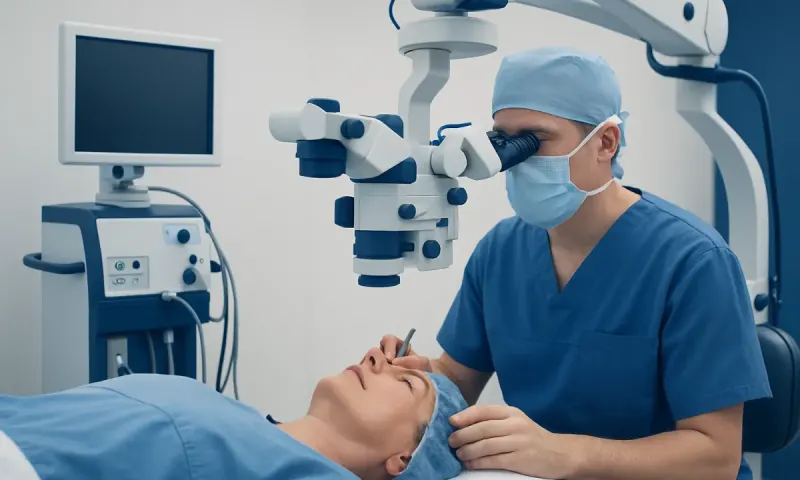
The usual procedure is upper blepharoplasty. Through an incision placed in the natural upper-lid crease, the surgeon removes a carefully planned amount of excess skin and may adjust small amounts of fat or muscle when clinically appropriate. The purpose is to preserve normal eyelid closure and achieve a result that suits the person’s eye shape and facial proportions. Learn more about blepharoplasty as a procedure.
Good candidates are generally in stable health, have realistic goals, understand that facial aging continues after surgery, and can follow recovery instructions. A thorough eye history is important, particularly for dry eye disease, glaucoma, thyroid eye disease, prior eye surgery, contact-lens use, bleeding conditions, or medications and supplements that may affect bleeding or healing.
Not all upper-lid heaviness is caused by excess skin. Ptosis is a drooping eyelid margin caused by weakness or altered function of the muscle that lifts the lid; it may need a different operation. Low brows can also press tissue toward the eyelids, making brow position part of the treatment discussion. Accurate diagnosis helps prevent an operation from addressing only part of the concern.
What happens before, during and after the procedure
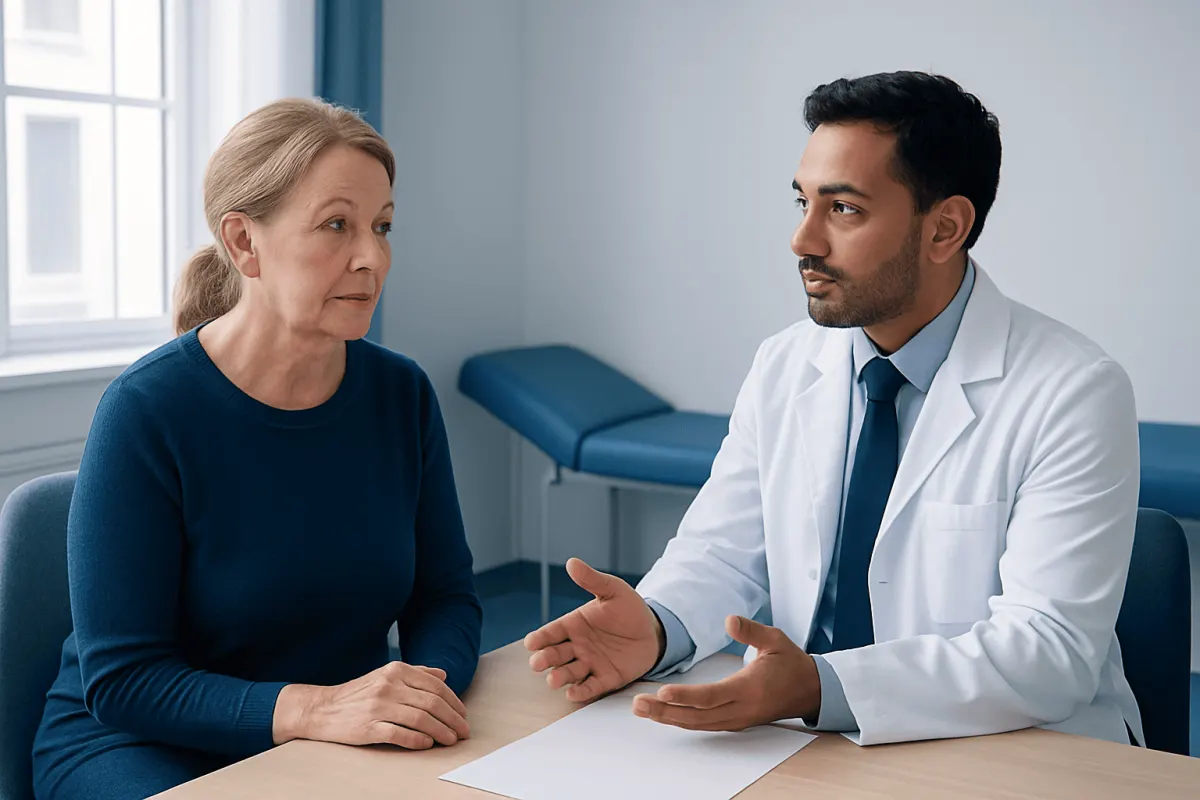
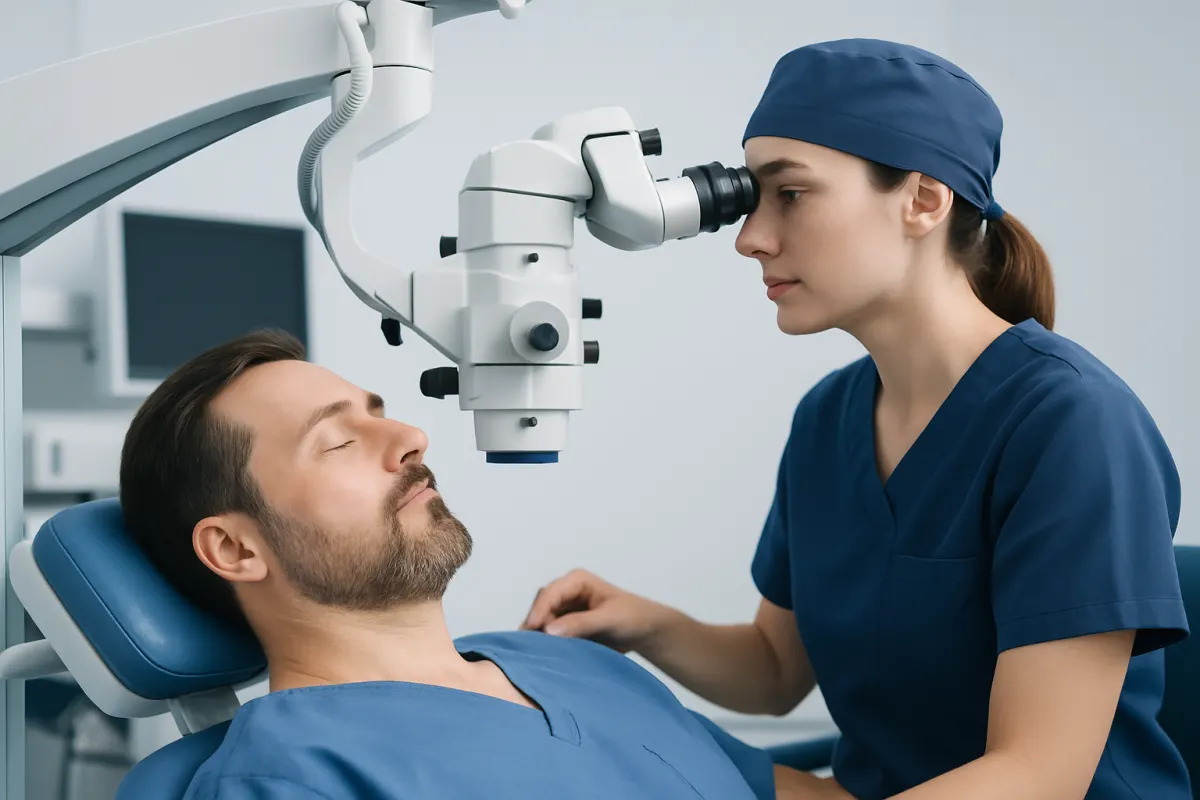
Before surgery, the clinician reviews medical history, allergies, medicines and expectations. They examine the eyelids, brow position, eye surface and eyelid closure. Standardized photographs may be taken. If vision obstruction is reported, visual-field testing and photographs may be used to document function for treatment planning or an insurance review.
Upper blepharoplasty is often an outpatient procedure. Depending on the surgical plan, it may be done with local anesthesia and sedation or with general anesthesia. After marking the planned crease while the patient is awake, the surgeon makes the incision, reshapes the necessary tissues conservatively, controls bleeding and closes the incision with fine sutures or another appropriate closure method.
Most people go home the same day with written instructions. Cold compresses, keeping the head elevated, prescribed or recommended eye care, and avoiding rubbing the eyes can help manage early swelling. Driving is usually not appropriate immediately after sedation or while vision is blurred, so patients should arrange transport and support for the first day.
Follow-up visits allow the team to check healing and remove sutures when needed. Swelling and bruising often improve substantially over the first one to two weeks, while subtle swelling, scar maturation and the final contour can continue to settle for several months. The exact recovery timeline differs according to the extent of surgery, skin quality and individual healing.
Benefits, risks and realistic expectations
Potential benefits include a less heavy upper-lid appearance, a more visible eyelid crease, easier eyelid hygiene or makeup application, and improved superior visual field when excess skin was functionally obstructive. The outcome should look balanced with the person’s facial features rather than identical to another person’s eyes.
All surgery carries risks. With eyelid surgery, temporary swelling, bruising, irritation, tearing, light sensitivity, dryness and blurred vision can occur. Less common but important complications include infection, bleeding, noticeable scarring, asymmetry, delayed healing, difficulty fully closing the eyelids, persistent dry-eye symptoms, changes in lid position and a need for revision surgery. Serious vision-threatening complications are rare but require urgent assessment.
Risk can be reduced by choosing an appropriately trained surgeon, sharing a complete medication and health history, stopping smoking or nicotine use when advised, and following aftercare guidance. Patients should not stop prescribed medicines on their own; the surgeon and prescribing clinician can advise whether any adjustment is safe.
Results are long-lasting, but surgery does not stop normal aging or changes in brow position. A careful consultation should address what improvement is medically realistic, whether a brow procedure or ptosis repair is more suitable, and whether both eyes need the same amount of correction.
What is the regret rate for blepharoplasty?
There is no single reliable regret rate for blepharoplasty that applies to every patient, surgeon, technique and reason for surgery. Satisfaction studies often report favorable results, but methods differ, and satisfaction is not the same as an absence of complications, revision needs or disappointment. Individual outcomes are influenced by anatomy, healing, expectations and communication with the surgical team.
Regret may arise when a person expected a dramatic change from a subtle procedure, did not anticipate the recovery period, developed asymmetry or dry-eye symptoms, or feels that the result does not fit their preferences. It can also occur if an unrecognized problem, such as ptosis or low brows, was not addressed in the original plan.
Patients can lower the chance of dissatisfaction by discussing goals in concrete terms, reviewing before-and-after examples only as illustrations rather than promises, and asking how the surgeon evaluates symmetry, dry eyes and eyelid closure. It is also reasonable to ask about revision policies, the expected healing milestones and when a final result can be assessed.
Taking time to decide is important. Cosmetic surgery is elective, and a qualified clinician should support an informed decision without pressure. If concerns about body image, anxiety or expectations feel overwhelming, discussing them with a trusted healthcare professional before surgery can be helpful.
How to get insurance to pay for hooded eyes?
Insurance may cover upper-eyelid surgery when it is considered medically necessary rather than cosmetic. This usually means there is documented functional impairment, such as upper visual-field loss from excess lid skin or eyelid drooping. Requirements vary substantially among insurers, policies and regions, so prior approval is often necessary.
The first step is an evaluation by an ophthalmologist, oculoplastic surgeon or another appropriately qualified specialist. The assessment may include photographs, eyelid measurements, documented symptoms and formal visual-field testing. The clinician’s records must show how the eyelid condition affects function and how the proposed operation is expected to address that impairment.
Patients should contact their insurer before scheduling surgery and ask about eligibility criteria, preauthorization, required documentation, network rules, deductibles, co-payments and exclusions. They should request written confirmation whenever possible. A clinic can help submit records, but it cannot guarantee coverage or override an insurer’s decision.
Even if a functional component is approved, cosmetic additions may not be covered. An itemized discussion before surgery can clarify which parts of care are insurance-billed and which are self-funded. People considering treatment abroad should also confirm whether their home insurance has any reimbursement policy for care received outside their country.
How painful is hooded eye surgery? Can hooded eyes improve without surgery?
Hooded eye surgery is usually described as causing pressure, tightness or mild discomfort rather than severe pain. Anesthesia prevents pain during the procedure, and discomfort afterward is commonly managed with the surgeon’s recommended approach. Bruising, swelling, temporary numbness, watery eyes and a gritty or dry feeling may be more noticeable than pain during the first days of recovery.
Severe or increasing pain, sudden reduction in vision, marked one-sided swelling, persistent bleeding, fever or discharge should not be considered routine recovery symptoms. Patients should contact the surgical team promptly or seek urgent medical assessment if these occur.
Non-surgical measures cannot remove meaningful excess skin or correct true ptosis. However, treating allergies, improving sleep, using cold compresses for temporary puffiness, managing dry-eye symptoms under professional guidance, and using makeup techniques may improve comfort or appearance for some people. Injectable or energy-based cosmetic treatments may be discussed in selected cases, but they do not replace surgery for significant skin excess and can carry their own risks around the eyes.
People who have a sudden new drooping eyelid, a new difference between the eyes, double vision, weakness, severe headache or other neurological symptoms should seek urgent medical evaluation. These signs are not typical of ordinary age-related hooding and need timely assessment.
When to seek medical care and planning support
A routine medical appointment is appropriate when upper-lid heaviness affects vision, reading, driving, work tasks, eye comfort or confidence, or when the eyelids seem to be changing over time. An eye specialist can distinguish excess skin from ptosis, brow descent, dry-eye disease and other conditions that may need a different approach.
Urgent care is needed for sudden eyelid drooping, new facial weakness, double vision, vision loss, severe eye pain, a severe headache, or an injury involving the eye or eyelid. These symptoms can have causes unrelated to cosmetic concerns and should be assessed without delay.
For planned surgery, patients benefit from comparing complete care plans rather than focusing only on hooded eyelid surgery costs. Useful questions include who will perform the operation, where it will take place, what anesthesia is recommended, what aftercare is included, how complications are handled, and when normal activities can safely resume.
Acıbadem Health Point’s multidisciplinary specialists and JCI-accredited hospitals assess eyelid concerns and provide treatment planning for international patients. A consultation should always result in an individualized recommendation based on eye health, functional needs and personal goals.
Frequently asked questions
01What is included in hooded eyelid surgery cost?
The total cost may include consultation, surgeon fees, anesthesia, facility use, tests, medications, supplies and follow-up appointments. What is included differs by provider and country, so patients should ask for a written itemized estimate before committing to surgery.
02What is the regret rate for blepharoplasty?
There is no universal, evidence-based regret percentage that accurately predicts an individual’s experience. Satisfaction is often high when goals are realistic and the correct eyelid problem is treated, but complications, healing differences and unmet expectations can lead to dissatisfaction or revision.
03How can insurance pay for hooded eyes?
Insurance may pay when excess upper-lid skin or eyelid drooping causes a documented functional problem, particularly visual-field obstruction, and the plan’s criteria are met. The insurer may require clinical photographs, measurements, visual-field testing and preauthorization; cosmetic surgery is usually excluded.
04How painful is hooded eye surgery?
Most patients experience mild to moderate discomfort, tightness or irritation rather than severe pain. Swelling, bruising, dry-eye sensations and temporary blurred vision are common early effects, while severe or worsening pain should be reported promptly to the care team.
05Can hooded eyes be corrected without surgery?
Non-surgical strategies may temporarily reduce puffiness or help the appearance of mild hooding, but they cannot remove excess skin or repair true eyelid drooping. A specialist can explain whether observation, symptom treatment, cosmetic options or surgery is most appropriate.
06How long does recovery from upper blepharoplasty take?
Visible bruising and swelling commonly improve over one to two weeks, although people heal at different speeds. More subtle swelling and scar maturation may continue for several months, and the surgeon will advise when activities, exercise, contact lenses and makeup can be resumed.
This article is for general information only and is not a substitute for professional medical advice. Please consult a qualified doctor about your individual situation.
Explore treatments in Turkey — costs, top hospitals & a free quote
JCI-accredited · board-certified surgeons · reply within 24h
Add us as a Preferred Source to see more of our trusted health content across Google Search, AI Overviews and Discover.