Squash Hand Injuries: Symptoms, Care, and Recovery
Squash hands is an informal term for hand, finger, wrist or thumb problems caused by playing squash. These injuries may result from a ball or racket impact, a fall, repetitive gripping, or sudden twisting, and most improve with timely assessment and appropriate care.
What Are Squash Hands?
Squash hands is a non-medical phrase used to describe hand-related problems that develop during or after playing squash. It can refer to a sudden injury, such as being hit by the ball or racket, jamming a finger against a wall, or falling onto an outstretched hand. It may also describe pain that builds gradually through repeated gripping, swinging and wrist movement.
The hand and wrist contain many small bones, joints, ligaments, tendons and nerves. Because squash is a fast sport played in a confined court, even a seemingly minor injury can affect grip, finger movement or the ability to return to play comfortably. The exact cause matters, as the right approach for a bruise is different from the care needed for a fracture, ligament tear or tendon injury.
Many cases are manageable with rest and sensible self-care, but continuing to play through significant pain can delay recovery. A clinician can assess the injury and advise when it is safe to resume training and competition.
Common Patterns of Hand and Wrist Injury in Squash
Acute injuries happen at a clear moment. A direct impact can cause bruising, swelling or a cut. A finger may be sprained or dislocated when it is forced backward or sideways. Falls can injure the wrist, including the scaphoid, a small bone near the base of the thumb that may need prompt assessment because some fractures are not obvious at first.
Overuse injuries develop over days or weeks. Repetitive gripping and rapid changes in racket direction can irritate tendons around the wrist or thumb. Pain on the thumb side of the wrist, aching with gripping, or discomfort after longer matches may reflect tendon overload. Similar symptoms can occur with carpal tunnel syndrome, although this condition is not caused by squash alone and should be diagnosed by a clinician.
Players may also develop skin blisters or calluses from friction. These are usually less serious but can become painful enough to alter grip and technique. Changes in technique can place extra stress on the wrist, elbow or shoulder, so treating the underlying issue is helpful rather than simply playing around it.
- Finger bruises, sprains and joint injuries
- Hand or wrist fractures after impact or a fall
- Thumb ligament injuries and tendon irritation
- Wrist sprains and repetitive strain
- Blisters, cuts and grip-related skin irritation
Symptoms That Need Attention

Symptoms vary depending on the structure involved. A bruise commonly causes local tenderness and skin discoloration. A sprain can produce pain, swelling and reduced movement around a finger, thumb or wrist. Tendon-related problems often cause pain with gripping, lifting, swinging or moving the thumb and wrist in particular directions.
Some symptoms suggest a potentially more significant injury. These include severe or rapidly increasing swelling, a visible change in shape, inability to move a finger normally, loss of grip strength, or pain over a specific bone after a fall. A clicking sensation, a finger that catches or remains bent, and persistent thumb-side wrist pain also deserve assessment.
Numbness, tingling, weakness or a cold, pale or blue finger may indicate pressure on a nerve or reduced blood flow. These symptoms should not be ignored. An injury can look mild externally while affecting deeper structures, particularly if swelling occurs quickly or movement is limited.
Why Squash Can Stress the Hands
Squash requires firm but responsive racket control. Rapid forehand and backhand strokes repeatedly load the fingers, palm and wrist, especially when technique is inefficient or the grip is overly tight. Sudden deceleration after a powerful swing can also strain muscles and tendons.
Risk may increase when a player returns too quickly after a break, sharply increases training volume, uses a racket or grip size that does not suit their hand, or plays while fatigued. Cold muscles and joints are less prepared for fast movement, while poor footwork can make an awkward reach or fall more likely.
Previous hand or wrist injuries may contribute to ongoing stiffness, weakness or altered movement patterns. Arthritis, reduced bone strength, diabetes and some inflammatory conditions can also influence injury risk or healing. These factors do not mean a person cannot play squash, but they make individualized guidance more important.
How a Hand Injury Is Diagnosed
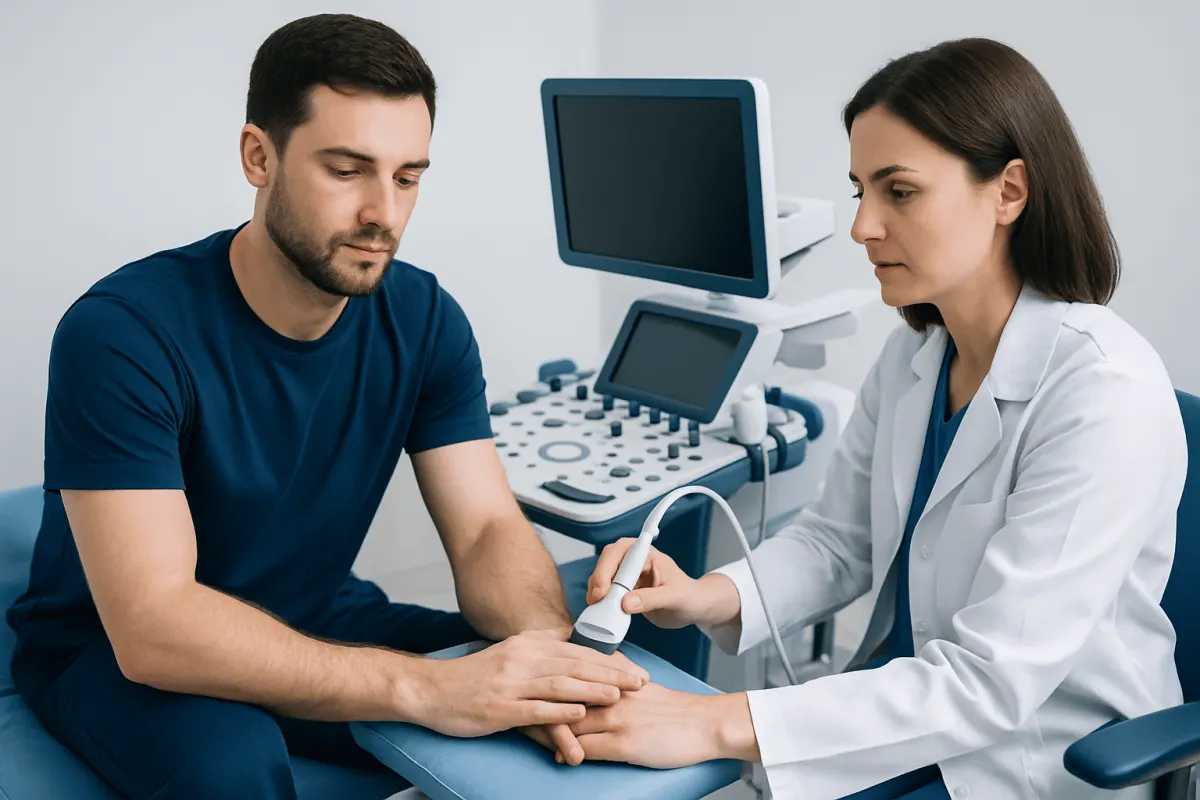
A healthcare professional will usually ask how the injury occurred, when symptoms began, which movements provoke pain and whether there is numbness or weakness. They will examine swelling, alignment, skin changes, sensation, circulation, joint stability and range of movement. Comparing the affected hand with the other hand can be useful.
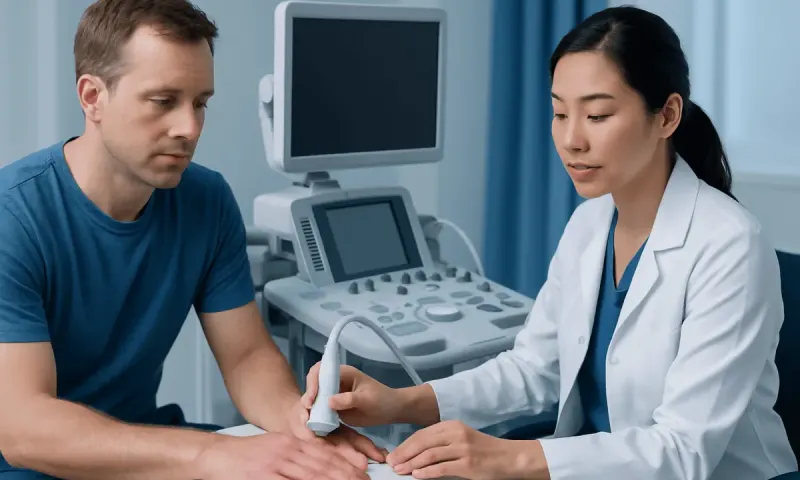
Imaging is not required for every injury. However, an X-ray may be recommended when there is bony tenderness, significant swelling, deformity, or concern about a fracture or dislocation. Ultrasound, magnetic resonance imaging (MRI) or other tests may be considered when tendon, ligament or occult bone injury is suspected.
Early diagnosis is particularly important for fractures, dislocations and certain tendon injuries. Appropriate evaluation can help protect long-term hand function and reduce the risk of persistent pain, stiffness or reduced grip.
Treatment and Recovery
For a mild injury without warning signs, initial care often includes stopping the activity that caused pain, protecting the hand and using a wrapped cold pack for short periods to help with discomfort and swelling. Keeping the hand elevated when practical may also help. Rings should be removed early if swelling is present or expected.
Over-the-counter pain relief may be appropriate for some people, but it should be used according to the product label and after checking with a pharmacist or clinician if there are medical conditions, pregnancy, allergies or regular medicines to consider. Do not attempt to straighten a visibly deformed finger or wrist, or force a painful joint back into position.
Depending on the diagnosis, treatment may include a splint, buddy taping of an injured finger, temporary activity modification, supervised exercises, or referral to a hand specialist. Fractures, dislocations, major ligament injuries and tendon tears sometimes need procedures or surgery. Hand surgery may be considered when repair or stabilization is needed to restore function.
Rehabilitation should progress gradually. A physiotherapist or hand therapist may guide mobility, strength and grip exercises once they are safe. Return to squash should be based on comfortable movement, restored strength and the ability to grip and swing without symptoms, rather than on a fixed timetable.
Prevention and Safer Return to Play
Preparation is one of the most practical ways to reduce squash hand injuries. A brief warm-up should include general movement followed by gentle wrist, hand, shoulder and forearm preparation. Training load should build gradually, particularly after illness, injury or time away from the sport.
Players can benefit from reviewing racket grip size, grip condition and stroke technique with a qualified coach. A relaxed but controlled grip may reduce unnecessary forearm and wrist tension. Replacing a worn grip, improving footwork and avoiding play when marked fatigue affects coordination can also be helpful.
Protective eyewear is essential in squash because ball and racket injuries can occur quickly. Although gloves are not routinely needed, they may be considered for comfort or friction protection if appropriate for the player. Any blister or cut should be kept clean and covered before returning to play.
For people with recurrent symptoms, an assessment of technique, training schedule and underlying hand or wrist health is sensible. Acıbadem Health Point’s multidisciplinary specialists and JCI-accredited hospitals can assess and treat hand and sports-related injuries for international patients.
When to Seek Medical Care
Urgent medical care is appropriate after a major impact or fall if there is a visible deformity, an open wound, uncontrolled bleeding, severe pain, inability to move the fingers or wrist, or signs of altered circulation such as a pale, blue, cold or numb finger. These symptoms can indicate an injury that should be treated promptly.
A medical review is also recommended for swelling or pain that does not begin to improve after a short period of protection, pain over the thumb side of the wrist after a fall, repeated catching or locking of a finger, persistent tingling, or weakness that affects everyday tasks. It is safer to have a possible fracture or tendon injury assessed than to continue playing and risk worsening it.
People who have diabetes, reduced sensation in the hands, bleeding disorders, use blood-thinning medicines, or have known bone disease should seek advice sooner after a hand injury. A qualified clinician can recommend the most suitable next step based on the injury and the person’s overall health.
Frequently asked questions
01What does squash hands mean?
Squash hands is an informal term for hand, finger, thumb or wrist problems linked to playing squash. It may describe a direct impact injury, a fall-related injury, or pain caused by repetitive gripping and swinging.
02Can a squash ball break a finger?
A squash ball or racket impact can cause bruising, sprains and, less commonly, fractures, particularly if the finger is struck forcefully or bent awkwardly. A finger that looks crooked, is very swollen, or cannot be moved normally should be assessed promptly.
03Should a player keep playing with hand pain?
Playing through significant pain is not recommended because it may worsen a tendon, ligament or bone injury. Stopping play and seeking advice is sensible if pain changes grip, movement or stroke mechanics, or if swelling and weakness are present.
04How long does it take for a squash hand injury to heal?
Recovery time depends on the diagnosis, severity and the treatment needed. Minor bruises or mild sprains may settle relatively quickly, while fractures, tendon injuries and significant ligament injuries can require longer protection and rehabilitation.
05Is wrist pain after squash always tendonitis?
No. Wrist pain can arise from tendon overload, a sprain, joint irritation, nerve compression or a fracture after a fall. Persistent pain, especially pain near the base of the thumb, should be evaluated to identify the cause.
06Can taping help a finger injury from squash?
Buddy taping may be useful for selected minor finger sprains, but it is not suitable for every injury. A clinician should assess deformity, severe swelling, marked tenderness or limited movement before taping is used as treatment.
This article is for general information only and is not a substitute for professional medical advice. Please consult a qualified doctor about your individual situation.
Joint and spine care in Turkey — expert assessment & treatment
JCI-accredited · board-certified surgeons · reply within 24h
Add us as a Preferred Source to see more of our trusted health content across Google Search, AI Overviews and Discover.