Right Hand Swelling: Causes and When to Seek Care
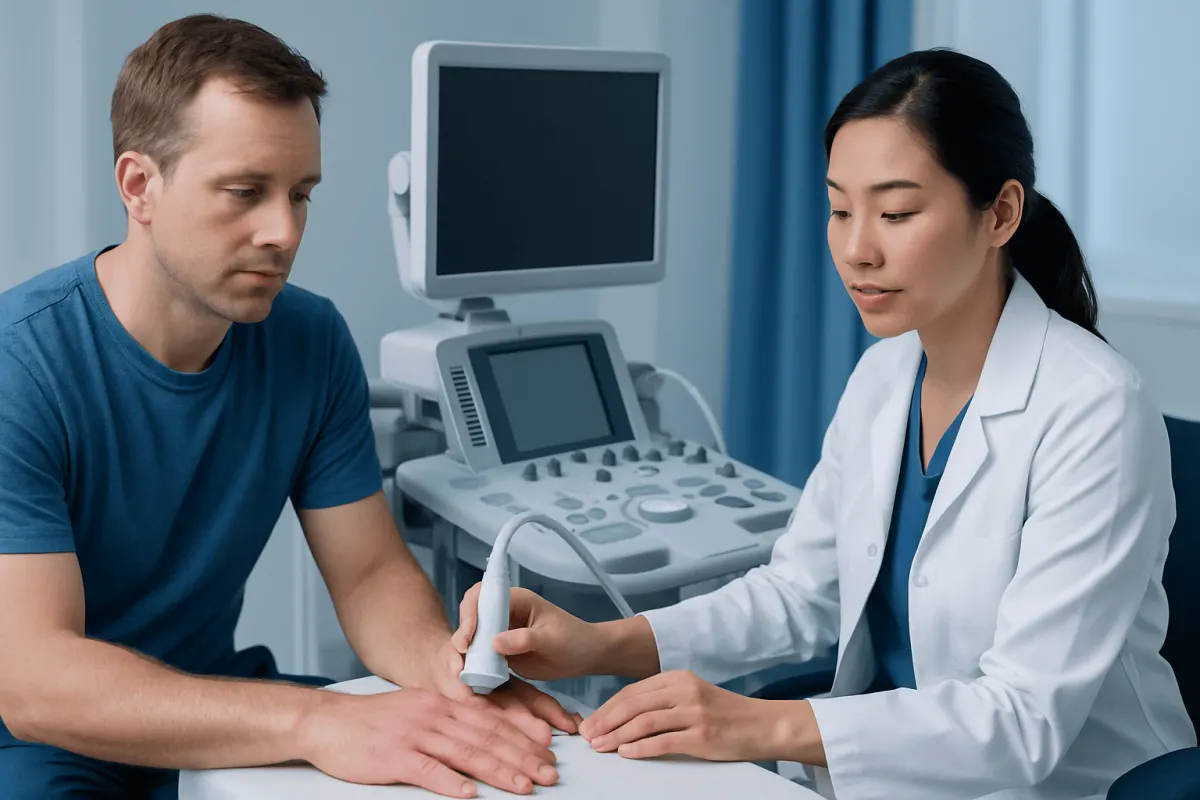
Right hand swelling may follow a minor injury or repetitive activity, but it can also be linked to arthritis, infection, circulation problems, or medication effects. The timing, associated symptoms, and any recent injury help a clinician identify the cause and recommend appropriate care.
Overview: what right hand swelling can mean
Right hand swelling occurs when extra fluid builds up in the tissues or when a joint, tendon, skin structure, or blood vessel becomes inflamed. It may affect the entire hand, the fingers, the knuckles, or one small area. A hand can look puffy, feel tight, or make rings, watches, and gloves harder to wear.
Many episodes are temporary and follow an injury, prolonged hand use, heat exposure, or an awkward sleeping position. However, swelling on one side of the body deserves attention if it is new, persistent, painful, or associated with redness, warmth, weakness, numbness, or changes in skin color.
The most useful first clues are when the swelling began, whether there was an injury or bite, and whether symptoms are limited to the hand or occur elsewhere. A qualified clinician can examine the hand and decide whether testing or targeted treatment is needed.
Patterns and symptoms that help narrow the cause
Swelling may develop quickly after a fall, impact, twist, or cut. In this setting, bruising, localized tenderness, pain with movement, and reduced grip can suggest a soft-tissue injury, sprain, fracture, or tendon problem. A fracture is not always obvious, particularly after a seemingly minor injury, so persistent pain or impaired movement should be evaluated.
Morning stiffness and swollen knuckles or finger joints may point toward an inflammatory joint condition. Wear-and-tear arthritis can also cause bony enlargement, aching, and reduced hand function, although it does not always cause marked soft-tissue swelling. Information about rheumatoid arthritis may be helpful when swelling is recurrent and accompanied by prolonged morning stiffness or symptoms in other joints.
Skin changes are also important. Redness, increasing warmth, tenderness, pus, streaking redness up the arm, or fever can indicate an infection. Tingling, numbness, or a sense of hand weakness may occur when swollen tissue places pressure on nerves, while a cold, pale, blue, or markedly painful hand can signal impaired circulation and requires urgent assessment.
- After activity or injury: consider overuse, sprain, tendon irritation, or fracture.
- With redness and warmth: infection, inflammation, or crystal-related arthritis may be possible.
- With stiffness in multiple joints: inflammatory arthritis may need consideration.
- With color, temperature, or sensation changes: circulation or nerve problems should be assessed promptly.
Common causes and contributing factors

Minor trauma and repetitive strain are common reasons for a swollen right hand. Gardening, sports, lifting, using tools, prolonged keyboard or mouse work, and repetitive gripping can irritate muscles, tendons, and joints. Symptoms often worsen with the provoking activity and improve when the hand is rested.
Inflammatory and degenerative joint disorders may cause swelling in the hand and fingers. These include osteoarthritis, rheumatoid arthritis, gout, and other forms of arthritis. Crystal-related inflammation, including gout, can cause a sudden, very tender, red, swollen joint, although the hand is less commonly affected than the foot.
Infections may arise after a cut, puncture wound, animal or insect bite, nail injury, or skin condition. Swelling can also follow an allergic reaction to a bite, plant, cosmetic product, or medication. Less commonly, obstruction of lymphatic drainage, a blood clot in an arm vein, or another circulation problem can contribute to one-sided hand swelling.
Some medicines and wider health conditions can cause fluid retention, usually affecting both hands, feet, or legs rather than only the right hand. A clinician should review new or changing symptoms in the context of medical history, medicines, recent travel, surgeries, and any history of heart, kidney, liver, thyroid, or autoimmune disease.
How clinicians assess a swollen hand
A clinician usually begins by asking about symptom onset, injury, recent activity, bites or wounds, fever, joint symptoms, numbness, and current medicines. They will examine the hand, wrist, and arm for tenderness, joint movement, strength, sensation, pulses, skin changes, and signs of infection or poor circulation.
Imaging is not required for every case. An X-ray may be used when a fracture, joint change, or dislocation is suspected. Ultrasound can help assess tendons, soft tissues, fluid collections, and blood flow, while magnetic resonance imaging may be considered for selected tendon, ligament, nerve, or complex joint concerns.
Blood tests may be useful if the clinical picture suggests infection, inflammation, an autoimmune condition, or a metabolic cause. If a joint is acutely inflamed, a clinician may sometimes take a small sample of joint fluid to check for crystals or infection. These tests are selected based on the examination rather than used routinely for all swelling.
Treatment options depend on the underlying cause
Treatment is guided by the cause rather than swelling alone. For a minor strain or uncomplicated soft-tissue injury, a clinician may recommend temporarily reducing activities that cause pain, elevating the hand, and using a supportive splint when appropriate. Cold packs wrapped in a cloth can be helpful early after some injuries; they should not be placed directly on the skin or used if circulation or sensation is impaired.
Fractures, dislocations, tendon tears, and significant ligament injuries may need immobilization, hand therapy, or specialist management. Prompt assessment is particularly important when the hand looks deformed, a finger cannot be moved normally, or pain remains substantial after an injury. Some patients may benefit from hand surgery when structural damage, nerve compression, or advanced joint disease requires repair or reconstruction.
For arthritis and inflammatory conditions, management may include activity adjustments, exercises or rehabilitation, pain-relieving medicines, anti-inflammatory treatment when safe, and disease-specific medicines prescribed by a specialist. The treatment of rheumatologic conditions aims to control inflammation, protect function, and support daily activities.
Infections require medical assessment and may need antibiotics, drainage, wound care, or urgent surgical treatment depending on their location and severity. Allergy-related swelling may be treated by avoiding the trigger and using clinician-recommended medicines. It is important not to self-treat a suspected infection with leftover antibiotics or to delay care if symptoms are worsening.
Practical self-care while arranging assessment
If swelling is mild, clearly related to recent overuse or a minor injury, and there are no warning signs, resting the hand and keeping it elevated above heart level when possible may reduce fluid buildup. Removing rings early is sensible because swelling can increase and make them difficult to take off. If a ring becomes stuck and the finger changes color, becomes numb, or increasingly painful, urgent help is needed to remove it safely.
Gentle movement of the fingers may help prevent stiffness when movement is comfortable and no fracture or serious injury is suspected. Avoid forceful stretching, heavy lifting, massage over a painful or inflamed area, and returning too quickly to the activity that triggered symptoms. A pharmacist or clinician can advise whether an over-the-counter pain reliever is suitable, considering other medicines and health conditions.
Prevention focuses on hand protection and pacing. Wearing gloves for manual work, using appropriate technique and equipment, taking regular breaks from repetitive tasks, and treating small cuts promptly can reduce some risks. People with recurring hand swelling should keep a brief record of triggers, duration, associated symptoms, and activities to discuss with a clinician.
When to seek medical care
Emergency care is appropriate for right hand swelling with sudden severe pain, a cold, pale, blue, or numb hand, inability to move the fingers, major deformity after injury, uncontrolled bleeding, chest pain, shortness of breath, facial or tongue swelling, or widespread hives. These symptoms can indicate a serious injury, circulation problem, or severe allergic reaction.
Same-day medical assessment is advisable when swelling is rapidly worsening, the hand is red and hot, there is fever, pus, red streaking, a bite or deep puncture wound, or significant pain after an injury. These findings may indicate infection or an injury that needs timely treatment.
A routine appointment should be arranged if swelling lasts more than a few days, keeps returning, interferes with work or daily activities, or occurs with prolonged morning stiffness, joint pain, tingling, or weakness. Acıbadem Health Point’s multidisciplinary specialists and JCI-accredited hospitals can assess and treat hand-related concerns for international patients when specialist care is needed.
Frequently asked questions
01Why is only my right hand swollen?
One-sided hand swelling often has a local cause, such as injury, repetitive strain, infection, a bite, joint inflammation, or a circulation issue. The cause cannot be confirmed from swelling alone. New, persistent, or unexplained one-sided swelling should be assessed by a clinician.
02Can sleeping on the right hand cause swelling?
Pressure on the hand or arm during sleep can temporarily affect fluid movement and irritate nerves, causing puffiness, tingling, or stiffness on waking. Symptoms should improve after changing position and gently moving the hand. Ongoing swelling, pain, numbness, or weakness should not be attributed to sleep position without medical advice.
03Should ice or heat be used for a swollen hand?
A wrapped cold pack may help reduce discomfort and swelling shortly after a minor injury or overuse episode. Heat can sometimes ease stiffness in long-standing joint or muscle problems, but it is generally avoided over a hot, red, newly injured, or possibly infected area. A clinician can advise the safest approach for the specific cause.
04Can arthritis make one hand swell?
Yes. Osteoarthritis, rheumatoid arthritis, gout, and other joint conditions can cause swelling in one or both hands. The pattern of joints involved, duration of morning stiffness, pain severity, and other symptoms help clinicians distinguish between possible causes.
05How long should right hand swelling last after a minor injury?
Mild swelling may begin to improve over several days with protection and rest, although recovery time depends on the injury. Swelling that worsens, does not begin improving, or is associated with marked pain, bruising, deformity, or limited movement should be checked. An X-ray or other evaluation may be needed to rule out a fracture or tendon injury.
06When is hand swelling an emergency?
Emergency care is needed if the hand becomes cold, pale, blue, numb, severely painful, or difficult to move, or if there is a major injury or deformity. Urgent help is also needed for swelling with trouble breathing, chest pain, facial or tongue swelling, or signs of a severe allergic reaction. Rapidly spreading redness, fever, or severe pain may indicate an infection requiring same-day care.
This article is for general information only and is not a substitute for professional medical advice. Please consult a qualified doctor about your individual situation.
Joint and spine care in Turkey — expert assessment & treatment
JCI-accredited · board-certified surgeons · reply within 24h
Add us as a Preferred Source to see more of our trusted health content across Google Search, AI Overviews and Discover.