Splenomegaly: Causes, Symptoms and Treatment

Key Takeaways
- Splenomegaly is an enlarged spleen, not a disease by itself, and it often points to an underlying condition.
- Some people notice no symptoms, while others develop fullness in the upper left abdomen, early satiety, fatigue, or pain.
- Diagnosis usually includes a physical exam, blood tests, and imaging such as ultrasound or CT scanning.
- Treatment focuses on the cause, and care may also include avoiding contact sports and protecting against infection if the spleen is significantly enlarged.
- Prompt medical evaluation is important if there is fever, worsening abdominal pain, unexplained weight loss, or signs of anemia or bleeding.
Splenomegaly means the spleen is larger than normal, usually because another health condition is affecting it. It may cause few symptoms at first, but it can also signal infections, liver disease, blood disorders, or other medical problems that deserve proper evaluation.
Overview
The spleen is a small organ in the upper left side of the abdomen, tucked just beneath the rib cage. It helps filter blood, support the immune system, and manage some blood cells. When it becomes larger than expected, the condition is called splenomegaly.
Splenomegaly is usually a clue rather than the final diagnosis. A clinician looks for what is driving the enlargement, because the spleen may respond to infections, liver conditions, blood disorders, inflammatory disease, or cancers that affect the blood and lymph system. For many people, the first step is simply recognizing that the spleen is enlarged and then tracing the reason behind it.
In an international-patient setting, evaluation may start before travel through records, lab results, or imaging reports. That preparation helps specialists decide which tests are most useful after arrival and can reduce unnecessary delays in care.
Symptoms
Some people with an enlarged spleen do not notice any symptoms at all. Others feel vague discomfort that can be easy to dismiss at first, especially if the symptoms come and go. The most common clue is a sense of fullness or pressure in the upper left abdomen.
As the spleen enlarges, it can press on the stomach and nearby organs. That may lead to early satiety, meaning the person feels full after only a small meal. Pain can also appear in the upper left abdomen, in the left shoulder, or when taking a deep breath.
Symptoms can also reflect the underlying cause of splenomegaly. Depending on the condition involved, a person may notice:
- Fatigue or weakness
- Frequent infections or fevers
- Easy bruising or bleeding
- Unexplained weight loss
- Pale skin or shortness of breath from anemia
These symptoms are not specific to splenomegaly, but they are useful clues for a clinician building the full picture.
Causes & Risk Factors

The spleen often enlarges because it is working harder than usual or because abnormal cells are accumulating in it. Infections are a common reason, especially viral infections such as infectious mononucleosis, but bacterial, parasitic, and chronic infections can also play a role.
Blood-related conditions are another major group of causes. These include hemolytic anemias, leukemia, lymphoma, and other disorders in which blood cells are destroyed too quickly or made abnormally. Liver disease, especially conditions that increase pressure in the portal vein system, can also cause the spleen to enlarge.
Other possible causes include autoimmune and inflammatory diseases such as rheumatoid arthritis, sarcoidosis, or lupus. In some cases, storage disorders or metabolic conditions are involved. Risk is higher in people with a personal history of blood disease, liver disease, recurrent infections, travel-related parasitic exposure, or autoimmune illness.
Because the causes vary so widely, splenomegaly is best approached as a sign that deserves careful sorting rather than a single diagnosis that fits everyone.
Diagnosis
Diagnosis starts with a medical history and physical examination. A clinician may feel for the spleen below the left rib cage, although a normal exam does not always rule out enlargement. The next step is usually blood work to look for anemia, abnormal white blood cells, low platelets, signs of infection, or liver abnormalities.
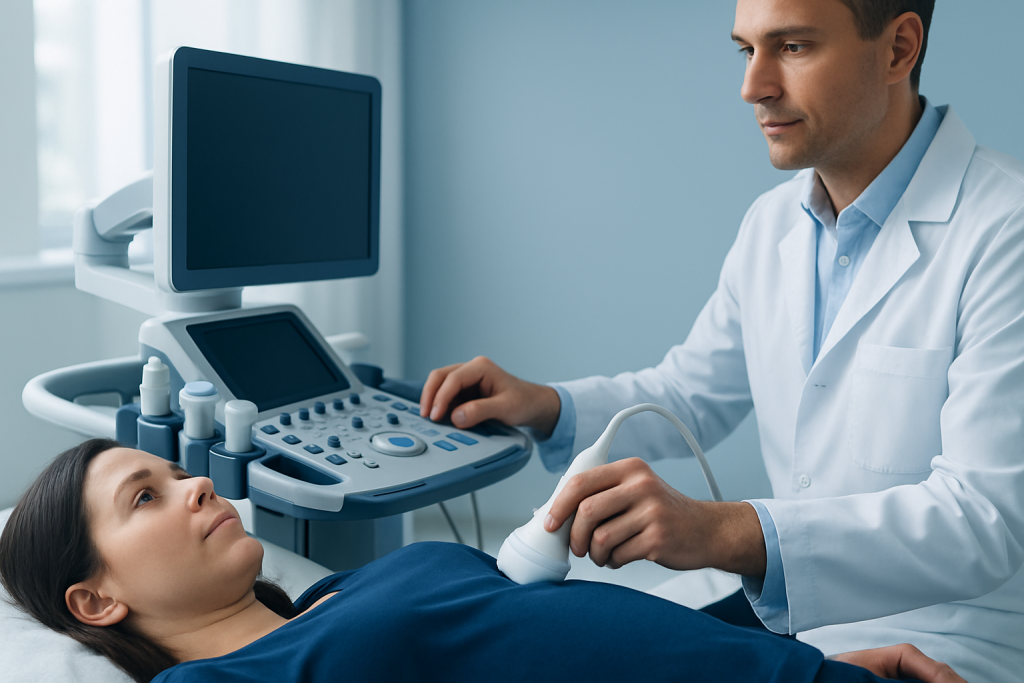
Imaging helps confirm the spleen’s size and may reveal related findings. Ultrasound is often used because it is noninvasive and does not involve radiation. CT scanning or MRI may be recommended when doctors need more detail about the spleen, liver, lymph nodes, or surrounding organs.
Additional tests depend on what the initial workup suggests. These may include viral studies, autoimmune testing, specialized blood smears, bone marrow evaluation, or liver assessment. When someone is traveling for care, it is helpful to bring previous blood tests and imaging reports so the medical team can compare changes over time and avoid repeating studies that are already available.
Treatment Options
Treatment depends on the cause of the enlarged spleen. If an infection is responsible, care may focus on managing the infection and monitoring recovery. If the spleen is enlarged because of a blood disorder, liver disease, or immune problem, the underlying condition usually guides the treatment plan.
In some situations, no immediate procedure is needed, and the spleen is watched while the main condition is treated. In other cases, doctors may recommend medications, targeted therapies, or specialist procedures such as treatment for portal hypertension, blood cancers, or severe autoimmune disease. Surgery to remove the spleen, called splenectomy, is reserved for selected cases when other approaches are not enough or when the spleen is causing major problems.
People with a significantly enlarged spleen may need to avoid contact sports and heavy impact activities because the spleen can be more vulnerable to injury. If surgery is being considered, the care team will also discuss vaccinations and infection-prevention measures, since the spleen helps defend against certain germs.
For international patients, treatment planning often includes coordination across specialties, a clear follow-up schedule, and practical discussion of recovery before the person returns home. That kind of planning matters because splenomegaly is often tied to a long-term condition that benefits from continuity of care.
Prevention & Self-care
Not every case of splenomegaly can be prevented, because many causes are not under a person’s control. Even so, general health habits can lower some risks and make complications less likely. Prompt attention to infections, sensible management of chronic illness, and regular medical follow-up are all useful.
Self-care is mostly about protecting the spleen and supporting the body while the cause is being clarified. A clinician may recommend avoiding contact sports, falls, and heavy lifting if the spleen is enlarged enough to be fragile. People should also follow the care team’s advice about vaccines, especially if the spleen has been removed or is not functioning well.
- Keep follow-up appointments and repeat tests as advised
- Seek timely care for fever or infection symptoms
- Carry a medication and medical history list when traveling
- Do not return to high-impact sports without medical clearance
- Ask whether vaccines or preventive antibiotics are appropriate in special situations
Small practical steps can reduce risk while the underlying condition is being managed.
When to See a Doctor
Medical assessment is important if a person has persistent upper abdominal fullness, unexplained fatigue, early satiety, or pain under the left ribs. These symptoms can have many causes, and an enlarged spleen is one of them.
More urgent evaluation is needed if there is severe abdominal pain, shoulder pain after an injury, fainting, fever, shortness of breath, unusual bleeding, easy bruising, or a rapidly enlarging abdomen. These features can indicate complications or a serious underlying illness.
Anyone already diagnosed with splenomegaly should ask a doctor how much activity is safe, whether travel is reasonable, and what warning signs should trigger immediate care. If the spleen has been removed, fever or sudden illness should be treated as potentially urgent because infection can progress faster in people without a spleen.
Acibadem Health Point’s multidisciplinary specialists and JCI-accredited hospitals diagnose and treat splenomegaly for international patients, with coordinated testing and follow-up when needed.
Living With Splenomegaly
Living with splenomegaly often means living with uncertainty at first, until the cause is identified. That can be unsettling, but the condition is usually approached step by step: confirm the enlargement, understand the underlying problem, and protect the spleen while treatment is underway.
When the spleen is enlarged from a treatable cause, it may return to a more normal size over time. In other cases, the focus is on long-term control of the related disease and on reducing the chance of complications. Clear communication with the care team is especially important when appointments, labs, or procedures are being arranged across countries or between hospitals.
With a structured evaluation and appropriate follow-up, many people do well. The key is not to ignore the sign, but to use it as a useful message from the body that deserves careful attention.
Frequently asked questions
01Is splenomegaly the same as having a disease of the spleen?
Not exactly. Splenomegaly means the spleen is enlarged, but the enlargement is usually caused by another condition such as infection, liver disease, or a blood disorder. The spleen itself may be healthy but responding to a problem elsewhere in the body.
02Can splenomegaly go away on its own?
Sometimes it can improve if the underlying cause resolves, such as after certain infections. In many cases, though, the reason for the enlargement needs evaluation and treatment before the spleen returns to a normal size.
03How is splenomegaly usually found?
It may be found during a physical exam, but imaging is often used to confirm it. Ultrasound is a common first test, and blood work helps look for the reason behind the enlargement.
04Should someone with splenomegaly avoid exercise?
High-impact and contact sports are often restricted if the spleen is enlarged, because injury could be dangerous. Safer activity choices depend on the size of the spleen, the cause, and a doctor’s advice.
05Does an enlarged spleen always mean cancer?
No. Cancer is one possible cause, but many cases are due to infections, liver disease, inflammation, or blood conditions that are not cancer. A proper evaluation helps identify the real cause rather than assuming the worst.
06When is surgery needed for splenomegaly?
Surgery is not routine and is usually considered only in selected situations, such as severe complications or when other treatments have not worked. Doctors weigh the benefits carefully because the spleen has important immune functions.
This article is for general information only and is not a substitute for professional medical advice. Please consult a qualified doctor about your individual situation.
Medical weight-loss options in Turkey — costs & eligibility
JCI-accredited · board-certified surgeons · reply within 24h
Add us as a Preferred Source to see more of our trusted health content across Google Search, AI Overviews and Discover.