Spinal Cord Injury Rehabilitation: Mobility, Self-Care, and Independence
Spinal cord injury rehabilitation helps people rebuild strength, mobility, self-care skills, confidence, and participation in daily life. A personalized program combines medical care, physical and occupational therapy, assistive technology, education, and emotional support.
Overview
Spinal cord injury rehabilitation is a structured, individualized process that helps a person adapt after damage to the spinal cord. The injury may affect movement, sensation, bladder and bowel control, breathing, sexual function, blood pressure regulation, pain, and many daily routines. Rehabilitation does not mean only exercise; it includes medical management, practical training, emotional support, education, and planning for life at home and in the community.
The rehabilitation team usually includes a physiatrist or rehabilitation physician, nurses, physiotherapists, occupational therapists, psychologists, social workers, dietitians, speech and respiratory therapists when needed, and assistive technology specialists. Family members or caregivers are often included because they may help with transfers, skin checks, equipment, transportation, or home routines.
Recovery after a spinal cord injury varies widely. Some people regain movement or sensation over time, while others focus on maximizing independence with assistive devices and new techniques. Rehabilitation aims to help each person achieve the best possible function, prevent complications, and return to meaningful activities such as work, education, parenting, hobbies, and social life.
How Spinal Cord Injury Affects Function
The effects of a spinal cord injury depend mainly on the level of injury and whether the injury is complete or incomplete. In general, injuries higher in the spinal cord affect more areas of the body. A cervical injury may affect the arms, trunk, legs, and sometimes breathing muscles. A thoracic, lumbar, or sacral injury may primarily affect the trunk, legs, bladder, bowel, and sexual function.
A complete injury means there is no voluntary movement or sensation below the level of injury, based on standardized examination. An incomplete injury means some nerve signals still pass through the injured area, so a person may have partial movement or sensation. Incomplete injuries can have very different patterns, and rehabilitation goals are adjusted as strength, sensation, coordination, and endurance change.
Function is also influenced by age, general health, pain, spasticity, bone and joint condition, skin health, motivation, emotional adjustment, family support, and access to equipment. For this reason, two people with similar injury levels may need different rehabilitation plans. A careful assessment helps the team set practical goals and update them as recovery progresses.
Core Goals of Rehabilitation
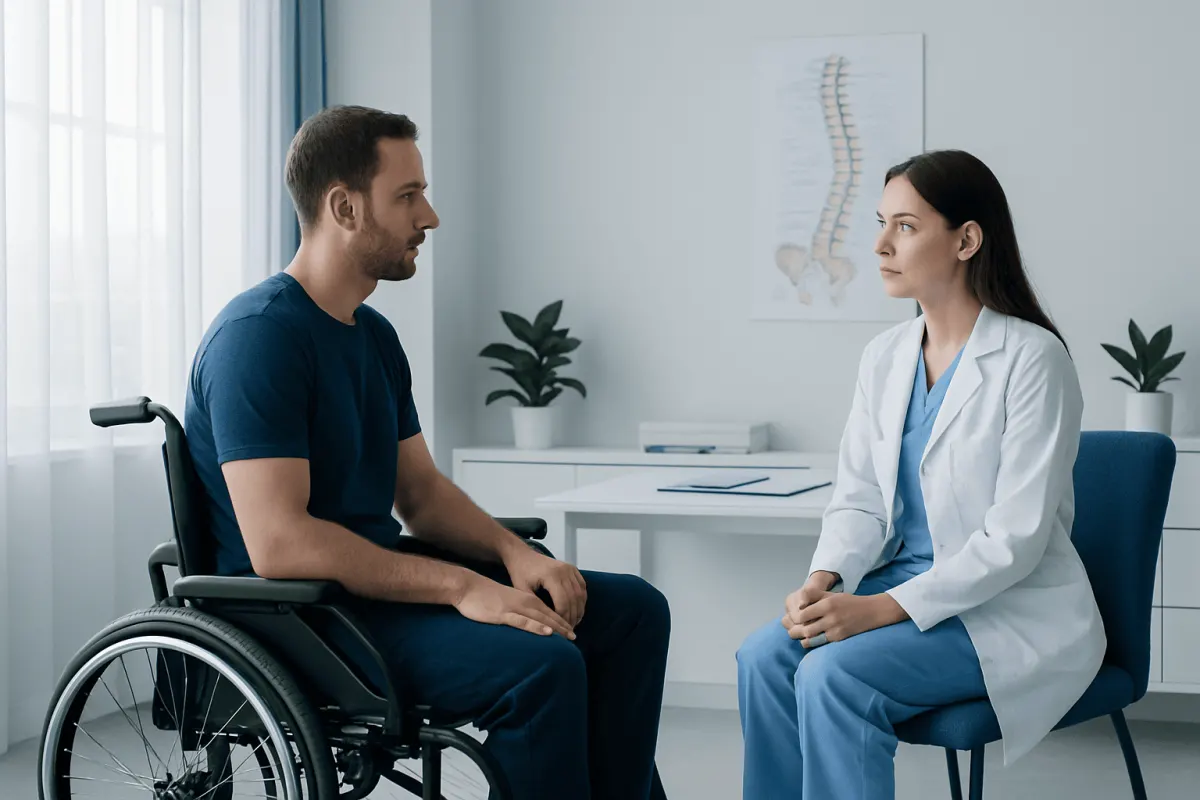
The main goal of spinal cord injury rehabilitation is to build the safest and highest level of independence possible. This may include learning to move in bed, sit with balance, transfer between surfaces, use a wheelchair, walk with braces or assistive devices when appropriate, and manage daily self-care. Goals are often divided into short-term steps so progress can be measured and encouraged.
Rehabilitation also focuses on preventing secondary complications. These may include pressure injuries, urinary tract problems, bowel difficulties, shoulder overuse, contractures, blood clots, respiratory problems, low blood pressure when sitting or standing, and autonomic dysreflexia in people with higher-level injuries. Education is a key part of prevention because many complications can be reduced with consistent daily routines.
Common rehabilitation goals may include:
- Improving strength, flexibility, balance, endurance, and coordination.
- Training safe transfers, bed mobility, wheelchair propulsion, and pressure relief.
- Developing bladder and bowel management routines.
- Learning skin inspection and pressure injury prevention.
- Practicing bathing, dressing, grooming, cooking, writing, computer use, and other daily tasks.
- Choosing appropriate mobility devices, braces, cushions, bathroom equipment, and home modifications.
Mobility Training: Wheelchairs, Transfers, and Walking When Possible
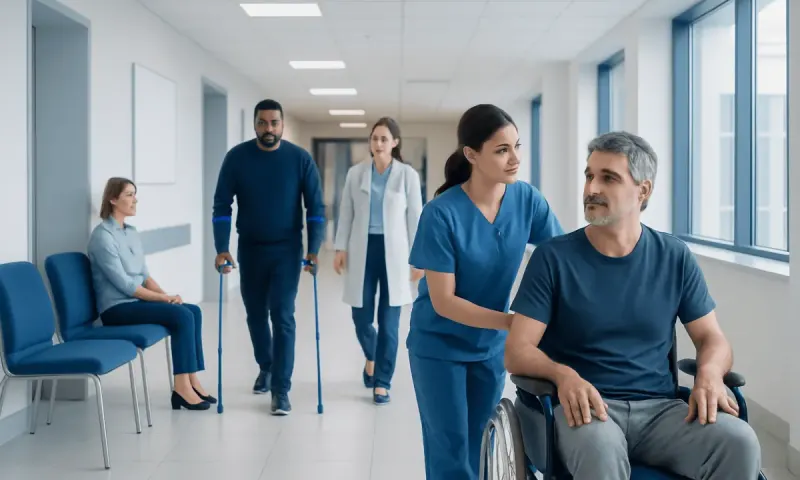
Mobility training is a central part of spinal cord injury rehabilitation. For many people, wheelchair mobility provides independence, speed, safety, and energy conservation. Therapists help select a wheelchair that fits the person’s body, injury level, lifestyle, skin protection needs, and environment. Training may include propulsion techniques, turning, managing ramps, navigating uneven surfaces, performing pressure relief, and safely transporting the chair.
Transfers are another essential skill. A transfer means moving from one surface to another, such as from bed to wheelchair, wheelchair to toilet, or wheelchair to car. Some people learn independent transfers using arm strength and technique, while others use transfer boards, grab bars, mechanical lifts, or caregiver assistance. The safest method depends on strength, balance, spasticity, weight-bearing ability, skin condition, and shoulder health.
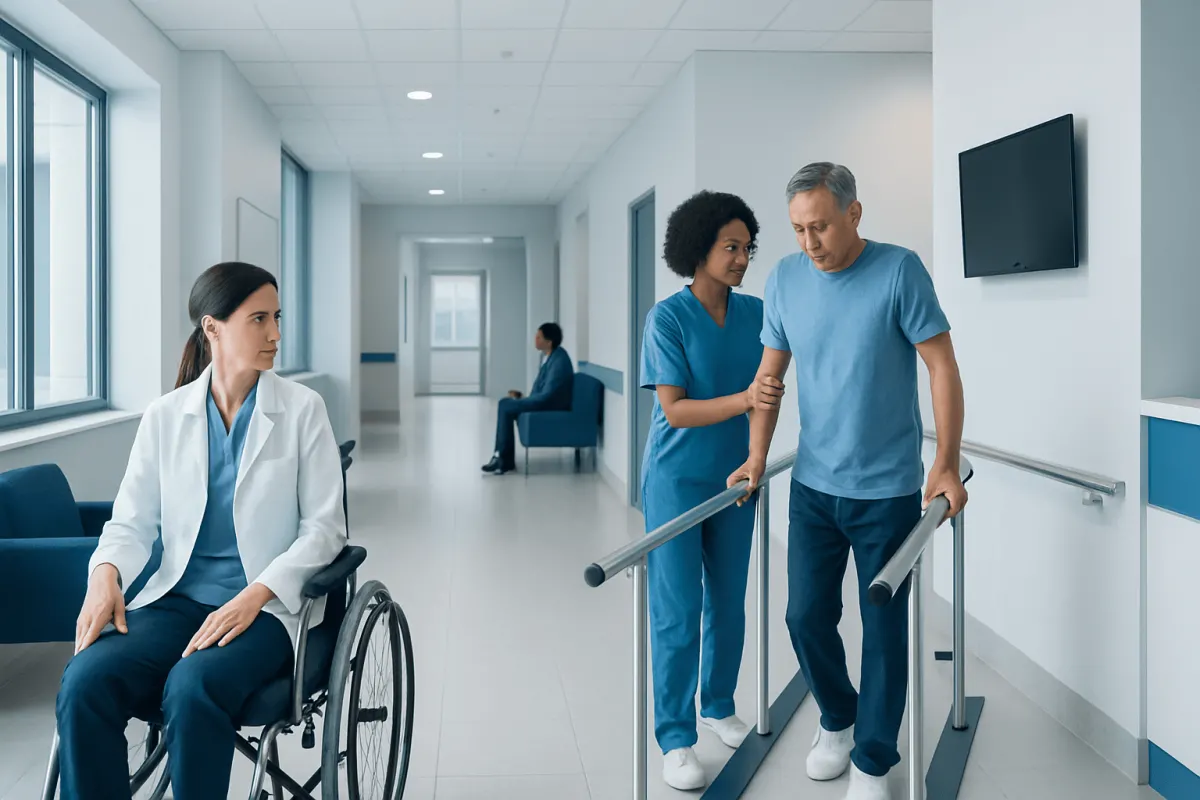
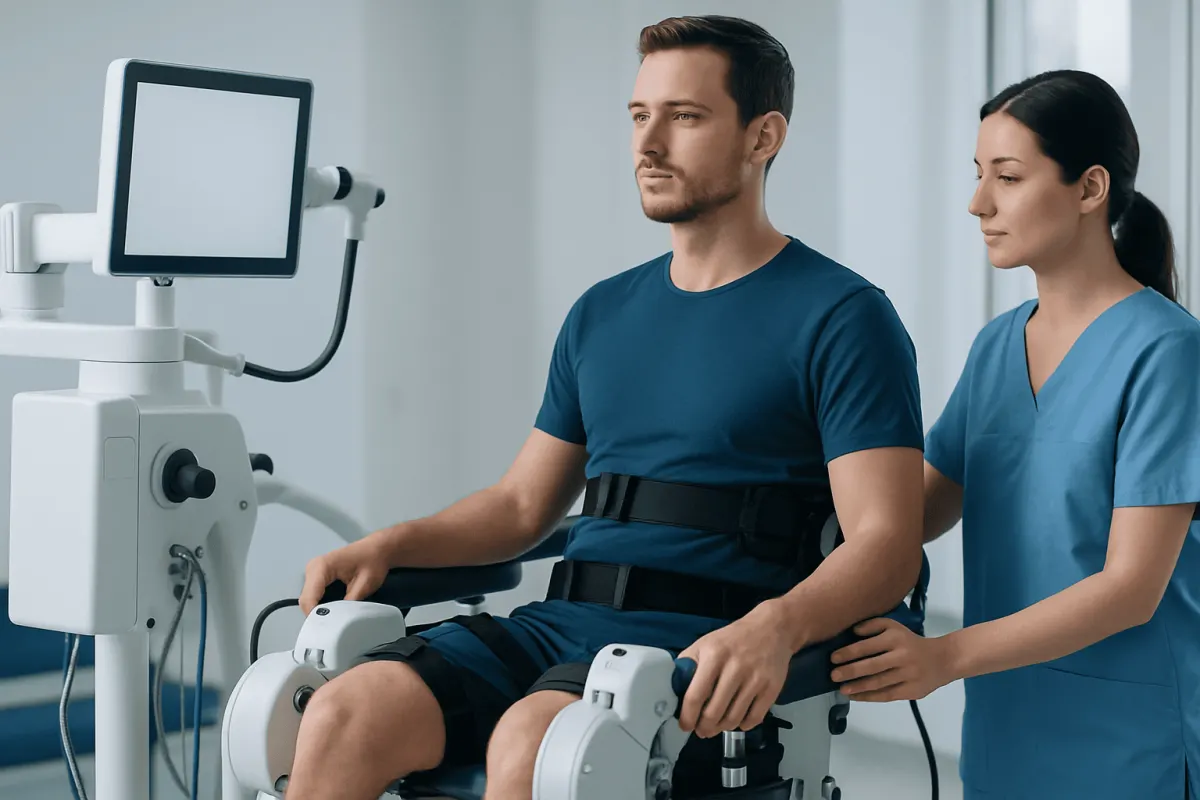
Walking may be a goal for some people, especially those with incomplete injuries or lower-level injuries. Gait training can include strengthening, balance practice, body-weight support systems, parallel bars, walkers, crutches, ankle-foot orthoses, knee-ankle-foot orthoses, or functional electrical stimulation in selected cases. Even when walking is limited, standing programs may help with flexibility, posture, circulation, and participation, if medically appropriate.
Therapists also pay close attention to shoulder preservation because the shoulders often take on extra work after spinal cord injury. Proper wheelchair setup, efficient propulsion, strengthening, stretching, and transfer technique can reduce strain. Early education helps protect mobility over the long term.
Self-Care, Daily Living, and Assistive Technology
Occupational therapy helps people regain or adapt the skills needed for everyday life. Depending on the injury level, therapy may address feeding, grooming, dressing, bathing, toileting, handwriting, phone use, computer access, cooking, cleaning, childcare, and work-related tasks. The goal is not only to complete activities, but to do them safely, efficiently, and in a way that fits the person’s home and culture.
Adaptive equipment can make self-care more manageable. Examples include long-handled sponges, reachers, dressing aids, shower chairs, commode chairs, grab bars, universal cuffs, splints, adaptive utensils, voice-controlled devices, environmental control systems, and modified vehicles. People with limited hand function may learn tenodesis grasp, use customized splints, or explore technology that supports communication and independence.
Bladder and bowel management are important parts of self-care after spinal cord injury. The rehabilitation team teaches routines that may include scheduled catheterization, medications when prescribed, fluid planning, bowel programs, diet adjustments, positioning, and skin protection. These plans should always be individualized by clinicians because needs can change over time.
Home assessment and modification can improve safety before discharge. This may involve checking door widths, bathroom access, bed height, flooring, ramps, kitchen layout, and emergency plans. Small changes can make a meaningful difference in independence and reduce caregiver strain.
Medical Management and Prevention of Complications
Rehabilitation includes ongoing medical care because spinal cord injury can affect many body systems. Skin care is a daily priority. Reduced sensation and prolonged pressure can lead to pressure injuries, especially over bony areas such as the sacrum, hips, heels, ankles, and sitting bones. People are taught to inspect the skin, use appropriate cushions and mattresses, change position regularly, and report redness or wounds early.
Spasticity, pain, and changes in sensation are common. Spasticity can sometimes help with standing or transfers, but it may also interfere with comfort, sleep, hygiene, or mobility. Pain may be musculoskeletal, nerve-related, or linked to posture and overuse. Treatment may include therapy, positioning, stretching, medication prescribed by a doctor, injections or procedures in selected cases, and psychological coping strategies.
People with injuries at or above the mid-thoracic level may be at risk for autonomic dysreflexia, a sudden rise in blood pressure triggered by problems such as a full bladder, bowel impaction, tight clothing, or skin irritation. Rehabilitation teams teach patients and caregivers how to recognize symptoms and respond promptly according to the medical plan. Orthostatic hypotension, or a drop in blood pressure when sitting or standing, may also occur and can be managed with gradual positioning, hydration guidance, compression garments, and medical advice.
Other prevention topics include respiratory care, bone health, nutrition, weight management, urinary tract monitoring, sexual health, fertility counseling when relevant, vaccination advice, and safe physical activity. Regular follow-up with rehabilitation and specialty clinicians helps detect problems early and adjust the care plan.
Emotional Recovery, Family Support, and Community Reintegration
Emotional adjustment is a normal and important part of spinal cord injury rehabilitation. A person may experience grief, frustration, uncertainty, anxiety, or changes in identity and relationships. Psychological support, peer mentoring, education, and open communication can help people and families develop coping strategies and realistic hope.
Family members and caregivers may also need training and support. They may learn safe transfer assistance, skin checks, emergency steps, equipment use, bladder and bowel routines, and ways to encourage independence rather than over-assistance. Caregiver well-being matters, and social workers can help connect families with community resources, benefits, transportation options, and home care planning.
Community reintegration means returning to meaningful roles beyond the hospital. This may include school, employment, driving or accessible transportation, sports, recreation, travel, parenting, intimacy, and social participation. Vocational rehabilitation and adaptive sports programs can be valuable for confidence, fitness, and quality of life.
For international patients, coordinated care can be especially helpful when rehabilitation, specialist consultations, imaging, and follow-up planning must be organized across countries. Acıbadem Health Point’s multidisciplinary specialists and JCI-accredited hospitals diagnose and treat spinal cord injury-related needs for international patients, with care plans adapted to medical status and personal goals.
When to See a Doctor or Rehabilitation Specialist
A person with a recent spinal cord injury should be evaluated by a specialized medical and rehabilitation team as soon as it is medically safe. Early rehabilitation planning can help prevent complications, guide equipment choices, and prepare for discharge. Even after the initial recovery period, follow-up remains important because needs may change with time, age, activity level, and health conditions.
Medical advice should be sought for new or worsening weakness, numbness, pain, fever, urinary symptoms, skin redness that does not fade, open wounds, increasing spasticity, breathing difficulty, dizziness, swelling in the legs, or changes in bladder or bowel function. People at risk for autonomic dysreflexia should follow their emergency plan and seek urgent care for symptoms such as severe headache, sweating, flushing, or high blood pressure.
A rehabilitation review is also helpful when equipment no longer fits, transfers become difficult, shoulder pain develops, independence decreases, or the home or work environment changes. Rehabilitation is not limited to the early months after injury; it can provide benefits years later by improving comfort, safety, mobility, and participation.
Frequently asked questions
01When should spinal cord injury rehabilitation begin?
Rehabilitation usually begins as soon as the person is medically stable. In the early phase, this may include positioning, breathing exercises, gentle mobility, skin protection, and education. More intensive therapy is added when the medical team confirms it is safe.
02Can a person walk again after a spinal cord injury?
Walking potential depends on the level and completeness of the injury, remaining strength and sensation, overall health, and time since injury. Some people, especially with incomplete injuries, may regain walking with therapy and assistive devices. Others achieve independence primarily through wheelchair mobility, which can be an effective and empowering form of movement.
03How long does spinal cord injury rehabilitation take?
The timeline varies widely. Inpatient rehabilitation may last weeks to months, followed by outpatient therapy, home exercises, equipment adjustments, and long-term follow-up. Rehabilitation goals may continue to evolve for years as the person’s needs, environment, and abilities change.
04What is the role of family in rehabilitation?
Family members can provide emotional support and may learn practical skills such as safe transfers, skin checks, equipment use, and emergency planning. They are also encouraged to support independence, not only provide assistance. Education helps families feel more confident and reduces the risk of injury to both the patient and caregiver.
05What equipment might be needed after spinal cord injury?
Equipment may include a manual or power wheelchair, pressure-relieving cushion, transfer board, shower chair, commode chair, braces, splints, grab bars, or adaptive tools for dressing, eating, and technology use. The best choices depend on the person’s injury level, strength, skin health, home layout, and daily goals. Equipment should be fitted and reviewed by qualified professionals.
06Can rehabilitation help years after the injury?
Yes. Rehabilitation can be useful long after the initial injury, especially if there is pain, loss of function, equipment problems, weight change, shoulder strain, spasticity, or a new life goal such as returning to work or sports. A reassessment can identify updated strategies to improve safety, comfort, and independence.
This article is for general information only and is not a substitute for professional medical advice. Please consult a qualified doctor about your individual situation.
Persistent digestive symptoms? Get evaluated in Turkey
JCI-accredited · board-certified surgeons · reply within 24h
Add us as a Preferred Source to see more of our trusted health content across Google Search, AI Overviews and Discover.