Sleeve Stomach Operation: Step-by-Step From Admission to Discharge

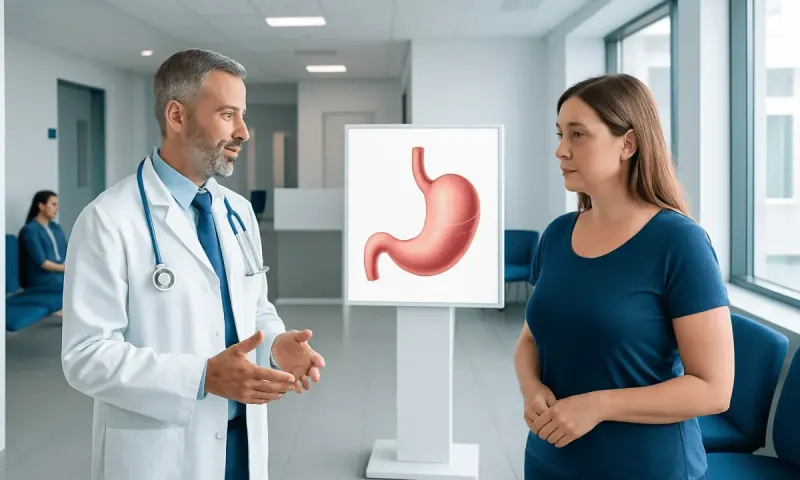
A sleeve stomach operation, also called sleeve gastrectomy, is a bariatric procedure that helps with weight loss by reducing the size of the stomach. This guide explains what usually happens from hospital admission to discharge, including preparation, surgery day, recovery, and follow-up care.
Overview of a Sleeve Stomach Operation
A sleeve stomach operation is a type of weight-loss surgery in which a large portion of the stomach is removed, leaving a narrow, tube-shaped stomach or “sleeve.” The procedure is also known as sleeve gastrectomy and is one of the most commonly performed forms of bariatric surgery. It is designed to help patients feel full sooner, eat smaller portions, and support meaningful weight loss over time.
This surgery is usually considered for people with obesity or obesity-related health problems when lifestyle measures alone have not led to sufficient or lasting weight reduction. In some patients, it may also improve conditions linked to excess weight, such as type 2 diabetes, high blood pressure, sleep apnea, and joint strain. When obesity is severe, clinicians may describe it as morbid obesity, and bariatric surgery may become part of a broader treatment plan.
Although the idea of surgery can feel overwhelming, the process is usually carefully organized and stepwise. The hospital team explains each stage, from admission and preoperative checks to pain control, walking after surgery, diet progression, and discharge planning. Knowing what to expect can help patients feel more prepared and confident.
Who May Be a Candidate and How to Prepare
Not everyone with excess weight needs surgery, and candidacy is assessed individually. Doctors usually consider body mass index, weight-related medical conditions, previous weight-loss efforts, eating patterns, mental readiness, and the ability to commit to long-term follow-up. A sleeve stomach operation works best when patients understand that it is a tool, not a stand-alone cure.
Before surgery, patients often complete a detailed evaluation. This may include blood tests, heart or lung assessment when needed, imaging or endoscopy in selected cases, a nutritional review, and discussion with an anesthesiologist. Some patients are also asked to meet with a psychologist or counselor to help prepare for the lifestyle changes that follow surgery.
In the days or weeks before admission, the care team may recommend a specific diet, medication adjustments, smoking cessation, and increased activity as tolerated. Patients are commonly advised to avoid food and drink for a set period before surgery. They should also ask practical questions in advance, such as how long they may stay in hospital, when they can return to work, and what supplies they may need at home after discharge.
Alternative procedures may also be discussed so the treatment plan fits the patient’s health needs and goals. Depending on the case, options might include gastric sleeve surgery as the preferred approach, or other procedures such as gastric bypass.
Admission Day: What Usually Happens

On the day of admission, the hospital team typically confirms the patient’s identity, planned procedure, medical history, allergies, and current medications. Vital signs are checked, and final blood work or other tests may be reviewed. Patients change into a hospital gown, remove jewelry or dentures if instructed, and may have an intravenous line placed for fluids and medications.
The surgeon and anesthesiologist usually meet the patient before the procedure to answer last-minute questions and review consent. This is an important time to mention any recent illness, fever, cough, medication changes, or concerns about anesthesia. Compression stockings or devices may be used to help reduce the risk of blood clots.
Many people feel nervous at this stage, which is understandable. Hospitals generally try to keep the process calm and structured. Once everything is ready, the patient is taken to the operating room, where the surgical and anesthesia teams perform final safety checks before the operation begins.
During Surgery: Step by Step
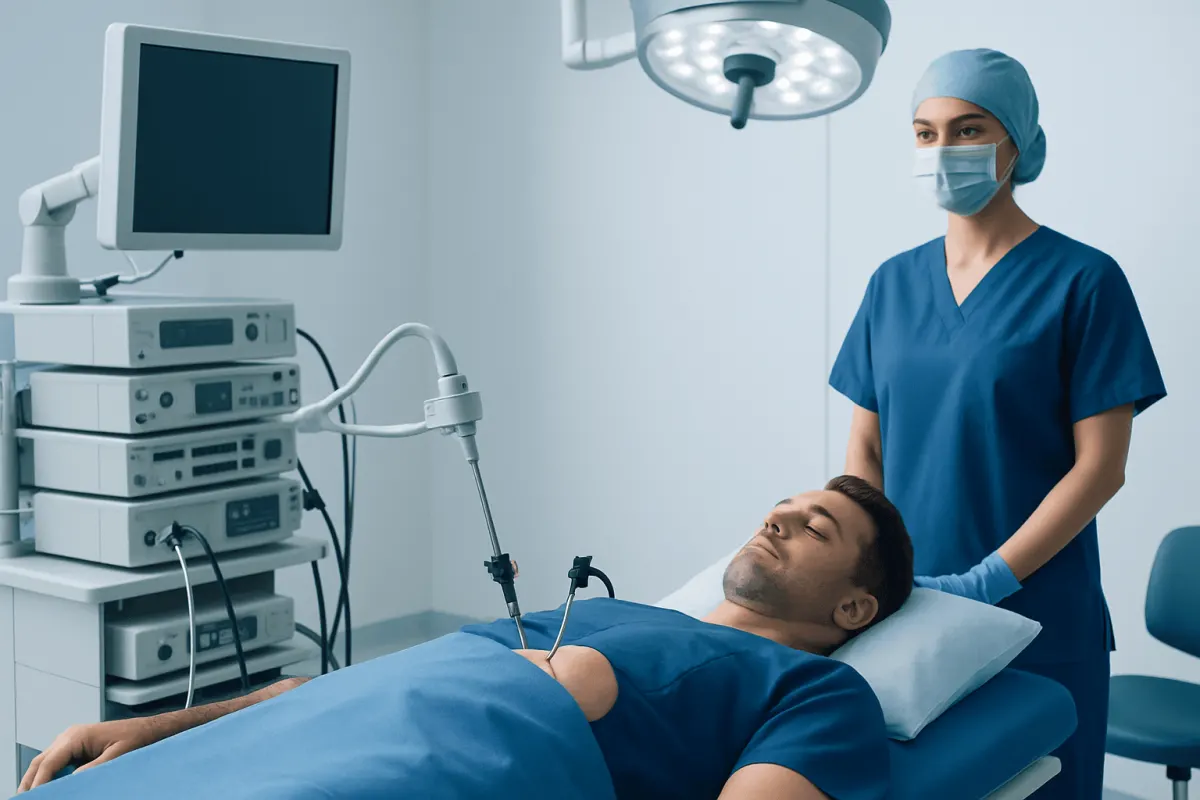
A sleeve stomach operation is most often performed under general anesthesia, so the patient is asleep and does not feel pain during the procedure. In many cases, surgeons use minimally invasive or laparoscopic techniques through several small incisions in the abdomen. This approach often supports faster recovery, less postoperative discomfort, and shorter hospital stay compared with larger open incisions.
After the abdomen is prepared, the surgeon creates access through small ports. A stapling device is used to divide and remove a large curved portion of the stomach, leaving a narrower sleeve-shaped stomach. The remaining stomach still connects normally to the esophagus and small intestine, so food continues to follow the usual digestive pathway.
Throughout the operation, the team closely monitors breathing, heart rate, blood pressure, and oxygen levels. In some centers, the surgical team may check the staple line during the procedure to help confirm that the new stomach sleeve is secure. The removed part of the stomach is then taken out through one of the small incisions, and the incisions are closed.
Exact technique and timing vary from person to person. If a patient has had prior abdominal surgery, scar tissue or an abdominal wall issue such as incisional hernia may affect planning, so the surgeon may discuss this beforehand.
Recovery Room and the First Hospital Day
After surgery, the patient is moved to a recovery area where nurses and doctors monitor waking from anesthesia. Blood pressure, pulse, oxygen level, pain, nausea, and breathing are checked regularly. It is normal to feel sleepy, have a dry mouth, or notice mild discomfort around the incision sites during this period.
Pain relief and anti-nausea medicines are given as needed. Nurses also encourage deep breathing, coughing exercises, and in some cases the use of a breathing device to keep the lungs well expanded. Depending on the hospital protocol, patients are often helped out of bed and encouraged to walk on the same day or the next morning. Early walking is an important part of recovery because it helps circulation, lung function, and bowel activity.
Fluids are usually introduced gradually according to the surgeon’s instructions. Some patients begin with very small sips, while others follow a more specific testing process before oral intake starts. The goal is to make sure the patient can drink safely, stay hydrated, and tolerate the early recovery phase.
Hospital Stay, Diet Progression, and Discharge
The length of hospital stay varies, but many patients go home after a short stay once they are medically stable. Before discharge, the team checks that pain is controlled, the patient can walk, fluids are being tolerated, and there are no signs of an immediate complication. Written instructions are usually provided so the patient and family know what to do at home.
Diet progression after a sleeve stomach operation is gradual. Patients are commonly advised to begin with clear liquids, then advance to fuller liquids, pureed foods, soft foods, and finally a longer-term balanced diet as directed by their bariatric team. Eating too quickly, drinking large amounts at once, or advancing foods too early can cause discomfort, nausea, or vomiting, so following the plan closely is important.
Discharge instructions often include guidance on hydration, activity, wound care, showering, medications, constipation prevention, and vitamin or mineral supplements if prescribed. Patients are usually told to avoid heavy lifting for a period and to increase walking step by step. Return to work depends on the type of job, energy level, and recovery progress.
Follow-up appointments are a routine part of treatment. These visits help the team monitor healing, nutrition, weight loss, and any symptoms that need attention. For international patients, Acıbadem Health Point’s multidisciplinary specialists and JCI-accredited hospitals provide evaluation, surgery, and follow-up planning for bariatric procedures.
Benefits, Risks, and Long-Term Self-Care
A sleeve stomach operation can support substantial weight loss and improvement in many obesity-related health conditions. It may help patients feel full with less food and make healthier portion control more achievable. For many people, the procedure also creates a structured turning point for changes in eating habits, physical activity, and overall health management.
Like any major operation, it also has risks. Possible complications include bleeding, infection, blood clots, leakage from the staple line, narrowing of the stomach sleeve, acid reflux, dehydration, and vitamin or nutrient deficiencies. These risks vary based on the patient’s general health, surgical history, and postoperative recovery, which is why close follow-up is essential.
Long-term success depends on more than the operation itself. Patients usually need regular follow-up with the surgeon, dietitian, and primary doctor; careful hydration; protein-focused and balanced meals; mindful eating; regular movement; and avoidance of smoking. Emotional support can also be valuable, especially during periods of adjustment to new eating patterns and body changes.
In some cases, patients exploring surgery may also hear about non-surgical or less invasive alternatives, such as lifestyle programs or other bariatric procedures. A specialist can help explain when surgery is preferred and when options such as stomach reduction without surgery may or may not be appropriate.
When to Contact a Doctor After Surgery
Patients should contact their surgical team promptly if they have symptoms that seem unusual or are getting worse instead of better. Warning signs can include fever, increasing abdominal pain, shortness of breath, chest pain, repeated vomiting, difficulty drinking fluids, redness or drainage from the incisions, or signs of dehydration such as dizziness and very dark urine.
It is also important to seek medical advice for persistent reflux, ongoing trouble swallowing, severe constipation, leg swelling, or any concern about nutrition and medication tolerance. Even if a symptom turns out to be minor, early communication can help prevent bigger problems and provide reassurance.
Recovery after a sleeve stomach operation is a process rather than a single event. With careful preparation, a clear discharge plan, and steady follow-up, many patients move through the hospital journey safely and begin adapting to their long-term lifestyle changes with confidence.
Frequently asked questions
01How long does a sleeve stomach operation usually take?
The operation time varies depending on the patient and surgical details, but sleeve gastrectomy is commonly completed within a few hours. Additional time is also needed for anesthesia preparation and recovery room monitoring.
02Is a sleeve stomach operation painful?
Some pain or soreness is expected after surgery, especially around the incision sites, but hospitals provide pain relief to help keep patients comfortable. Many people describe the discomfort as manageable and notice gradual improvement over the first days and weeks.
03How long will the patient stay in the hospital?
Many patients stay for a short period, often one to a few days, depending on recovery progress and the hospital’s routine. The care team will only discharge the patient when drinking, walking, pain control, and overall condition are considered satisfactory.
04What can be eaten after discharge?
Eating usually restarts in stages, beginning with liquids and advancing gradually to pureed, soft, and then regular-texture foods according to the bariatric team’s plan. Patients should avoid rushing the process and should follow individual instructions closely.
05Will the patient need vitamins after sleeve gastrectomy?
Many patients are advised to take vitamin and mineral supplements after bariatric surgery to support long-term nutrition. The exact supplements depend on the person’s diet, blood test results, and medical advice from the care team.
06How soon can normal activities begin again?
Light walking usually starts very soon after surgery, often while still in hospital. Return to driving, work, exercise, and lifting depends on recovery, medication use, and the type of activity, so patients should follow their surgeon’s guidance.
07Is weight regain possible after a sleeve stomach operation?
Yes, some weight regain can happen over time, especially if eating habits, physical activity, or follow-up care become difficult to maintain. Ongoing support from the bariatric team can help patients address setbacks early and protect long-term results.
This article is for general information only and is not a substitute for professional medical advice. Please consult a qualified doctor about your individual situation.
Medical weight-loss options in Turkey — costs & eligibility
JCI-accredited · board-certified surgeons · reply within 24h
Add us as a Preferred Source to see more of our trusted health content across Google Search, AI Overviews and Discover.