Stomach Capacity After Gastric Sleeve: Portion Sizes and Eating Changes

After Gastric Sleeve Surgery: BMI Criteria, Health Goals, and Patient Selection" class="ahp-ilk">gastric sleeve surgery, the stomach holds much less food, so meals become smaller, slower and more structured. Understanding portion sizes, diet stages and long-term eating habits helps patients support weight loss while meeting nutrition needs.
Overview: How Stomach Capacity Changes After Gastric Sleeve
Gastric sleeve surgery, also called sleeve gastrectomy, removes a large part of the stomach and leaves a narrow, tube-shaped stomach. Because the new stomach is much smaller, patients feel full after eating much less food than before. This is one reason gastric sleeve surgery can support meaningful weight loss when combined with nutrition guidance, physical activity and ongoing medical follow-up.
Stomach capacity after gastric sleeve is not the same for every person. In the first weeks, capacity is especially limited because the stomach is healing and swelling is present. Many patients begin with sips of fluids and progress slowly. Over time, the stomach becomes less swollen and patients can usually tolerate larger portions, but meals remain much smaller than before surgery.
In the long term, many patients eat about a small side-plate portion at a meal rather than a full restaurant-sized plate. The exact amount depends on healing, food texture, eating speed and individual anatomy. A bariatric team typically provides a staged diet plan and adjusts it based on symptoms, weight-loss progress, blood tests and overall health.
Typical Portion Sizes in the First Months
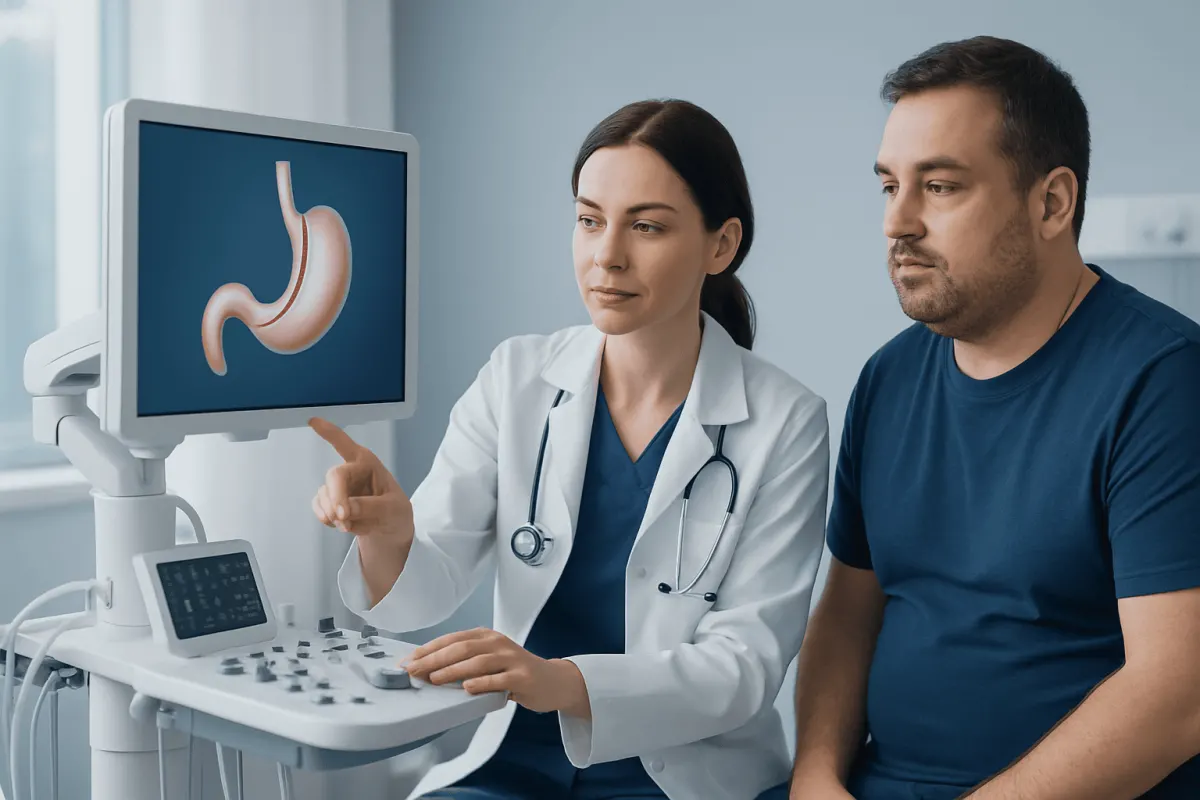
Immediately after surgery, the focus is hydration rather than meal size. Patients usually take tiny sips throughout the day and avoid gulping. During the earliest liquid phase, the stomach may only tolerate small amounts at a time, often measured in teaspoons or small medicine-cup portions. The goal is not to feel full, but to stay comfortable and prevent dehydration.
As the diet advances to pureed and soft foods, portions gradually increase. A typical early meal may be only a few tablespoons of food. Protein foods such as strained yogurt, blended lean meats, eggs or soft fish are often introduced according to the surgeon’s plan. Foods with a dry, tough or sticky texture may be harder to tolerate in the beginning.
By several months after surgery, many patients can eat roughly 60 to 120 milliliters, or about one-quarter to one-half cup, per meal, though this varies. Later, some patients tolerate closer to 120 to 180 milliliters, or about one-half to three-quarters of a cup, especially if the food is soft or moist. These are general ranges, not targets. Eating should stop at early fullness, pressure or discomfort.
Portion size also depends on food type. Liquids and soft foods pass through the sleeve more easily than dense protein or high-fiber vegetables. For this reason, a small amount of chicken, fish or beans may feel more filling than a larger volume of soup. Patients are usually advised to measure portions at first, eat from small plates and learn the body’s new fullness signals.
Diet Stages After Sleeve Gastrectomy
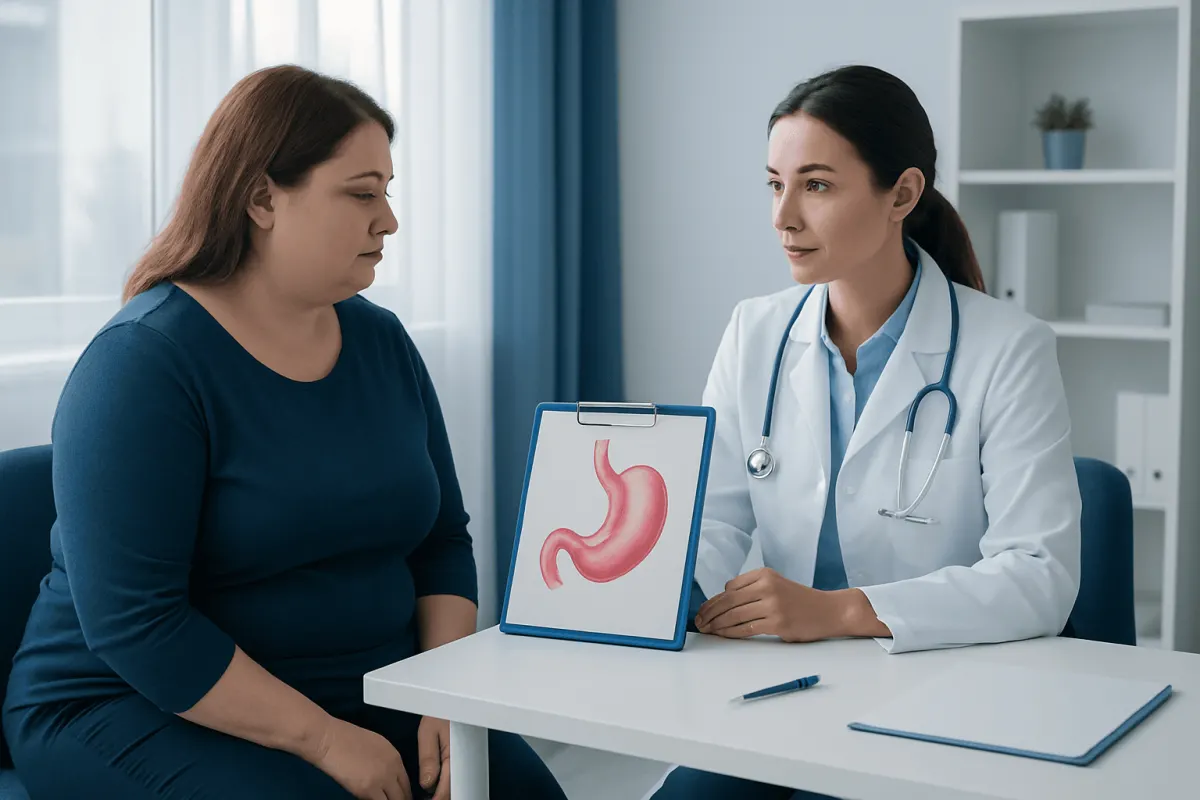
Diet progression after sleeve gastrectomy is gradual. The exact schedule differs by hospital and surgeon, but most plans move from clear liquids to full liquids, then pureed foods, soft foods and finally regular textured foods. Each stage gives the stomach time to heal while helping the patient rebuild protein intake and tolerate a wider variety of foods.
A typical progression may include clear fluids such as water, broth or sugar-free drinks, followed by protein-rich liquids such as milk, kefir or approved protein supplements. Pureed foods are then introduced with a smooth texture and no lumps. Soft foods come next, such as tender fish, scrambled eggs, soft vegetables or well-cooked legumes. Regular foods are added slowly, one at a time, with careful chewing.
The bariatric team may ask patients to prioritize protein at each meal, because protein supports healing, muscle maintenance and satiety. Many patients are encouraged to eat protein first, then vegetables, and only then small amounts of whole grains or fruit if space remains. Sugary drinks, alcohol, fried foods and highly processed snack foods can interfere with recovery and weight-loss goals.
Patients should not rush diet stages even if they feel well. Advancing too quickly can cause nausea, vomiting, pain or food intolerance. If a food does not feel comfortable, it is usually best to pause, return to a tolerated stage as advised, and try again later with guidance from a dietitian or surgeon.
Fullness, Hunger and Eating Cues
After a sleeve gastrectomy, fullness may feel different from fullness before surgery. Instead of a large, stretched sensation, patients may notice pressure in the upper abdomen, tightness behind the breastbone, hiccups, burping, a runny nose, nausea or a sense that one more bite would be too much. These signs should be treated as signals to stop eating.
Hunger can also change. The part of the stomach removed during surgery produces some hunger-related hormones, so many patients feel less hunger early after surgery. However, appetite often returns over time. Emotional eating, stress, lack of sleep and exposure to highly palatable foods can still create cravings even when the stomach is physically small.
Eating slowly is one of the most important habits after surgery. A meal may take 20 to 30 minutes, with small bites and thorough chewing. Patients are commonly advised to avoid drinking with meals and to separate fluids from meals by a period of time, as directed by their care team. This helps prevent overfilling the stomach and may improve tolerance of protein-rich foods.
Regular meal timing can prevent grazing. Grazing means taking small amounts of food repeatedly throughout the day, which can reduce the effectiveness of the smaller stomach. Structured meals, planned snacks if recommended, and attention to physical versus emotional hunger can help patients maintain steady progress.
Common Eating Changes and Food Intolerances
Many patients notice that certain foods are more difficult to tolerate after sleeve surgery, especially in the first months. Dry meats, soft bread, rice, pasta, raw fibrous vegetables, carbonated drinks and very sweet or fatty foods may cause discomfort in some people. Tolerance often improves with time, careful preparation and small portions, but individual differences are common.
Reflux or heartburn can occur in some patients after sleeve gastrectomy. Eating slowly, avoiding large portions, limiting late-night meals and reducing trigger foods may help, but persistent reflux should be discussed with a doctor. A clinician can determine whether medication, diet changes or further evaluation is needed.
Food choices should support both weight loss and nutrition. A smaller stomach means there is less room for foods that do not provide essential nutrients. Helpful habits often include:
- Choosing lean protein at meals, such as fish, poultry, eggs, dairy, tofu or legumes as tolerated.
- Drinking fluids steadily between meals to support hydration.
- Taking prescribed vitamins and minerals consistently.
- Limiting sugar-sweetened drinks, alcohol and frequent high-calorie snacks.
- Keeping meals moist and tender, especially during early recovery.
Patients who struggle with repeated vomiting, inability to meet fluid goals or ongoing food avoidance need prompt follow-up. A dietitian can help adjust texture, timing and food selection, while the surgeon can check for medical issues that may affect swallowing or stomach emptying.
Long-Term Nutrition, Supplements and Weight Maintenance
Long-term eating after sleeve gastrectomy is not a temporary diet; it is a new pattern of smaller, balanced meals. Weight loss is usually most rapid in the early months, then slows as the body adapts. Continued progress depends on nutrition quality, physical activity, sleep, mental health and regular follow-up. Bariatric surgery is a tool, and the strongest results come when it is paired with lifelong lifestyle care.
Because food intake is reduced, vitamin and mineral supplementation is usually needed. The exact supplements may include a bariatric multivitamin and additional nutrients such as vitamin B12, iron, calcium or vitamin D, depending on the patient’s blood tests and medical history. Supplements should be taken as prescribed, because deficiencies can develop gradually and may not cause symptoms at first.
Weight regain can happen if the sleeve is regularly overfilled, if high-calorie liquids are consumed often, or if grazing becomes a daily pattern. This does not mean a patient has failed. It means the care plan needs review. Dietitians, psychologists, exercise specialists and physicians can help identify barriers and create practical strategies.
Ongoing care also includes monitoring obesity-related conditions such as type 2 diabetes, high blood pressure, sleep apnea, fatty liver disease and joint pain. For patients receiving care for obesity, bariatric follow-up is part of broader metabolic health management, not only a focus on the number on the scale.
When to See a Doctor and How Follow-Up Helps
Patients should contact their bariatric team if they cannot keep fluids down, have repeated vomiting, worsening abdominal pain, persistent reflux, difficulty swallowing, signs of dehydration, or unexplained weakness. These symptoms do not always mean a serious problem, but they should be assessed promptly so recovery stays on track. Routine follow-up visits are also important even when the patient feels well.
Follow-up appointments usually include weight review, nutrition assessment, medication adjustment and blood tests to check for deficiencies. Patients should bring questions about portion size, hunger, exercise, constipation, reflux or emotional eating. The more specific the discussion, the easier it is for the team to tailor advice.
International patients may benefit from coordinated care before and after travel. Acıbadem Health Point’s multidisciplinary specialists and JCI-accredited hospitals diagnose and treat patients seeking sleeve gastrectomy and related bariatric care, including sleeve gastrectomy follow-up, with individualized medical assessment. Patients should continue long-term monitoring with qualified healthcare professionals in their home country as well.
Frequently asked questions
01How much food can the stomach hold after gastric sleeve surgery?
Capacity is very small at first because the stomach is both surgically reduced and swollen from healing. Over several months, many patients tolerate small meals of about one-quarter to three-quarters of a cup, depending on the food and individual recovery. The safest guide is to follow the bariatric team's plan and stop at early fullness.
02Will the stomach stretch after a gastric sleeve?
The sleeve can adapt somewhat over time, and patients usually eat more months after surgery than they did immediately after the operation. However, it does not return to its original size. Regular overeating, frequent grazing and high-calorie liquids can reduce weight-loss success, so long-term habits matter.
03Why is eating too fast uncomfortable after sleeve gastrectomy?
The smaller stomach fills quickly and has less room to accommodate large bites. Eating too fast can cause pressure, nausea, hiccups, reflux or vomiting. Small bites, thorough chewing and a calm meal pace help the stomach empty more comfortably.
04When can patients eat normal food after gastric sleeve?
Most patients return to regular textured foods gradually after progressing through liquid, pureed and soft food stages. The timing varies by surgeon and healing progress. Even when regular foods are allowed, portions remain small and protein is usually prioritized.
05Can patients drink water with meals after gastric sleeve?
Many bariatric programs advise separating fluids from meals to avoid overfilling the sleeve and to leave room for protein-rich foods. Patients are usually encouraged to sip fluids steadily between meals instead. The exact timing should follow the instructions from the surgical team.
06What should patients do if they feel hungry all the time after gastric sleeve?
Persistent hunger may be related to meal composition, low protein intake, dehydration, poor sleep, stress or emotional eating. A bariatric dietitian can review meal timing and food choices, while a clinician can check for medical contributors. Patients should not respond by grazing all day, because this can undermine progress.
This article is for general information only and is not a substitute for professional medical advice. Please consult a qualified doctor about your individual situation.
Medical weight-loss options in Turkey — costs & eligibility
JCI-accredited · board-certified surgeons · reply within 24h
Add us as a Preferred Source to see more of our trusted health content across Google Search, AI Overviews and Discover.