Allergic Reaction Around the Eyes: Symptoms and Care
An allergic reaction around eyes often causes itchy, watery, red eyes or puffy eyelids after exposure to triggers such as pollen, dust mites, pet dander, cosmetics or skin-care products. Symptoms are usually manageable, but pain, vision changes, marked one-sided swelling or breathing symptoms require prompt medical assessment.
Overview: What an allergic reaction around the eyes means
An allergic reaction around eyes is an immune response to a normally harmless substance, called an allergen. It may affect the eye surface, causing <a href="https://acibademhealthpoint.com/diseases/allergic-conjunctivitis/”>Conjunctivitis: Symptoms, Causes and Treatment" class="ahp-ilk">allergic conjunctivitis, the delicate eyelid skin, or both. Typical symptoms include itching, redness, watering, a gritty sensation and swelling of the eyelids.
Allergies often affect both eyes and may occur alongside sneezing, a runny nose or nasal itching. Although eye allergy symptoms can feel uncomfortable, they do not usually damage eyesight. However, not every red or swollen eye is caused by allergy, so symptoms that are severe, persistent or unusual should be assessed by a healthcare professional.
The most useful first steps are to stop exposure to any suspected trigger, avoid rubbing the eyes and use a clean cool compress. Identifying whether symptoms are seasonal, linked to an environment or started after a new product can help guide prevention and treatment.
Common symptoms and patterns
Itching is one of the strongest clues that allergy is involved. People may also notice watery eyes, redness in the white of the eye, mild burning, stringy or clear mucus, and puffy upper or lower eyelids. Symptoms may fluctuate during the day and can worsen outdoors during pollen season or after exposure to an indoor trigger.
Allergic symptoms frequently affect both eyes, though one eye can seem worse if it has had more direct exposure or has been rubbed more often. Eyelid skin may become dry, flaky or irritated when a contact allergy develops from a product applied near the face.
- Seasonal pattern: symptoms recur during times of high tree, grass or weed pollen.
- Indoor pattern: symptoms are more noticeable at home, in bedrooms or around pets, dust or mold.
- Product-related pattern: irritation begins after a new cosmetic, sunscreen, hair product, eye drop, contact lens solution or nail product.
- Associated nasal symptoms: sneezing and nasal congestion may support an allergy-related cause.
Symptoms such as thick yellow or green discharge, eyelids stuck together on waking, significant pain or a sensation that something is stuck in the eye may suggest another problem rather than a simple allergy. A clinician can help distinguish these conditions safely.
Triggers, causes and risk factors
When an allergen contacts the eye or eyelid area, immune cells can release histamine and other substances that cause itching, tearing and swelling. Airborne allergens are common triggers. These include pollens, pet dander, dust mites and mold spores, and exposure may be greater in dry, windy conditions or during particular seasons.
Contact reactions can occur when the eyelid skin encounters an irritating or allergy-causing substance. Fragrances, preservatives, eye makeup, false-eyelash adhesives, skin-care products, hair dyes, nail cosmetics and some eye drops are possible causes. The eyelid skin is thin and sensitive, and substances transferred from the hands can also trigger a reaction.
People with hay fever, asthma, eczema or a family history of allergic disease may be more prone to eye allergies. Wearing contact lenses may make symptoms feel more noticeable because allergens can collect on lenses. This does not mean contact lenses cause the allergy, but a temporary break from lens wear is often sensible while symptoms are active.
Some conditions can resemble an allergic reaction around the eyes. These include viral or bacterial conjunctivitis, dry eye disease, blepharitis, styes, rosacea-related eye inflammation and skin conditions such as eczema. Recurrent symptoms or uncertainty about the cause are good reasons to seek professional advice.
How clinicians assess the problem
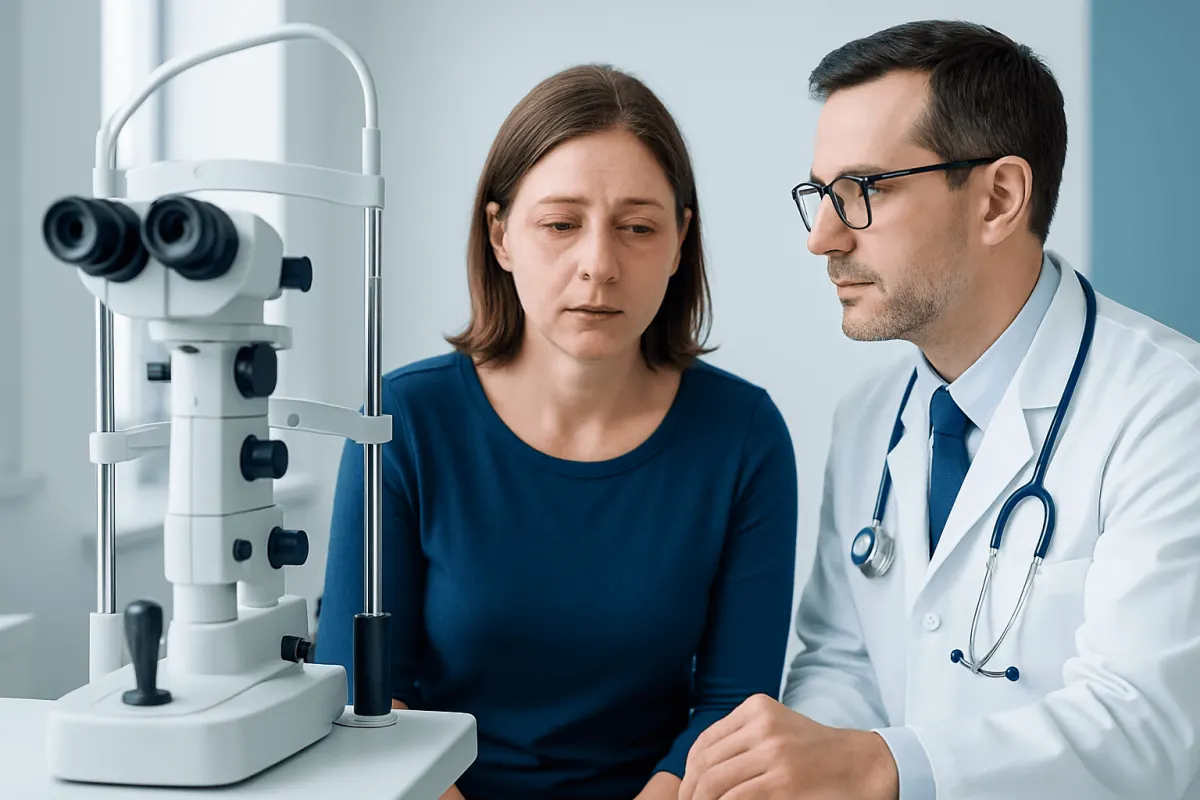
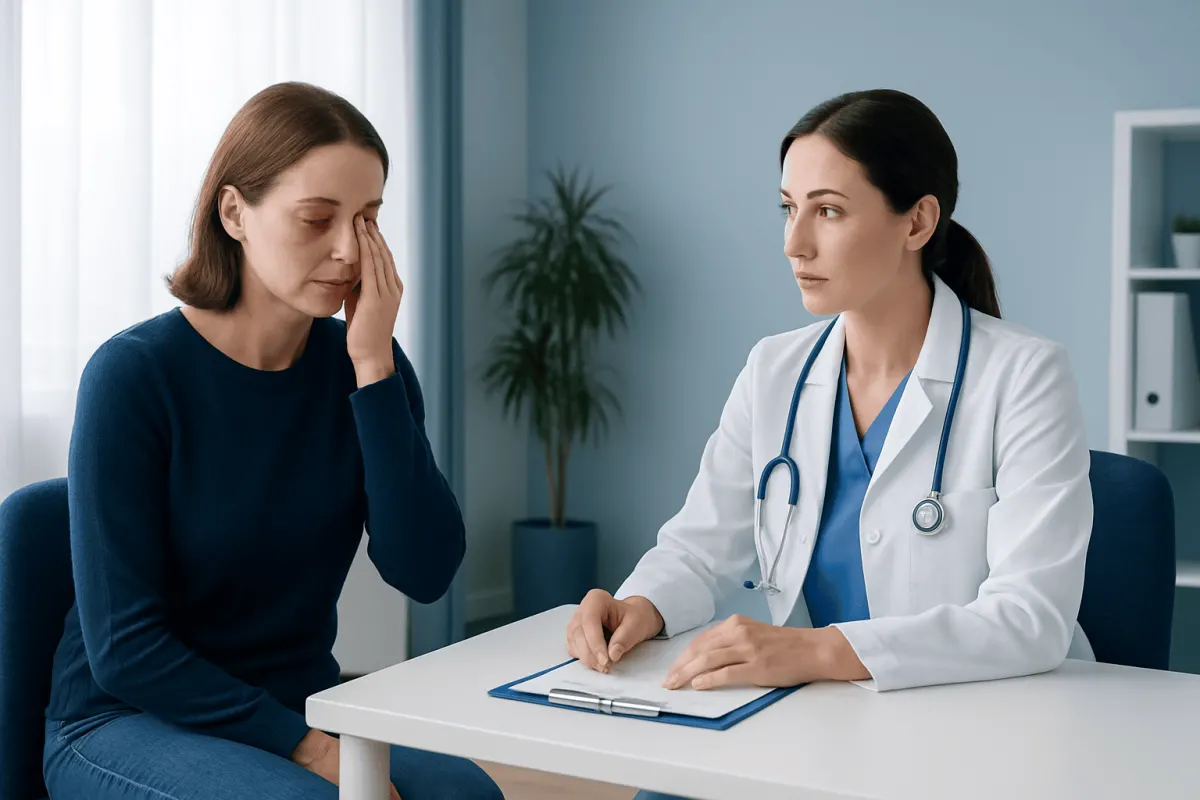
Diagnosis is often based on the symptom pattern, possible exposures and an examination of the eyes and surrounding skin. A clinician may ask when symptoms began, whether both eyes are involved, what products have been used, whether there are nasal allergy symptoms, and whether contact lenses are worn.
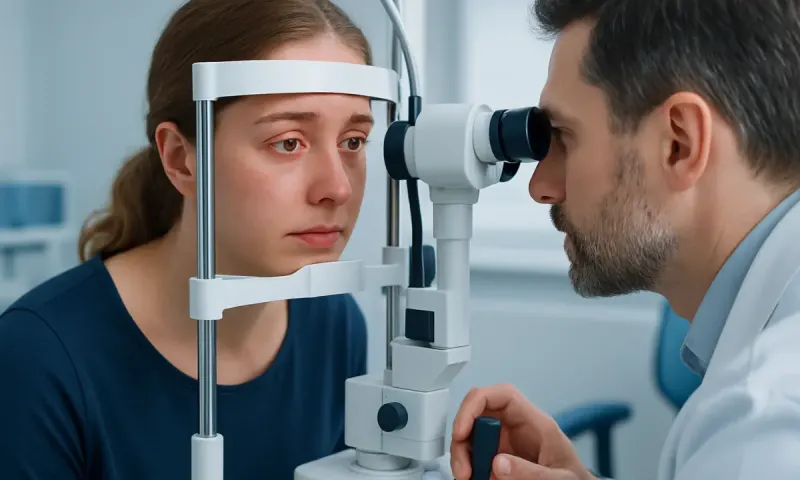
An eye examination can check the eyelids, conjunctiva and cornea, as well as vision when needed. This is particularly important when there is pain, light sensitivity, discharge, injury, contact lens use or a concern about infection. These findings help rule out conditions that require different treatment.
For repeated or difficult-to-control symptoms, an allergy specialist may consider testing based on the person’s history. Patch testing can be useful when allergic contact dermatitis of the eyelids is suspected, while other allergy tests may help identify relevant environmental allergens. Test results must be interpreted alongside symptoms because a positive test alone does not always prove the cause.
Photographs taken during flare-ups and a short record of products, activities and environments before symptoms occur can be helpful at an appointment. Patients should not deliberately re-expose themselves to a suspected product or allergen in order to test whether it is responsible.
Treatment options and safe relief
Treatment depends on the cause, severity and whether the eye surface, eyelid skin or both are involved. Avoiding the trigger is the foundation of care. A clean cool compress placed gently over closed eyelids for several minutes can reduce puffiness and soothe itching. Artificial tears may help rinse allergens from the eye and improve comfort.
Pharmacists or clinicians may recommend allergy eye drops, such as antihistamine or mast-cell stabilizing drops, for appropriate patients. Oral antihistamines can help when eye symptoms occur with hay fever, although some people find that these medicines worsen dry-eye symptoms. A qualified professional can advise on the most suitable option, especially for children, pregnant people and those with other medical conditions.
Do not use redness-relieving drops repeatedly without medical guidance, as frequent use can cause rebound redness. Steroid eye drops should only be used under ophthalmology supervision because they may cause important complications if used incorrectly. Steroid creams near the eyes also require caution and should not be self-started without clinical advice.
During a flare, it is usually best to stop contact lens wear and avoid eye makeup until the eyes are comfortable again. Lenses, cases and cosmetics may need to be replaced if they are contaminated or if a product is suspected as the trigger. Persistent symptoms may benefit from assessment through ophthalmology care or allergy-focused review.
Prevention and everyday self-care
Practical changes can reduce repeated exposure. During high-pollen periods, keeping windows closed when feasible, showering after time outdoors and changing clothes can limit pollen transfer to the face and bedding. Sunglasses that fit closely around the eyes may provide a modest physical barrier outdoors.
For indoor triggers, regular cleaning with methods that reduce dust, washing bedding routinely and addressing dampness or visible mold can be useful. Pet allergens can be difficult to eliminate completely, but keeping pets out of the bedroom and washing hands after contact may reduce exposure for some people.
Choose fragrance-free, gentle products around the eyes where possible, and introduce one new cosmetic or skin-care item at a time. If a reaction begins after a product is used, stop it and keep the packaging or ingredient list for a clinician to review. Avoid rubbing the eyes, as rubbing can intensify inflammation and further irritate the skin.
Hand hygiene is also important because allergens, cosmetics and irritants can be transferred from the fingers to the eyes. If symptoms are frequent, a healthcare professional can help create an individualized plan for seasonal prevention or investigate a possible contact allergy.
When to seek medical care
Urgent medical care is needed for trouble breathing, wheezing, throat tightness, faintness, widespread hives, or rapid swelling of the lips, tongue or face. These can be signs of a severe systemic allergic reaction and should not be managed at home.
Prompt eye assessment is important for eye pain, changes in vision, marked sensitivity to light, inability to open the eye, severe redness, a feeling of something embedded in the eye, injury or chemical exposure. People who wear contact lenses and develop a red, painful eye should seek same-day medical advice because some corneal problems require early treatment.
A doctor should also evaluate fever, warm and tender swelling around one eye, worsening one-sided eyelid swelling, thick discharge, or symptoms that do not improve after avoiding likely triggers and using basic supportive measures. These features may point to infection or another condition rather than allergy.
Acıbadem Health Point’s multidisciplinary specialists and JCI-accredited hospitals can assess eye and allergy-related concerns for international patients when further evaluation is needed.
Frequently asked questions
01How long does an allergic reaction around the eyes last?
Symptoms can improve within hours to a few days once the trigger is avoided and appropriate supportive care is used. They may continue or return when exposure persists, such as throughout a pollen season. Persistent or recurring symptoms should be reviewed by a clinician.
02Can an allergic reaction around the eyes affect only one eye?
Allergies more often affect both eyes, but one eye may be more symptomatic because of unequal exposure or rubbing. One-sided swelling can also have other causes, including a stye, infection or skin irritation. A healthcare professional should assess marked or worsening one-sided symptoms.
03Should contact lenses be worn during an eye allergy flare?
It is generally best to stop wearing contact lenses while the eyes are red, itchy or watery. Lenses can hold allergens and increase discomfort, and they should not be worn if pain, light sensitivity or reduced vision develops. A clinician can advise when it is safe to resume use.
04Can makeup cause swollen, itchy eyelids?
Yes. Cosmetics, makeup removers, fragrances, eyelash adhesives and preservatives can irritate the eyelid skin or cause allergic contact dermatitis. Stopping the suspected product is important, and repeat reactions may warrant patch testing or dermatology and allergy assessment.
05What is the difference between eye allergy and eye infection?
Eye allergy commonly causes itching, clear tearing and symptoms in both eyes, often with sneezing or other allergy symptoms. Infection may cause thicker discharge, eyelids sticking together, discomfort and sometimes symptoms beginning in one eye. Because signs can overlap, a clinician should assess uncertain, severe or persistent cases.
06Can cool compresses help puffy eyes from allergies?
Yes. A clean cool compress over closed eyes can temporarily reduce swelling and soothe itching. It should be used gently, without pressure, and shared towels or compresses should be avoided to reduce the risk of spreading infection if the cause is uncertain.
This article is for general information only and is not a substitute for professional medical advice. Please consult a qualified doctor about your individual situation.
Explore treatments in Turkey — costs, top hospitals & a free quote
JCI-accredited · board-certified surgeons · reply within 24h
Add us as a Preferred Source to see more of our trusted health content across Google Search, AI Overviews and Discover.