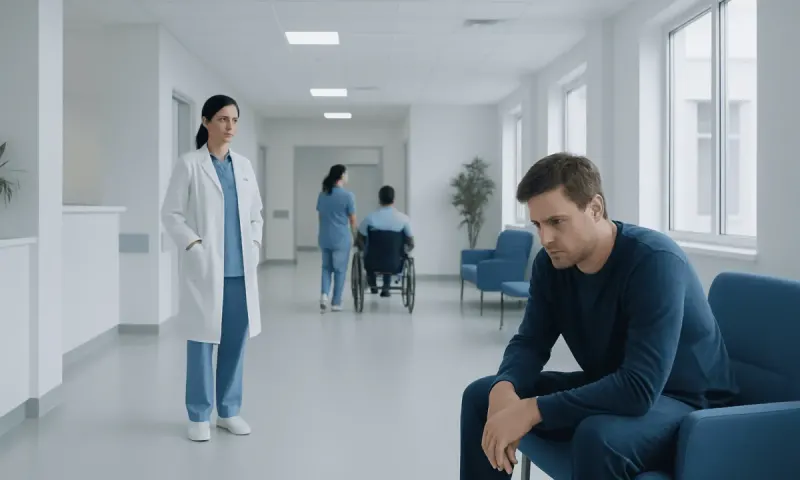
Signs of Depression: Early Warning Symptoms in Adults and Teens

Signs of depression can affect mood, thinking, sleep, energy, appetite, and daily functioning. Recognizing early warning symptoms in adults and teens can help people seek support sooner and start effective treatment.
Overview
Depression is a common mental health condition that affects how a person feels, thinks, and functions in daily life. It is not simply a passing low mood or a sign of personal weakness. Most people have sad or stressful days, but depression typically lasts longer, causes more disruption, and can make even routine tasks feel difficult.
The signs of depression may appear gradually or become noticeable after a stressful life event, illness, or period of ongoing pressure. In some people, symptoms are mainly emotional, such as sadness or hopelessness. In others, the first clues may be physical, including poor sleep, appetite changes, low energy, or unexplained aches.
Depression can affect adults, teenagers, and children, but symptoms do not always look the same at every age. Adults may describe loss of motivation or emotional numbness, while teens may become more irritable, withdrawn, or sensitive. Early recognition matters because timely support can improve quality of life and reduce the risk of symptoms becoming more severe.
Signs and Symptoms in Adults
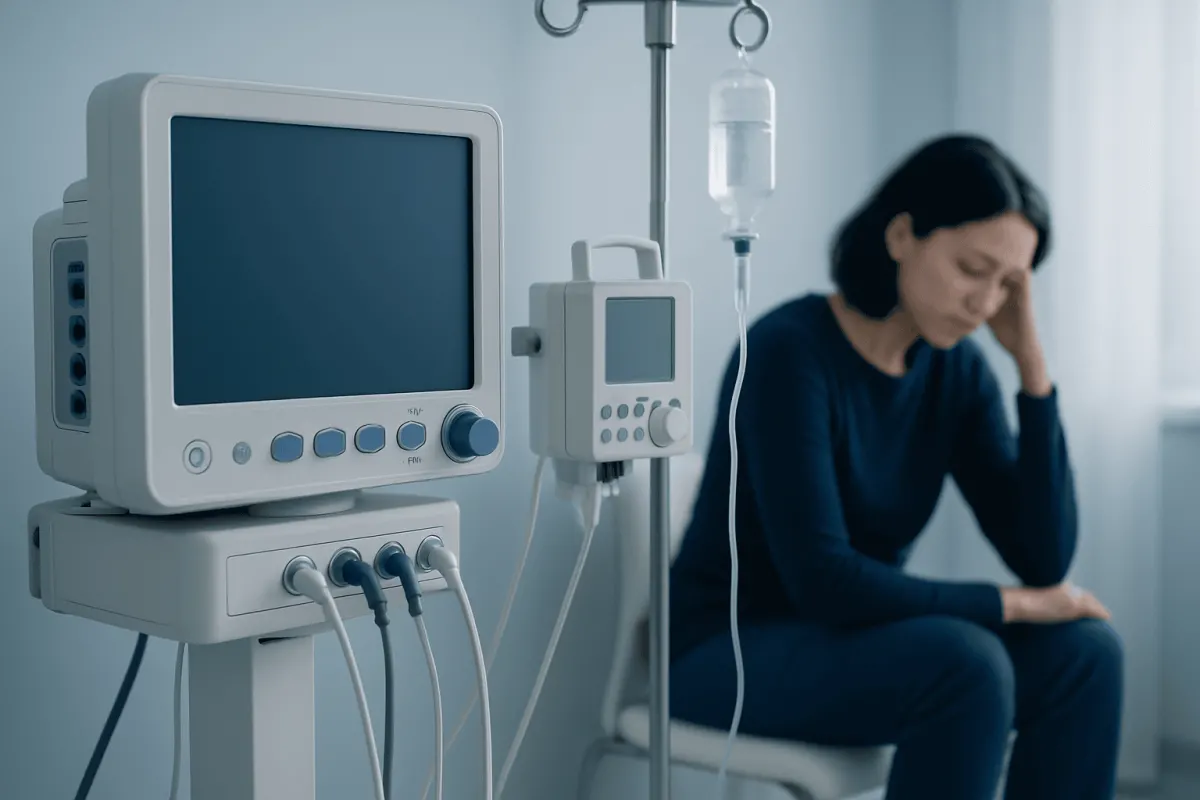
Common signs of depression in adults include a persistent low mood, loss of interest or pleasure in usual activities, and a feeling that things are harder than they used to be. A person may stop enjoying hobbies, avoid social contact, or struggle to keep up with work and household responsibilities. Some describe feeling empty, tearful, hopeless, guilty, or emotionally flat.
Depression also affects thinking and concentration. Adults may have trouble focusing, making decisions, remembering details, or staying productive. They may become more self-critical than usual or dwell on worries, mistakes, and negative thoughts about the future.
Physical symptoms are also common. These can include fatigue, sleep changes, appetite or weight changes, slower movement or speech, restlessness, headaches, body aches, or digestive discomfort. Not everyone has every symptom, and some people seem outwardly functional while still feeling deeply unwell.
- Persistent sadness, emptiness, or hopelessness
- Loss of interest in work, hobbies, or relationships
- Sleeping too little or too much
- Changes in appetite or weight
- Low energy or feeling slowed down
- Poor concentration or indecisiveness
- Feelings of worthlessness or excessive guilt
- Thoughts of death, self-harm, or suicide
How Depression May Look in Teens
Teen depression can be missed because mood changes are sometimes assumed to be part of growing up. However, ongoing changes in emotions, behavior, school performance, or relationships may point to a deeper problem. Instead of describing sadness, a teenager may seem irritable, angry, easily frustrated, or unusually sensitive to criticism.
Many teens with depression begin withdrawing from friends, family activities, sports, or interests they previously enjoyed. They may spend more time alone, lose motivation, skip classes, or have falling grades. Some develop changes in sleep and appetite, while others complain of headaches, stomachaches, or general tiredness without a clear physical cause.
Risk-taking behavior, increased conflict at home, or use of alcohol or drugs can sometimes be linked to depression. Because teens may hide how they feel, parents, teachers, and caregivers should pay attention to patterns that persist for weeks and interfere with daily life. A supportive, calm conversation can be an important first step toward help.
Causes and Risk Factors
Depression does not have one single cause. It usually develops through a combination of biological, psychological, and environmental factors. A family history of depression can increase risk, suggesting a genetic component. Brain chemistry and hormone changes may also play a role, although depression is more complex than any one chemical imbalance.
Stressful life events can trigger or worsen symptoms. These may include grief, relationship problems, family conflict, financial strain, chronic stress, bullying, trauma, or major life changes. In teens, social pressures, academic demands, identity concerns, and online stress can add to emotional strain.
Medical conditions can contribute to depression or overlap with it. Chronic pain, thyroid disorders, neurological disease, sleep disorders, substance use, and some medications may affect mood and energy. Depression can also occur alongside anxiety and other mental health conditions, and some symptoms may overlap with panic attacks or persistent stress reactions. A careful medical assessment helps identify the full picture and guide treatment.
How Depression Is Diagnosed
Depression is diagnosed through a clinical assessment rather than a single blood test or scan. A doctor, psychiatrist, or psychologist asks about symptoms, how long they have been present, how severe they are, and how much they affect work, school, relationships, sleep, appetite, and safety. Standardized questionnaires may also be used to support evaluation.
The clinician may ask about personal and family mental health history, current stressors, substance use, medications, and any past episodes of depression. In teenagers, it is often helpful to speak with both the young person and a parent or caregiver, while still respecting the teen’s privacy as appropriate.
Because some physical illnesses can mimic or worsen depression, a doctor may recommend a general medical review and selected tests. This helps rule out contributing problems such as thyroid disease, anemia, vitamin deficiencies, or medication side effects. Accurate diagnosis is important because symptoms can overlap with anxiety disorders, grief, burnout, bipolar disorder, and other conditions.
Treatment Options and Support
Depression is treatable, and many people improve with the right combination of care. Treatment depends on age, symptom severity, personal history, safety concerns, and individual preferences. For mild to moderate depression, structured talking therapies are often a key part of care. Common approaches include cognitive behavioral therapy, interpersonal therapy, and supportive counseling. These can help a person understand thought patterns, build coping skills, and reconnect with routines and relationships.
For moderate to severe depression, medication may also be recommended. Antidepressants can be effective for some people, especially when symptoms are persistent or significantly affect functioning. Medication decisions should always be made with a qualified clinician, who can explain possible benefits, side effects, and follow-up needs. In more complex situations, a person may need specialist psychiatric care as part of a broader treatment plan.
Support beyond formal treatment also matters. Family involvement, school accommodations, workplace adjustments, regular follow-up, and healthy routines can all help recovery. When depression is linked to trauma, stress-related conditions, or substance use, treatment may include additional therapies and coordinated support. In selected cases, structured psychological counseling and supervised rehabilitation services can help a person rebuild daily functioning and confidence over time.
Self-care, Prevention, and Daily Support
Self-care does not replace treatment, but it can support recovery and help reduce relapse risk. Useful habits include maintaining a regular sleep schedule, eating balanced meals, staying physically active, limiting alcohol and recreational drugs, and spending time in daylight when possible. Small, realistic goals are often more helpful than trying to change everything at once.
Social connection also matters. Depression often encourages isolation, but gentle contact with trusted family members, friends, teachers, or colleagues can make a difference. Keeping a simple routine, breaking tasks into smaller steps, and reducing self-criticism may help daily life feel more manageable.
Prevention is not always possible, but early attention to stress, sleep problems, anxiety, and major life changes may lower the chance of symptoms becoming more severe. People who have had depression before may benefit from recognizing their personal warning signs and seeking help early. Near the end of recovery, ongoing follow-up can be useful to strengthen coping strategies and reduce recurrence. Acıbadem Health Point’s multidisciplinary specialists in JCI-accredited hospitals also diagnose and treat depression-related conditions for international patients when specialist assessment is needed.
When to See a Doctor
A person should consider professional help if signs of depression last more than two weeks, keep returning, or begin affecting work, school, relationships, sleep, eating, or self-care. It is also important to seek assessment when symptoms seem out of proportion to a recent stressor or when a person feels unable to cope. Early support can often prevent symptoms from becoming more disruptive.
Urgent help is needed if someone talks about wanting to die, expresses hopelessness about the future, gives away belongings, engages in self-harm, or seems unable to stay safe. Sudden severe agitation, confusion, or risky behavior also deserves immediate medical attention. If there is immediate danger, emergency services or the nearest emergency department should be contacted right away.
For teenagers, adults should not ignore major behavior changes, persistent withdrawal, sharp declines in school performance, or repeated unexplained physical complaints. A calm, nonjudgmental response is usually more helpful than pressure or criticism. Reaching out to a qualified health professional is an important step toward safety and recovery.
Frequently asked questions
01What are the earliest signs of depression?
Early signs of depression often include low mood, loss of interest in usual activities, fatigue, poor concentration, and changes in sleep or appetite. Some people notice irritability, social withdrawal, or feeling emotionally numb before they recognize sadness.
02How do signs of depression differ in teens and adults?
Adults often describe sadness, hopelessness, low motivation, or difficulty functioning at work or home. Teens may show more irritability, anger, withdrawal from friends, school problems, or unexplained physical complaints such as headaches or stomachaches.
03Can depression cause physical symptoms?
Yes. Depression can lead to tiredness, sleep disturbance, appetite changes, body aches, headaches, digestive discomfort, and a general sense of low energy. Physical symptoms can sometimes be the main reason a person seeks medical help.
04How long do symptoms need to last before getting help?
If symptoms last more than two weeks, keep returning, or interfere with daily life, it is a good idea to seek professional assessment. Help should be sought sooner if symptoms are severe or safety is a concern.
05Can depression go away without treatment?
Some mild episodes may improve, especially when stress decreases and support is available. However, depression can persist or worsen without treatment, so early evaluation is usually the safer and more effective approach.
06When is depression an emergency?
Depression is an emergency when a person has thoughts of suicide, self-harm, or seems unable to stay safe. Immediate help is also needed if there is severe agitation, confusion, or behavior that puts the person or others at risk.
This article is for general information only and is not a substitute for professional medical advice. Please consult a qualified doctor about your individual situation.
Explore treatments in Turkey — costs, top hospitals & a free quote
JCI-accredited · board-certified surgeons · reply within 24h
Add us as a Preferred Source to see more of our trusted health content across Google Search, AI Overviews and Discover.