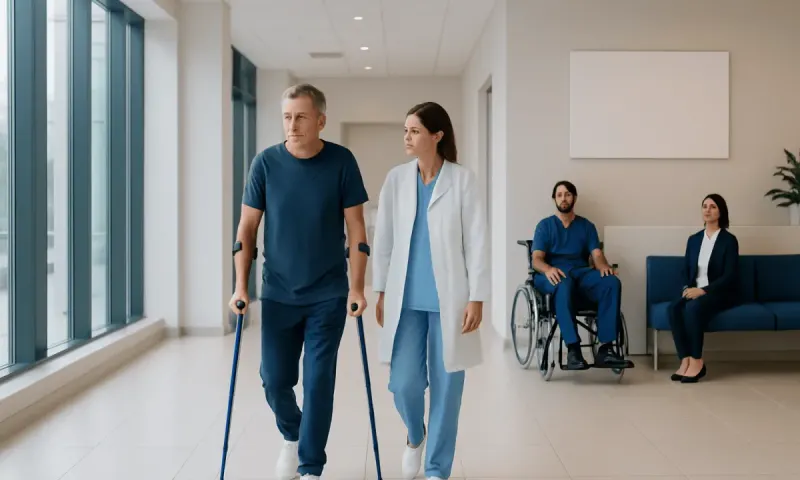
Rehabilitation Risks and Side Effects: What Is Normal and What Is Not
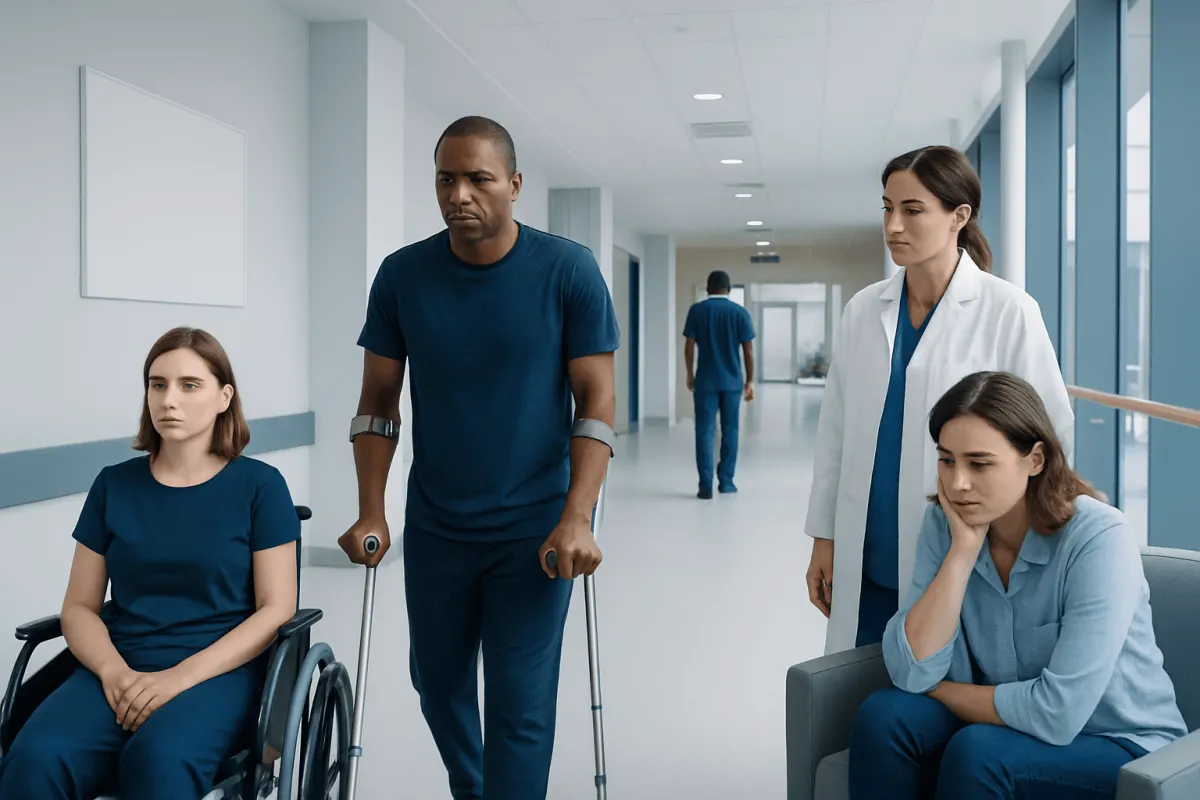
Rehabilitation is designed to help the body recover strength, mobility, function, and confidence after illness, injury, or surgery. Some discomfort and fatigue can be a normal part of progress, but certain symptoms may signal that treatment needs to be adjusted or medical review is needed.
Overview: Why rehabilitation can feel challenging
Rehabilitation is a structured process that helps people regain movement, strength, balance, communication, daily living skills, or independence after an injury, operation, illness, or neurological event. It may include physical therapy, occupational therapy, speech therapy, pain management, exercise training, and education. The goal is to improve function safely and gradually, not to push the body beyond its limits.
Because rehabilitation asks the body and mind to adapt, some temporary side effects are common. Muscles that have been inactive may become sore when they start working again. Fatigue can increase when therapy sessions become more demanding. It is also common for people to feel frustrated or discouraged at times, especially if recovery is slower than expected.
At the same time, rehabilitation should not cause persistent harm. Severe pain, sudden swelling, new neurological symptoms, fainting, or breathing problems are not considered a routine part of recovery. Understanding the difference between expected reactions and warning signs can help patients take part in therapy with more confidence and know when to seek help.
What is usually normal during rehabilitation
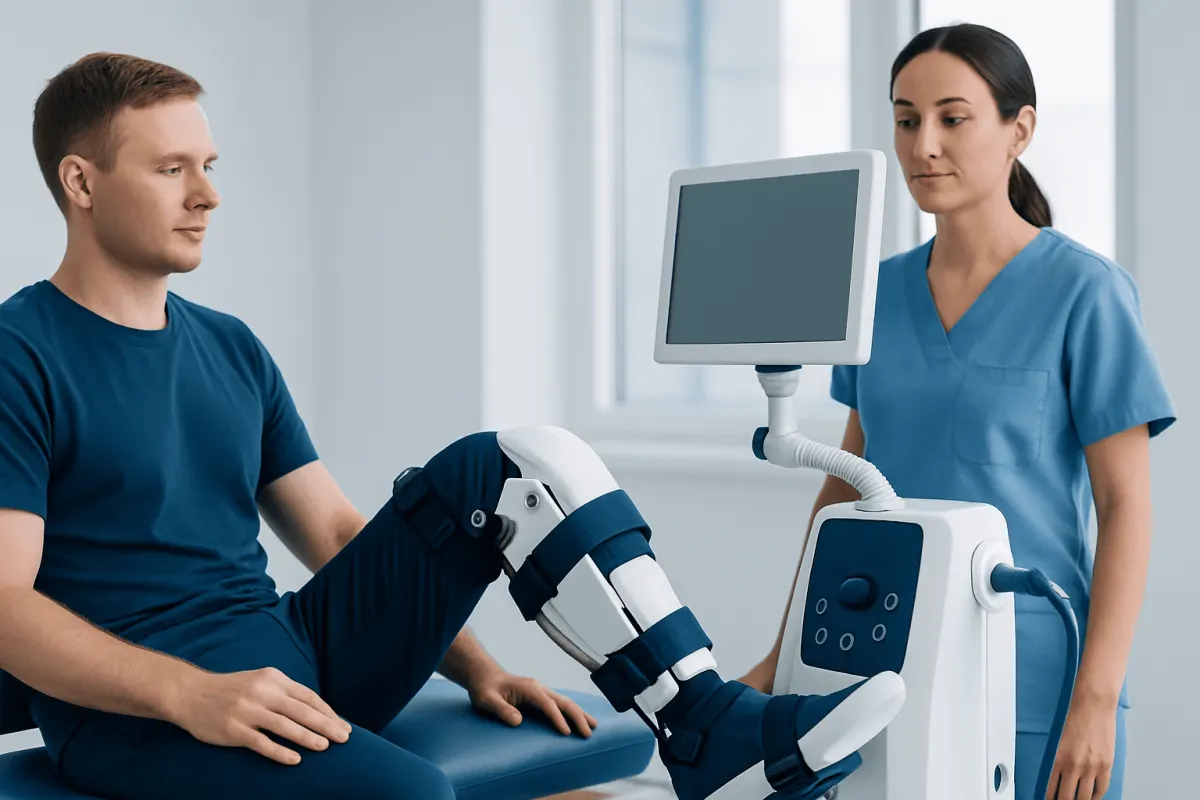
Many people notice mild to moderate muscle soreness after therapy, especially in the first days or after a new exercise is introduced. This kind of soreness often feels similar to the tiredness that follows physical activity and usually improves with rest, hydration, stretching, and time. A temporary increase in stiffness can also occur, particularly after orthopedic injuries or surgery.
Fatigue is another common response. Rehabilitation can be physically and mentally demanding, and energy levels may dip for several hours after a session. Some people also experience short-lived increases in symptoms while the body adjusts, such as mild swelling around a healing joint, temporary trembling in weak muscles, or needing more rest between activities.
Emotional reactions can be normal as well. Recovery often affects independence, work, sleep, and family roles. It is not unusual to feel impatient, worried, or emotionally tired while adapting to these changes. Open communication with the rehabilitation team can help distinguish normal recovery from signs that the treatment plan should be modified.
- Mild muscle soreness that settles within a day or two
- Tiredness after exercise or therapy sessions
- Temporary stiffness when increasing activity
- Short-lived discomfort that improves with rest
- Occasional emotional frustration during recovery
What is not normal: warning signs to watch for
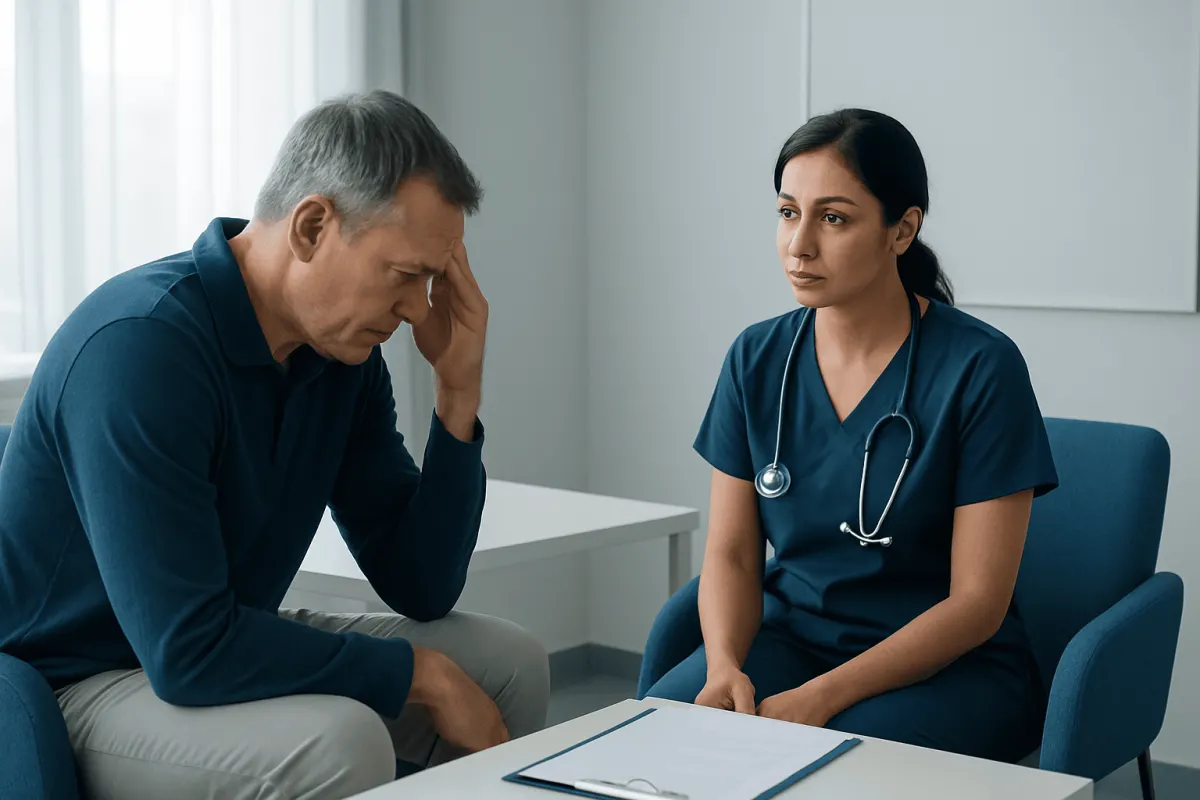
Symptoms are more concerning when they are severe, sudden, worsening, or clearly different from what the care team has explained to expect. Pain that is sharp, intense, or persistent rather than mild and short-lived may suggest overuse, tissue irritation, poor technique, or a complication related to surgery or injury. New swelling, redness, warmth, or fluid leakage around an incision or affected area may point to infection or inflammation that needs medical attention.
Neurological changes should also be taken seriously. These can include new numbness, tingling, weakness, loss of coordination, severe dizziness, confusion, or difficulty speaking. In rehabilitation after stroke, brain injury, spine problems, or nerve injury, a sudden change in function should always be discussed promptly. In some situations, rehabilitation is part of recovery from stroke, and any new one-sided weakness or speech change needs urgent assessment.
General warning signs include chest pain, shortness of breath, fainting, a racing or irregular heartbeat, fever, calf pain with swelling, or a major decline in the ability to bear weight or move. These symptoms are not a normal part of standard rehabilitation and may require urgent medical review. If a patient is uncertain, it is usually safer to pause activity and contact a qualified healthcare professional.
Common risks and side effects of rehabilitation
The specific risks of rehabilitation depend on the person’s condition and the type of therapy being used. Physical rehabilitation may lead to overuse soreness, joint irritation, falls, dizziness, or temporary flare-ups of pain if exercises are progressed too quickly. After surgery, therapy can occasionally stress healing tissues if movement exceeds the stage of recovery. This is one reason programs are usually adjusted step by step.
People in neurological rehabilitation may face balance problems, fatigue, spasticity, or difficulty concentrating during therapy. Those recovering from major illness or prolonged bed rest may notice low endurance, lightheadedness when standing, or muscle weakness. Cardiac or pulmonary rehabilitation may bring short periods of exertional tiredness, but symptoms such as chest pressure or marked breathlessness are not expected and need attention.
There can also be psychological side effects. Repeated setbacks, pain, sleep disruption, or dependence on others may contribute to stress, low mood, or loss of motivation. These experiences are real and important. Support from clinicians, family, and mental health professionals can make rehabilitation safer and more effective, especially when emotional health affects participation.
- Muscle soreness or temporary pain flare-ups
- Fatigue and reduced energy after sessions
- Dizziness or balance difficulties
- Joint strain or soft tissue irritation
- Emotional stress, anxiety, or discouragement
- Falls or re-injury if activity is not well supervised
Who may be at higher risk of complications
Some people need closer monitoring during rehabilitation because they have a higher chance of side effects or setbacks. This includes older adults, people recovering from major surgery, and those with heart disease, lung disease, diabetes, osteoporosis, or poor circulation. Taking blood thinners, sedating medicines, or multiple medications can also affect balance, bleeding risk, blood pressure, and exercise tolerance.
The nature of the underlying condition matters as well. Recovery after joint replacement, spinal surgery, fractures, stroke, or prolonged intensive care may require especially careful progression. For example, people receiving rehabilitation after orthopedic operations may benefit from structured follow-up and, when appropriate, knee replacement or hip replacement aftercare plans tailored to the stage of healing.
Low baseline fitness, pain that is not well controlled, dehydration, poor nutrition, and unrealistic expectations can also interfere with safe recovery. A personalized program helps reduce these risks. The best rehabilitation plans consider medical history, current symptoms, home support, and the person’s own goals rather than using the same schedule for everyone.
How rehabilitation teams reduce risk
Safe rehabilitation starts with a careful assessment. Clinicians usually review the diagnosis, recent procedures, pain levels, medications, balance, strength, sensation, and any activity restrictions. They use this information to set realistic goals and choose suitable exercises, equipment, and therapy intensity. Monitoring continues throughout recovery so the plan can be adjusted if symptoms change.
Education is a central part of risk reduction. Patients are often taught how much discomfort is acceptable, how to protect healing tissues, when to stop an activity, and how to pace effort over the day. Proper technique matters. Whether the focus is walking, stair climbing, balance work, or range-of-motion exercises, correct form can lower the chance of strain or falls.
Rehabilitation may also be combined with other treatments when needed. This can include physical therapy and rehabilitation programs, pain management, mobility aids, or specialist reviews. In more complex cases, such as recovery after neurological disease or surgery, multidisciplinary care helps coordinate treatment. Acıbadem Health Point’s multidisciplinary specialists in JCI-accredited hospitals diagnose and treat rehabilitation needs for international patients when advanced evaluation and follow-up are required.
Self-care tips for safer recovery
Patients can play an important role in making rehabilitation safer. Following the recommended home program, warming up appropriately, and avoiding sudden increases in activity can help prevent setbacks. Rest days and recovery time are also part of treatment, not a sign of failure. The body often improves between sessions as tissues adapt.
Good hydration, balanced nutrition, sleep, and pain control support healing and make exercise more tolerable. It can help to keep a simple symptom diary that notes pain levels, fatigue, swelling, dizziness, and any changes after therapy. This gives the rehabilitation team useful information about what is helping and what may need to change.
Falls prevention is especially important for people with weakness, balance problems, or recent surgery. Supportive footwear, clear walking paths, handrails, and using prescribed devices correctly can reduce risk. If a person is recovering after conditions such as Parkinson’s disease or major joint problems, extra supervision may be needed during mobility training.
- Increase exercise gradually rather than all at once
- Stop and report severe or unusual symptoms
- Use braces, canes, walkers, or supports as advised
- Prioritize sleep, hydration, and regular meals
- Keep follow-up appointments and ask questions early
When to contact a doctor or seek urgent help
A patient should contact the rehabilitation team or doctor if symptoms are getting worse instead of gradually improving, or if therapy causes pain that does not settle with normal recovery measures. Persistent swelling, redness, warmth, drainage from a wound, or a new inability to perform activities that were previously manageable should also be reviewed. These signs may mean the program needs to be changed or a complication needs investigation.
Urgent medical attention is important for chest pain, significant shortness of breath, fainting, severe headache, sudden confusion, new weakness, loss of bladder or bowel control, or signs of a possible blood clot such as calf swelling and pain. Any high fever, uncontrolled bleeding, or severe allergic reaction should also be treated as an emergency. These symptoms are not routine side effects of rehabilitation.
It is always reasonable to speak up early if something feels wrong. Rehabilitation should challenge the body in a controlled, purposeful way, but it should also feel safe and supervised. With a personalized approach and timely medical advice, most side effects can be managed and many risks can be reduced.
Frequently asked questions
01Is pain normal during rehabilitation?
Some mild discomfort or muscle soreness can be normal, especially when activity increases or new exercises begin. Pain that is severe, sharp, persistent, or getting worse should be discussed with a healthcare professional.
02How long should soreness last after a therapy session?
Mild soreness often improves within 24 to 48 hours. If it lasts longer, interferes with daily activities, or becomes more intense, the rehabilitation plan may need adjustment.
03Can rehabilitation make an injury worse?
When exercises are not well matched to the person’s condition or are progressed too quickly, symptoms can flare up and healing tissues may become irritated. This is why supervised, individualized rehabilitation is important.
04What symptoms mean rehabilitation should be stopped right away?
Activity should be paused and medical advice sought if there is chest pain, shortness of breath, fainting, severe dizziness, new weakness, sudden swelling, or signs of infection. These are not typical or expected side effects.
05Is fatigue normal during rehabilitation?
Yes, temporary tiredness is common because rehabilitation uses physical and mental energy. However, extreme exhaustion, collapse, or fatigue paired with other concerning symptoms should be assessed.
06How can patients reduce the risks of rehabilitation?
They can follow instructions carefully, increase activity gradually, use prescribed supports, and report unusual symptoms early. Good sleep, hydration, nutrition, and attendance at follow-up visits also support safer recovery.
This article is for general information only and is not a substitute for professional medical advice. Please consult a qualified doctor about your individual situation.
Joint and spine care in Turkey — expert assessment & treatment
JCI-accredited · board-certified surgeons · reply within 24h
Add us as a Preferred Source to see more of our trusted health content across Google Search, AI Overviews and Discover.