Sick Building Syndrome: Symptoms, Triggers, and Care
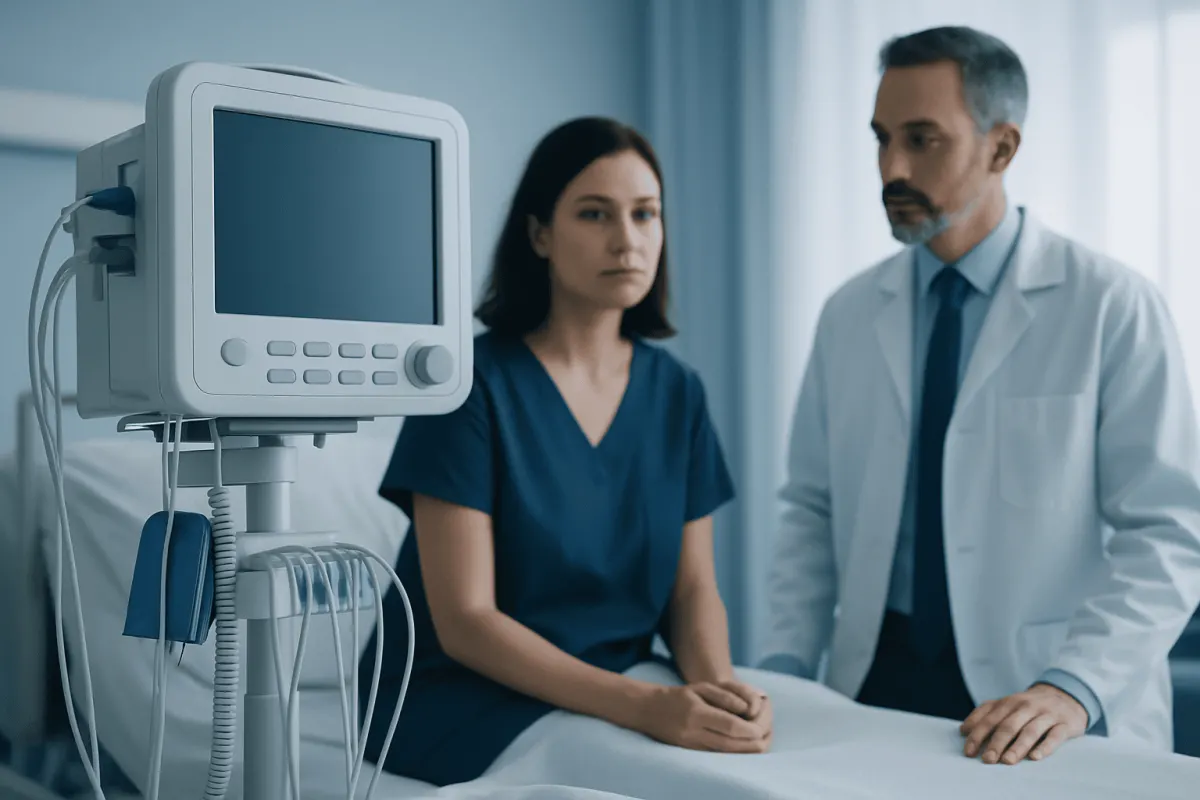
Sick building syndrome describes a group of symptoms that occur or worsen while a person is in a particular building and often improve after they leave. Treatment focuses on identifying possible indoor environmental triggers, improving building conditions, and assessing individuals for other medical causes of their symptoms.
Overview: What Is Sick Building Syndrome?
Sick building syndrome (SBS) is a term used when people develop a set of symptoms that appear connected to spending time in a particular building, such as an office, school, home, or public facility. Symptoms commonly begin during the day or become more noticeable after entering the building, then lessen after leaving it. The pattern may affect one person or several occupants, although not everyone in the same environment will necessarily feel unwell.
SBS does not point to one confirmed disease or one universal cause. Instead, it describes a possible relationship between a person’s symptoms and an indoor environment. It is different from building-related illness, in which a specific medical condition or exposure can be identified, such as asthma triggered by workplace allergens, carbon monoxide poisoning, or an infection associated with an environmental source.
Symptoms related to buildings are real and deserve thoughtful assessment. However, many are nonspecific and can also result from common health conditions, medications, stress, poor sleep, or infections. A careful approach considers both the indoor setting and the individual’s overall health rather than assuming that a building is always the only explanation.
Early Signs and Symptom Patterns
The symptoms of sick building syndrome vary from person to person. Many involve irritation of the eyes, nose, throat, or skin. People may notice dry, itchy, watery, or burning eyes; a stuffy or runny nose; sneezing; a dry throat; hoarseness; cough; or dry, itchy skin. These symptoms may be more pronounced in air-conditioned rooms, dusty areas, or spaces with low humidity.
General symptoms can include headache, unusual tiredness, dizziness, nausea, a sense of poor concentration, and feeling mentally slowed or uncomfortable. Some people experience a sensation of chest tightness or shortness of breath, particularly if they have asthma, allergies, or another respiratory condition. These symptoms should not automatically be attributed to indoor air quality, especially if they are severe, persistent, or occur in more than one setting.
A useful clue is the timing of symptoms. They may begin shortly after arriving at a location, worsen across the workday, and improve in the evening, on weekends, or during time away from the building. Keeping a brief symptom diary that notes location, time of day, activities, odors, ventilation, and improvement after leaving can help a clinician or occupational health team identify meaningful patterns.
Indoor Factors That May Contribute

Indoor air quality is influenced by how a building is designed, maintained, ventilated, cleaned, and occupied. Inadequate outdoor-air ventilation can allow indoor pollutants, odors, heat, moisture, and carbon dioxide levels to build up. Ventilation systems that are poorly maintained may also circulate dust or fail to provide comfortable airflow. Temperature that is too warm or too cool, drafts, glare, noise, and crowded spaces can add to physical discomfort.
Potential irritants include cleaning products, fragrances, paints, adhesives, furnishings, office equipment emissions, tobacco smoke, dust, and volatile organic compounds released from some materials. Dampness or water damage may encourage mold growth and can worsen respiratory or allergy symptoms in susceptible people. A musty odor, visible water staining, condensation, peeling materials, or recurrent leaks should be reported promptly so that the underlying moisture source can be addressed.
Not every indoor concern is SBS. Certain exposures require urgent action because they can cause serious illness, including carbon monoxide, smoke, combustion fumes, and major chemical spills. A building evaluation may involve facilities staff, ventilation specialists, occupational health professionals, or public health authorities, depending on the setting and the suspected problem.
Personal Risk Factors and Related Health Conditions
Some people are more likely to notice symptoms in indoor environments because of underlying health conditions. Asthma, allergic rhinitis, eczema, migraine, chronic sinus problems, dry eye disease, and certain lung conditions can make the eyes, skin, nose, or airways more sensitive to irritants. Anxiety, prolonged stress, inadequate sleep, and heavy screen use can also contribute to headaches, fatigue, eye strain, and concentration problems that may overlap with SBS symptoms.
Work patterns may matter as well. Long periods at a computer, limited breaks, poor workstation ergonomics, dehydration, and crowded or poorly lit rooms can contribute to discomfort independently of air quality. Strong odors and cleaning agents may trigger headaches or airway irritation in some individuals. A person’s symptoms may therefore have more than one contributing factor.
Children, older adults, pregnant people, and individuals with chronic heart or lung disease should take new breathing symptoms seriously and seek appropriate advice. People with known asthma should continue their prescribed asthma plan and discuss any worsening at work, school, or home with a qualified clinician. Identifying a related condition can lead to more specific and effective treatment.
How Sick Building Syndrome Is Assessed
There is no single blood test, scan, or laboratory test that confirms sick building syndrome. Assessment begins with a medical history that explores the symptoms, their onset, their relationship to specific rooms or buildings, and whether they improve away from the location. A clinician may ask about asthma, allergies, medications, recent infections, sleep, stress, work tasks, travel, and exposure to smoke, fragrances, dust, dampness, or chemicals.
A physical examination may focus on the eyes, nose, throat, skin, lungs, and general wellbeing. Depending on the symptoms, a clinician may recommend tests to look for other causes, such as allergy assessment, lung function testing, or evaluation for sinus disease, migraine, infection, anemia, thyroid disorders, or eye conditions. Testing is selected based on the person’s medical history rather than routinely performed for every case.
When several building occupants are affected, sharing observations with an employer, school administrator, landlord, or facilities manager is important. Environmental assessment may include reviewing ventilation performance, humidity, temperature, cleaning practices, signs of water damage, and potential pollutant sources. The goal is to identify and correct practical hazards while avoiding assumptions about a cause that has not been confirmed.
Treatment and Improving the Indoor Environment
Treatment for sick building syndrome focuses on reducing relevant triggers and treating any identified medical condition. For mild symptoms, practical measures may include taking regular breaks outdoors or in a well-ventilated area, drinking fluids, adjusting screen and lighting conditions, and avoiding personal fragrances or products that seem to provoke symptoms. Individuals should not stop prescribed medicines without speaking to their doctor.
At the building level, useful measures can include improving fresh-air ventilation, maintaining heating and air-conditioning systems, replacing filters as recommended, controlling indoor temperature and humidity, addressing leaks quickly, removing damp or damaged materials safely, and reducing unnecessary chemical or fragrance exposures. Cleaning methods and renovation activities should be planned to limit dust, fumes, and disruption to occupants.
If allergies, asthma, migraine, dry eye, dermatitis, or another condition is found, treatment is tailored to that diagnosis. For example, a clinician may recommend an allergy plan, asthma review, eye care measures, skin treatment, or headache assessment. The most effective approach is often collaborative, involving the affected person, healthcare professionals, and those responsible for the building environment.
Prevention, Self-Care, and When to Seek Medical Care
Prevention depends on regular building maintenance and early attention to discomfort. Occupants can report persistent odors, water leaks, visible mold, poor airflow, extreme temperatures, smoke, or recurring symptoms that affect multiple people. At an individual level, regular movement breaks, adequate sleep, hydration, appropriate workstation setup, and avoiding known irritants may reduce symptoms that overlap with indoor environmental complaints.
Medical care is advisable when symptoms are persistent, interfere with daily activities, recur frequently, or do not improve after time away from the suspected building. A doctor should also assess new or worsening wheezing, persistent cough, repeated headaches, unexplained rashes, significant eye symptoms, or symptoms in someone with asthma or another chronic respiratory condition. Emergency help is needed for severe shortness of breath, chest pain, fainting, confusion, or suspected carbon monoxide exposure; everyone should leave the area and contact emergency services or local building safety authorities.
For international patients who need assessment of persistent respiratory, allergy, skin, or unexplained environmental symptoms, Acıbadem Health Point’s multidisciplinary specialists and JCI-accredited hospitals can support diagnosis and treatment planning. A medical evaluation can help distinguish a building-related pattern from conditions that need targeted care.
Frequently asked questions
01Is sick building syndrome a real medical diagnosis?
Sick building syndrome is a recognized term for a pattern of nonspecific symptoms associated with time spent in a particular building. It is not a single disease with one diagnostic test or one proven cause. A clinician evaluates the symptoms and also looks for other health conditions that may explain or contribute to them.
02How quickly do sick building syndrome symptoms improve?
Symptoms may improve within hours of leaving the building, but the timing varies. Some people feel better during evenings, weekends, or holidays, while others may have symptoms that persist because of an underlying condition. Continued symptoms should be discussed with a healthcare professional.
03Can mold cause sick building syndrome?
Dampness and mold can irritate the airways and may worsen allergy or asthma symptoms in some people. However, mold is only one of many possible indoor environmental factors, and visible mold does not prove that it is the cause of every symptom. Water damage and mold should still be addressed by correcting the moisture problem and cleaning or removing affected materials safely.
04Can poor ventilation cause headaches and fatigue?
Poor ventilation can contribute to stuffiness, odors, discomfort, and a perception of poor air quality, which may be associated with headaches or fatigue. However, headaches and tiredness also have many medical and lifestyle causes, including dehydration, vision strain, poor sleep, stress, migraine, and illness. Persistent or severe symptoms need medical assessment.
05What should employees do if several people feel unwell in the same office?
Employees should document the timing and nature of symptoms and report patterns through the appropriate workplace, facilities, or occupational health process. The building should be checked for practical concerns such as ventilation problems, water damage, unusual odors, temperature issues, or chemical exposures. Anyone with concerning symptoms should also seek individual medical advice.
06Is sick building syndrome contagious?
Sick building syndrome itself is not contagious because it describes symptoms potentially associated with an indoor environment. However, infections such as colds, influenza, or COVID-19 can spread more easily in shared indoor spaces and may cause similar symptoms. If fever, acute illness, or exposure to an infectious disease is suspected, appropriate medical and public health guidance should be followed.
This article is for general information only and is not a substitute for professional medical advice. Please consult a qualified doctor about your individual situation.
Persistent digestive symptoms? Get evaluated in Turkey
JCI-accredited · board-certified surgeons · reply within 24h
Add us as a Preferred Source to see more of our trusted health content across Google Search, AI Overviews and Discover.