Why Do I Feel Sick in the Morning? Common Causes
Feeling sick in the morning is often temporary and may be related to hunger, dehydration, reflux, disrupted sleep, stress, or a mild illness. However, persistent nausea, vomiting, weight loss, severe pain, or signs of dehydration should be assessed by a qualified clinician.
Why do I feel sick in the morning?
Feeling sick in the morning usually means nausea on waking or soon after getting out of bed. For many people, it is harmless and short-lived, often related to an empty stomach, mild dehydration, indigestion, a change in routine, poor sleep, or temporary stress. The pattern can be uncomfortable, but it does not automatically mean there is a serious medical problem.
Morning nausea can also be linked with pregnancy, medication side effects, viral illnesses, migraine, reflux, or conditions affecting the stomach and digestive system. The most useful clues are how long symptoms have lasted, whether vomiting occurs, what seems to trigger them, and whether there are associated symptoms such as pain, fever, headache, diarrhea, or weight changes.
Medical review is sensible when nausea is frequent, worsening, lasts more than a few days without improvement, interferes with eating or drinking, or occurs with warning signs. A clinician can help distinguish a temporary cause from one that needs targeted treatment.
Common patterns that can cause morning nausea
An empty stomach can make nausea more noticeable after an overnight fast. Stomach acid and normal digestive contractions may cause a queasy feeling, especially in people who skipped dinner, ate very little, drank alcohol, or have irregular meal patterns. Dehydration after sleep may add to lightheadedness, dry mouth, headache, and nausea.
Acid reflux and indigestion may be worse on waking, particularly after a late or large evening meal, alcohol, fatty foods, or lying down soon after eating. Reflux can cause nausea along with burning behind the breastbone, a sour taste in the mouth, burping, hoarseness, or a cough. Recurring reflux symptoms may need assessment for acid reflux disease.
Sleep disruption can play a role. Insufficient sleep, obstructive sleep apnea, jet lag, and irregular sleep schedules may affect appetite, stress hormones, and gastrointestinal function. Anxiety can also produce physical symptoms, including nausea, stomach tightness, faster heartbeat, sweating, and reduced appetite, particularly around waking or before stressful events.
Alcohol-related stomach irritation and a hangover are other possible explanations. In these situations, nausea may occur with thirst, headache, fatigue, dizziness, and sensitivity to light or sound. Avoiding alcohol when symptoms are present and restoring fluids gradually can be helpful.
Pregnancy, medicines, and other medical causes

Pregnancy is an important possible cause of nausea, especially for anyone who could be pregnant and has a late, lighter-than-usual, or missed period. Despite the name, “morning sickness” can happen at any time of day. It often begins early in pregnancy and may improve later, although its timing and severity vary widely between individuals.
Some prescription and non-prescription medicines can cause nausea, including certain pain relievers, antibiotics, antidepressants, diabetes medicines, iron supplements, and medicines that affect hormones. Starting a new medicine, changing a dose, or taking a medicine without food can provide useful clues. A person should not stop a prescribed medicine without speaking with the clinician who prescribed it.
Short-term nausea may occur with viral gastroenteritis, foodborne illness, or other infections. These causes are more likely when nausea is accompanied by vomiting, diarrhea, fever, body aches, or contact with someone who is unwell. Symptoms may also develop with migraine, motion sensitivity, inner-ear disorders, and less commonly with metabolic or neurological conditions.
Digestive disorders can produce persistent or recurring nausea. Possibilities include gastritis, peptic ulcer disease, gallbladder problems, constipation, delayed stomach emptying, and inflammatory conditions. Symptoms such as upper abdominal discomfort, bloating, early fullness, changes in bowel habits, or nausea after meals may guide further evaluation. Ongoing upper digestive symptoms may be assessed through gastroenterology evaluation.
Clues that help identify the likely cause
Keeping a brief symptom record can make patterns easier to recognize. It may include the time nausea starts, whether it improves after food or fluids, evening meals, alcohol intake, sleep quality, menstrual timing, bowel changes, stress levels, and all medicines or supplements taken. This information can also make a medical appointment more productive.
Nausea that improves after a small snack may suggest fasting or low blood sugar sensations, although true low blood glucose is more likely in people using certain diabetes medicines or insulin. Nausea with a sour taste or burning discomfort may point toward reflux. Nausea with headache, light sensitivity, or visual symptoms can occur with migraine.
Symptoms that occur in a predictable cycle around menstruation may be related to hormonal changes. Nausea with a missed period should prompt consideration of a pregnancy test. In pregnancy, severe or persistent vomiting that makes it difficult to keep down food or fluids needs timely medical advice because dehydration can develop.
A single symptom rarely provides a diagnosis. The duration, severity, associated symptoms, and a person’s health history are more informative than the timing alone. A clinician can assess these details and rule out conditions that require treatment.
What a doctor may check
A doctor usually begins by asking about the onset and frequency of nausea, vomiting, food intake, bowel habits, menstrual and pregnancy history, recent travel, alcohol or substance use, stress, and medication changes. They may also ask about abdominal pain, headaches, dizziness, fever, urinary symptoms, and unintentional weight loss.
The examination may include checking hydration, blood pressure, pulse, temperature, the abdomen, and sometimes the ears or nervous system. Depending on the findings, tests can include a urine pregnancy test, blood tests, urine tests, stool tests, or testing for infections. These are selected based on the individual situation rather than needed for every episode of morning nausea.
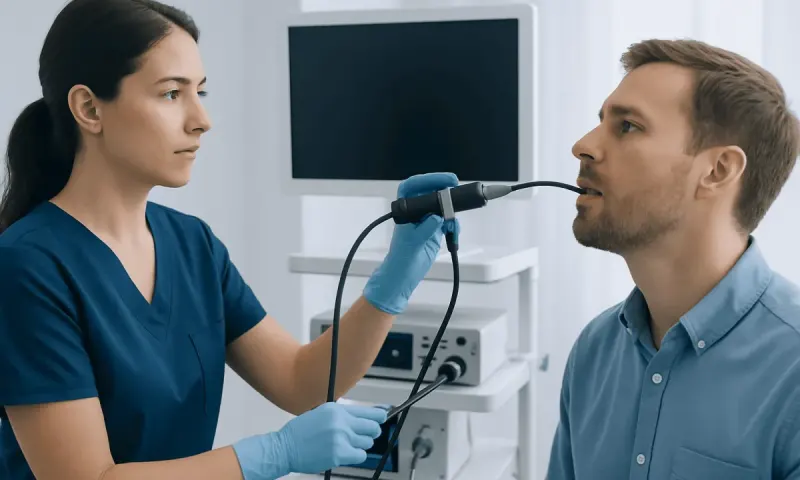
If symptoms are persistent or concerning, a clinician may recommend imaging or procedures to assess the digestive tract or other organs. For example, abdominal ultrasound may be useful when gallbladder or liver concerns are suspected, while endoscopy can be considered for certain persistent upper digestive symptoms. endoscopy is used selectively and is not usually the first step for short-lived, uncomplicated nausea.
The aim is to identify treatable causes, manage symptoms safely, and prevent complications such as dehydration or nutritional deficiency. People with recurrent nausea should seek individualized advice rather than repeatedly self-treating without an explanation.
Practical self-care for mild morning nausea
For mild symptoms without warning signs, simple measures may help. Before getting out of bed, some people tolerate a small plain snack such as dry toast, crackers, or a banana. Eating smaller, more frequent meals during the day can be easier than having large meals, especially when nausea is linked to hunger or indigestion.
Drinking fluids regularly is important. Small, frequent sips of water, oral rehydration fluids, or clear drinks may be easier to tolerate than large amounts at once. If reflux is suspected, avoiding late-night meals and remaining upright for a few hours after eating may reduce symptoms. Limiting alcohol and identifying personal food triggers can also be useful.
Regular sleep, gentle activity when tolerated, and stress-management practices can support overall digestive comfort. Slow breathing, a calm morning routine, and avoiding strong odors may reduce nausea for some people. Over-the-counter remedies are not suitable for everyone, particularly during pregnancy or alongside other medicines, so a pharmacist or doctor should be consulted first.
If pregnancy is possible, a pregnancy test and early contact with a healthcare professional can clarify next steps. People with diabetes, kidney disease, liver disease, or a history of eating disorders should seek medical guidance earlier, as nausea may affect their usual care plan.
When to seek medical care
Medical advice should be arranged if morning nausea lasts more than a few days, keeps returning, becomes more severe, or affects normal eating, drinking, work, or daily activities. Review is also appropriate for nausea with repeated vomiting, persistent heartburn, abdominal pain, fever, diarrhea that does not settle, new headaches, dizziness, or unintended weight loss.
Urgent assessment is needed for severe or worsening abdominal pain, chest pain, fainting, confusion, a stiff neck, severe headache, black stools, blood or coffee-ground material in vomit, or green vomit. It is also important to seek urgent help if a person cannot keep fluids down, urinates very little, has marked weakness, or shows other signs of significant dehydration.
In pregnancy, prompt medical advice is recommended for ongoing vomiting, reduced urination, dizziness, weight loss, or inability to maintain fluids. These symptoms can require treatment to protect hydration and nutrition. A qualified clinician can recommend options that are appropriate for the stage of pregnancy and the person’s medical history.
Acıbadem Health Point’s multidisciplinary specialists and JCI-accredited hospitals assess digestive, hormonal, neurological, and pregnancy-related causes of persistent nausea for international patients. The appropriate next step is an individual clinical consultation, especially when symptoms are recurrent or accompanied by warning signs.
Frequently asked questions
01Why do I feel sick every morning but do not vomit?
Nausea without vomiting can occur with an empty stomach, dehydration, reflux, anxiety, poor sleep, medication effects, or early pregnancy. If it is happening most days, lasts longer than a few days, or is affecting eating and drinking, a clinician can help identify the cause.
02Can dehydration cause nausea in the morning?
Yes. People naturally go several hours without fluids during sleep, and dehydration can be more likely after sweating, alcohol use, vomiting, diarrhea, or limited fluid intake. Small, frequent sips of fluid may help, but persistent nausea or signs of dehydration should be medically assessed.
03Does morning nausea always mean pregnancy?
No. Pregnancy is only one possible cause of morning nausea. Anyone who could be pregnant and has a missed or unusual period can consider a home pregnancy test and contact a healthcare professional for guidance.
04What should I eat when I feel sick in the morning?
A small, bland snack may be easier to tolerate than a large meal. Plain crackers, toast, banana, rice, or other simple foods can be reasonable choices, along with small sips of fluid. Individual triggers vary, so rich, greasy, spicy, or strongly scented foods may be best avoided if they worsen symptoms.
05Can acid reflux make someone nauseous on waking?
Yes. Reflux can be worse after lying down, particularly after late meals or certain trigger foods. It may cause nausea along with heartburn, a sour taste, regurgitation, coughing, or throat irritation.
06When is morning nausea an emergency?
Emergency assessment is appropriate for severe abdominal or chest pain, vomiting blood, black stools, fainting, confusion, a severe headache, or inability to keep fluids down. These symptoms may indicate dehydration or another condition that needs urgent medical care.
This article is for general information only and is not a substitute for professional medical advice. Please consult a qualified doctor about your individual situation.
Medical weight-loss options in Turkey — costs & eligibility
JCI-accredited · board-certified surgeons · reply within 24h
Add us as a Preferred Source to see more of our trusted health content across Google Search, AI Overviews and Discover.