Yellow Nail Syndrome: Symptoms and Treatment Options
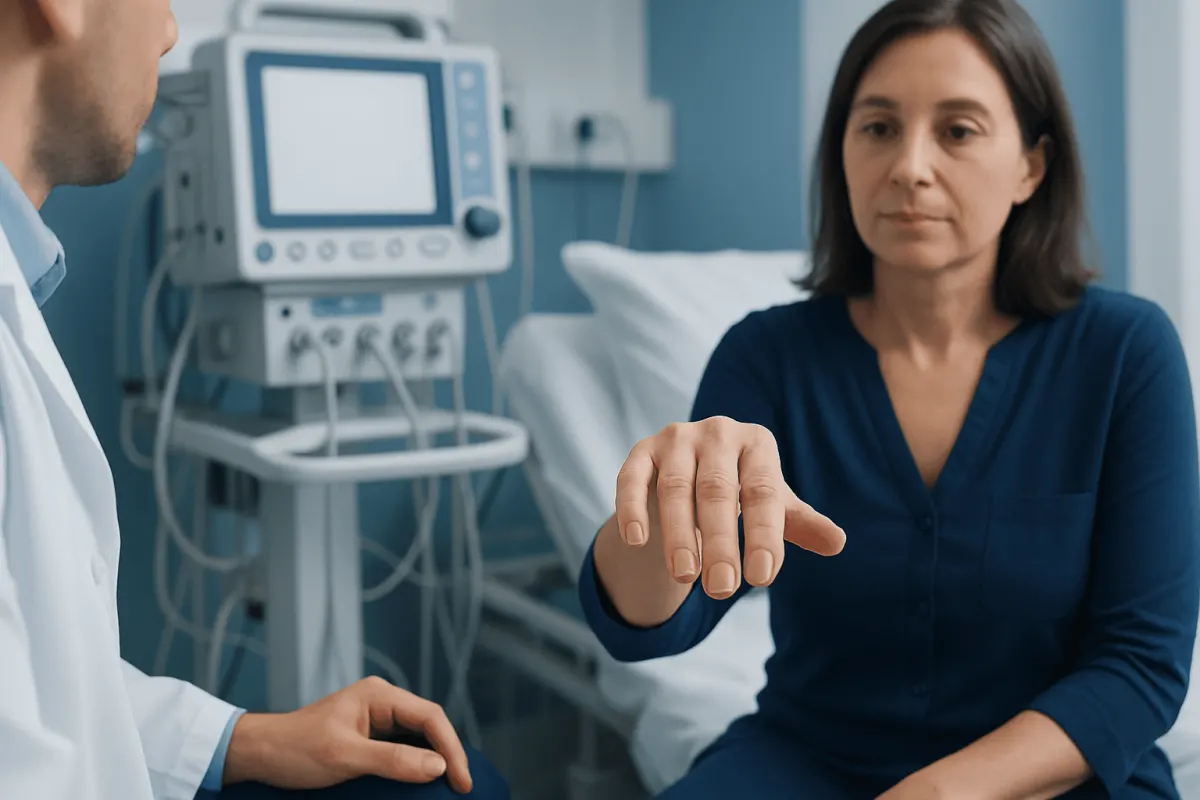
Yellow nail syndrome is a rare disorder in which nails become yellow, thickened and slow-growing, often alongside leg swelling or respiratory symptoms. There is no single curative treatment, but careful assessment and treatment of nail, lymphatic and lung-related symptoms can improve comfort and health.
Overview: What Is Yellow Nail Syndrome?
Yellow nail syndrome is an uncommon condition characterized by distinctive nail changes and, in some people, problems involving the lymphatic system and lungs. The nails may turn pale yellow to yellow-green, grow very slowly, become thick or curved, and lose the cuticle. They may also separate partly from the nail bed. Although these changes can look concerning, a clinician can help identify the cause and guide appropriate care.
The condition is often described as a triad of yellow nail changes, lymphedema and respiratory manifestations. Lymphedema is persistent swelling caused by reduced drainage of lymph fluid, usually affecting the legs. Respiratory manifestations can include a chronic cough, recurrent chest infections, sinus symptoms, bronchiectasis or fluid around the lungs, called pleural effusion.
Not everyone develops all three features, and they do not necessarily begin together. Nail changes can appear years before or after swelling or breathing symptoms. This variation is one reason why diagnosis may take time and why an assessment considers the person’s full medical history rather than the nails alone.
Early Signs and Symptoms
Nail changes are usually the most visible sign. Rather than the brief discoloration that may follow nail polish use or minor injury, yellow nail syndrome tends to cause persistent changes in multiple nails. Nails may have a smooth but thickened appearance, increased curvature from side to side, slower growth and a reduced or absent cuticle. The degree of yellowing can vary over time.
Swelling from lymphedema commonly starts in the feet, ankles or lower legs. It may feel heavy, tight or uncomfortable and can become more noticeable later in the day. Some people have swelling in only one limb, while others have it on both sides. Lymphedema can also increase vulnerability to skin infection if the skin becomes cracked or injured.
Respiratory symptoms vary widely. A person may have a long-lasting cough, mucus production, repeated bronchitis or pneumonia, shortness of breath, nasal congestion, or recurrent sinus infections. Pleural effusion can cause breathlessness, chest discomfort or a dry cough. These symptoms have many possible causes, so they should not be assumed to be due to yellow nail syndrome without medical evaluation.
- Persistent yellow, thickened or unusually slow-growing nails
- Swelling of the feet, ankles or legs that does not settle fully
- Chronic cough, frequent chest infections or increasing breathlessness
- Repeated sinus symptoms together with unusual nail changes
Why Yellow Nail Syndrome Happens

The exact cause of yellow nail syndrome is not fully understood. Many experts believe that impaired lymphatic drainage plays an important role. The lymphatic system helps remove excess fluid, transport immune cells and support the body’s response to infection. When this system does not work effectively, fluid can accumulate in tissues and may contribute to changes in the nails and lungs.
Most cases appear to occur sporadically, meaning there is no known family pattern. Rare familial cases have been reported, but a clear inherited cause has not been established for most people. Yellow nail syndrome is seen more often in middle-aged or older adults, though it can occur at other ages.
In some individuals, the syndrome has been reported alongside other medical conditions, such as autoimmune disease, thyroid disease, immune disorders, chronic respiratory disease or certain cancers. These associations do not mean that one condition necessarily causes the other. A clinician may recommend an individualized review for related health issues, especially when symptoms or medical history suggest another explanation.
Yellow nails are much more commonly caused by other conditions. Fungal nail infection, psoriasis, eczema, trauma, smoking, diabetes, circulation problems and some medicines can all alter nail color or shape. This is why laboratory testing or a nail sample may be useful before treatment is chosen.
How Doctors Diagnose It
There is no single blood test that confirms yellow nail syndrome. Diagnosis is clinical, which means it is based on the pattern of nail changes, swelling, respiratory symptoms and the exclusion of more common causes. A doctor may examine all fingernails and toenails, assess the distribution of swelling and listen to the lungs.
The evaluation often begins with a detailed history. Important information includes when nail changes began, whether swelling changes during the day, a history of recurrent sinus or chest infections, smoking history, recent travel, medicines, prior surgery, and personal or family history of autoimmune, lung or thyroid conditions. Because the symptoms may arise at different times, even past health concerns can be relevant.
A nail clipping or scraping may be sent for fungal testing. Depending on symptoms, clinicians may arrange chest X-ray or computed tomography imaging, lung function testing, ultrasound of swollen limbs, blood tests or analysis of fluid around the lung. These tests can assess complications and rule out conditions such as fungal disease, heart or kidney problems, blood clots, cancer or other causes of pleural effusion and lymphedema.
Diagnosis may involve a dermatologist, respiratory physician, lymphedema specialist and other professionals. Coordinated care is particularly helpful when more than one body system is affected.
Treatment Options and Ongoing Care
Treatment is tailored to the symptoms present. Some people have mainly cosmetic nail concerns, while others need active management for swelling or respiratory disease. In a minority of cases, nail appearance may improve gradually over time, particularly when associated respiratory or lymphatic problems are brought under control. Regular follow-up helps clinicians adjust care as symptoms change.
Nail care focuses on protecting the nails from trauma and avoiding unnecessary treatments. Keeping nails short, using moisturizers around the nail folds and wearing gloves for wet work may reduce splitting and irritation. Vitamin E has been used in some cases, but evidence for its benefit is limited. Antifungal medicines should generally be used only when fungal infection has been confirmed or is strongly suspected.
Lymphedema is commonly managed with skin care, appropriately fitted compression garments, movement and specialized therapy such as manual lymphatic drainage when recommended. A trained lymphedema professional can advise on safe compression and exercises. Diuretics, sometimes called water tablets, are not routinely effective for lymphedema itself unless there is another reason for fluid retention.
Respiratory care depends on the problem identified. It may include inhaled medicines, airway-clearance techniques, treatment of bacterial infections when clinically indicated, vaccination advice and management of sinus disease. Recurrent or large pleural effusions may require drainage procedures and review by a respiratory specialist. Treatment aims to reduce symptoms, protect lung function and address complications rather than relying on one treatment for every feature of the syndrome.
Daily Self-Care and What Cannot Be Prevented
Because the underlying cause is not fully known, there is no proven way to prevent yellow nail syndrome. However, day-to-day measures can support skin, nail, lymphatic and respiratory health. A person should avoid cutting cuticles, aggressively cleaning beneath nails or using harsh chemicals that may worsen nail separation. Nail salons should be informed about fragile nails, and any instruments used should be hygienic.
For lymphedema, careful skin care is important. The affected area should be washed and dried gently, moisturized to reduce cracking, and checked regularly for cuts, redness or warmth. Maintaining regular movement within personal limits can support circulation and mobility. Compression should be selected with professional guidance, especially for people with arterial disease, heart failure, reduced sensation or a possible blood clot.
People with chronic cough or bronchiectasis may benefit from a respiratory plan developed with their healthcare team. This can include staying hydrated, avoiding tobacco smoke and other irritants, using prescribed airway-clearance methods, and keeping recommended vaccinations up to date. A sudden change in sputum, fever or worsening breathlessness should be discussed promptly with a clinician.
It can be helpful to keep a simple record of nail changes, limb swelling, cough, infections and treatments. Photographs taken periodically in similar lighting may help show whether nails or swelling are changing over time. This record can make follow-up appointments more informative.
When to Seek Medical Care
Anyone with persistent yellow, thickened or separating nails should arrange a non-urgent medical appointment, particularly if several nails are affected or there is associated leg swelling, cough or repeated respiratory infections. A clinician can test for common conditions, such as fungal infection, and decide whether further assessment is needed.
Prompt medical care is important for new or worsening shortness of breath, chest pain, coughing up blood, high fever, rapid swelling, or redness and warmth of a swollen limb. These symptoms may indicate an infection, pleural fluid problem, blood clot or another condition requiring timely assessment. Sudden one-sided leg swelling should also be assessed urgently rather than treated as routine lymphedema.
People already diagnosed with yellow nail syndrome should attend follow-up as advised, even when their nail appearance is stable. Monitoring is valuable because respiratory and swelling-related symptoms may change independently of the nails. Acıbadem Health Point’s multidisciplinary specialists and JCI-accredited hospitals can assess and treat yellow nail syndrome-related nail, respiratory and lymphedema concerns for international patients.
Frequently asked questions
01Is yellow nail syndrome contagious?
No. Yellow nail syndrome is not contagious and cannot be passed from one person to another. However, a fungal nail infection can also cause yellow nails and may require different evaluation and treatment.
02Does having yellow nails always mean yellow nail syndrome?
No. Yellow nails are more often related to fungal infection, nail polish staining, trauma, skin conditions or other medical issues. Yellow nail syndrome is considered when characteristic nail changes occur with lymphedema, respiratory symptoms or both.
03Can yellow nail syndrome occur without leg swelling?
Yes. The classic features do not always appear together, and some people may initially have nail and respiratory symptoms without obvious lymphedema. Symptoms can also develop at different points over time.
04Can yellow nail syndrome be cured?
There is no established cure that corrects the underlying syndrome in every person. Treatment can often improve swelling, respiratory symptoms, infections and nail comfort, and nail changes may improve in some cases.
05Are yellow nail syndrome and fungal nail infection the same?
No. Fungal nail infection is a common infection of the nail, while yellow nail syndrome is a rare condition involving nail changes and sometimes lymphatic and respiratory symptoms. Testing a nail sample can help distinguish them.
06What type of doctor treats yellow nail syndrome?
Care may begin with a primary care clinician or dermatologist. Depending on the symptoms, a respiratory physician, lymphedema therapist, vascular specialist or other clinicians may be involved in a coordinated care plan.
This article is for general information only and is not a substitute for professional medical advice. Please consult a qualified doctor about your individual situation.
Explore treatments in Turkey — costs, top hospitals & a free quote
JCI-accredited · board-certified surgeons · reply within 24h
Add us as a Preferred Source to see more of our trusted health content across Google Search, AI Overviews and Discover.