

Shoulder Pain: Exercise Therapy Guide
- 10 min read
- Published November 29, 2026
Key Takeaways
- Shoulder pain exercise therapy is designed to restore motion, strength, and function in a stepwise way.
- The best exercises depend on the cause of pain, such as rotator cuff irritation, frozen shoulder, or post-injury stiffness.
- Gentle stretching, scapular control, and strengthening are often introduced gradually to avoid flare-ups.
- Pain that is severe, persistent, or linked to weakness, trauma, or numbness should be assessed by a doctor.
- Recovery is usually better when exercise therapy is combined with posture advice, activity changes, and follow-up care.
Shoulder pain exercise therapy is often used to restore movement, reduce stiffness, and rebuild control after irritation, strain, or injury. The right plan is usually gradual, tailored, and paired with an accurate diagnosis so the shoulder heals without being overloaded.
Overview
Shoulder pain can turn ordinary movements into something surprisingly complicated: reaching for a seatbelt, lifting a bag, or sleeping on one side may all become difficult. Exercise therapy is one of the main non-surgical approaches used to help the shoulder move more freely, tolerate load again, and return to everyday use with less pain.
The shoulder is a highly mobile joint, which is part of what makes it useful and also vulnerable. When muscles, tendons, capsules, or nearby structures become irritated, the shoulder often responds by tightening, guarding, and losing range of motion. A well-planned exercise program aims to reverse that cycle gently rather than forcing movement through pain.
For many people, exercise therapy is not a one-size-fits-all routine. A person with frozen shoulder may need very different exercises from someone with rotator cuff tendinopathy, shoulder impingement symptoms, or stiffness after a fracture or surgery. That is why a proper assessment matters before starting an exercise plan, especially if the pain has lasted more than a short time or began after an injury.
Symptoms
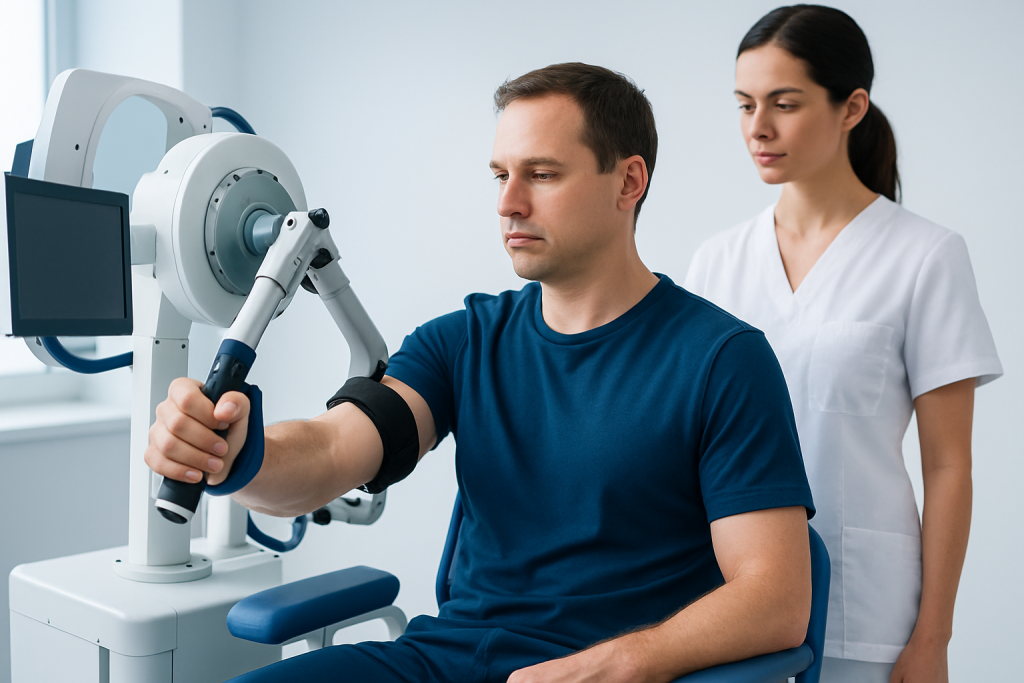
Shoulder pain does not always stay where the problem started. Some people feel a deep ache at the top or outside of the arm, while others notice pain when reaching overhead, behind the back, or across the body. Night pain is also common, particularly when lying on the affected side.
Exercise therapy may be considered when symptoms include stiffness, reduced range of motion, weakness, or the sense that the shoulder is “not moving normally.” In rehabilitation settings, the goal is often to identify which actions are limited first: lifting, rotating, reaching, or supporting body weight through the arm.
Symptoms that suggest the shoulder needs assessment before exercise is intensified include:
- Sudden pain after a fall or direct blow
- Visible swelling, deformity, or bruising
- Marked weakness or inability to lift the arm
- Numbness, tingling, or pain traveling below the elbow
- Fever, redness, or warmth around the joint
These findings do not automatically mean something serious, but they do mean the exercise plan should be guided by a clinician rather than chosen from a generic routine.
Causes & Risk Factors

Shoulder pain has many possible causes, and the best exercise approach depends on what is driving the problem. Tendon irritation around the rotator cuff can produce pain with reaching or lifting. Frozen shoulder, also called adhesive capsulitis, often causes a slow but steady loss of motion. Neck conditions, joint arthritis, instability, and post-surgical stiffness can also limit shoulder function.
Some people develop pain after repeating the same movements at work or during sport, especially if the shoulder is asked to do more than the surrounding muscles can support. Others notice discomfort after a period of inactivity, such as after illness, travel, or protecting the arm too much because it hurts to move.
Common risk factors include:
- Repetitive overhead activity
- Poor shoulder or upper-back mechanics
- Prior shoulder injury or surgery
- Diabetes or thyroid disease, which can be associated with stiffness in some people
- Age-related tendon or joint changes
- Prolonged immobilization or avoiding movement for too long
In international patients, the cause may already be known from imaging or prior treatment at home, but it is still important to review the diagnosis carefully with the rehabilitation team before beginning therapy in a new setting.
Diagnosis
Before exercise therapy is selected, a clinician usually asks detailed questions about when the pain started, which movements provoke it, and whether there was a specific injury. This history helps distinguish simple muscle strain from patterns that may need a different approach, such as a tendon tear, frozen shoulder, or pain referred from the neck.
The physical examination often includes checking active and passive range of motion, strength, posture, shoulder blade control, and tenderness around the joint. The clinician may also assess how the neck, upper back, and rib cage are contributing, because shoulder function is rarely isolated from the rest of the upper body.
Imaging is not always necessary, but it may be helpful in selected cases. X-rays can show arthritis or bone-related problems, while ultrasound or MRI may be used when a tendon injury, inflammation, or another structural issue is suspected. For patients traveling for care, bringing previous scans, operative reports, or therapy notes can save time and help the new team build on prior work instead of repeating it.
Treatment Options
Exercise therapy is usually one part of a broader rehabilitation plan. Depending on the diagnosis, treatment may begin with pain control, activity modification, and careful movement work. The aim is not to “push through” shoulder pain, but to keep the joint active enough to prevent stiffness while tissues settle.
Common elements of shoulder pain exercise therapy include gentle range-of-motion exercises, stretching, scapular stabilization, and progressive strengthening. Range-of-motion work may involve assisted forward lifts, wall slides, or pendulum-style movements when appropriate. Stretching can help if the shoulder capsule or surrounding tissues are tight, but it is usually introduced slowly and should not create prolonged flare-ups.
Strengthening often starts with low-load exercises for the rotator cuff and muscles that control the shoulder blade. These muscles help position the shoulder better during reaching and lifting. As control improves, the program may progress to resistance bands, light weights, functional reaching tasks, and sport- or work-specific drills.
Other Pain Treatment Options: When to Start With Therapy and When to Consider Surgery" class="ahp-ilk">treatment options may be added when needed:
- Manual therapy to improve mobility in selected patients
- Posture and movement retraining
- Ice or heat for symptom relief, if advised by a clinician
- Medication guidance from a doctor when inflammation or pain is significant
- Injections or surgical evaluation when conservative care is not enough or a specific structural problem is present
The right pace is often the key to success. A program that is too aggressive may irritate the shoulder, while one that is too cautious may leave stiffness in place. A skilled rehabilitation team adjusts the plan based on response, not on a fixed calendar alone.
Prevention & Self-care
Many people recover better when the shoulder is allowed to move regularly in comfortable ranges instead of being protected all day. Short, frequent sessions of prescribed exercises are often more effective than occasional long sessions that leave the joint sore. Between therapy visits, daily habits matter just as much as the formal routine.
Helpful self-care habits may include keeping the shoulder warm before exercises if advised, avoiding sudden overhead lifting during early recovery, and using both arms for heavier tasks when possible. Ergonomic adjustments at a desk, in a car, or while carrying luggage can also reduce strain, especially for people who travel frequently or work in unfamiliar environments.
General self-care principles include:
- Follow the prescribed exercise dose rather than adding extra repetitions on difficult days
- Keep movements smooth and controlled
- Stop and reassess if pain sharply increases or lasts longer than expected after exercise
- Maintain gentle activity for the neck and upper back as recommended
- Sleep with support under the arm if that improves comfort
For international patients, planning recovery in advance can help. That may mean arranging follow-up sessions before travel, saving a copy of the home exercise program on a phone, and confirming what symptoms should prompt contact with the rehabilitation team once back home.
When to See a Doctor
Medical review is a good idea when shoulder pain lasts more than a short period, keeps returning, or limits everyday activities. It is especially important to seek evaluation if the pain followed a fall, if the shoulder looks deformed, or if there is meaningful weakness that makes lifting the arm difficult.
A doctor should also be consulted if shoulder pain is accompanied by numbness, tingling, fever, unexplained swelling, or pain that spreads into the chest, jaw, or shortness of breath. These symptoms may point to a problem beyond a simple musculoskeletal strain and deserve timely assessment.
People who are already in rehabilitation but are not improving should also be reviewed. Sometimes the exercise program needs to be modified; sometimes the diagnosis needs to be revisited. Acibadem Health Point’s multidisciplinary specialists and JCI-accredited hospitals can diagnose and treat shoulder conditions for international patients, with coordinated care that supports both the treatment phase and follow-up after travel.
Exercise therapy is most effective when it is matched to the reason the shoulder hurts. A qualified clinician can help determine whether the focus should be mobility, strength, posture, pain reduction, or a different treatment altogether.
Recovery Timeline and Practical Expectations
Recovery from shoulder pain is often gradual, and the timeline depends on the underlying cause, how long symptoms have been present, and how consistently the therapy plan is followed. Some problems improve within weeks, while stiffness-related conditions may need months of steady work.
It helps to think of progress in small checkpoints rather than waiting for pain to disappear completely. Better sleep, easier dressing, improved overhead reach, or less pain after daily tasks are meaningful signs that the shoulder is responding. In rehabilitation, these functional gains often matter more than a single “perfect” exercise session.
For patients who travel for care, a clear plan for the next phase is essential. Before leaving, it is useful to know which exercises should continue, which activities should still be limited, and when to schedule a review if recovery slows or symptoms change.
Living Well While the Shoulder Heals
Shoulder rehabilitation works best when it fits real life. That may mean adjusting how bags are carried, asking for help with heavy lifting, or temporarily changing sports and fitness routines while the joint regains control. These changes are not a sign of setback; they are part of giving the tissues a chance to recover without re-irritation.
It is also helpful to stay patient with the process. The shoulder often improves in stages: pain settles first, then movement becomes easier, and strength follows later. A consistent, supervised plan gives the best chance of long-term improvement and reduces the likelihood of recurring pain.
When the exercise plan is chosen carefully and reviewed regularly, many people regain reliable function and confidence in the arm. The goal is not simply to reduce symptoms for a day, but to restore a shoulder that can support everyday life again.
Frequently asked questions
01What is shoulder pain exercise therapy?
Shoulder pain exercise therapy is a structured set of movements used to improve motion, strength, and control in a painful shoulder. It is usually tailored to the cause of pain rather than copied from a general routine.
02Can exercise make shoulder pain worse?
It can if the exercises are too aggressive, done too often, or not matched to the diagnosis. A well-designed program should challenge the shoulder without causing repeated flare-ups that last into the next day.
03How long does shoulder rehabilitation take?
Recovery time varies widely. Mild strain may improve relatively quickly, while frozen shoulder or post-injury stiffness can require a longer, gradual program.
04Should pain be avoided completely during exercises?
Not always, but pain should stay within a manageable range and should not lead to a major increase in symptoms afterward. A clinician or physiotherapist can help define what is acceptable for a specific condition.
05Do all shoulder problems need imaging before exercise therapy starts?
No, many shoulder conditions are diagnosed with history and physical examination alone. Imaging is used when the clinician suspects a tear, arthritis, fracture, or another issue that would change treatment.
06Can shoulder exercises help after surgery or injury?
Yes, but the exercises must follow the surgeon’s or rehabilitation team’s instructions. After surgery or a significant injury, timing and progression are especially important for safe recovery.
This article is for general information only and is not a substitute for professional medical advice. Please consult a qualified doctor about your individual situation.
Joint and spine care in Turkey — expert assessment & treatment
JCI-accredited · board-certified surgeons · reply within 24h
Add us as a Preferred Source to see more of our trusted health content across Google Search, AI Overviews and Discover.


How can we help you today?
Meet an Acibadem specialist by secure video, before you travel.
Book a video visit