What Causes Joint Pain?

Key Takeaways
- Joint pain is a symptom, not a diagnosis, and its cause can range from overuse to autoimmune disease.
- Pain that involves swelling, warmth, morning stiffness, or several joints may suggest inflammation rather than simple strain.
- Doctors usually assess joint pain with a history, physical examination, and sometimes blood tests or imaging.
- Treatment depends on the cause and may include rest, physical therapy, medicines, or procedures.
- Urgent assessment is important if joint pain follows a major injury or is paired with fever, severe swelling, or inability to use the joint.
Joint pain can come from many different sources, including injury, inflammation, wear and tear, infection, or conditions that affect the whole body. Understanding the pattern of pain, swelling, stiffness, and related symptoms helps guide the right evaluation and care.
Overview
Joint pain is one of the most common musculoskeletal complaints, but the reason behind it is not always the same. A sore knee after a long walk, a stiff finger in the morning, and a swollen ankle after a twist can all be called joint pain, yet each points to a different possible cause.
In simple terms, a joint is the meeting point of two or more bones, supported by cartilage, ligaments, tendons, muscles, and a joint lining called the synovium. When any of these structures becomes irritated, injured, worn down, or inflamed, pain may appear. That is why a careful description of the pain often matters more than the word “joint pain” itself.
For people considering care from another country, the first question is usually not whether joint pain is serious, but what kind of problem it seems to be. A straightforward strain may settle with conservative treatment, while persistent pain, stiffness, or swelling may call for imaging, specialist review, or longer-term management.
Symptoms
Joint pain can feel sharp, aching, throbbing, burning, or deep and hard to localize. Some people notice it only during movement, while others feel it even at rest. It may affect one joint, such as the shoulder or knee, or many joints across the body.
Other symptoms help narrow the cause. Swelling, warmth, redness, reduced range of motion, and stiffness after waking are often clues that inflammation is involved. Clicking, catching, locking, or a feeling that the joint is unstable may suggest a mechanical problem such as cartilage injury or ligament damage.
- Mechanical pattern: pain with activity, better with rest
- Inflammatory pattern: morning stiffness, swelling, warmth, pain that may continue at rest
- Injury pattern: pain that starts after a twist, fall, or direct blow
- Systemic pattern: joint pain with fatigue, fever, rash, or symptoms in other parts of the body
Joint pain can also affect sleep, walking, work, and travel. That practical impact is important, because the degree of disability does not always match how visible the joint looks from the outside.
Causes & Risk Factors

Many everyday problems can lead to joint pain. Overuse, minor sprains, tendinitis near the joint, and muscle imbalance often cause soreness after repetitive movements or exercise. These issues are common in active people, travelers carrying luggage, and workers who repeat the same motions.
Longer-lasting joint pain may be related to arthritis. Osteoarthritis develops when cartilage and surrounding structures gradually wear down, often in weight-bearing joints such as the knees, hips, spine, and hands. Rheumatoid arthritis and other autoimmune conditions can inflame the lining of multiple joints, often causing stiffness, swelling, and pain on both sides of the body.
Other possible causes include gout, pseudogout, bursitis, infections, fractures, dislocations, and pain referred from nearby tissues or the spine. Less commonly, joint pain can accompany viral illnesses, inflammatory bowel disease, thyroid disorders, or connective tissue diseases.
Risk factors depend on the cause, but some patterns are well recognized:
- Older age and prior joint wear
- Previous injury or surgery to the joint
- Excess body weight, especially for the knees and hips
- Repetitive physical work or high-impact sports
- Family history of inflammatory or Pain Treatment Options: When to Start With Therapy and When to Consider Surgery" class="ahp-ilk">Treatment Options" class="ahp-ilk">autoimmune disease
- Smoking, which can worsen some inflammatory conditions
Because joint pain has so many possible origins, two people with similar discomfort may need very different treatment plans. That is one reason an orthopedic or rheumatologic assessment can be valuable when pain is persistent, recurrent, or unexplained.
Diagnosis
Diagnosis usually begins with a detailed conversation about the pain: when it started, which joints are involved, what makes it better or worse, and whether there was an injury, infection, or recent illness. A doctor will also ask about swelling, morning stiffness, fever, skin changes, fatigue, and family history.
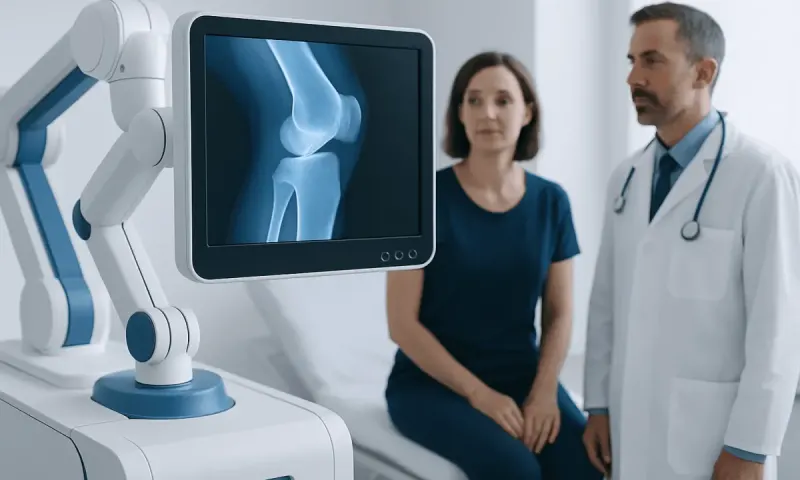
A physical examination helps assess tenderness, warmth, movement, stability, and visible swelling. Depending on the findings, the doctor may recommend blood tests to look for inflammation, autoimmune markers, infection, uric acid problems, or other systemic causes. If there is fluid in the joint, a sample may be taken to check for crystals or infection.
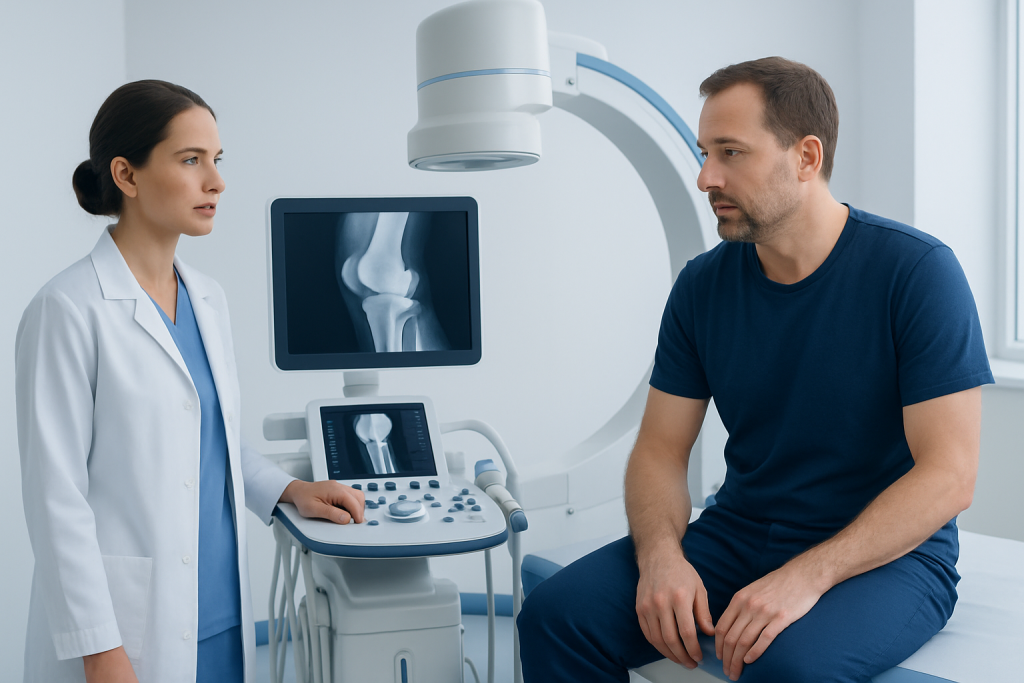
Imaging is often useful when the cause is not clear or when structural damage is suspected. X-rays can show arthritis, fractures, alignment problems, or bone changes. Ultrasound may help evaluate soft tissues, fluid, or inflammation, and MRI can provide a more detailed look at cartilage, ligaments, tendons, and bone marrow when needed.
For international patients, the diagnostic plan is usually designed to be efficient and coordinated. This can reduce unnecessary delays and help make follow-up care, travel planning, and treatment decisions clearer from the outset.
Treatment Options
There is no single treatment for joint pain because the best approach depends on the cause. Mild strain or overuse may improve with rest, activity modification, ice or heat, and guided return to movement. More persistent pain often needs a broader plan that combines symptom relief with treatment of the underlying condition.
Medications may be used to reduce pain and inflammation, but the choice depends on the diagnosis and a person’s other health conditions. Inflammatory arthritis may require disease-modifying medicines prescribed by a specialist, while gout, infection, or autoimmune disease may need specific targeted therapy. It is important not to self-treat long-term joint pain without understanding the cause.
Non-drug care is often just as important. Physical therapy can improve strength, balance, and joint mechanics. Occupational therapy may help with hand function or daily activities. Weight management, supportive footwear, braces, and careful exercise selection can reduce stress on the joints.
In selected cases, procedures may be recommended. These can include aspiration of joint fluid, injections, or surgery for major structural problems such as severe arthritis, ligament tears, or advanced joint damage. A doctor will usually discuss the expected benefits, recovery time, and follow-up needs before moving forward.
Prevention & Self-care
Not every cause of joint pain can be prevented, especially autoimmune conditions or age-related wear. Even so, many people can lower their risk of flare-ups or further irritation by paying attention to joint load, posture, and recovery time.
Regular low-impact activity such as walking, swimming, cycling, or supervised strengthening can help maintain joint support. Warm-up and cool-down routines are useful before sports or physically demanding days. For people who travel often, pacing luggage, using proper lifting technique, and building in rest periods may ease strain on the shoulders, back, hips, and knees.
Self-care is most helpful when it is specific to the suspected cause. Short-term rest may help after a strain, while prolonged inactivity can make stiffness worse. A balanced approach usually works best: protect the joint from further injury, keep it moving within comfort, and seek guidance if symptoms do not improve.
Simple habits can also support joint health:
- Maintain a healthy weight to reduce pressure on load-bearing joints
- Use supportive shoes and equipment when appropriate
- Avoid sudden increases in exercise intensity
- Pay attention to recurring pain instead of repeatedly “pushing through” it
- Follow rehabilitation exercises after injury or surgery
When to See a Doctor
Medical evaluation is a good idea when joint pain lasts more than a short time, keeps returning, or interferes with sleep, work, walking, or hand use. It is especially important if the joint is swollen, warm, visibly deformed, or becoming less mobile.
Prompt assessment is also recommended if the pain began after a significant fall, twist, or impact, or if it comes with fever, unexplained rash, marked fatigue, or feeling unwell. These features may suggest infection, inflammatory disease, or a more serious injury.
People who are traveling for care often want to know whether they should wait or seek specialist input quickly. In general, persistent pain without a clear cause deserves evaluation sooner rather than later, because earlier diagnosis can prevent avoidable stiffness, instability, or long-term damage. Acibadem Health Point’s multidisciplinary specialists and JCI-accredited hospitals diagnose and treat joint pain for international patients in a coordinated setting.
Living With Ongoing Joint Pain
When joint pain becomes chronic, the goal is not only pain relief but also preserving function and confidence in daily life. That usually means understanding the exact diagnosis, learning how to protect the joint, and adjusting activity without becoming inactive.
Many people do best with a plan that combines medical care, exercise guidance, and realistic self-management. Keeping track of symptom patterns can help: which joints hurt, whether swelling appears, how long stiffness lasts, and whether pain follows activity, stress, or travel. These details make follow-up visits more useful and can help clinicians refine treatment over time.
With the right evaluation, many causes of joint pain can be managed effectively. The key is to move from guessing to identifying the pattern, then choosing care that matches the reason the joint is hurting.
Frequently asked questions
01Is joint pain always caused by arthritis?
No. Arthritis is a common cause, but joint pain can also come from injury, overuse, tendon irritation, bursitis, gout, infection, or problems outside the joint. The pattern of symptoms helps determine the likely cause.
02What does inflammatory joint pain usually feel like?
Inflammatory joint pain often comes with swelling, warmth, and morning stiffness that lasts longer than a few minutes. It may affect several joints and can sometimes continue even when the person is resting.
03Can joint pain happen without swelling?
Yes. Some mechanical problems, early arthritis, overuse injuries, or referred pain can cause discomfort without obvious swelling. Even without visible changes, persistent pain still deserves attention if it is not improving.
04When is joint pain after exercise normal?
Mild soreness after a new or intense workout can be normal, especially if the joint is not swollen or unstable and the discomfort improves with rest. Pain that is sharp, persistent, or recurring after each workout should be assessed.
05What tests are commonly used to find the cause of joint pain?
Doctors may use a physical examination, blood tests, joint fluid analysis, and imaging such as X-rays, ultrasound, or MRI. The exact combination depends on the symptoms and what the doctor suspects is causing the pain.
06Can lifestyle changes really help joint pain?
Yes, especially when pain is related to overuse, mild arthritis, or excess joint stress. Activity planning, strengthening, weight management, and physical therapy can all help reduce symptoms and support long-term function.
This article is for general information only and is not a substitute for professional medical advice. Please consult a qualified doctor about your individual situation.
Joint and spine care in Turkey — expert assessment & treatment
JCI-accredited · board-certified surgeons · reply within 24h
Add us as a Preferred Source to see more of our trusted health content across Google Search, AI Overviews and Discover.