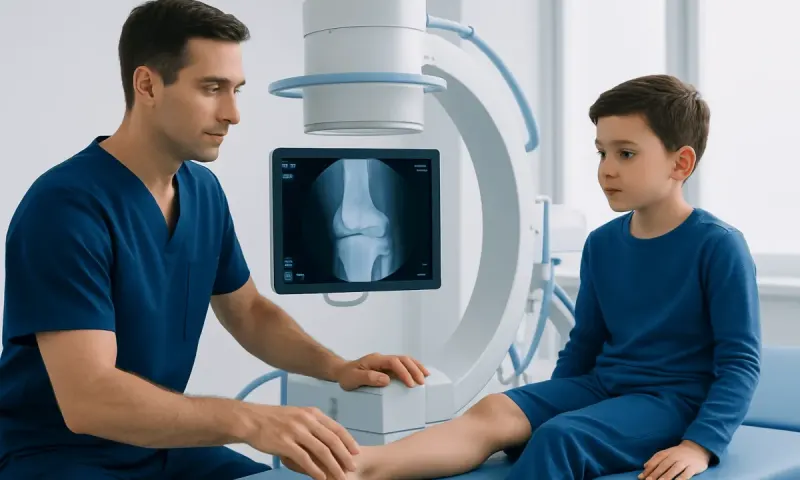
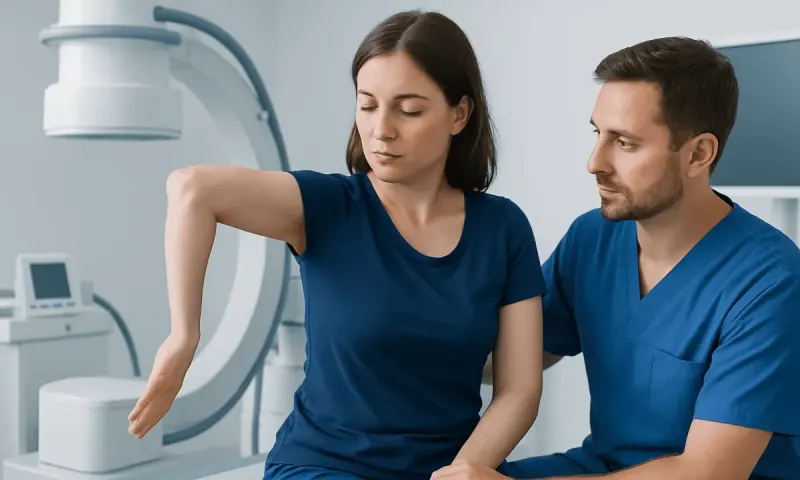
Shoulder Bone Spurs: Symptoms and Care Options

A spur on shoulder bone is a small area of extra bone, often on the acromion at the top of the shoulder blade or around the shoulder joint. It may contribute to pain or tendon irritation, but it is also common to have a spur without symptoms; treatment is guided by symptoms and the underlying shoulder condition rather than the X-ray finding alone.
Overview: What Does a Spur on Shoulder Bone Mean?
A spur on shoulder bone, also called an osteophyte, is an area of extra bone that forms along a bone edge. In the shoulder, it commonly develops under or around the acromion, the bony projection at the top of the shoulder blade. It may also form near the acromioclavicular (AC) joint, where the collarbone meets the shoulder blade, or around the main shoulder joint.
Bone spurs are not loose pieces of bone and are not usually the result of a sudden injury. They form slowly as the body responds to changes in a joint or nearby tissues. A spur may be seen on an X-ray in someone with no shoulder symptoms at all. For this reason, a scan result should be interpreted alongside the person’s symptoms, physical examination, activity demands, and overall shoulder health.
When a spur projects into the space where the rotator cuff tendons move, it may contribute to pain during lifting or reaching. This is sometimes associated with shoulder impingement or rotator cuff irritation. However, current medical understanding recognizes that shoulder pain is often multifactorial: tendon changes, bursitis, joint arthritis, muscle control, posture, and workload may all be relevant. The presence of a spur does not automatically mean that it is the cause of pain or that surgery is needed.
How a Shoulder Bone Spur Can Feel
Symptoms vary widely. Some people have no symptoms, while others notice pain on the outer or upper part of the shoulder, particularly when raising the arm, reaching overhead, putting on clothing, or lifting items away from the body. Discomfort may develop gradually and can be worse after repeated activity rather than at rest.
If nearby tendons or the bursa, a fluid-filled cushion that reduces friction, become irritated, the shoulder may feel weak, stiff, or painful through part of its range of motion. Night pain can occur, especially when lying on the affected side. A person may also notice clicking or catching, although these sensations are common and do not by themselves prove that a bone spur is causing a problem.
Symptoms that deserve prompt assessment include a sudden inability to lift the arm after an injury, marked weakness, visible deformity, swelling with fever, redness or warmth around the joint, or severe unrelenting pain. These signs can point to problems other than a routine bone spur, such as a fracture, infection, dislocation, or acute tendon tear.
- Pain with overhead reaching or lifting
- Discomfort when sleeping on one shoulder
- Reduced comfortable range of movement
- Weakness or pain when rotating or raising the arm
- Tenderness at the top of the shoulder, particularly with AC joint changes
Why Bone Spurs Develop: Evidence Rather Than Myths
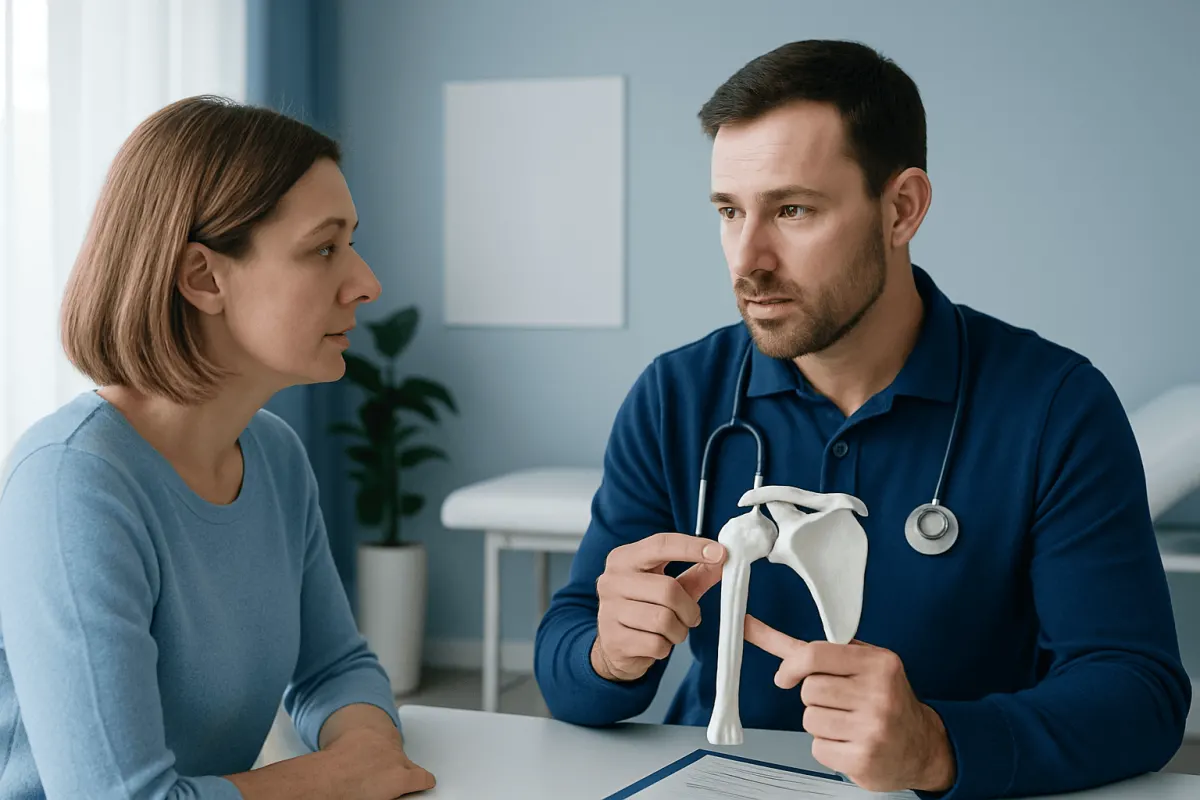
The most common reason for a shoulder bone spur is gradual wear and change in the joint. Osteoarthritis can alter cartilage and bone over time, leading the body to form extra bone around a joint margin. This is often seen at the AC joint and becomes more common with age. Previous injuries, including shoulder separation, fracture, or dislocation, may increase the likelihood of later joint changes.
Repeated overhead work or sport can place regular load on shoulder tissues and may make symptoms more noticeable in a person who already has structural changes. Activities such as painting, construction work, racquet sports, swimming, and throwing sports can be relevant. Still, it is a myth that normal exercise alone “creates” a painful spur. Physical activity is generally valuable for joint and muscle health, and the important issue is whether a particular activity is currently irritating the shoulder.
Another misconception is that every spur damages the rotator cuff. A spur can coexist with rotator cuff tendinopathy or a tear, but it does not establish cause and effect. Rotator cuff problems can develop through several processes, including age-related tendon changes, injury, repetitive load, and reduced blood supply within the tendon. A clinician considers the full pattern rather than assigning all symptoms to one X-ray feature.
Posture may influence how the shoulder feels during activity, but poor posture does not directly grow a bone spur. Likewise, supplements, massage, or “detox” approaches cannot dissolve established extra bone. They may have a role in general wellbeing or symptom management in selected cases, but they do not remove the underlying bony change.
How Doctors Diagnose the Source of Pain
Diagnosis begins with a detailed history. A doctor or physiotherapist will ask when symptoms began, whether there was an injury, which movements provoke pain, how symptoms affect sleep and work, and whether there is neck pain, tingling, or weakness. The examination assesses shoulder movement, strength, tenderness, joint stability, and signs that pain may be coming from the neck or another area.
Plain X-rays are often useful for showing bone spurs, arthritis, changes in joint alignment, or old injury. An X-ray cannot show the rotator cuff tendons in detail. Ultrasound may assess the rotator cuff and bursa dynamically, while MRI can provide more detailed information about tendons, muscles, cartilage, the bursa, and other soft tissues. Imaging is selected when it is likely to change management; it is not always required at the first visit.
It is important not to treat an image alone. Many adults have age-related findings on shoulder imaging without pain, while some people have substantial symptoms with only minor changes visible. Clinicians compare the side and location of pain with examination findings and imaging before deciding whether the spur is clinically significant. In some cases, a targeted injection may help both symptom control and diagnostic clarification, though it is not appropriate for everyone.
Treatment Options and Recovery Planning
For most people, initial treatment is non-surgical. This commonly includes temporarily reducing or modifying painful overhead activities, while keeping the shoulder gently active within a tolerable range. Complete rest for long periods is usually avoided because it can lead to stiffness and loss of strength. Cold or heat may provide short-term comfort, depending on what feels helpful.
A structured physiotherapy program is often central to care. It may focus on restoring comfortable mobility, strengthening the rotator cuff and shoulder-blade muscles, and gradually improving tolerance for work, sport, and daily tasks. Progress is normally gradual. Exercises should be individualized, particularly for people with a recent injury, a suspected tendon tear, arthritis, or other health conditions.
Non-prescription pain relievers or anti-inflammatory medicines may help some people use the shoulder more comfortably, but they are not suitable for everyone. A doctor or pharmacist can advise based on kidney disease, stomach ulcer history, heart disease, blood-thinning medicines, pregnancy, and other individual factors. If symptoms persist despite appropriate rehabilitation, a clinician may discuss an injection for selected inflammatory conditions or refer to an orthopedic specialist.
Surgery to remove or reshape a spur, sometimes called acromioplasty, is not routinely needed simply because a spur appears on imaging. It may be considered when persistent symptoms are clearly linked to a structural problem and do not improve with a well-planned non-surgical program, or when another repair is required. The type of procedure and expected recovery depend on whether there is associated AC joint arthritis, rotator cuff disease, or another shoulder diagnosis.
Prevention and Everyday Shoulder Care
Not every shoulder bone spur can be prevented, particularly when it is related to normal aging or prior injury. However, healthy shoulder habits can help reduce strain and support function. Regular movement, strength training that is appropriate for the individual, and gradual progression of new activities help the shoulder adapt to load.
For repetitive overhead tasks, it can help to vary movements, take short breaks, keep frequently used objects within easy reach, and use suitable technique or equipment. Athletes and active workers may benefit from guidance on training volume, shoulder-blade control, and recovery after heavier sessions. Pain that consistently increases during or after an activity is useful feedback that the workload may need adjustment.
General health also matters. Maintaining a healthy body weight, not smoking, sleeping adequately, and managing long-term conditions can support recovery from musculoskeletal pain. These measures cannot remove an existing spur, but they can improve the body’s ability to participate in rehabilitation and maintain daily activity.
Acıbadem Health Point’s multidisciplinary specialists in JCI-accredited hospitals assess shoulder symptoms and provide individualized orthopedic and rehabilitation care for international patients when specialist evaluation is needed.
When to Seek Medical Care
A medical appointment is appropriate if shoulder pain lasts more than a few weeks, keeps returning, limits work or daily activities, disrupts sleep, or does not improve with sensible activity modification. Assessment is also useful when there is noticeable weakness, progressive stiffness, pain after a fall or impact, or uncertainty about whether symptoms arise from the shoulder or neck.
Urgent medical care is important after a significant injury with deformity, severe pain, or inability to move the arm. Prompt assessment is also needed for a hot, red, swollen shoulder; fever or feeling unwell; sudden major weakness; chest pain; shortness of breath; or pain spreading to the jaw, back, or arm. These symptoms may indicate a condition that is unrelated to a bone spur and needs timely attention.
With a careful diagnosis and an individualized plan, many people with a spur on shoulder bone can return to comfortable daily activities without surgery. The goal is not necessarily to remove every imaging finding, but to address the true source of pain, improve movement, and build lasting shoulder capacity.
Frequently asked questions
01Can a spur on shoulder bone go away on its own?
An established bone spur generally does not disappear on its own. However, it may never cause symptoms, and pain associated with surrounding tendon or bursa irritation can often improve without removing the spur.
02Is a shoulder bone spur the same as arthritis?
No. A bone spur is extra bone growth, while arthritis refers to joint changes that may include cartilage wear, inflammation, stiffness, and altered bone shape. Arthritis, especially at the AC joint, is a common reason that shoulder spurs develop.
03Does a shoulder bone spur always require surgery?
No. Most people are treated first with activity adjustments, physiotherapy, and appropriate pain management. Surgery is usually reserved for persistent symptoms with a clear structural cause after non-surgical treatment has been given a reasonable trial.
04Can exercise make a shoulder bone spur worse?
Exercise does not usually make the spur itself grow quickly, and carefully chosen exercise is often helpful. Repeated painful overhead activity may aggravate irritated tissues, so an individualized program and gradual progression are important.
05How is a shoulder bone spur found?
A plain X-ray can usually show a bone spur and related arthritic changes. Ultrasound or MRI may be used when a clinician needs more information about the rotator cuff, bursa, cartilage, or other soft tissues.
06Can a shoulder spur cause a rotator cuff tear?
A spur may narrow the space around the rotator cuff and can coexist with tendon disease, but it is not the only explanation for a tear. Age-related tendon changes, injury, and repetitive loading can also contribute, so a full clinical assessment is needed.
This article is for general information only and is not a substitute for professional medical advice. Please consult a qualified doctor about your individual situation.
Joint and spine care in Turkey — expert assessment & treatment
JCI-accredited · board-certified surgeons · reply within 24h
Add us as a Preferred Source to see more of our trusted health content across Google Search, AI Overviews and Discover.