Double-Jointed Shoulder: Signs and When to Seek Care

A double jointed shoulder usually means the shoulder moves beyond the typical range because its ligaments and joint capsule are unusually flexible. Many people have painless hypermobility, but repeated slipping, pain, weakness, or dislocations may indicate shoulder instability that benefits from assessment and targeted rehabilitation.
Overview: What Does a Double Jointed Shoulder Mean?
A double jointed shoulder is an everyday term for a shoulder that appears unusually flexible or can move farther than expected. The person does not have an additional joint. In most cases, the term describes joint hypermobility: the tissues that help limit movement, including ligaments and the joint capsule, allow a wider range of motion.
The shoulder is designed for mobility. Its ball-and-socket structure allows reaching, lifting, throwing, and rotating the arm, but this freedom of movement relies on muscles, tendons, cartilage, and ligaments working together to keep the joint centered. When the shoulder is very flexible, it may still be comfortable and fully functional. For some people, however, the ball of the upper-arm bone may partly slide out of place or fully dislocate, causing pain and a sense that the shoulder is unstable.
Hypermobility may be present in one shoulder or throughout the body. A person may notice that they can easily bend their fingers, elbows, knees, or thumbs beyond the usual range as well. It is important to distinguish painless flexibility from a shoulder that repeatedly feels loose, catches, slips, or gives way during daily activities or sports.
How a Hypermobile Shoulder Can Feel
Some people with a hypermobile shoulder have no symptoms at all. They may simply notice a greater ability to rotate the arm, reach behind the back, or place the arm in positions that are uncomfortable for others. In this situation, no treatment is necessarily needed, although good strength and movement habits can help protect the joint.
When hypermobility affects shoulder control, symptoms can develop gradually or after an injury. A person may describe the shoulder as loose, weak, unstable, or as though it is about to pop out. There may be pain during overhead reaching, throwing, swimming, carrying weight, or sleeping on the affected side. Clicking or popping can occur, although these sounds alone do not always mean there is a serious problem.
A partial loss of joint alignment is called a subluxation. It may feel like the shoulder briefly slides out and back in. A complete dislocation occurs when the upper-arm bone comes fully out of the socket and usually causes marked pain, deformity, and difficulty moving the arm. Repeated episodes can make everyday movement less predictable and may lead people to avoid using the shoulder.
- A feeling of slipping or shifting in the joint
- Pain with specific arm positions or after activity
- Weakness, fatigue, or reduced confidence using the arm
- Repeated subluxations or dislocations
- Reduced range of motion after a painful episode
Why Shoulder Hypermobility Happens

Natural variation in connective tissue is a common reason for flexible joints. Genetics can influence the stiffness and elasticity of ligaments and other connective tissues, so hypermobility may run in families. Children and younger adults often have more flexible joints than older adults, and some people remain naturally flexible throughout life.
In the shoulder, instability may also follow trauma. A fall, collision, forceful pull, or Pain Relief" class="ahp-ilk">sports injury can stretch or tear tissues that stabilize the joint. After a first dislocation, the likelihood of another episode can be higher, especially in younger active people. Repeated overhead sports, such as swimming, tennis, volleyball, baseball, or gymnastics, can also place stress on an already flexible shoulder.
Not all instability is caused by a single injury. Some people develop multidirectional instability, meaning the shoulder can move excessively in more than one direction. This pattern may be associated with generalized joint hypermobility, altered muscle control, or both. Less commonly, significant hypermobility is part of a connective-tissue condition, such as hypermobile Ehlers-Danlos syndrome; a clinician considers this possibility when there are widespread symptoms, frequent joint problems, unusual skin features, or relevant family history.
Muscle weakness is not necessarily the original cause, but reduced strength and coordination around the shoulder blade and rotator cuff can make symptoms more noticeable. The goal is not to eliminate normal flexibility, but to improve the active control that helps keep the shoulder stable during movement.
How Doctors Assess a Double Jointed Shoulder
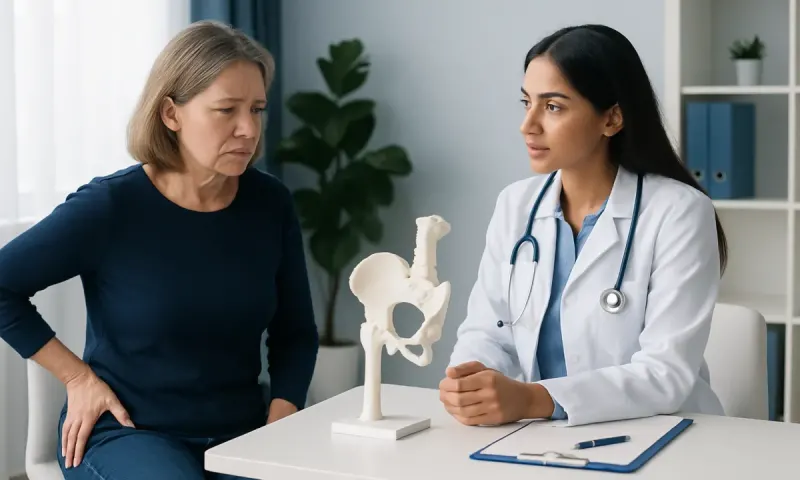
Assessment starts with a detailed history. A doctor will ask when symptoms began, whether there has been a fall or dislocation, which movements cause slipping or pain, and how symptoms affect work, sleep, exercise, and daily tasks. It is helpful to describe whether the shoulder actually comes out of place, returns on its own, or needs help to go back in.
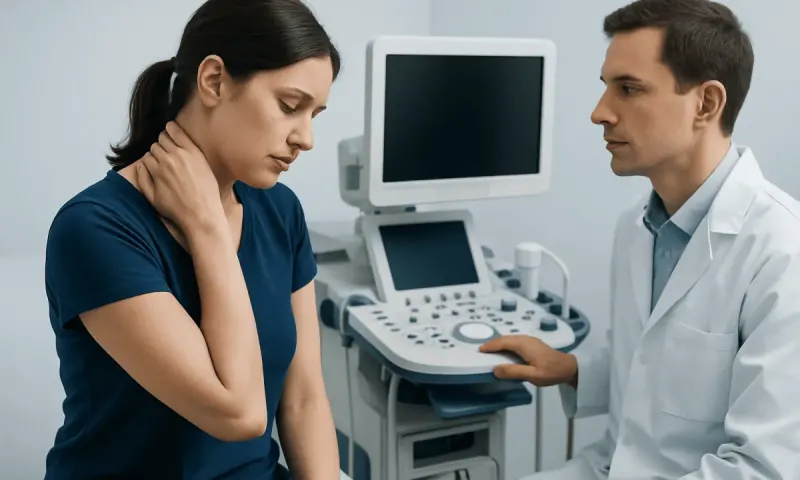
During the physical examination, the clinician checks shoulder movement, strength, tenderness, and signs of instability. They may assess how the shoulder responds in positions that commonly provoke symptoms and examine the shoulder blade, neck, and nearby nerves. If generalized hypermobility is suspected, they may also assess flexibility in other joints using a standardized clinical approach.
Imaging is not required for every flexible shoulder. An X-ray can be useful after a dislocation or injury to check bone alignment and identify fractures. Magnetic resonance imaging, sometimes with contrast placed in the joint, may be considered if there is ongoing pain, suspected injury to the labrum or rotator cuff, or recurrent instability that does not improve with rehabilitation. The findings are interpreted alongside symptoms, since imaging changes do not always explain pain on their own.
A careful diagnosis also rules out other causes of shoulder symptoms, including tendon problems, arthritis, nerve irritation, and pain referred from the neck. This helps ensure that treatment addresses the factors most likely to improve function and comfort.
Treatment Options for an Unstable or Painful Shoulder
Treatment depends on whether the shoulder is simply flexible or is painful and unstable. For many people, the first approach is a structured rehabilitation program with a physiotherapist. Exercises typically focus on the rotator cuff, shoulder-blade muscles, posture, coordination, and gradual control through a comfortable range of motion. Building endurance is often as important as building strength because the shoulder must remain stable during repeated activities.
Activity modification may be recommended temporarily while symptoms settle. This can mean avoiding positions that repeatedly cause slipping, limiting heavy overhead lifting, or adjusting sports technique. A clinician may discuss appropriate pain-relief options when needed, taking into account a person’s health history and other medicines. A supportive brace may occasionally be used for a short period, but it does not replace muscle training and guided recovery.
If the shoulder dislocates, it should be assessed urgently and reduced by a trained healthcare professional. After the joint has been safely put back in place, rehabilitation is important to restore motion and stability. People should not attempt to force a dislocated shoulder back into place themselves because this can worsen injury to nerves, blood vessels, or surrounding tissues.
Surgery is considered selectively, usually when recurrent instability continues despite a well-followed rehabilitation program or when there is substantial structural damage after injury. Procedures may repair or tighten stabilizing tissues, depending on the pattern of instability. Decisions about surgery should be individualized, particularly for people with generalized hypermobility, because recovery requires a careful rehabilitation plan and outcomes depend on the underlying cause of instability.
Self-Care and Safer Movement Habits
A person with a double jointed shoulder can often remain active. The most useful principle is to prioritize controlled movement rather than repeatedly testing the furthest possible range. Exercises should be taught or reviewed by a qualified clinician when there is pain, instability, or a history of dislocation. Progress is usually gradual, and symptoms should guide how quickly activity is increased.
Before exercise or sport, a warm-up that includes gentle shoulder and shoulder-blade activation can be useful. Good technique, balanced strengthening, and adequate rest may reduce overload. People who work at a desk may benefit from changing positions regularly and avoiding prolonged unsupported reaching, while people who lift or carry items can keep loads close to the body when possible.
It can help to identify triggers, such as sleeping with the arm overhead, deep stretches, repetitive throwing, or heavy lifting in an unstable position. Avoiding painful end-range stretching is particularly important when the shoulder already feels loose. Flexibility training is not usually the priority for a hypermobile joint; stability, body awareness, and confidence in movement are more helpful goals.
Acıbadem Health Point’s multidisciplinary specialists and JCI-accredited hospitals can assess painful shoulder hypermobility and provide rehabilitation or surgical care when appropriate for international patients.
When to Seek Medical Care
A medical appointment is appropriate when shoulder flexibility is accompanied by pain, repeated clicking with loss of function, weakness, reduced movement, or a feeling that the joint may slip out. It is also sensible to seek assessment after any shoulder injury, especially if symptoms do not improve with rest and gradual return to activity. Recurrent subluxations or dislocations should be evaluated even if the shoulder seems to go back into place quickly.
Urgent medical care is needed if the shoulder looks visibly deformed, appears out of place, cannot be moved, or causes severe pain after an injury. Numbness, tingling, a cold or pale hand, marked swelling, or a weak pulse in the arm also require prompt assessment. These signs can indicate injury beyond the joint itself.
Until help is available for a suspected dislocation, the arm can be supported in the most comfortable position and unnecessary movement avoided. Ice wrapped in a cloth may help with discomfort, but it should not delay medical evaluation. A clinician can check circulation and nerve function, arrange imaging if needed, and guide safe next steps.
Frequently asked questions
01Is a double jointed shoulder a real medical condition?
Double jointed is not a formal medical diagnosis and does not mean that a person has two shoulder joints. It commonly describes shoulder hypermobility, meaning the shoulder moves beyond the usual range. A clinician may diagnose shoulder instability if that extra movement causes slipping, pain, weakness, or recurrent dislocations.
02Can a double jointed shoulder become unstable later in life?
Yes. A naturally flexible shoulder can become symptomatic after an injury, repeated overhead activity, changes in muscle strength, or reduced movement control. New pain or a feeling that the joint is slipping should be assessed, particularly after a fall or sports injury.
03Should people with hypermobile shoulders stretch more?
Extra stretching is not usually the main need for a hypermobile shoulder, especially if stretching causes discomfort or instability. Strengthening and coordination exercises that improve shoulder control are often more useful. A physiotherapist can recommend an individualized program.
04Can physical therapy help shoulder instability?
Physical therapy is often the first-line treatment for symptomatic shoulder hypermobility and many forms of instability. It aims to improve the function of the rotator cuff and shoulder-blade muscles, as well as movement control. Improvement can take time, so consistent practice is important.
05Does every shoulder dislocation require surgery?
No. Many people are treated initially with medical reduction of the dislocation followed by rehabilitation. Surgery may be considered when dislocations recur, when stabilizing tissues are significantly damaged, or when nonsurgical treatment has not restored stable function.
06Can a double jointed shoulder be related to Ehlers-Danlos syndrome?
It can be, but most people with flexible shoulders do not have Ehlers-Danlos syndrome. A clinician may consider a connective-tissue condition if hypermobility affects many joints or occurs with other suggestive features and family history. Proper assessment helps determine whether further evaluation is needed.
This article is for general information only and is not a substitute for professional medical advice. Please consult a qualified doctor about your individual situation.
Joint and spine care in Turkey — expert assessment & treatment
JCI-accredited · board-certified surgeons · reply within 24h
Add us as a Preferred Source to see more of our trusted health content across Google Search, AI Overviews and Discover.