Paediatric Orthopaedic Surgeon: Children’s Bone Care

A paediatric orthopaedic surgeon is a doctor with specialist training in conditions affecting a child’s bones, joints, muscles, spine and limbs. Their care takes growth and development into account, helping children with injuries, congenital differences and movement-related concerns.
What does a paediatric orthopaedic surgeon do?
A paediatric orthopaedic surgeon is a medical specialist who diagnoses and treats problems involving bones, joints, muscles, tendons, ligaments, the spine and limbs in infants, children and adolescents. A paediatric orthopaedic surgeon understands that children are still growing, so treatment decisions consider skeletal development, future function and a child’s ability to participate in everyday activities.
These specialists care for a wide range of concerns, from common fractures and Orthopedist" class="ahp-ilk">sports injuries to conditions present at birth or those that become noticeable as a child grows. They work closely with paediatricians, physiotherapists, rehabilitation professionals, radiologists, neurologists and other clinicians when a child needs coordinated care.
Referral does not automatically mean that surgery is needed. Many appointments focus on careful assessment, reassurance, monitoring, activity guidance, casting, bracing or therapy. When an operation is appropriate, the surgeon explains the expected benefits, potential risks, recovery needs and alternatives in language families can understand.
Conditions a children's orthopaedic specialist may treat
Children may be referred for an injury, pain, unusual walking pattern or a difference in how a limb looks or moves. Some conditions are identified during newborn checks, while others become clearer when a child begins walking, plays sport or enters a period of rapid growth.
Common reasons for assessment include fractures, recurrent sprains, hip pain, knee pain, flat feet, foot turning in or out, limb-length differences, scoliosis, bone and joint infections, sports injuries and growth-related pain. Specialists also manage congenital limb differences and conditions associated with cerebral palsy, spina bifida, muscular disorders or other neurological conditions.
- Hip conditions, including developmental dysplasia of the hip
- Spinal curvature and other spinal alignment concerns
- Clubfoot, toe walking and gait differences
- Fractures involving a growth plate or joint
- Bone infections, joint infections and inflammatory symptoms
- Benign bone lesions and selected bone tumours in coordination with oncology teams
Not every variation in posture or walking is a disease. For example, intoeing and flat feet can be part of normal development in many children. A specialist can determine whether observation is appropriate or whether a problem needs treatment.
How assessment and diagnosis are approached
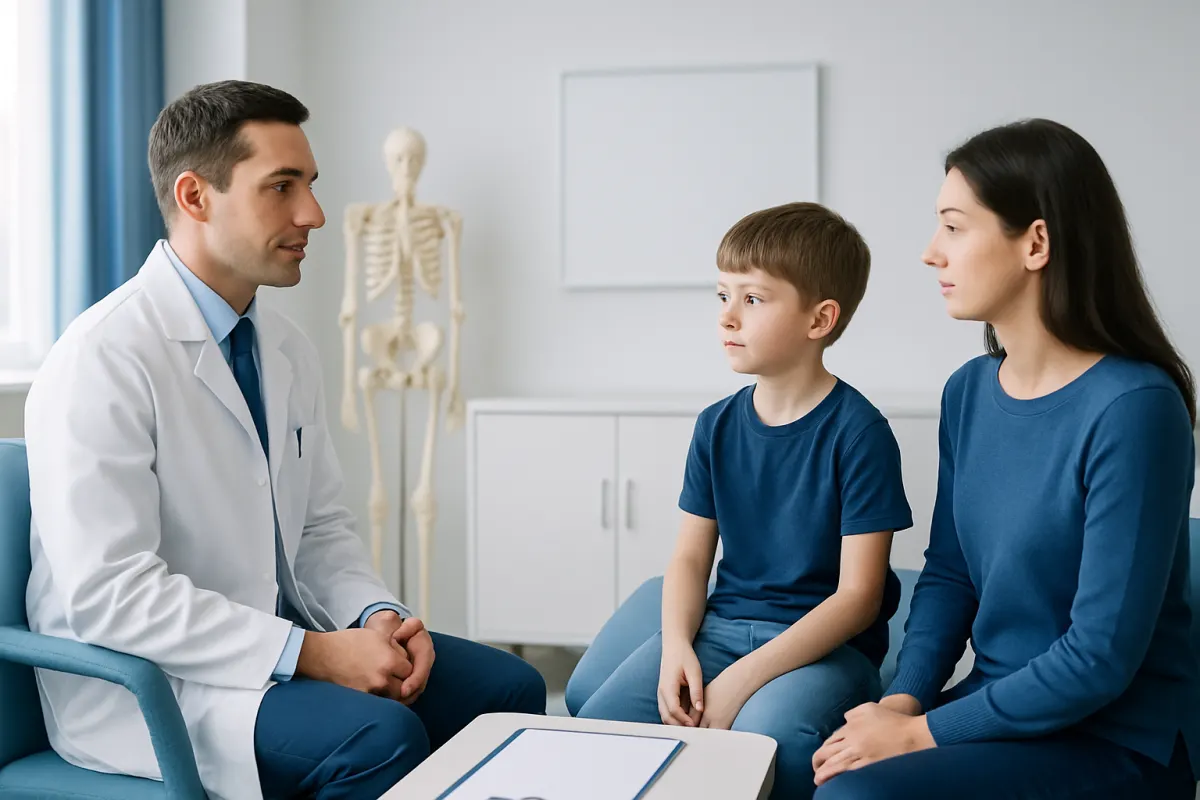
A paediatric orthopaedic consultation usually begins with a detailed history. The clinician may ask when symptoms began, whether there was an injury, how pain affects sleep or activity, and whether there are changes in walking, balance, coordination or endurance. For babies and younger children, pregnancy, birth and developmental history may also be relevant.
The physical examination may assess posture, joint motion, muscle strength, limb alignment, leg length, reflexes and walking pattern. Children are often observed while standing, walking, running or performing age-appropriate movements. The examination is adapted to the child’s age and comfort.
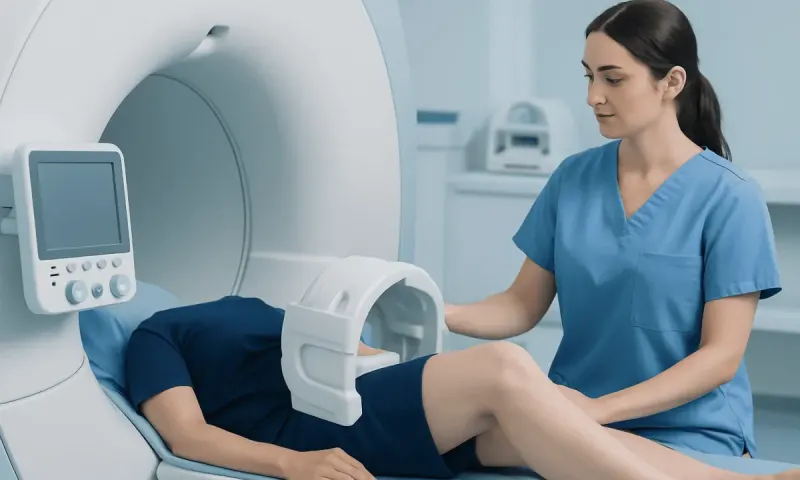
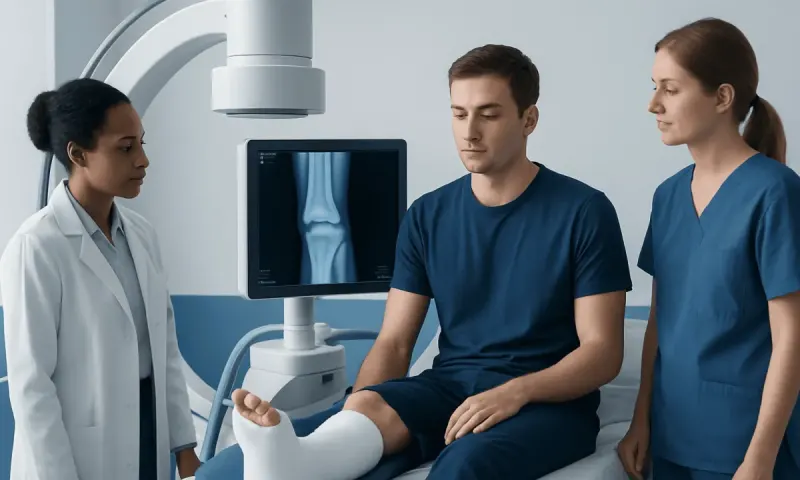
Imaging is used only when it can help answer a clinical question. X-rays are commonly used for suspected fractures, alignment concerns and certain hip or spine conditions. Ultrasound, MRI or CT may be recommended in selected circumstances. Blood tests may be needed if infection, inflammation or another systemic condition is suspected.
Families can help by bringing previous scans, medical reports, a list of medications and a short record of symptoms. Videos of an intermittent limp, unusual movement or sports-related difficulty can also be useful when the concern is not visible during the appointment.
Treatment options for growing bones and joints
Treatment is individualised according to the diagnosis, a child’s age, remaining growth, symptoms and daily function. A clinician may recommend watchful follow-up when a condition is likely to improve naturally or is not affecting comfort, mobility or development. Regular reviews allow the team to recognise changes early.
Non-surgical care can include activity modification, physiotherapy, home exercise guidance, pain management advised by a clinician, casting, splinting, bracing or orthoses. These approaches can support healing after injuries, improve mobility and help guide alignment in certain conditions. Parents should use braces, casts and medicines exactly as instructed and report discomfort, skin problems or worsening symptoms.
Surgery may be considered for unstable or displaced fractures, serious joint injuries, some hip disorders, progressive spinal deformity, significant limb deformity or conditions that limit function despite non-surgical care. Procedures vary widely, from fracture fixation to tendon, bone or joint reconstruction. Surgical plans are designed around the child’s current needs and expected growth.
Recovery may involve pain control, wound care, temporary activity limits, casting or bracing, school planning and rehabilitation. Follow-up visits are important because children heal differently from adults and their growing skeleton may require longer-term observation.
Why are pediatric surgeons so rare?
The term “pediatric surgeon” usually refers to a specialist who performs operations for children across areas such as the abdomen, chest and newborn surgery. A paediatric orthopaedic surgeon is a different specialist: an orthopaedic surgeon with additional expertise in musculoskeletal care for children. Both fields require lengthy medical, surgical and subspecialty training.
These specialists may seem uncommon because the pathway is demanding and because paediatric surgical services are often concentrated in larger children’s hospitals or regional referral centres. Complex childhood conditions also benefit from dedicated anaesthesia, imaging, intensive care, rehabilitation and nursing teams, which are more readily available in specialised settings.
In many communities, routine injuries and straightforward musculoskeletal concerns are safely assessed first by a paediatrician, family doctor, emergency clinician or general orthopaedic team. Referral to a paediatric orthopaedic surgeon is particularly valuable when the diagnosis is uncertain, growth plates may be involved, symptoms persist or a child has a complex condition.
What is the most difficult surgery for an orthopedic surgeon?
There is no single operation that is objectively the “most difficult” for every orthopaedic surgeon. Surgical complexity depends on the diagnosis, the child’s age and anatomy, previous operations, the presence of infection or nerve and blood-vessel involvement, and the need to preserve future growth and movement.
In paediatric orthopaedics, some of the most demanding procedures may involve complex spinal deformity, reconstruction after severe trauma, correction of major limb differences, revision surgery, pelvic or hip reconstruction, or surgery for conditions affecting muscles and nerves. These operations often require detailed planning and a multidisciplinary team.
Difficulty is not a measure of whether surgery is right for a particular child. Families should ask the surgical team about the purpose of the procedure, alternatives, expected recovery, possible complications and the experience of the wider care team. A second opinion may be helpful for major or elective reconstructive surgery.
When to seek medical care
Parents and carers should arrange medical assessment when a child has persistent bone or joint pain, a limp lasting more than a few days, repeated injuries, reduced ability to play or walk, a new deformity, or concerns about posture and movement. Early review can help distinguish normal developmental variation from a condition needing support.
Urgent medical care is appropriate after a significant injury, especially if there is a visibly crooked limb, severe swelling, numbness, an open wound, uncontrolled pain or inability to move or bear weight. A child with joint or bone pain plus fever, marked redness, warmth, unusual drowsiness or general illness should also be assessed promptly because infection needs timely treatment.
For planned specialist care, families can ask their primary doctor for a referral and share relevant records. Acıbadem Health Point’s multidisciplinary specialists and JCI-accredited hospitals provide assessment and treatment for children with orthopaedic conditions, including support for international patients.
What is the highest salary for a pediatric surgeon?
There is no single reliable “highest salary” for a pediatric surgeon. Income can vary substantially by country, healthcare system, subspecialty, years of experience, academic responsibilities, location, public or private employment and contractual arrangements. Published figures are often incomplete and may not reflect total compensation.
Paediatric orthopaedic surgeons and paediatric general surgeons also have different training pathways and employment patterns, so their earnings should not be compared as though they are one profession. For families choosing a clinician, qualifications, relevant paediatric experience, communication, hospital support and access to follow-up are generally more meaningful considerations than salary information.
When arranging care internationally, it is reasonable to request clear written information about the proposed treatment plan, what is included in the estimate and what follow-up may be needed. Financial discussions should never replace a medical assessment tailored to the child.
Who is the most famous pediatric surgeon?
There is no universally accepted answer to who is the most famous pediatric surgeon. Recognition differs by country and specialty, and many highly respected surgeons are known primarily for advancing a particular field, such as neonatal surgery, transplantation, cancer surgery, paediatric orthopaedics or complex reconstruction.
For a child needing musculoskeletal care, the most appropriate specialist is not necessarily the most publicly known clinician. Families may look for recognised specialist training, experience with the child’s specific condition, access to an appropriate children’s hospital team and a communication style that supports informed decisions.
A paediatrician, family doctor or current treating clinician can often recommend suitable referral options. Families may also ask whether the surgeon regularly treats the relevant condition and whether another specialist’s opinion would be useful before major treatment.
Frequently asked questions
01When should a child see a paediatric orthopaedic surgeon?
A child may benefit from specialist assessment for persistent pain, a lasting limp, repeated injuries, a suspected bone or joint deformity, spinal curvature or a problem affecting walking and daily activities. Children with complex fractures, growth-plate injuries or congenital limb and hip conditions may also be referred. A paediatrician or family doctor can help determine how quickly a review is needed.
02Does a referral to a paediatric orthopaedic surgeon mean my child needs surgery?
No. Most referrals are for diagnosis, reassurance, monitoring or non-surgical treatment. Depending on the condition, care may involve observation, physiotherapy, a cast, brace, splint or activity guidance. Surgery is considered only when its potential benefits outweigh its risks for that child.
03What is the difference between an orthopaedic surgeon and a paediatric orthopaedic surgeon?
Both are trained to treat bone, joint and musculoskeletal problems. A paediatric orthopaedic surgeon has additional specialist experience with conditions in infants, children and adolescents, including the effects of growth plates and skeletal development. This expertise can be especially important for complex conditions and injuries in growing children.
04Can children have X-rays safely?
X-rays use a small amount of ionising radiation and are ordered when the expected diagnostic benefit is important. Paediatric teams aim to use the lowest appropriate exposure and may choose ultrasound or MRI when these tests are better suited to the clinical question. Parents can ask why a test is needed and whether there are alternatives.
05Are flat feet or intoeing normal in children?
Flat feet and intoeing are common in young children and often improve as muscles, coordination and alignment develop. Assessment is advisable if there is pain, stiffness, one-sided change, frequent falls, reduced activity or concern about development. A paediatric orthopaedic specialist can identify the smaller number of children who need treatment.
06How can parents prepare for a paediatric orthopaedic appointment?
Bring previous imaging and reports, a list of medicines and relevant medical history. Note when symptoms occur, what makes them better or worse, and whether they affect sleep, school or sport. A short video showing a limp or intermittent movement concern may be helpful if it is not present during the visit.
This article is for general information only and is not a substitute for professional medical advice. Please consult a qualified doctor about your individual situation.
Joint and spine care in Turkey — expert assessment & treatment
JCI-accredited · board-certified surgeons · reply within 24h
Add us as a Preferred Source to see more of our trusted health content across Google Search, AI Overviews and Discover.