Should You Sleep With Your Leg Raised After Knee Surgery?
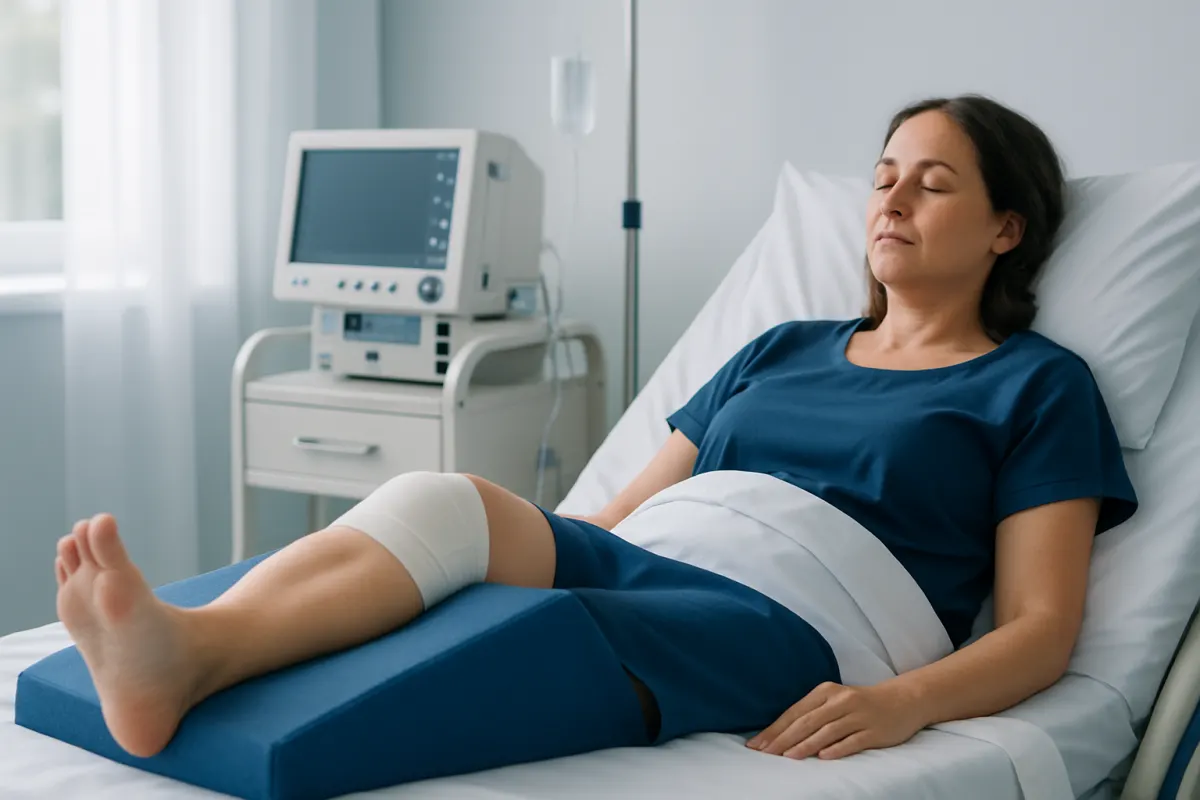
Should I sleep with my leg elevated after knee surgery? In most cases, gentle elevation during the first days or weeks can help limit swelling and improve comfort, but the exact position and duration should follow the surgical team’s advice. The leg should be supported safely, without placing a pillow directly behind the knee for long periods unless specifically advised.
Overview: Should I Sleep with My Leg Elevated After Knee Surgery?
Should I sleep with my leg elevated after knee surgery? Usually, yes—short periods of safe elevation can help reduce swelling, pressure, and discomfort after surgery. However, the right approach depends on the operation, the condition of the wound, circulation, brace instructions, and the surgeon’s rehabilitation plan.
After knee replacement, ACL reconstruction, or ACL and meniscus surgery, swelling is a normal part of healing. Raising the leg above heart level when resting may help fluid move away from the knee and lower leg. For sleep, some people are more comfortable with mild elevation rather than a high stack of pillows all night.
The most important principle is positioning. A pillow is generally placed under the calf and ankle, rather than directly under the knee, so the knee is not held in a bent position for prolonged periods. A care team may give different directions in some circumstances, particularly when a brace, dressing, circulation concern, or specific repair requires a modified position.
How Leg Elevation Supports Knee Surgery Recovery
Surgery causes inflammation in the tissues around the knee. Blood flow and fluid shift to the area as part of the healing process, which can lead to swelling, tightness, bruising, and a pulsing sensation. Elevation uses gravity to support the return of fluid from the lower leg toward the body.
It is not a substitute for prescribed pain medicine, ice therapy, walking practice, compression, or physiotherapy. Instead, it is one part of a recovery plan. The surgeon may recommend combining elevation with intermittent cold therapy and ankle-pump exercises, as long as these are appropriate for the individual.
For people asking whether they should sleep with their leg elevated after ACL surgery, the answer is similarly often yes in the early phase, but not necessarily throughout every night. The reconstruction technique, associated meniscus repair, weight-bearing status, and knee brace instructions all influence the plan. Patients should use the instructions from their orthopedic surgeon as the final guide.
Safe Positioning and the Best Way to Sleep at Night After a Knee Replacement

The best way to sleep at night after a knee replacement is the position that is comfortable, safe, and consistent with rehabilitation instructions. Many patients initially sleep on their back with the operated leg supported from the calf to the heel. This can limit twisting and makes it easier to keep the incision protected.
For elevation, use one or more firm pillows or a wedge under the lower leg so that the heel and calf are supported and the knee is allowed to rest as straight as comfortably possible. Avoid putting a thick pillow directly behind the knee for extended periods, because maintaining a bend may make it harder to regain full knee extension during rehabilitation.
Side sleeping may be possible once the surgeon allows it and the person can move safely. A pillow between the legs can reduce pressure and prevent the operated leg from rolling inward. Patients should not force a painful position, and they should follow any restrictions related to braces, wound dressings, or mobility aids.
- Use a stable pillow arrangement that will not slide during sleep.
- Keep the incision clean and dry according to wound-care instructions.
- Use prescribed mobility aids when getting out of bed, especially during the first days.
- Ask the care team how to manage pain before bedtime if discomfort is disrupting sleep.
What Happens If I Don't Elevate My Leg After Knee Surgery?
Not elevating the leg does not automatically mean that a complication will occur. However, swelling may be more pronounced, and the knee or lower leg may feel tighter, heavier, or more uncomfortable. Increased swelling can make bending and straightening exercises harder and may affect sleep quality.
Some patients cannot tolerate elevation for long periods, and some are advised to use a different position. In these situations, regular gentle movement, ankle pumps, prescribed walking, ice or compression when recommended, and taking rest breaks can all help manage swelling. The key is to avoid long, uninterrupted periods with the leg dependent if this worsens symptoms.
Elevation should not cause numbness, marked pain, color change in the foot, or increased incision discomfort. If it does, the setup may be too high, too tight, or poorly supported. The patient should lower the leg and contact the surgical team for tailored advice.
Why No Recliner After Knee Replacement?
A recliner is not universally prohibited after knee replacement, but many teams advise limiting it early in recovery. Recliners often keep the hip and knee bent for a long time, which may contribute to stiffness and make it harder to work toward fully straightening the knee.
Some recliners are also difficult to enter and leave safely while using a walker or crutches. A low or deeply cushioned chair can increase strain on the new knee and raise the risk of losing balance. If a recliner is used, it should be high enough to allow safe standing and should not replace regular movement and prescribed knee-straightening exercises.
Patients who prefer a recliner should ask their physiotherapist or surgeon about their specific chair and recovery stage. A brief, supported rest may be reasonable for some people, while others may benefit more from a firm bed or chair that better supports posture and transfers.
Common Mistakes After Knee Replacement Surgery
One of the most common mistakes people make after Replacement Surgery: Candidates, Implant Types, and Recovery" class="ahp-ilk">knee replacement surgery is doing too much on a day when pain is improving, then experiencing a flare in swelling later. Another is doing too little because of fear of pain. Early recovery usually requires a careful balance of prescribed exercises, short walks, rest, icing or elevation where advised, and gradual progress.
Other common errors include keeping a pillow under the knee continuously, skipping blood-clot prevention measures, not using walking aids as instructed, or waiting too long to report concerning wound changes. Pain medicine should be taken only as prescribed, and sedating medicines should be used cautiously because they can increase fall risk.
Missing physiotherapy appointments or avoiding home exercises can slow the return of strength and movement. Conversely, forcing a painful bend or continuing an exercise despite sharp pain may aggravate tissues. A structured rehabilitation program after knee replacement surgery helps patients understand safe activity progression and realistic recovery goals.
Recovery Timeline, Benefits, and Possible Risks
In the first several days after knee surgery, swelling and sleep disruption are common. Elevation may be used frequently while resting, especially after walking or exercises, if the surgeon recommends it. During the following weeks, many patients gradually need less elevation as swelling settles and mobility improves, although activity-related swelling may still occur.
There is no single answer to how long someone should sleep with their leg elevated after knee surgery. Some people use it for a few nights, while others benefit from intermittent elevation for several weeks. The recovery plan may be different after total knee replacement, arthroscopy, ligament reconstruction, or ACL reconstruction surgery.
Benefits of correct elevation include improved comfort and reduced swelling. Risks are usually related to poor positioning: pressure on the heel, keeping the knee flexed too long, impaired circulation from overly tight supports, or a fall when getting out of bed. Changing position regularly when awake and checking the foot for normal warmth, color, and sensation can be helpful.
People recovering from ACL and meniscus surgery should also follow instructions about weight-bearing and brace use. Whether they can sleep with the leg elevated after ACL and meniscus surgery depends on the details of the repair and the surgeon’s protocol, rather than on a general rule alone.
When to Seek Medical Care
Patients should contact their surgical team promptly if pain or swelling is suddenly worsening rather than gradually improving, if the incision becomes increasingly red or warm, or if there is pus-like drainage, a persistent fever, or separation of the wound edges. These symptoms need assessment but do not always mean there is a serious problem.
Urgent medical care is needed for new or increasing calf pain, one-sided calf swelling, unusual warmth or redness in the leg, sudden shortness of breath, chest pain, coughing blood, fainting, or a rapid heartbeat. These may be signs of a blood clot or another urgent condition.
Acıbadem Health Point’s multidisciplinary orthopedic and rehabilitation specialists at JCI-accredited hospitals support international patients through diagnosis, surgery, and individualized recovery planning. Patients should seek direct advice from their own surgeon before changing their sleep position, brace use, or rehabilitation routine.
Frequently asked questions
01Should I sleep with my leg elevated after ACL surgery?
Many people are advised to elevate the leg during the early days after ACL surgery to help control swelling. The leg is usually supported under the calf and ankle rather than held bent at the knee. Instructions may differ if there was a meniscus repair, cartilage procedure, or a brace requirement.
02Can I sleep with my leg elevated after ACL surgery?
Yes, if the surgeon has not given a restriction, gentle elevation is commonly used after ACL surgery. The support should be stable and should not create pressure behind the knee or on the heel. If elevation increases pain, numbness, or foot color changes, the patient should lower the leg and contact the care team.
03How high should I elevate my leg after knee surgery?
When resting, the lower leg may be raised so the foot and ankle are above the level of the heart, if this is comfortable and recommended by the surgical team. A wedge or pillows supporting the calf and ankle can help. Very high or unstable stacks of pillows are not advisable during sleep.
04How long should I sleep with my leg elevated after knee surgery?
The duration varies by procedure and by the amount of swelling. Elevation is often most useful during the first several days and may be used intermittently for a few weeks, especially after activity. The surgeon or physiotherapist can give the most appropriate timeline for the individual recovery.
05Is it okay to sleep on my side after knee replacement?
Side sleeping may be possible when it is comfortable and safe, but patients should follow the surgeon’s instructions. A pillow between the knees or legs can protect the operated knee and improve comfort. Some people find sleeping on their back easier during the first stage of recovery.
06Why is my knee more swollen at night after surgery?
Swelling can seem worse at night because fluid accumulates after standing, walking, and completing exercises during the day. Pain and stiffness may also feel more noticeable when there are fewer distractions. Rest, appropriate elevation, and the pain-control plan provided by the surgical team can help.
This article is for general information only and is not a substitute for professional medical advice. Please consult a qualified doctor about your individual situation.
Joint and spine care in Turkey — expert assessment & treatment
JCI-accredited · board-certified surgeons · reply within 24h
Add us as a Preferred Source to see more of our trusted health content across Google Search, AI Overviews and Discover.