Bilateral Knee Replacement: One Surgery or Two?
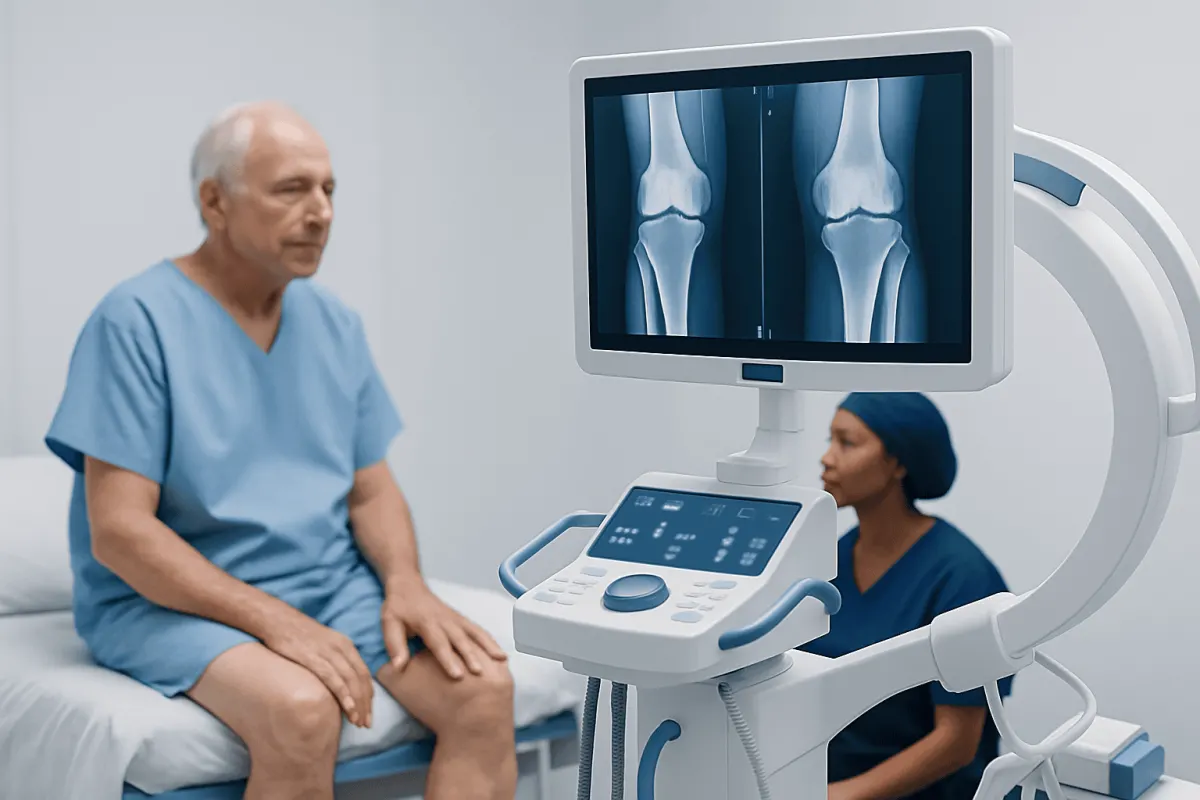
Bilateral knee replacement is surgery to replace damaged joint surfaces in both knees with artificial components. It may be performed during one operation or as two separate surgeries, depending on a person’s health, knee symptoms, and rehabilitation needs.
Overview: What Is Bilateral Knee Replacement?
Bilateral knee replacement is an operation that replaces worn or damaged surfaces in both knee joints with prosthetic components, usually made from metal alloys and durable plastic. It is most often used for advanced osteoarthritis, although inflammatory arthritis, previous injury, or joint deformity can also damage both knees. The aim is to reduce pain, improve alignment and stability, and help a person return to everyday movement.
The two knees can be replaced during the same anesthetic, known as simultaneous bilateral knee replacement, or in two separate operations, known as staged bilateral replacement. Neither approach is automatically best for everyone. A surgeon considers overall health, heart and lung function, anemia risk, mobility, home support, and how severely each knee affects daily life.
Total knee replacement is generally considered after measures such as exercise therapy, weight management when appropriate, pain-relief strategies, injections, and walking aids no longer provide adequate relief. The decision is based on symptoms and quality of life rather than an X-ray result alone. People considering surgery can learn more about Replacement Surgery: Candidates, Implant Types, and Recovery" class="ahp-ilk">knee replacement surgery as part of a discussion with an orthopedic specialist.
Who May Be a Candidate for Surgery?
A person may be considered for bilateral surgery when both knees have substantial pain, stiffness, reduced range of motion, and functional limitation. Common difficulties include walking short distances, climbing stairs, getting up from a chair, sleeping because of knee pain, or relying increasingly on medication and mobility aids. The symptoms should be significant enough that the potential benefits of surgery outweigh the demands and risks of recovery.
Before recommending surgery, the orthopedic team reviews medical history, medications, previous operations, imaging, and physical function. Blood tests and, when needed, heart or lung assessment help identify factors that could affect anesthesia, blood loss, clot risk, or rehabilitation. Conditions such as uncontrolled diabetes, active infection, severe heart or lung disease, or poorly managed anemia may need treatment before an operation is planned.
Simultaneous replacement may be more suitable for carefully selected people who are medically fit and want one hospital admission and one rehabilitation period. Staged surgery may be preferred for people with higher medical risk, uneven symptoms between the knees, or a need to recover strength and confidence on one side before treating the other. A shared decision with the surgical and anesthesia teams is essential.
How Does the Procedure Work?

During a total knee replacement, the surgeon removes a small amount of damaged bone and cartilage from the ends of the thighbone and shinbone. The joint surfaces are reshaped and covered with components designed to recreate a smooth, stable joint. The underside of the kneecap may also be resurfaced when appropriate. The implants are selected and positioned to support alignment and knee motion.
For simultaneous bilateral surgery, both knees are treated in one operating session under anesthesia. The surgical team monitors blood loss, circulation, breathing, and temperature closely throughout. For staged surgery, the same process is performed on each knee at separate times, with the interval determined by recovery, medical health, and the agreed treatment plan.
After surgery, people usually spend time in a recovery area before moving to a hospital room. Pain management commonly combines several approaches to make movement and therapy more manageable while reducing reliance on any one medicine. Early movement is encouraged because it supports circulation, helps regain function, and begins the process of rebuilding confidence in the new joints.
- Preoperative planning and anesthesia assessment
- Removal of damaged joint surfaces and placement of implants
- Wound closure and careful postoperative monitoring
- Early assisted standing, walking, and guided exercises
How Long Does It Take to Walk After Bilateral Knee Replacement?
Most people are helped to stand and take a few steps with a walker or other support on the day of surgery or the following day, depending on their medical condition and anesthesia recovery. This early walking is supervised by physiotherapists or nursing staff. It does not mean the knees are fully recovered; it is the first step in a gradual rehabilitation process.
During the first several weeks, a walker, crutches, or cane may be needed for balance and safety. The time required varies widely. It depends on preoperative strength, pain and swelling, age, medical conditions, confidence, home layout, and participation in therapy. With two knees recovering at once, moving from sitting to standing, managing stairs, and getting in and out of bed can initially require more support than after a single-knee operation.
Physiotherapy focuses on safe walking, knee straightening and bending, leg strength, and practical tasks. Following the rehabilitation plan is one of the most important influences on bilateral knee recovery. A therapist can also advise on equipment, footwear, pacing, and exercises that are appropriate at each stage.
What Can I Expect After a Bilateral Knee Replacement?
In the first days after surgery, both knees are likely to feel sore, swollen, stiff, and warm. Tiredness is also common, especially after simultaneous surgery. The care team monitors wound healing, blood pressure, blood counts, pain control, bowel function, and signs of complications. Medication and movement strategies are used to reduce the chance of blood clots.
At home, recovery involves regular exercises, short frequent walks, rest periods, wound care instructions, and gradually increasing activity. Swelling may continue for several months and can temporarily make bending more difficult. Elevating the legs as advised, using cold therapy when recommended, and avoiding long periods in one position can help manage symptoms.
The bilateral knee replacement surgery recovery timeline differs from person to person. Many people progress from basic household movement toward greater independence over several weeks, while strength, endurance, and comfort can continue improving for months. Driving, work, travel, and higher-demand activities should be resumed only when the surgeon considers them safe and the person can control the vehicle or activity comfortably.
What Is the Hardest Part of Knee Replacement Recovery?
For many people, the hardest part of knee replacement recovery is balancing necessary activity with adequate rest. The knees need regular movement to prevent stiffness and restore strength, yet doing too much too soon can increase swelling and pain. When both knees are healing, there is no unaffected leg to rely on, which can make transfers, stairs, sleeping, and personal care more challenging at first.
Regaining knee bending and full straightening may be uncomfortable, particularly during the early exercise program. Consistency matters more than forcing painful movements. A rehabilitation team can modify exercises, review pain control, and address barriers such as fear of falling, fatigue, or difficulty using mobility aids.
Recovery can also affect mood and sleep. It is reasonable to ask family, friends, or care providers for practical support during the initial period. Discussing concerns early with the healthcare team can help prevent a temporary challenge from interrupting rehabilitation progress.
Benefits, Risks, and Is It a Good Idea to Have Bilateral Knee Replacement?
Bilateral knee replacement can be a good option for selected people whose two knees are both severely affected and whose general health supports surgery. Potential benefits include less knee pain, better ability to walk and perform daily activities, improved sleep, and one overall rehabilitation period if both knees are replaced at the same time. However, improvement is gradual, and no procedure can guarantee a specific level of motion or activity.
As with any major operation, there are risks. These include infection, blood clots, bleeding or anemia, wound problems, nerve or blood vessel injury, stiffness, ongoing pain, implant loosening or wear over time, and complications related to anesthesia. Simultaneous surgery may place greater short-term demands on the body than a single replacement or staged approach, which is why careful selection and medical optimization are important.
An orthopedic surgeon can explain the likely advantages and limitations in an individual case. Acıbadem Health Point’s multidisciplinary specialists at JCI-accredited hospitals assess and treat knee joint conditions for international patients, including surgical planning and rehabilitation support.
When to Seek Medical Care
Promptly contact the surgical team after knee replacement if there is increasing rather than improving pain, new drainage from the wound, spreading redness, fever, worsening swelling, or difficulty taking prescribed medicines. New calf pain or marked one-sided leg swelling should also be assessed urgently because it can be a sign of a blood clot.
Emergency care is needed for chest pain, sudden shortness of breath, coughing up blood, fainting, or symptoms of a severe allergic reaction. These symptoms may have causes unrelated to the knees, but they should not be ignored after surgery.
Before surgery, people with persistent knee pain, stiffness, swelling, instability, or declining mobility should arrange a medical assessment. An orthopedic clinician can confirm the cause of symptoms and discuss whether rehabilitation, medication, injections, or surgery is appropriate.
Frequently asked questions
01How long is the hospital stay after bilateral knee replacement?
The length of stay depends on the surgical approach, overall health, pain control, mobility, and home support. Some people go home after a short hospital stay, while others benefit from additional inpatient rehabilitation. The care team bases discharge on safety and function rather than a fixed timetable.
02Is simultaneous bilateral knee replacement riskier than having two separate surgeries?
Replacing both knees in one operation can place greater short-term stress on the body and may increase certain risks for some people, including blood loss and medical complications. It can still be appropriate for carefully selected patients who are medically fit. A detailed assessment by orthopedic, anesthesia, and medical teams helps determine the safer approach.
03How long does bilateral knee surgery recovery take?
Basic mobility improves during the first weeks, but bilateral knee surgery recovery time is usually measured in months rather than days. Swelling, strength, stamina, and confidence often continue to improve for several months. Full recovery varies according to health, rehabilitation participation, and the physical demands of daily activities.
04Will I need help at home after bilateral knee replacement?
Most people need assistance at first, particularly after simultaneous replacement of both knees. Help with meals, bathing, dressing, medication routines, transport, and household tasks can make recovery safer and less stressful. Planning support before surgery is an important part of preparation.
05Can I climb stairs after bilateral knee replacement?
Yes, many people learn to manage stairs early in recovery with a therapist’s guidance and an appropriate handrail or mobility aid. Stairs may remain difficult while strength and knee motion are limited. The safest technique and timing depend on the individual’s home environment and recovery progress.
06How long do artificial knee joints last?
Modern knee implants are designed to be durable, and many continue to function well for many years. Their lifespan varies with factors such as activity level, body weight, implant type, alignment, and overall health. Follow-up with the orthopedic team helps monitor the joint over time.
This article is for general information only and is not a substitute for professional medical advice. Please consult a qualified doctor about your individual situation.
Joint and spine care in Turkey — expert assessment & treatment
JCI-accredited · board-certified surgeons · reply within 24h
Add us as a Preferred Source to see more of our trusted health content across Google Search, AI Overviews and Discover.