HPV DNA Testing: Purpose, Procedure and Results

Key Takeaways
- HPV DNA testing detects the virus’s genetic material, not cancer itself.
- It is often used with or after a Pap test to assess cervical risk.
- A positive result does not mean cancer; it usually means closer follow-up is needed.
- Most HPV infections clear on their own, but persistent high-risk types deserve attention.
- Timing, sample collection, and follow-up depend on age, screening history, and local guidelines.
HPV DNA testing looks for genetic material from human papillomavirus, especially the high-risk types associated with cervical cancer. It is commonly used in cervical screening to help guide follow-up care and reassurance.
Overview
HPV DNA testing is a laboratory test that looks for the presence of human papillomavirus genetic material, especially the high-risk types linked to cervical cell changes. For many people, it is one part of routine cervical screening rather than a test ordered because something is already wrong.
In practical terms, the test helps clinicians understand whether a person is carrying a type of HPV that may need closer observation. A positive result does not mean cancer is present. It means the next step may be repeat testing, a Pap test, or a colposcopy, depending on the result pattern and the person’s screening history.
For international patients arranging care across borders, HPV DNA testing is usually straightforward to schedule and quick to complete. The more important part is not the swab itself, but making sure results are interpreted in the context of age, prior screening, and any symptoms or previous cervical findings.
How HPV DNA testing works
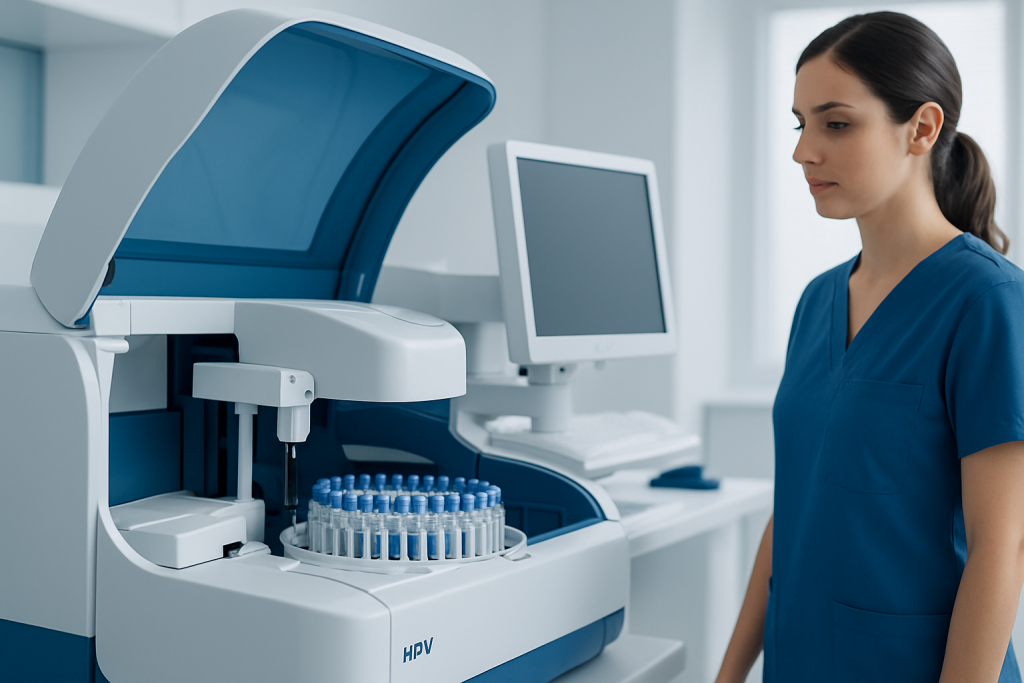
HPV, or human papillomavirus, is a very common virus. Some HPV types affect the skin, while others are spread through intimate contact and can infect the genital area. Certain strains are considered high risk because persistent infection can lead to changes in cervical cells over time.
HPV DNA testing identifies viral DNA in a sample collected from the cervix or, in some settings, the vagina. The laboratory uses molecular methods to detect whether high-risk HPV types are present. Unlike a Pap test, which checks for abnormal-looking cells, HPV DNA testing looks for the virus itself.
This difference matters because the two tests answer different questions. A Pap test asks, “Have the cells changed already?” HPV DNA testing asks, “Is a high-risk virus present that could cause change later?” In some screening programs, both tests are used together to improve the picture.
When the test is recommended

HPV DNA testing is often used in cervical cancer screening, especially for people at an age where high-risk HPV is more clinically relevant. It may be done on its own or as part of co-testing, where HPV testing and a Pap test are performed together.
It may also be recommended after an abnormal Pap result, after treatment for cervical cell changes, or when a clinician wants to better understand ongoing risk. In some cases, it is used to guide how soon a follow-up visit should happen rather than to make a treatment decision immediately.
Screening recommendations vary by country and by individual risk factors. A person’s doctor may suggest a different schedule if there is a history of abnormal results, immune system suppression, prior cervical procedures, or other factors that make closer monitoring appropriate.
Symptoms, or lack of them
Most people with HPV have no symptoms at all. That is one reason HPV can spread without being noticed and why screening is so important. An infection can be present even when someone feels completely well.
Some HPV types cause visible genital warts, but the high-risk types usually do not. They may remain silent for a long time while the body clears the infection or while the virus persists without causing immediate symptoms. Cervical cell changes also often develop without warning signs in the early stages.
Symptoms such as unusual bleeding, pain during sex, or unusual vaginal discharge should not be assumed to be caused by HPV. These symptoms deserve medical assessment because they can have many different explanations, and a clinician can determine what tests are needed.
How the procedure is done
HPV DNA testing is usually done during a pelvic examination. A clinician places a speculum in the vagina to gently access the cervix, then collects a sample with a soft brush or swab. The process is typically brief, although it may feel unfamiliar or mildly uncomfortable for some people.
In some screening settings, self-collection may be available. In that case, instructions are provided so the person can collect a vaginal sample privately and accurately. Availability varies, and a clinician can explain whether self-sampling is appropriate for the individual situation.
Preparation is usually simple. Patients are often advised to avoid vaginal products, sexual intercourse, or douching for a short period before the test if local instructions say so. The clinician or nurse should explain any specific steps before the appointment, including what to expect with follow-up if the result is positive.
- The sample is sent to a laboratory for molecular analysis.
- Results may take several days to longer, depending on the facility.
- The test is generally safe and does not require anesthesia.
Understanding results
HPV DNA test results are usually reported as negative or positive for high-risk HPV, and sometimes they specify which HPV types were detected. A negative result suggests that no high-risk HPV was found at the time of testing, which is reassuring and often means routine screening can continue as planned.
A positive result means high-risk HPV DNA was detected. This does not mean cancer is present. It means the person may need a Pap test, repeat HPV testing later, or a colposcopy so the cervix can be examined more closely. The next step depends on the exact result, age, and prior history.
Some reports may include information about HPV 16 or HPV 18, which are among the types most associated with cervical cancer. When these types are found, clinicians often recommend closer follow-up. The goal is not to alarm the patient, but to identify any changes early enough to monitor them calmly and appropriately.
Treatment options, follow-up, and prevention
HPV DNA testing itself does not require treatment. Management depends on what the test shows and whether any cervical cell changes are present. If the result is negative, the plan may simply be to continue routine screening. If it is positive, the clinician may suggest observation, repeat testing, or a diagnostic procedure such as colposcopy.
If abnormal cells are found, treatment focuses on the cervical changes rather than on HPV DNA alone. Options may include careful monitoring, removal of abnormal tissue, or other procedures chosen by a gynecologic specialist. Many HPV infections clear without intervention, so the approach is often measured and stepwise rather than immediate.
Prevention is also part of the conversation. HPV vaccination can protect against several high-risk types and is generally most effective when given before exposure, though some adults may still benefit after discussing it with a clinician. Condoms reduce but do not eliminate transmission risk, and staying up to date with screening remains important even for vaccinated people.
When to see a doctor
A doctor should be consulted for any abnormal screening result, especially if HPV DNA testing is positive and the person is unsure what it means. Clear follow-up is important because the right next step is not the same for everyone, and the result must be interpreted with the full clinical picture.
Medical advice is also appropriate if there is unexplained vaginal bleeding, bleeding after sex, persistent pelvic pain, or unusual discharge. These symptoms are not specific to HPV, but they should be assessed rather than watched indefinitely.
For patients traveling for care, it helps to leave with a written result, the screening date, and a clear follow-up plan that can be shared with a doctor back home. Acibadem Health Point’s multidisciplinary specialists and JCI-accredited hospitals diagnose and treat this condition for international patients, with attention to continuity of care after the visit.
HPV DNA testing is most useful when it is part of an organized screening pathway. A qualified clinician can explain the result, set the right timing for the next check, and help the patient feel informed rather than uncertain.
Prevention and self-care
There is no home remedy that removes HPV DNA from the body, but healthy habits support the immune system and overall gynecologic health. Not smoking, staying current with cervical screening, and following the recommended follow-up schedule all matter more than trying to interpret the test alone.
People who have a positive result often find it helpful to think in terms of monitoring rather than crisis. HPV is common, and many infections resolve. The important question is whether the virus persists and whether the cervix shows any changes that need attention.
It is also sensible to reduce confusion by keeping a personal record of test dates, result types, and any recommended return visit. That can be especially useful for people who receive care in one country and continue follow-up in another.
- Ask which HPV types were tested and whether the result was high-risk positive.
- Confirm when the next screening or follow-up exam should happen.
- Share prior Pap or HPV results with the next clinician if care changes location.
Frequently asked questions
01What does HPV DNA testing detect?
HPV DNA testing detects the genetic material of human papillomavirus, usually the high-risk types linked to cervical cancer risk. It does not diagnose cancer on its own. Instead, it helps clinicians decide whether closer follow-up is needed.
02Is HPV DNA testing the same as a Pap test?
No. A Pap test looks for abnormal cervical cells, while HPV DNA testing looks for the virus that can cause those changes. The two tests may be used together because they provide different information.
03If the result is positive, does that mean cancer is present?
No, a positive result does not mean cancer is present. It means a high-risk HPV type was detected, and the next step may be repeat testing, a Pap test, or colposcopy depending on the situation.
04Can HPV go away on its own?
Yes, many HPV infections are cleared by the immune system without treatment. The concern is persistent high-risk infection, which is why follow-up screening matters.
05Does everyone need HPV DNA testing?
Not everyone needs it at the same time, because screening recommendations vary by age, history, and local guidelines. A doctor can explain whether HPV DNA testing, a Pap test, or both are appropriate.
06How should someone prepare for the test?
Preparation is usually simple, but instructions can vary by clinic. Some people may be asked to avoid vaginal products or intercourse for a short time beforehand, and the clinician will explain any special steps.
This article is for general information only and is not a substitute for professional medical advice. Please consult a qualified doctor about your individual situation.
Oncology care in Turkey — second opinion and treatment plan
JCI-accredited · board-certified surgeons · reply within 24h
Add us as a Preferred Source to see more of our trusted health content across Google Search, AI Overviews and Discover.