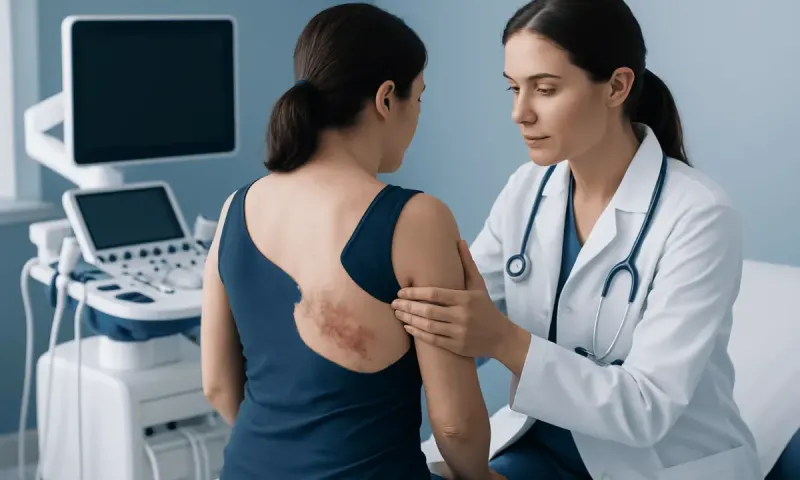
Shingles on the Breast: Symptoms and Early Care

Shingles on breast is a reactivation of the varicella-zoster virus, the virus that causes chickenpox. It commonly produces burning pain, tingling, and a band-like blistering rash on one side of the breast or chest, and early medical advice can help limit symptoms and complications.
Overview: What Does Shingles on the Breast Mean?
Shingles on breast is a localized outbreak of herpes zoster affecting the skin and nerves of the breast, chest wall, or upper back. It happens when the varicella-zoster virus becomes active again years after a person has had chickenpox. The condition is not caused by breast cancer, and it is different from a bacterial breast infection, although the early discomfort may sometimes be confusing.
The virus usually reactivates in one nerve root and travels along that nerve to the skin. As a result, the rash commonly forms a strip or patch on one side of the body. It may involve the breast itself, the skin beneath it, the nipple area, the side of the chest, or the back. A rash that is clearly present on both breasts at the same time is less typical of shingles and should be assessed for other causes.
Shingles can occur at any age, but it becomes more common with increasing age and when immune defenses are reduced. Prompt clinical assessment is useful because antiviral treatment may shorten the illness and reduce the likelihood of prolonged nerve pain for some people.
How Shingles on the Breast Can Feel and Look
Before the rash appears, a person may notice itching, tingling, burning, stabbing pain, or marked skin sensitivity in a defined area of the breast or chest. Clothing, a bra, or even a light touch may feel uncomfortable. These early sensations can begin a few days before skin changes and may be mistaken for muscle strain, breast tenderness, or irritation.
The rash typically starts as red or darker-than-usual patches, depending on skin tone, followed by groups of small fluid-filled blisters. The blisters can become cloudy, dry out, and form crusts over time. The area may be painful, itchy, or both. Some people also feel tired, have a headache, or develop a mild fever.
Features that can support shingles include a one-sided distribution and a line or band-like pattern that does not cross the center of the chest. However, appearance alone cannot always confirm the cause. Conditions such as contact dermatitis, fungal infection, eczema, folliculitis, insect bites, mastitis, and other skin disorders can cause breast-area rashes, so a clinician should examine a new or painful rash.
Why It Happens and Who Is More Likely to Develop It

After chickenpox resolves, varicella-zoster virus remains inactive in nerve tissue. Later in life, it can reactivate and cause shingles. This is not a sign that a person has newly caught chickenpox or that they have poor hygiene. In many cases, there is no single identifiable trigger.
Risk rises with age because immune responses naturally change over time. Shingles is also more likely in people whose immune systems are weakened by certain illnesses or treatments. Examples include medicines that suppress immune activity, chemotherapy, organ transplantation, HIV infection, and some inflammatory or autoimmune conditions. Periods of major physical stress or illness may also coincide with an episode, but they are not the only explanation.
A person who has been vaccinated against chickenpox or shingles can still occasionally develop shingles, although vaccination can lower the risk and may lessen severity. Anyone with a history of chickenpox can potentially develop shingles, including people who do not remember having had it in childhood.
How Doctors Diagnose a Breast-Area Shingles Rash
Doctors can often diagnose shingles by listening to the symptom history and examining the rash. The timing of pain followed by grouped blisters in a one-sided nerve pattern is particularly helpful. The clinician may ask about previous chickenpox, vaccination, medicines, recent illnesses, pregnancy, and conditions that affect immunity.
Testing is not always necessary. If the rash is unusual, widespread, recurrent, or difficult to distinguish from another condition, a swab from a fresh blister can be tested for varicella-zoster virus. Blood tests are generally less useful for confirming a typical active shingles rash.
It is important to mention any breast lump, persistent nipple discharge, breast skin dimpling, spreading redness, or fever. These symptoms do not automatically mean a serious condition, but they may point to a problem other than shingles or to a secondary bacterial skin infection requiring separate care. For broader information about concerning breast changes, see breast cancer.
Treatment Options and Comfort Measures
Prescription antiviral medicines are commonly used for shingles, particularly when started early. They are most effective when begun as soon as possible, ideally within 72 hours after the rash appears, but a clinician may still recommend them later if new blisters are developing, pain is significant, or the person has a higher risk of complications. The most appropriate medicine depends on medical history, kidney function, other medicines, pregnancy status, and immune health.
Pain relief is also an important part of care. A clinician or pharmacist can advise on suitable over-the-counter pain medicines and, if needed, prescription options for more severe nerve pain. Cool, clean wet compresses may soothe the skin. Loose, soft clothing and a non-irritating bra or camisole can reduce friction on a tender breast-area rash.
Blisters should be kept clean and dry, and they should not be picked or intentionally opened. Avoid applying strong fragranced products, adhesive dressings, or unadvised topical remedies that may irritate broken skin. If a bacterial infection is suspected because redness is rapidly spreading, the skin is hot and increasingly swollen, or fever develops, prompt medical review is needed.
Some people experience ongoing nerve pain after the rash heals, known as postherpetic neuralgia. This is more common in older adults and after severe pain or rash, but treatments are available. Early discussion of persistent pain helps a clinician tailor care and support recovery.
Reducing Spread and Supporting Recovery
Shingles itself cannot be passed from one person to another as shingles. However, direct contact with fluid from active blisters can transmit varicella-zoster virus to a person who has never had chickenpox or the chickenpox vaccine; that person could then develop chickenpox. The risk lasts until all lesions have dried and crusted.
Covering the rash with a clean, loose dressing or clothing, washing hands carefully, and avoiding touching or scratching the blisters can reduce spread. Until the rash has crusted, it is sensible to avoid direct skin contact with pregnant people who are not immune to chickenpox, newborn babies, and people with weakened immune systems. Sharing towels or close contact with the uncovered rash should also be avoided.
Rest, regular fluids, and gentle daily activity as tolerated can support recovery. A balanced diet does not cure shingles, but eating normally and avoiding skin irritants can help a person feel more comfortable while healing. Most rashes resolve over several weeks, though discomfort may improve more gradually.
Vaccination is an important preventive measure for eligible adults. A doctor can explain whether shingles vaccination is appropriate based on age, previous shingles episodes, current health conditions, and medicines. Vaccination is not used to treat an active episode, but it can help prevent future episodes and complications.
When to Seek Medical Care
A person should contact a doctor promptly for a new painful, blistering, or one-sided rash on the breast or chest. This is especially important within the first three days after the rash starts, when antiviral treatment may offer the greatest benefit. Medical assessment is also appropriate when the diagnosis is uncertain or when pain is interfering with sleep, movement, or daily activities.
Urgent medical care is needed if the rash occurs near the eye, nose, forehead, or ear; if vision changes, eye pain, facial weakness, confusion, severe headache, or breathing difficulty occurs; or if the rash is extensive. People who are pregnant, immunocompromised, or seriously unwell should seek advice without delay, as should anyone with a high fever or rapidly worsening skin redness.
Acıbadem Health Point’s multidisciplinary specialists and JCI-accredited hospitals can assess and treat shingles and related skin or nerve symptoms for international patients. A qualified clinician can confirm the diagnosis, discuss antiviral treatment where appropriate, and advise on safe pain management and follow-up.
Frequently asked questions
01Can shingles occur on or under the breast?
Yes. Shingles can affect the skin on, under, or around the breast because nerves supplying the chest wall can be involved. It usually appears on one side and may extend toward the side of the chest or back in a band-like pattern.
02Does shingles on the breast mean breast cancer?
No. Shingles is a viral nerve and skin condition and is not breast cancer. However, a new breast rash, lump, skin change, or nipple symptom should be assessed by a healthcare professional because several conditions can affect the breast.
03How long does shingles on the breast last?
New blisters often develop for several days, then dry and crust over. The rash commonly heals within a few weeks, although tiredness, skin sensitivity, or nerve pain can last longer in some people.
04Is shingles on the breast contagious?
A person with shingles cannot give another person shingles. However, fluid from active blisters can transmit the chickenpox virus to someone without immunity, so covering the rash and avoiding direct contact until it crusts is important.
05Can a bra make shingles pain worse?
A tight, rough, or underwired bra can worsen discomfort by rubbing sensitive skin. Many people find that soft, loose, breathable clothing or a gentle supportive garment is more comfortable until the rash heals.
06Should a person with shingles on the breast stop breastfeeding?
Breastfeeding advice depends on where the rash is located and the baby’s health status. If lesions are on or near the nipple or areola, a clinician should be contacted promptly; the baby should not have contact with active blisters, and individualized guidance is needed.
This article is for general information only and is not a substitute for professional medical advice. Please consult a qualified doctor about your individual situation.
Oncology care in Turkey — second opinion and treatment plan
JCI-accredited · board-certified surgeons · reply within 24h
Add us as a Preferred Source to see more of our trusted health content across Google Search, AI Overviews and Discover.