Shingles on the Back: Symptoms and Early Treatment
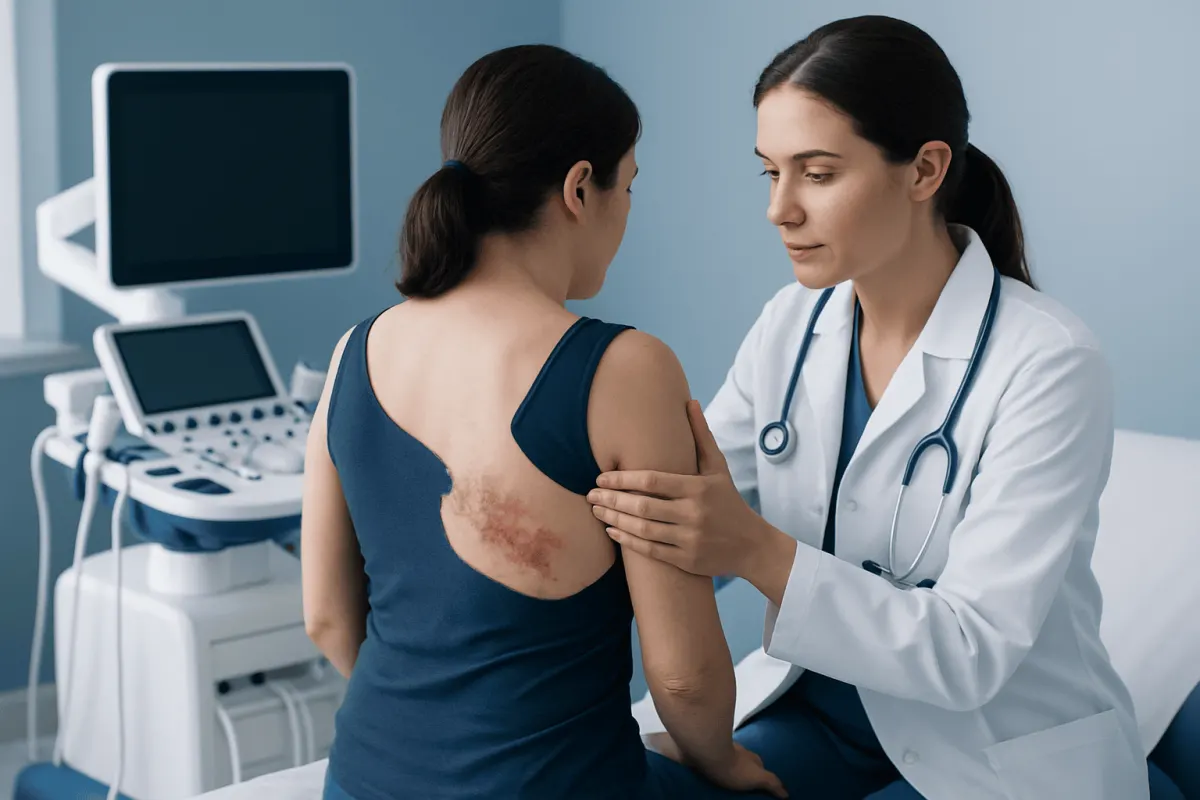
Shingles on the back is a reactivation of the varicella-zoster virus, the virus that causes chickenpox. It typically produces burning pain, sensitivity, and a stripe-like rash with fluid-filled blisters on one side of the back; prompt medical assessment is important because antiviral medicines work best when started early.
What shingles on the back looks and feels like
Shingles, also called herpes zoster, happens when the varicella-zoster virus becomes active again after remaining inactive in nerve tissue following chickenpox. A shingles rash can occur almost anywhere on the body, but the back and chest are among the most common locations. The rash often appears as a narrow band, patch, or stripe on either the left or right side of the back rather than crossing the body’s midline.
Before the skin changes are visible, a person may notice burning, stabbing, tingling, itching, numbness, or unusual sensitivity to touch in one area of the back. These sensations can be mistaken for a pulled muscle, back strain, or skin irritation. Within several days, groups of small fluid-filled blisters commonly develop on red or darker discolored skin. The blisters usually dry out and form scabs over roughly one to two weeks, while complete skin healing may take several weeks.
The degree of discomfort varies widely. Some people have a mildly itchy rash, while others experience significant nerve pain that can interfere with sleep, movement, and daily activities. Shingles is not caused by poor hygiene and does not mean that a person has newly caught chickenpox from someone else.
Why the rash often appears on one side of the back
The virus responsible for shingles remains dormant in groups of nerve cells near the spinal cord or brain after a person recovers from chickenpox. If it reactivates, it travels outward along a sensory nerve to the skin. Each spinal nerve supplies sensation to a defined strip of skin, known as a dermatome. This is why shingles on the back commonly follows a band-like pattern.
On the trunk, the rash may start near the spine and wrap around one side toward the ribs, chest, or abdomen. It can also be limited to a small patch of upper or lower back. A rash on both sides of the back, or a widespread rash affecting many body areas, is less typical and should be evaluated promptly, especially in people with reduced immune function.
Not every painful or blistering rash is shingles. Contact dermatitis, insect bites, bacterial skin infections, cold sores, eczema, and other conditions can sometimes look similar. A clinician can often diagnose shingles by examining the distribution and appearance of the rash. If the diagnosis is uncertain, a sample from a blister may be tested for the virus.
Who is at risk and what can trigger reactivation
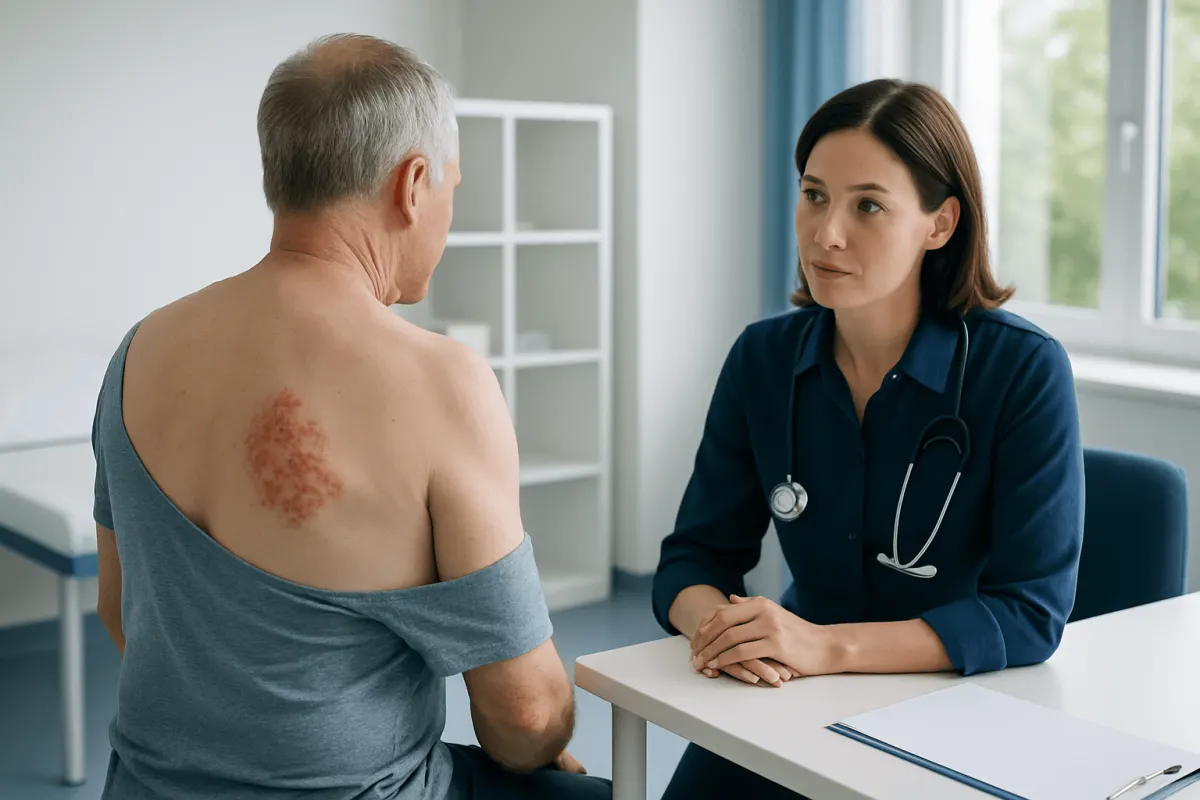
Anyone who has had chickenpox can develop shingles later in life because the virus remains in the body. Risk increases with age, particularly after age 50, as the immune system’s ability to control the dormant virus naturally changes. However, shingles can also occur in younger adults and, less commonly, children.
Conditions and treatments that weaken or alter immune responses can raise the likelihood of shingles. These include certain cancers, HIV infection, autoimmune conditions, organ transplantation, and medicines that suppress the immune system. Severe illness, surgery, emotional stress, and physical strain are often discussed as possible contributors, but they are not direct causes in every individual case.
Having shingles once does not provide lifelong protection from another episode. Recurrence is possible, particularly for people with immune compromise. A doctor can review individual risk factors, current medicines, and whether shingles vaccination is appropriate after recovery.
- Older age is an important risk factor.
- Immune-suppressing illness or treatment may increase risk.
- A previous episode of chickenpox is necessary for shingles to occur.
- Shingles can recur, although many people experience it only once.
Diagnosis and what to expect
For a typical one-sided blistering rash on the back accompanied by nerve-like pain, diagnosis is usually clinical. A healthcare professional will ask when symptoms began, whether there was pain before the rash, what medicines the person takes, and whether there are immune system conditions. They will also examine the rash for its location, distribution, and stage of healing.
Testing is not always needed. When lesions are atypical, widespread, or already crusted, or when another illness is possible, a clinician may collect fluid or cells from a fresh blister for laboratory testing. Blood tests alone are generally not useful for confirming an ordinary shingles episode.
Most otherwise healthy people recover from a back shingles rash without lasting skin changes. Some may have temporary changes in skin color or mild scarring, especially if blisters are scratched or become infected. A key concern is persistent nerve pain after the rash has cleared, called postherpetic neuralgia. It is more common with increasing age and can be treated with an individualized pain-management plan.
Treatment options for shingles on the back
Prescription antiviral medicines are the main treatment for shingles. They reduce viral replication and can shorten the course of illness, limit the formation of new lesions, and lower the risk of some complications. They are generally most effective when started early, ideally within 72 hours after the rash appears. A clinician may still recommend treatment after this time if new blisters are developing, pain is substantial, the person has immune compromise, or the rash is severe.
Pain control is also important. Depending on symptoms and medical history, a clinician may recommend non-prescription pain relievers, prescription medicines for nerve pain, or other treatments. Because some pain medicines and antiviral drugs may not be suitable for everyone, particularly people with kidney disease, stomach ulcers, liver disease, or medication interactions, treatment should be selected by a qualified healthcare professional.
Home care can support comfort while the rash heals. Loose, soft clothing may prevent friction against the back. Cool, clean compresses can soothe discomfort, and colloidal oatmeal baths or calamine-based products may help itching for some people. Blisters should not be picked, punctured, or covered with harsh products. If there is increasing redness, warmth, swelling, pus, fever, or worsening pain, medical review is needed because a secondary bacterial skin infection may be present.
Preventing spread and protecting the skin
A person with shingles cannot give someone else shingles. However, direct contact with fluid from active shingles blisters can transmit varicella-zoster virus to someone who has never had chickenpox or has not been vaccinated against it. That person could develop chickenpox, not shingles. The risk becomes low once all lesions have crusted over.
Until the rash is fully crusted, it is sensible to keep it clean and covered with a non-stick dressing or clothing when practical, wash hands regularly, and avoid touching or scratching the area. People with active blistering shingles should avoid direct contact with pregnant people without immunity to chickenpox, newborn babies, people with severely weakened immune systems, and anyone who has not had chickenpox or the chickenpox vaccine.
Vaccination is the most effective way to reduce the risk of shingles and postherpetic neuralgia in eligible adults. Recommendations differ by country, age, medical conditions, and immune status. A doctor or vaccination provider can explain which vaccine is available locally and the appropriate timing, including after a person has recovered from shingles.
When to seek medical care
Anyone who suspects shingles on the back should contact a healthcare professional promptly, particularly if the rash began within the past three days. Early assessment allows a clinician to confirm the diagnosis, discuss antiviral treatment, and help manage pain safely. It is also important to seek advice if symptoms are causing sleep loss or making normal movement difficult.
Urgent medical assessment is needed if the rash involves the face, eye, ear, or nose; if there are changes in vision, severe headache, confusion, weakness, trouble walking, or difficulty passing urine. Medical care should also be sought urgently for a widespread rash, high fever, severe illness, or shingles symptoms in a person who is pregnant, has a weakened immune system, or is receiving immune-suppressing treatment.
Acıbadem Health Point’s multidisciplinary specialists and JCI-accredited hospitals can assess shingles and related complications for international patients. For persistent pain after the rash has healed, a clinician may coordinate follow-up with dermatology, neurology, pain management, or primary care according to the person’s needs.
Frequently asked questions
01Can shingles occur only on the back?
Yes. Shingles may be confined to one small area of the back or extend from the back around one side of the chest or abdomen. It follows the route of an affected nerve, so it usually remains on one side of the body.
02What does shingles on the back feel like before the rash appears?
Early symptoms may include burning, tingling, itching, stabbing pain, numbness, or tenderness to light touch. These symptoms can begin a few days before blisters develop and may resemble muscle pain at first.
03Is shingles on the back contagious?
Shingles itself is not passed from person to person. However, fluid from open blisters can spread varicella-zoster virus to a person who is not immune to chickenpox, causing chickenpox rather than shingles.
04How long does shingles on the back last?
New blisters often stop appearing within several days, and the rash commonly crusts over in about seven to 10 days. Skin healing usually takes two to four weeks, though nerve pain can last longer in some people.
05Can shingles on the back cause long-term pain?
Some people develop postherpetic neuralgia, which is nerve pain that continues after the rash has healed. It is more likely in older adults and in people who had severe pain or a more extensive rash, but treatments are available to help manage symptoms.
06Should a person exercise with shingles on the back?
Gentle activity may be reasonable if the person feels well enough, but strenuous exercise, friction from tight clothing, and activities that worsen pain should be avoided. Rest, hydration, and protecting the rash are often more comfortable during the active phase.
This article is for general information only and is not a substitute for professional medical advice. Please consult a qualified doctor about your individual situation.
Joint and spine care in Turkey — expert assessment & treatment
JCI-accredited · board-certified surgeons · reply within 24h
Add us as a Preferred Source to see more of our trusted health content across Google Search, AI Overviews and Discover.