

How Long After Eating Can You Exercise?
- 8 min read
- Published November 27, 2026
Key Takeaways
- Small snacks are often followed by exercise sooner than large meals.
- Heavy, fatty, or high-fiber meals may need a longer wait before intense workouts.
- Gentle movement is usually easier on digestion than running, jumping, or heavy lifting.
- Individual factors such as reflux, diabetes, and stomach sensitivity can change the timing.
- Hydration, portion size, and workout intensity matter as much as the clock does.
How long after eating can you exercise depends on meal size, food type, and workout intensity. In many cases, light activity can begin soon after a small snack, while larger meals usually need more time before vigorous exercise.
Overview
The question of how long after eating can you exercise does not have one universal answer. For many people, a short walk may feel fine within minutes of a light snack, while a more demanding workout after a large meal may be uncomfortable if started too soon.
A practical rule is to match the wait time to the meal and the movement. The body is trying to digest, and exercise also asks for blood flow and energy. When both happen at once, some people feel cramping, nausea, heaviness, or a side stitch, while others notice little difference.
For everyday planning, a small snack often needs less waiting time than a full meal. A moderate meal usually benefits from a longer pause before vigorous exercise. The most helpful answer is often not a fixed number of minutes, but a simple question: what was eaten, how much was eaten, and what kind of activity is planned?
Symptoms That Suggest the Timing Is Too Soon
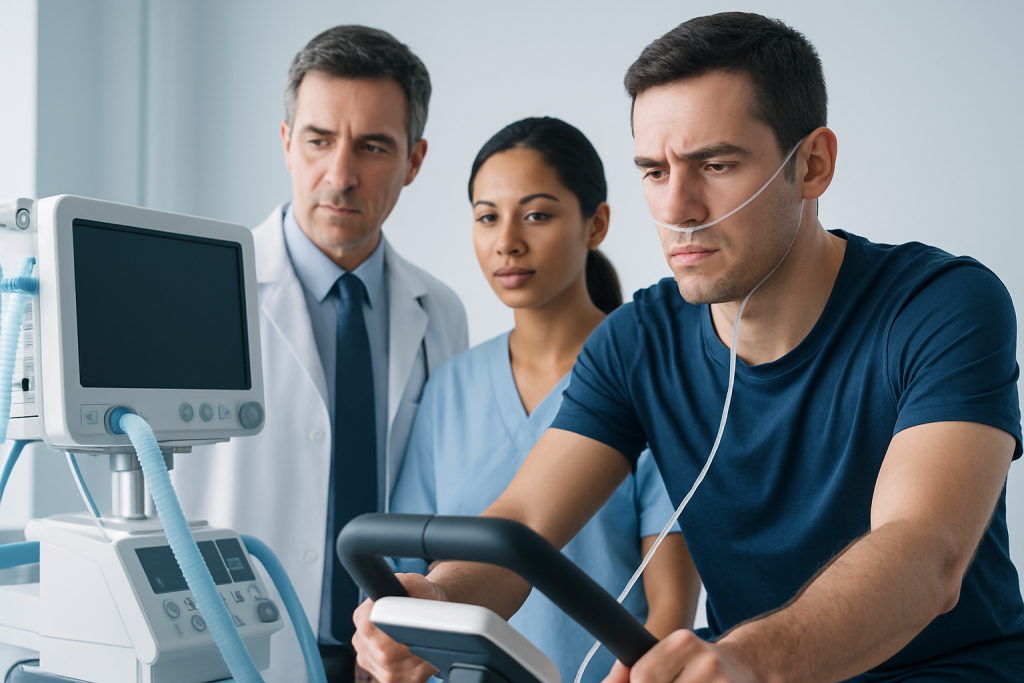
When exercise begins before the stomach has settled, the body often sends clear signals. Common clues include a feeling of fullness, bloating, reflux, nausea, abdominal cramping, or a heavy, sluggish sensation during movement. Some people also notice a temporary stitch in the side, especially with running or brisk walking uphill.
These symptoms are usually uncomfortable rather than dangerous, but they can interfere with performance and make exercise unpleasant. If the person repeatedly feels unwell after eating and moving, the issue may be less about willpower and more about meal size, food choice, or the intensity of the workout.
It can help to notice patterns. A person may tolerate yoga after breakfast but not sprint intervals, or feel fine after a banana but not after a rich pasta meal. Learning these personal signals usually makes timing easier than following a rigid rule.
What Affects the Wait Time

Several factors shape how long after eating can you exercise. The first is meal size. A small snack usually leaves the stomach faster than a large meal, especially one with a lot of fat, fiber, or protein. These nutrients are healthy, but they may take longer to digest and can feel heavier during activity.
The second factor is exercise intensity. Gentle stretching, easy walking, or light cycling may be comfortable much sooner than running, interval training, or heavy lifting. The more the workout increases breathing, bouncing, or abdominal pressure, the more likely digestion will be noticed.
Individual health also matters. People with reflux, irritable bowel symptoms, diabetes, gastroparesis, or a history of stomach sensitivity may need more careful timing. Hydration, stress, sleep, and even heat can change how the stomach feels during movement.
- Small snack: often suitable for light activity sooner
- Regular meal: usually needs a longer pause before moderate to intense exercise
- Large or rich meal: may require the longest waiting period
- High-intensity workout: generally needs more digestion time than gentle activity
Diagnosis: How People Figure Out Their Best Timing
There is no laboratory test for ideal workout timing after meals. Most of the time, the answer comes from observation. A person notices when symptoms appear, what was eaten, and how intense the movement was. Over time, these details reveal a pattern that can be used to plan meals around training.
For people with frequent stomach discomfort, a clinician may ask about reflux, bloating, bowel habits, blood sugar patterns, medications, and exercise routines. If symptoms are persistent or unusual, the evaluation may focus on whether another digestive or metabolic issue is affecting comfort after meals.
Keeping a simple log can be very useful: what time the meal was eaten, what it included, when exercise started, and whether any symptoms followed. This approach is especially helpful for athletes, travelers, and people adjusting to a new fitness routine after a period of inactivity.
Treatment Options and Practical Timing Guidelines
The main approach is not medication but adjustment. If exercise feels uncomfortable after eating, the first step is usually to change the timing, the meal composition, or the workout intensity. Smaller meals before activity, more time between a larger meal and exercise, and a gradual warm-up can all improve comfort.
For many people, light movement after eating is acceptable, especially if it is relaxed and upright. A walk after a meal may actually feel pleasant for some individuals. More vigorous exercise is better scheduled when digestion has had time to settle. If reflux or nausea is a common pattern, avoiding overly rich foods before workouts may help.
A simple way to think about it is this: the bigger the meal, the longer the wait; the harder the workout, the more the body may prefer a gentler interval first. That balance often works better than forcing exercise into a crowded schedule.
- Choose lighter foods before intense training if possible
- Allow more time after large, oily, or high-fiber meals
- Start with a warm-up rather than immediate high effort
- Stop if pain, dizziness, or significant nausea develops
Prevention & Self-care
Preventing post-meal discomfort starts with planning. People who exercise regularly often do best with a routine that separates their larger meals from their harder workouts. When a full meal is not avoidable, a lower-intensity session may be a better match for that day.
Portion size matters, but so does food choice. Very spicy, greasy, or heavy meals can be more difficult before exercise for some people. Drinking enough water, eating at a steady pace, and avoiding a rushed meal right before training can all make a difference.
International patients sometimes have to manage workout schedules around flights, hotel breakfasts, meetings, or treatment appointments. In those situations, simple foods, flexible timing, and walking-based activity are often easier to tolerate than ambitious gym plans after a large meal. The goal is consistency, not perfection.
When to See a Doctor
Most meal-related exercise discomfort improves with timing changes and does not signal a serious problem. Still, medical advice is sensible if symptoms happen often, are getting worse, or interfere with everyday activity. Ongoing reflux, repeated vomiting, unexplained weight changes, or severe abdominal pain deserve evaluation.
A doctor should also be consulted if exercise after eating regularly causes dizziness, chest discomfort, fainting, black stools, trouble swallowing, or symptoms that do not fit a simple pattern of indigestion. In people with diabetes, blood sugar concerns may also affect when and how they should exercise.
For those traveling for care, a clear plan can make recovery smoother. Acibadem Health Point’s multidisciplinary specialists and JCI-accredited hospitals diagnose and treat digestive and other exercise-related concerns for international patients, with follow-up arranged around the individual’s needs.
Frequently asked questions
01How long after eating can you exercise after a small snack?
A small snack is often followed by light activity sooner than a full meal. Many people tolerate walking, easy cycling, or gentle warm-ups shortly afterward if they feel comfortable. If the snack is larger or richer, waiting a bit longer may still be helpful.
02How long should someone wait after a big meal before working out?
A large meal usually needs more time before moderate or vigorous exercise. The exact wait depends on the food and the person, but heavier meals often feel better after a longer pause. If discomfort appears, it is a sign to slow down or reschedule the workout.
03Is it okay to walk after eating?
For many people, yes. A gentle walk is often easier to tolerate than running or intense training and may even feel soothing. The pace should stay relaxed, especially after a larger meal.
04Why do some people get side stitches after eating and exercising?
Side stitches can happen when the body is moving intensely before digestion is settled. Breathing pattern, exercise intensity, and meal timing may all play a role. Slowing down, warming up gradually, and allowing more time after eating can help reduce them.
05Should people with acid reflux avoid exercise after meals?
They may need to be more careful with timing and workout type. Upright, gentle movement is often better tolerated than high-impact exercise soon after eating. If reflux is frequent, a doctor can help tailor advice to the individual.
06Does exercising after eating affect blood sugar?
It can, especially in people with diabetes or prediabetes. Meal timing, food type, and activity level all influence how blood sugar changes during exercise. A clinician can help decide what timing is safest and most appropriate.
This article is for general information only and is not a substitute for professional medical advice. Please consult a qualified doctor about your individual situation.
Persistent digestive symptoms? Get evaluated in Turkey
JCI-accredited · board-certified surgeons · reply within 24h
Add us as a Preferred Source to see more of our trusted health content across Google Search, AI Overviews and Discover.



How can we help you today?
Meet an Acibadem specialist by secure video, before you travel.
Book a video visit