Sesamoiditis: Symptoms, Causes and Treatment

Key Takeaways
- Sesamoiditis often causes pain under the big toe joint, especially when walking, running, or pushing off the foot.
- Repetitive impact, sports, high heels, and foot structure can all contribute to symptoms.
- Diagnosis usually relies on a physical exam and imaging when needed to rule out fractures or other foot problems.
- Most people improve with activity changes, footwear adjustments, padding, and guided rehabilitation.
- Persistent or severe pain deserves medical evaluation to confirm the cause and prevent longer recovery.
Sesamoiditis is irritation or inflammation of the small sesamoid bones beneath the big toe joint, often causing pain in the ball of the foot. It is usually linked to repeated pressure, overuse, or footwear that places extra load on the forefoot.
Overview
Sesamoiditis is a painful irritation of the two tiny bones embedded in the tendon beneath the big toe joint. These bones, called sesamoids, act like pulleys and help the foot bear weight and push off during walking, running, and jumping.
When that area is repeatedly overloaded, the tissue around the bones can become inflamed and sensitive. The result is often a sharp, aching, or bruised feeling in the ball of the foot that tends to worsen with activity and improve with rest.
Although sesamoiditis can be frustrating, it is usually manageable with the right combination of rest, footwear changes, and gradual return to activity. For international patients considering care abroad, the first step is still the same: confirming the diagnosis carefully so the treatment plan matches the actual source of pain.
Symptoms
The most typical symptom is pain under the big toe joint, usually on the ball of the foot. Some people notice it only during sport or long walks, while others feel discomfort during everyday activities such as climbing stairs or standing for long periods.
The pain may feel localized to one side beneath the big toe, and it can become more noticeable when the toe is bent upward. Some people also describe swelling, tenderness to touch, or a sense that walking barefoot on a hard floor is uncomfortable.
- Pain in the ball of the foot beneath the big toe
- Tenderness with direct pressure on the area
- Pain that increases with push-off, running, or dancing
- Swelling or mild inflammation around the joint
- Discomfort wearing thin-soled shoes or high heels
Because other conditions can produce similar pain, such as a sesamoid fracture, bursitis, or arthritis, the pattern of symptoms alone is not enough to make a diagnosis.
Causes & Risk Factors

Sesamoiditis usually develops from repeated stress rather than one single injury. Activities that place frequent pressure on the forefoot, including running, basketball, soccer, dancing, and jumping sports, are common triggers.
Footwear matters as well. Shoes with thin soles, high heels, or poor forefoot cushioning can increase pressure on the sesamoids. A sudden increase in training intensity, a change in footwear, or spending long hours on hard surfaces may also irritate the area.
Some people are more prone to this problem because of foot mechanics or structure. Risk may be higher with a high arch, a forefoot that bears more weight than usual, or a toe position that changes pressure during walking. Prior injury, limited big toe motion, and certain athletic routines can also add strain.
Understanding these contributors is useful because treatment often works best when it addresses both the inflammation and the mechanical load that caused it.
Diagnosis
Diagnosis begins with a careful history and physical examination. A doctor will ask about where the pain is located, which activities make it worse, what shoes are usually worn, and whether the symptoms started after a specific change in training or activity.
During the exam, the clinician may press on the sesamoid area and assess big toe movement, walking pattern, and foot alignment. These findings help distinguish sesamoiditis from other causes of forefoot pain.
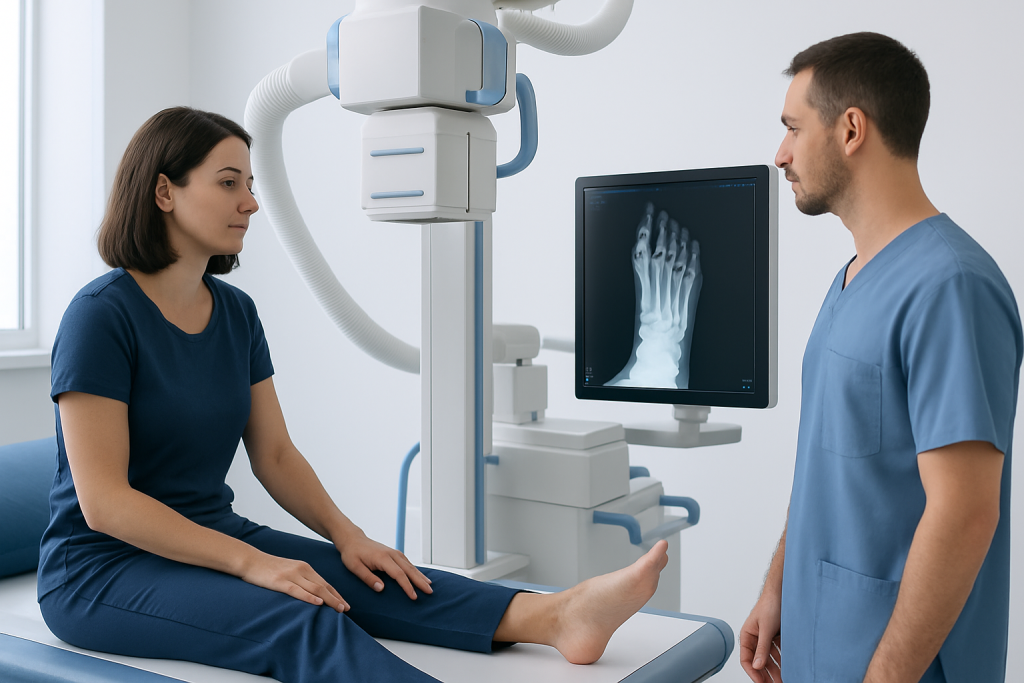
Imaging is sometimes used, especially if the pain is severe, persistent, or linked to a possible injury. X-rays can help look for fracture, position changes, or other bone issues, while other scans may be considered if the diagnosis is still unclear. This careful approach matters because sesamoid pain can sometimes reflect a different problem that needs a distinct treatment plan.
Treatment Options
Most treatment plans start with reducing the stress on the painful area. That may mean temporarily cutting back on running, jumping, or long walks, and avoiding activities that repeatedly push the big toe upward.
Footwear changes are often a key part of recovery. Supportive shoes with cushioning under the forefoot, stiff-soled options, and protective pads or orthotic inserts may reduce pressure on the sesamoids. In some cases, a doctor may recommend taping or a walking boot to calm symptoms and protect the area while it settles.
Rehabilitation may follow once pain begins to improve. This can include stretching, strengthening, and a gradual return to activity under guidance from a clinician or physiotherapist. If inflammation remains stubborn, a doctor may discuss additional options based on the individual situation, while still aiming to avoid unnecessary strain on the bone and surrounding tissue.
For patients traveling from abroad, treatment planning often includes arranging the right balance between rest, follow-up timing, and safe activity progression after returning home. A clear plan can make recovery more predictable and easier to maintain across different healthcare settings.
Prevention & Self-care
Self-care focuses on reducing pressure and giving the irritated area time to recover. Short-term activity modification is often more effective than trying to “push through” pain, especially when the symptoms are tied to repetitive impact.
Supportive shoes with a wider toe box and adequate cushioning can make a meaningful difference. Many people also benefit from avoiding very thin soles, high heels, and hard surfaces when symptoms are active.
- Choose footwear that cushions the forefoot
- Use pads or orthotic inserts if recommended
- Increase training volume gradually
- Warm up before sports and cool down afterward
- Allow time for recovery between high-impact sessions
Maintaining flexibility and strength in the foot and lower leg may also help reduce recurrence. For people who have had sesamoid pain before, noticing early warning signs and adjusting activity promptly can prevent a longer flare.
When to See a Doctor
Medical evaluation is advisable if pain beneath the big toe persists for more than a short period, keeps returning, or interferes with walking. It is also important to seek assessment if the pain began after a sudden injury, a twist, or a direct blow to the foot.
A doctor should be consulted sooner if there is significant swelling, bruising, inability to bear weight, numbness, or pain that feels different from a typical overuse injury. These features can suggest a fracture or another condition that needs prompt attention.
People who are unsure whether their symptoms are sesamoiditis, a stress fracture, or another forefoot problem should not rely on guesswork. A proper diagnosis can shorten recovery time and help protect long-term foot function. Acibadem Health Point’s multidisciplinary specialists and JCI-accredited hospitals diagnose and treat this condition for international patients with coordinated orthopedic care.
Living With Sesamoiditis During Recovery
Recovery often requires patience because the sesamoid area is involved in nearly every step. Even when pain starts to ease, returning too quickly to full activity can bring symptoms back, so the pace of recovery matters as much as the treatment itself.
Many people find it helpful to think in stages: calm the pain, reduce pressure, rebuild strength, then reintroduce impact gradually. This approach is especially practical for athletes, dancers, and travelers who may need to coordinate rehabilitation across different locations.
If symptoms improve but never fully disappear, or if pain keeps returning with activity, a follow-up visit can help reassess footwear, mechanics, and load management. That second look is often where the most useful adjustments are found.
Frequently asked questions
01What is sesamoiditis?
Sesamoiditis is inflammation or irritation of the small sesamoid bones beneath the big toe joint. It usually causes pain in the ball of the foot, especially during weight-bearing activities.
02How is sesamoiditis different from a fracture?
Sesamoiditis is mainly an overuse irritation, while a fracture means the bone is broken. Because the symptoms can overlap, a doctor may use an exam and imaging to tell them apart.
03Can sesamoiditis heal on its own?
Mild cases may improve with rest, supportive footwear, and reduced impact, but ongoing stress can keep the area irritated. If symptoms persist, medical evaluation helps confirm the cause and guide recovery.
04What shoes are best for sesamoiditis?
Supportive shoes with cushioning under the forefoot and a stable sole are often helpful. Shoes that are very thin, rigid in the wrong way, or high-heeled may increase pressure and worsen pain.
05Can I keep exercising with sesamoiditis?
Some low-impact activity may be possible if it does not worsen pain, but high-impact movement often needs to be reduced at first. A clinician can help decide which activities are safe during recovery.
06Does sesamoiditis always need surgery?
No, most people improve without surgery. Treatment usually starts with conservative measures such as activity modification, padding, footwear changes, and rehabilitation.
This article is for general information only and is not a substitute for professional medical advice. Please consult a qualified doctor about your individual situation.
Joint and spine care in Turkey — expert assessment & treatment
JCI-accredited · board-certified surgeons · reply within 24h
Add us as a Preferred Source to see more of our trusted health content across Google Search, AI Overviews and Discover.