Knee Bursitis: Symptoms, Causes and Treatment

Key Takeaways
- Knee bursitis is inflammation of a bursa, a small sac that helps reduce friction around the knee joint.
- Symptoms often include swelling, tenderness, warmth, and pain that may worsen with kneeling or repeated movement.
- Common causes include prolonged pressure, overuse, direct injury, and sometimes infection or other inflammatory conditions.
- Diagnosis is usually based on history and examination, with imaging or fluid testing used when needed.
- Treatment often starts with rest, ice, activity changes, and sometimes medication or drainage, depending on the cause.
- Most people recover well, but persistent swelling, fever, or severe pain should be assessed by a doctor.
Knee bursitis happens when one of the small fluid-filled sacs around the knee becomes irritated or inflamed. It can cause pain, swelling, and tenderness, but most cases improve with rest, targeted care, and guidance from an orthopedics specialist.
Overview
Knee bursitis describes inflammation in one of the small, fluid-filled cushions around the knee called bursae. These structures normally act like low-friction pads, helping skin, tendons, and bones move smoothly against one another.
When a bursa becomes irritated, it may fill with extra fluid and become painful or visibly swollen. The condition can affect different parts of the knee, including the area in front of the kneecap, below the kneecap, or along the inner side of the knee, depending on which bursa is involved.
Although knee bursitis can be uncomfortable and disruptive, it is often manageable. For many people, the key is identifying what keeps re-irritating the bursa, whether that is kneeling at work, sports training, a fall, or another underlying health issue.
Symptoms

The main signs of knee bursitis are local swelling, tenderness, and pain around the affected bursa. Some people notice that the knee feels sore when bending, kneeling, climbing stairs, or getting up from a chair.
Depending on the type of bursitis, the swollen area may look soft and puffy or feel firm and warm. In some cases, the skin over the bursa becomes red, especially if the inflammation is more active or if infection is present.
Symptoms can develop gradually after repeated pressure or overuse, or they can appear more suddenly after a direct knock to the knee. When infection is involved, the knee may be more painful and the person may also feel unwell.
- Swelling in front of, below, or on the inner side of the knee
- Pain when kneeling or bending the joint
- Tenderness to touch
- Warmth or redness over the swollen area
- Reduced comfort with walking or stairs
Causes & Risk Factors

Knee bursitis usually develops when a bursa is exposed to repeated pressure or friction. This can happen in jobs or hobbies that involve frequent kneeling, crawling, or prolonged time on hard surfaces. Sports with repetitive motion or contact can also contribute.
A direct injury, such as a fall onto the knee, may trigger inflammation in the bursa. Less commonly, bursitis can occur with infection if bacteria enter the area through a break in the skin, or it may be associated with inflammatory conditions such as gout or rheumatoid arthritis.
Some people are more likely to develop knee bursitis because of the nature of their daily activities or a medical background that increases inflammation risk.
- Frequent kneeling for work, cleaning, flooring, or gardening
- Repetitive sports movements or training errors
- Direct trauma to the knee
- Overuse without enough recovery time
- Inflammatory conditions, including gout or rheumatoid arthritis
- Diabetes or other factors that may raise infection risk
Diagnosis
Diagnosis usually begins with a careful conversation about symptoms, daily activities, recent injuries, and any history of joint problems. A doctor will then examine the knee, looking at the exact location of swelling, warmth, tenderness, and movement.
The position of the swelling often gives an important clue about which bursa is affected. In many cases, this clinical assessment is enough to suggest knee bursitis and guide the first steps in care.
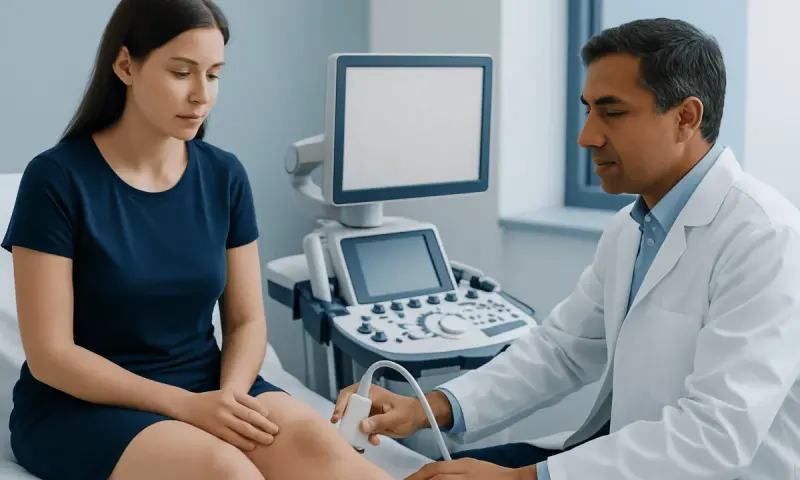
Additional tests may be used when the picture is less clear or when infection, crystal arthritis, or another condition is suspected. Ultrasound can help confirm fluid in the bursa, while aspiration, which removes a small sample of fluid with a needle, may be recommended to check for infection or crystals.
Imaging such as X-rays is not always needed for bursitis itself, but it can be useful if a fracture, arthritis, or another structural issue is being considered. This is especially relevant for international patients who may arrive after traveling with a knee injury and need a precise diagnosis before returning home.
Treatment Options
Treatment depends on what is causing the bursitis and whether infection is involved. Many noninfectious cases improve with conservative care focused on reducing irritation and allowing the bursa to settle.
Resting the knee, avoiding kneeling, and using ice can help ease pain and swelling. A doctor may also suggest compression, short-term support, or changes in activity so the bursa has time to recover without repeated strain.
If pain relief is needed, a clinician may recommend general anti-inflammatory or pain-relieving medicines that are appropriate for the person’s overall health. When a bursa is very swollen, aspiration may relieve pressure, and if infection is present, treatment typically includes antibiotics and closer follow-up.
In persistent or recurrent cases, treatment may also include physical therapy to improve movement mechanics, reduce pressure on the knee, and address contributing stiffness or weakness. Surgery is rarely required, but it may be considered if bursitis keeps returning or does not respond to other measures.
- Activity modification and temporary rest
- Ice and elevation to reduce swelling
- Padding or protective knee supports when needed
- Fluid removal in selected cases
- Antibiotic treatment for septic bursitis
- Rehabilitation to improve knee mechanics and function
Prevention & Self-care
Simple changes often make a meaningful difference, especially for people whose daily routine includes kneeling or repeated bending. Using knee pads, alternating tasks, and taking brief movement breaks can reduce friction on the bursa.
After symptoms improve, it helps to return to activity gradually rather than all at once. Good warm-up habits, supportive footwear, and attention to leg strength and flexibility can also lower the chance of another flare.
At home, self-care usually focuses on protecting the knee from extra pressure and watching how the swelling responds over time. A brief symptom diary can be useful, particularly for international patients who may be managing recovery while planning flights, transfers, or follow-up appointments in another country.
- Avoid prolonged kneeling whenever possible
- Use padding or protective gear for work or sports
- Apply ice during flare-ups as advised by a clinician
- Keep the knee clean if there is a skin injury near the area
- Return to exercise gradually after symptoms improve
- Follow rehabilitation advice to correct movement patterns
When to See a Doctor
Medical assessment is important if knee swelling is significant, keeps returning, or is limiting walking and daily activities. A doctor should also evaluate the knee if pain follows an injury and does not improve as expected.
Prompt attention is especially important if the area is very warm, red, increasingly painful, or accompanied by fever, because these can be signs of infection. Any drainage from the skin, rapidly increasing swelling, or difficulty bearing weight also deserves timely review.
People who have diabetes, immune system concerns, or recent skin breaks around the knee should be cautious about self-managing swelling without guidance. For patients traveling for care, an orthopedics team can help organize diagnosis, treatment, and follow-up planning so recovery remains practical after returning home. Acibadem Health Point’s multidisciplinary specialists and JCI-accredited hospitals diagnose and treat knee bursitis for international patients.
Recovery and Outlook
Most cases of knee bursitis improve well once the source of irritation is removed and the inflamed bursa has time to settle. Recovery is usually smoother when the person follows activity limits early, then gradually reintroduces movement under medical guidance.
Some people may notice that the swelling comes and goes if the knee is repeatedly exposed to pressure. In those situations, the long-term focus is not only on symptom relief but also on changing the underlying movement or work pattern that keeps triggering the bursa.
When bursitis is caused by infection or another inflammatory condition, the outlook depends on addressing that specific cause promptly. Regular follow-up can help make sure symptoms are improving and that the knee is regaining comfortable function.
Frequently asked questions
01What is knee bursitis in simple terms?
Knee bursitis is inflammation of a small fluid-filled sac that sits near the knee and reduces friction. When the bursa gets irritated, it can swell and become painful, especially with kneeling or bending.
02Is bursitis in the knee serious?
Many cases are not serious and improve with rest and other conservative measures. It becomes more concerning if there is fever, redness, severe pain, or a possible infection, which needs medical evaluation.
03How can a doctor tell bursitis from arthritis or a meniscus problem?
A doctor looks at the pattern of pain, swelling, and movement, and checks exactly where the swelling is located. If needed, ultrasound, X-rays, or fluid testing can help rule out other conditions.
04Can knee bursitis go away on its own?
Mild noninfectious bursitis may improve if the knee is protected from repeated pressure and given time to rest. If symptoms do not settle or keep returning, medical advice is a good idea.
05Should someone exercise with knee bursitis?
It depends on the severity and the cause. Gentle movement may be allowed, but activities that increase pain, swelling, or kneeling pressure should usually be paused until a doctor or therapist advises otherwise.
06When is aspiration used for knee bursitis?
Aspiration may be used when the swelling is large, diagnosis is uncertain, or infection needs to be checked. Removing fluid can also reduce pressure and improve comfort in selected cases.
This article is for general information only and is not a substitute for professional medical advice. Please consult a qualified doctor about your individual situation.
Joint and spine care in Turkey — expert assessment & treatment
JCI-accredited · board-certified surgeons · reply within 24h
Add us as a Preferred Source to see more of our trusted health content across Google Search, AI Overviews and Discover.