Serratia Marcescens Bacteria: Infection and Treatment
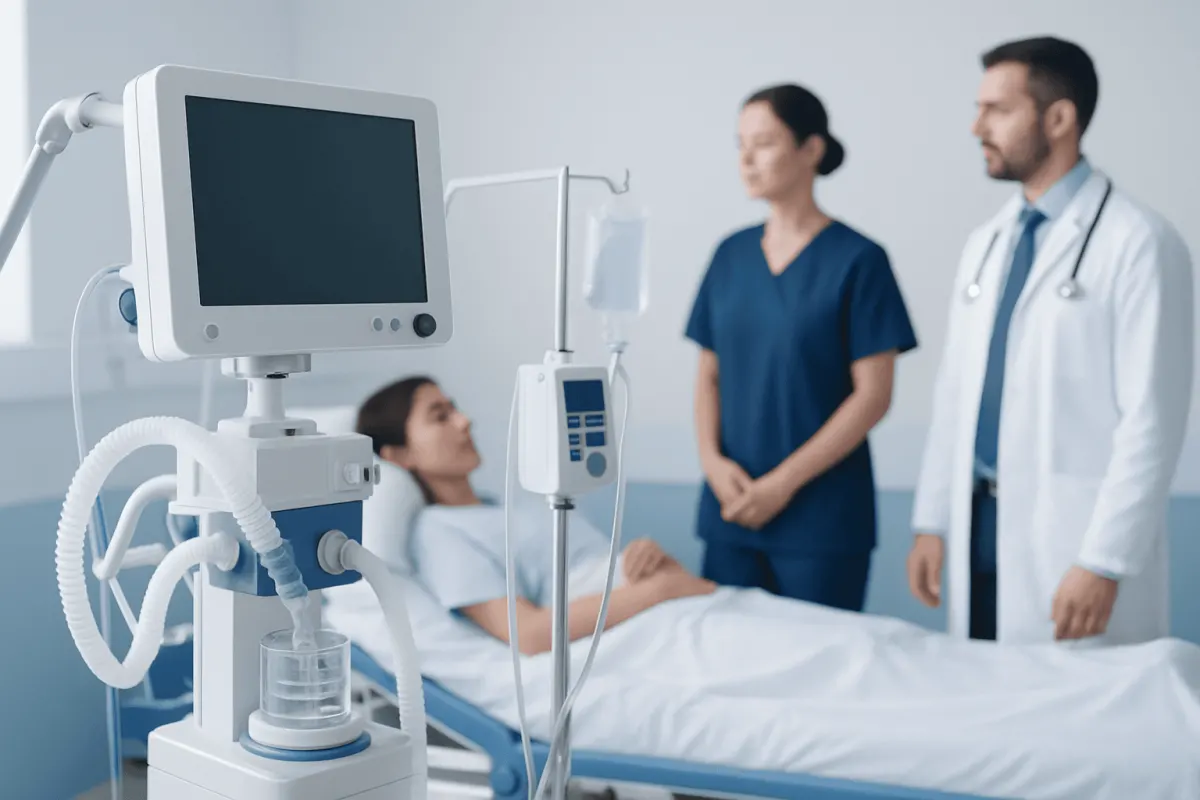
Marcescens bacteria usually refers to Serratia marcescens, a bacterium that can live in moist environments and occasionally cause infection. Infections are most common in people with catheters, recent medical care, weakened immunity, or other health conditions, and treatment is guided by laboratory testing.
What are marcescens bacteria?
Marcescens bacteria usually means Serratia marcescens, a type of gram-negative bacterium. The phrase “marcescens meaning” is related to the organism’s name: marcescens comes from a Latin word associated with fading or decay. It is not a diagnosis by itself, but a laboratory name that may appear on a culture result.
Serratia marcescens is found in soil, water, and damp environments. Some strains can produce a reddish pigment, which historically made the bacterium noticeable on moist surfaces. However, color alone cannot identify a germ, and a home observation should never be used to diagnose an infection.
In healthcare, the bacterium is important because it can sometimes cause infections, especially when a person has a urinary catheter, intravenous line, breathing tube, surgical wound, or a weakened immune system. It may also be found in a sample without representing active disease, so clinicians interpret results alongside symptoms, examination findings, and the type of specimen collected.
Where can Serratia marcescens cause infection?
Serratia marcescens can affect different body sites. Urinary tract infections are a common presentation, particularly in people using urinary catheters or those who have recently had urinary procedures. Symptoms may include burning during urination, urgency, cloudy urine, lower abdominal discomfort, or fever, although some people have few or no symptoms.
The bacterium can also cause wound infections, pneumonia, eye infections, and less commonly infections of the heart or nervous system. When it enters the blood, it may cause marcescens bacteremia. Bacteremia means bacteria are detected in the bloodstream; it requires timely clinical assessment because it can be associated with a serious systemic infection.
A report such as “marcescens abnormal” on a laboratory portal generally means that the organism detected is not considered a usual or expected finding for that test. It does not, by itself, show how severe an infection is or whether treatment is needed. A healthcare professional should review the result in context.
- Urine: urinary tract infection or catheter-associated infection
- Blood: bacteremia, sometimes related to a line, urinary source, or another infection site
- Sputum or lung samples: pneumonia, especially in hospitalized or medically vulnerable people
- Wound or tissue samples: surgical, traumatic, or device-related wound infection
What is the common source of Serratia marcescens?

The common source of Serratia marcescens is the environment, particularly water and damp locations. It can persist in moist settings and may be transferred by contaminated hands, equipment, or devices if infection-control practices are not followed. In hospitals, it has been associated with medical devices, solutions, and wet areas, which is why hand hygiene and careful device care are essential.
Most exposure does not lead to infection. Infection is more likely when the bacterium reaches a body site where it does not belong, such as the bladder through a catheter or the bloodstream through an intravenous device. People in intensive care, those recovering from surgery, and people receiving treatments that suppress immunity may be more susceptible.
Outside healthcare settings, Serratia can be encountered in the environment without causing harm. The phrase “marcescence bacteria” is sometimes used in online searches, but the medically recognized name is Serratia marcescens. A clinician can help determine whether a culture result represents contamination, colonization, or a true infection.
How did I get Serratia marcescens UTI?
A Serratia marcescens urinary tract infection usually develops when the bacterium enters the urinary tract. The most significant risk factor is often a urinary catheter, particularly if it remains in place for an extended period. Catheter placement can give bacteria a pathway into the bladder and allow a protective bacterial layer, called a biofilm, to form on the device.
Recent hospitalization, urinary surgery or instrumentation, urinary blockage, kidney stones, diabetes, and a weakened immune system can also increase the likelihood of infection. In some cases, there is no single identifiable source. A urine culture helps identify the bacterium and determine whether it is likely causing symptoms.
Not every positive urine culture needs antibiotics. For example, bacteria may be present in the urine without symptoms, especially in people with long-term catheters. Clinicians usually consider treatment when symptoms or signs of infection are present, with important exceptions such as pregnancy or certain planned urologic procedures. Removing or replacing an unnecessary catheter may be part of care.
Which antibiotic kills Serratia marcescens?
There is no one antibiotic that is appropriate for every Serratia marcescens infection. The most suitable medicine depends on where the infection is located, how unwell the person is, whether a medical device is involved, kidney function, allergies, and the results of antibiotic susceptibility testing. This laboratory test shows which antibiotics are likely to work against the specific strain.
Serratia marcescens has natural and acquired resistance mechanisms that can make some antibiotics ineffective. For this reason, it is especially important not to use leftover antibiotics or select treatment based on an internet search. A doctor may choose an oral or intravenous antibiotic according to the culture result and the severity of illness.
For a serious infection, clinicians may also need to address the source, such as draining an abscess or removing or replacing an infected catheter or intravenous line when appropriate. Completing prescribed treatment and attending follow-up testing, if advised, helps reduce the chance that infection persists or returns.
How is a Serratia infection diagnosed and treated?
Diagnosis begins with a clinical review of symptoms, medical history, recent procedures, devices, and examination findings. A clinician may order a urine culture, blood cultures, sputum testing, wound culture, or other samples depending on the suspected infection site. Blood tests and imaging may be used when a person is significantly unwell or when a deeper infection is possible.
The culture identifies the organism, while susceptibility testing guides antibiotic selection. For a urinary infection, treatment may also include hydration advice and assessment for urinary obstruction or catheter issues. For bloodstream infections, care often involves close monitoring and a search for the infection source.
Supportive measures are tailored to the person’s condition. These may include fluids, oxygen support in hospital when needed, and management of related medical problems. People should not stop antibiotics early, change doses, or share medication with others unless their prescribing clinician advises it.
Acıbadem Health Point’s multidisciplinary specialists and JCI-accredited hospitals assess and treat infectious conditions for international patients, coordinating microbiology results, device care, and specialist input when needed.
What is the prognosis for Serratia marcescens infection?
The prognosis for Serratia marcescens infection is often good when it is recognized promptly, the correct antibiotic is selected, and any contributing source is managed. A straightforward urinary or localized wound infection may improve with appropriate care, particularly in an otherwise stable person.
Outcomes depend on the infection site and the person’s overall health. Bloodstream infection, severe pneumonia, infection involving implanted devices, or infection in people with major illnesses can be more complex and may require hospital treatment. Antibiotic resistance can also affect the treatment plan, which is why culture-guided care is important.
Follow-up may be recommended if symptoms do not resolve, recur, or if the person has ongoing risk factors such as a catheter or urinary obstruction. A new fever or deterioration during treatment should be reported promptly rather than waiting for a scheduled review.
When to seek medical care
Medical advice is appropriate for symptoms of a possible urinary, wound, or respiratory infection, especially after recent hospitalization, surgery, catheter use, or an invasive procedure. People with a positive culture result should contact the clinician who ordered the test for interpretation, even if they feel well.
Urgent assessment is needed for fever with shaking chills, confusion, severe weakness, shortness of breath, persistent vomiting, severe pain, very low urine output, or rapidly worsening symptoms. These signs can occur with serious infection and should not be managed at home.
To reduce risk, people can follow instructions for catheter or wound care, wash hands regularly, avoid touching medical devices unnecessarily, and ask healthcare teams whether a catheter or intravenous line is still needed. These steps are particularly useful during hospital care and recovery after procedures.
Frequently asked questions
01Is Serratia marcescens contagious?
Serratia marcescens is not usually spread between people through ordinary casual contact. It can be transferred through contaminated hands, equipment, or medical devices, particularly in healthcare settings. Good hand hygiene and correct device care help limit spread.
02Can Serratia marcescens be found without causing infection?
Yes. A culture may detect bacteria without clear evidence of illness, a situation sometimes called colonization. Whether treatment is needed depends on the sample type, symptoms, risk factors, and medical circumstances.
03What symptoms can Serratia marcescens cause?
Symptoms depend on the infection site. A urinary infection may cause burning, urgency, pelvic discomfort, or fever, while a lung infection may cause cough, breathlessness, and fever. Bloodstream infection can cause fever, chills, weakness, confusion, or low blood pressure.
04Can Serratia marcescens UTI go away without antibiotics?
A suspected UTI caused by Serratia should be assessed by a clinician rather than managed without advice. Some positive urine cultures do not represent an active UTI, while true symptomatic infections may need culture-guided antibiotics. Delaying care can be risky for people with fever, kidney symptoms, catheters, or weakened immunity.
05Why is antibiotic susceptibility testing important for Serratia marcescens?
Serratia marcescens can resist certain antibiotics, and resistance differs between strains. Susceptibility testing identifies medicines that are likely to be effective for the individual sample. This supports targeted treatment and helps avoid unnecessary or ineffective antibiotics.
06Can Serratia marcescens return after treatment?
It can recur if the original source remains, such as an infected catheter, urinary obstruction, or an untreated wound problem. Recurrence may also happen if the organism is resistant to the initial medication. New or returning symptoms should be reviewed, and repeat cultures may be needed.
This article is for general information only and is not a substitute for professional medical advice. Please consult a qualified doctor about your individual situation.
Explore treatments in Turkey — costs, top hospitals & a free quote
JCI-accredited · board-certified surgeons · reply within 24h
Add us as a Preferred Source to see more of our trusted health content across Google Search, AI Overviews and Discover.