Septoplasty Recovery Day by Day: What to Expect
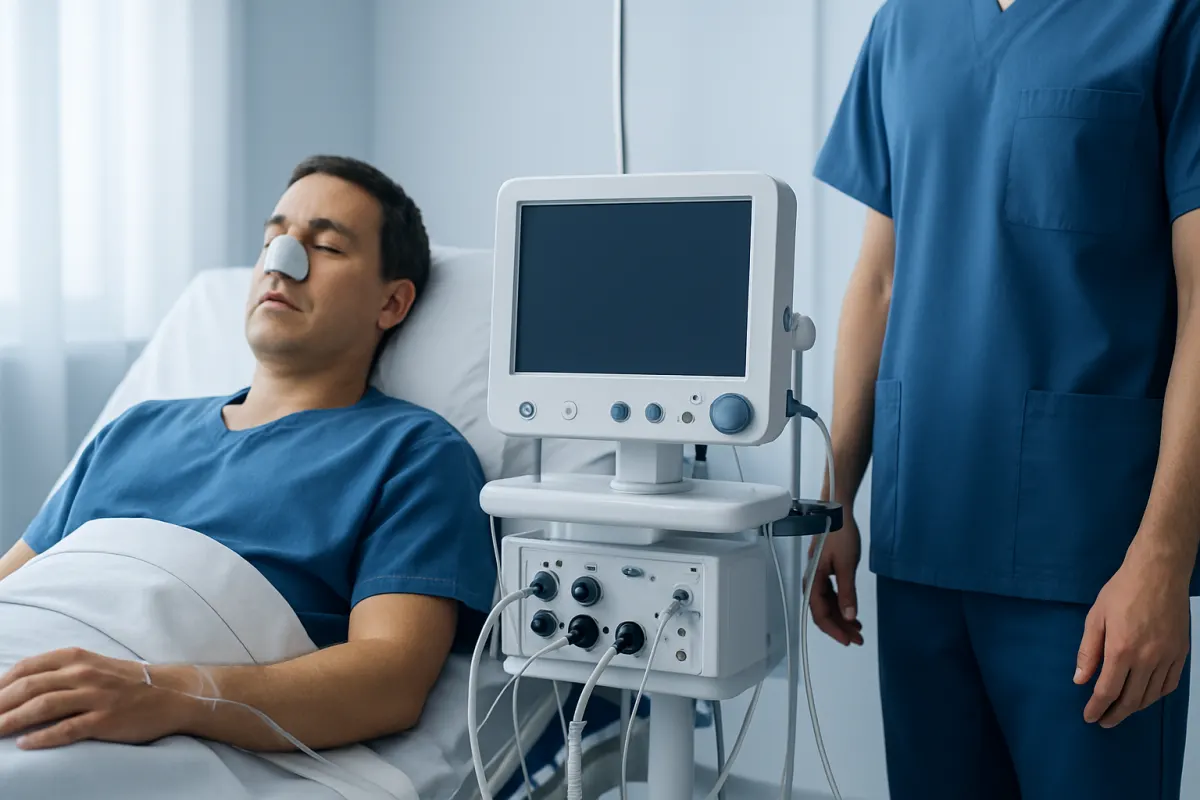
Septoplasty recovery day by day is usually most noticeable during the first week, when nasal blockage, drainage and fatigue are common. Most people return to light daily activities within about one week, while the nasal tissues continue to settle and heal over several months.
Overview: What to Expect From Septoplasty Recovery
Septoplasty is an operation to straighten or reshape the nasal septum, the wall of cartilage and bone that separates the two nasal passages. A septum that is significantly bent, known as a deviated septum, can contribute to persistent nasal obstruction, mouth breathing, recurrent sinus symptoms, snoring and difficulty using nasal sprays effectively. The procedure is intended to improve nasal airflow; it does not usually change the outside appearance of the nose unless it is combined with another operation.
Recovery varies with the extent of surgery, whether turbinate reduction or sinus surgery is performed at the same time, and each person’s health. In general, swelling, congestion and light blood-stained drainage are most evident early on. Improvement is gradual rather than immediate because the lining inside the nose must heal before airflow can be properly assessed.
A surgeon provides individual instructions on medicines, activity and follow-up. Following those instructions is the safest way to support healing, particularly because recommendations can differ when splints, packing or additional nasal procedures are involved.
How Septoplasty Works and Who May Benefit
During septoplasty, the surgeon works mainly through the nostrils. They lift the lining that covers the septum, adjust the bent cartilage and bone, and preserve enough structural support for the nose. The lining is then repositioned, often with dissolvable stitches. Some patients have soft internal splints placed temporarily to support healing; nasal packing is used less often but may be appropriate in selected cases.
Septoplasty may be considered when a deviated septum causes symptoms that remain troublesome despite appropriate non-surgical care. This can include ongoing blockage on one or both sides, impaired sleep due to nasal obstruction, repeated nosebleeds related to septal shape, or difficulty managing sinus disease. It may also be part of surgery to improve access for sinus treatment.
An ear, nose and throat specialist assesses symptoms, medical history and the inside of the nose. They may use nasal endoscopy and, when sinus disease is suspected, imaging. Allergy-related swelling, enlarged turbinates and nasal valve narrowing can also affect breathing, so a careful evaluation helps identify whether septoplasty alone is likely to help. More information about surgical correction is available through septoplasty treatment.
Septoplasty Procedure: Step by Step

Septoplasty is commonly performed as a planned outpatient procedure, meaning many people go home the same day. Depending on the planned surgery, health needs and local practice, anesthesia may be general anesthesia or another appropriate anesthetic approach. The surgical team reviews fasting instructions, medicines, allergies and arrangements for a responsible adult to take the patient home.
After anesthesia is given, the surgeon makes an incision inside the nostril and gently lifts the mucosal lining from the septum. The crooked sections of cartilage or bone are reshaped, repositioned or removed as needed. The surgeon aims to improve the airway while maintaining the support that gives the nose its form.
The lining is placed back over the corrected septum and may be secured with stitches. Internal splints, if used, are usually removed at an early follow-up visit. Septoplasty can be combined with procedures such as turbinate reduction or sinus surgery, which may change the expected level and duration of swelling, drainage and recovery.
Septoplasty Recovery Day by Day: A Practical Timeline
Day of surgery: Drowsiness, a blocked-nose sensation and mild oozing are common after anesthesia. The nose is usually congested because of swelling, dried blood and, in some cases, internal splints. Rest with the head elevated, take prescribed or recommended pain relief as directed, and have someone available to assist during the first night. Do not drive, drink alcohol or make important decisions while anesthesia effects remain.
Days 1–3: Congestion may feel similar to a heavy cold, and there may be small amounts of pink or blood-tinged drainage. Mild pressure, headache or tiredness can occur. Patients are generally advised to avoid nose blowing, bending far forward, heavy lifting and straining. Saline sprays or rinses are frequently recommended to keep crusting under control, but they should be used only as instructed by the surgical team.
Days 4–7: Bruising is usually limited after septoplasty alone, although it may occur when another nasal procedure is performed. Energy often begins to improve, but the nose can still feel blocked. A follow-up appointment may be scheduled during this period or shortly afterward to inspect healing and remove splints if present. Many people can return to desk-based work or school after about one week, depending on comfort and the nature of their work.
Weeks 2–4: Drainage and tenderness usually reduce, while airflow begins to improve as swelling settles. Crusting can continue, and gentle saline care may remain useful. Light exercise may be resumed only when cleared by the surgeon; intense training, heavy lifting and activities with a risk of facial impact generally require more time.
One to three months and beyond: Internal healing continues even when a person feels well. Nasal breathing may fluctuate as swelling resolves, particularly after combined surgery. Final healing can take several months. Follow-up allows the surgeon to identify persistent swelling, crusting, scar tissue or other factors that may influence the result.
Aftercare: Supporting Comfortable Healing
Rest, hydration and head elevation can help reduce discomfort and swelling during the first few days. A cool compress may be placed on the cheeks or forehead if advised, but pressure should not be applied directly to the nose. Pain relief should be taken exactly as recommended. Before using aspirin, anti-inflammatory medicines, herbal products or supplements, patients should ask their surgeon because some can increase bleeding risk.
It is important not to blow the nose until the surgeon confirms it is safe. If sneezing is unavoidable, sneezing with the mouth open can reduce pressure in the nasal passages. Patients should avoid smoking and nicotine exposure, as these can interfere with wound healing. They should also avoid dusty, smoky or strongly scented environments where possible.
Saline mist or irrigation is often part of aftercare because it helps clear mucus and dried blood without forceful blowing. However, timing and technique matter, especially if splints or packing are in place. Only clean water prepared according to the product and clinician instructions should be used for nasal rinsing.
Protecting the nose from accidental injury is essential. Contact sports and situations where the nose could be hit should be postponed until the surgeon approves return. If a patient has seasonal allergies, a clinician can advise when to restart or adjust allergy treatment during recovery.
Benefits, Limits and Possible Risks
The main potential benefit of septoplasty is improved nasal airflow. Some patients also notice easier sleep, reduced mouth breathing or better tolerance of nasal treatments. When a deviated septum has contributed to symptoms, correcting its shape can be an important part of a broader care plan.
Septoplasty cannot treat every cause of nasal blockage. Allergies, inflammation, enlarged turbinates, chronic sinus disease and narrowing around the nasal valve may still need specific management. For this reason, realistic expectations and a full preoperative assessment are important. Persistent blockage after surgery should be discussed at follow-up rather than self-treated with frequent decongestant sprays.
All operations have potential risks. Septoplasty risks can include bleeding, infection, a hole in the septum called a perforation, changes in sensation around the nose or upper teeth, scar tissue, continued obstruction, and rarely a change in nasal shape. A small collection of blood within the septum, called a septal hematoma, also requires prompt assessment. The surgeon explains the risks relevant to the individual procedure and health history before consent.
When to Seek Medical Care
Patients should contact their surgical team promptly if bleeding becomes heavy or does not settle with the measures they were given, if pain is severe or worsening despite prescribed treatment, or if there is a fever or increasing redness and swelling. A foul-smelling discharge, marked one-sided swelling inside the nose, or new symptoms after an injury to the nose should also be reviewed.
Emergency care is appropriate for trouble breathing, fainting, confusion, chest pain, uncontrolled bleeding, or signs of a serious allergic reaction such as swelling of the lips or tongue. These symptoms are uncommon, but timely assessment is important.
Routine follow-up is also valuable when recovery simply does not seem to be progressing as expected. Acıbadem Health Point’s multidisciplinary specialists and JCI-accredited hospitals diagnose and treat nasal breathing concerns for international patients, with care plans based on individual clinical assessment.
Frequently asked questions
01How long does septoplasty recovery take?
Most people feel well enough for light everyday activities within about one week, although congestion and internal healing continue longer. The nasal tissues may take several months to fully settle, especially if septoplasty was combined with another nasal procedure. The surgeon’s follow-up assessment is the best guide to individual recovery.
02Is it normal to be unable to breathe well through the nose after septoplasty?
Yes. Swelling, mucus, dried blood and internal splints can make the nose feel blocked during the first days and sometimes the first few weeks. Airflow usually improves gradually as healing progresses. Sudden worsening, severe pain or heavy bleeding should be reported to the surgical team.
03When can a person blow their nose after septoplasty?
Patients should not blow their nose until their surgeon says it is safe, as early blowing can disturb healing tissue and trigger bleeding. The exact timing varies according to the operation and whether splints or packing were used. Saline care may be recommended as a gentler way to clear the nose in the meantime.
04When can exercise restart after septoplasty?
Gentle walking is often possible early in recovery, but strenuous activity, heavy lifting and activities that increase blood pressure should be avoided initially. Returning too soon can increase swelling or bleeding. The surgeon can provide a safe timeline based on the procedure and healing progress.
05Will septoplasty change the appearance of the nose?
Septoplasty is performed inside the nose and is primarily designed to improve the internal airway, not alter external appearance. In most cases, the outside of the nose does not change. If a visible change is planned or possible because of complex anatomy or combined surgery, the surgeon should explain this beforehand.
06Can a deviated septum return after septoplasty?
The corrected septum does not usually return to its previous position, but nasal blockage can recur or persist for several reasons. Ongoing allergies, turbinate enlargement, scar tissue, injury or other structural issues may affect airflow. A review by an ear, nose and throat specialist can identify the cause of continuing symptoms.
This article is for general information only and is not a substitute for professional medical advice. Please consult a qualified doctor about your individual situation.
Explore treatments in Turkey — costs, top hospitals & a free quote
JCI-accredited · board-certified surgeons · reply within 24h
Add us as a Preferred Source to see more of our trusted health content across Google Search, AI Overviews and Discover.