Sciatica and Heat Therapy: When Heat May Help
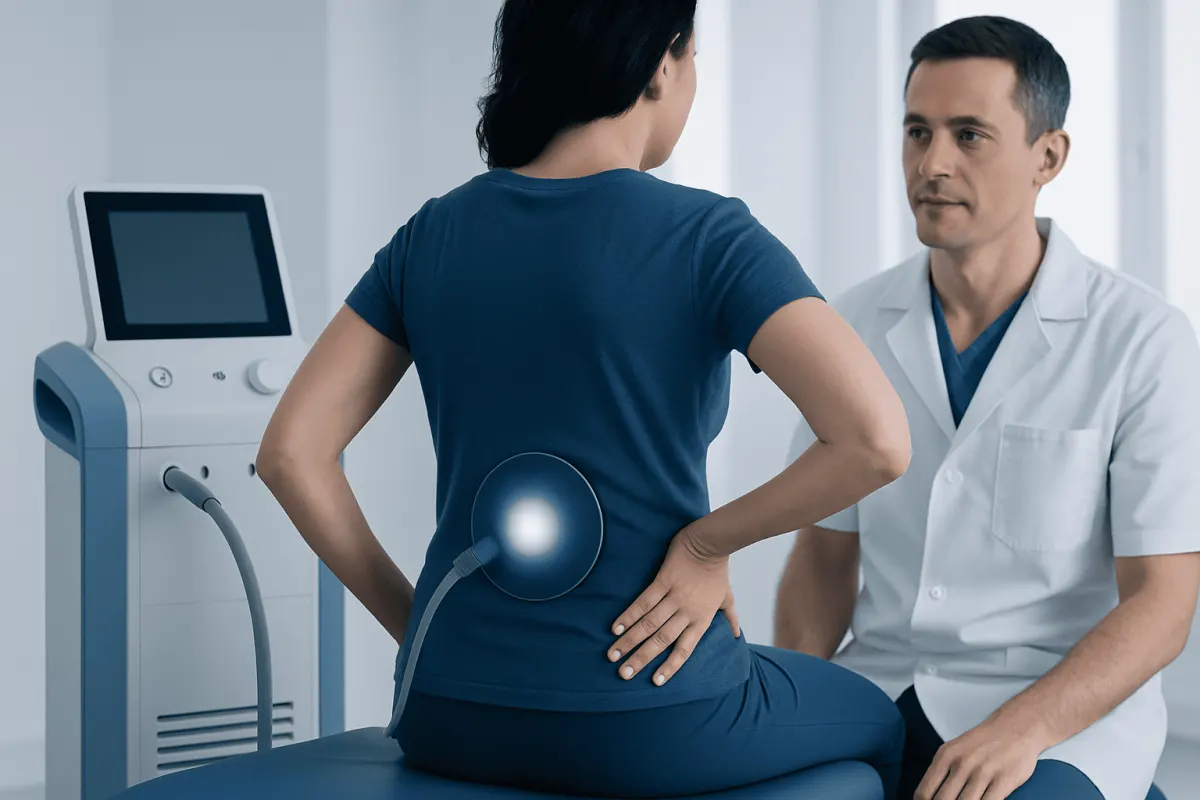
Sciatica and heat therapy are often used together because gentle warmth may relax tight muscles, reduce stiffness and make movement more comfortable. Heat is a supportive self-care measure rather than a cure, and persistent, severe or progressive symptoms need medical assessment.
Overview: can heat help sciatica?
Sciatica and heat therapy can be a useful combination when pain is accompanied by lower-back, buttock or leg muscle tightness. Heat may help muscles relax, improve comfort and make gentle movement easier; however, it does not remove pressure or irritation affecting the sciatic nerve. Its benefit is usually temporary and works best as part of a broader recovery plan.
Sciatica describes pain that travels along the sciatic nerve pathway, commonly from the lower back through the buttock and into one leg. It can result from a disc problem, age-related narrowing around spinal nerves, joint changes or, less commonly, another medical condition. The location and cause of symptoms matter, so ongoing or recurrent pain should be assessed rather than treated only with home remedies.
Many episodes improve with time, appropriate activity modification and conservative care. A clinician may recommend an examination, physiotherapy, pain-relieving strategies or further tests when symptoms are severe, prolonged or associated with neurological changes. For a fuller understanding of the condition, see sciatica.
How heat therapy works for sciatic pain
Heat therapy raises the temperature of superficial tissues and can encourage local blood flow. This may reduce the feeling of stiffness and soothe protective muscle spasm around the lower back, hip and buttock. When these muscles are less guarded, some people find it easier to walk, change position or complete prescribed exercises.
Heat does not directly “heal” an irritated nerve, shrink a disc bulge or correct spinal narrowing. It is therefore most accurately viewed as symptom support. Its response varies: some people feel clear short-term relief, while others notice little change or prefer cold during a recent painful flare.
Common options include a warm shower, heating pad, hot-water bottle, heat wrap or warm compress. A reusable heat source should be warm rather than intensely hot. Always place a towel or cover between the device and skin, especially when using an electric pad or hot-water bottle.
- Use gentle, comfortable warmth rather than high heat.
- Apply it to the lower back, buttock or tight surrounding muscles, not to a specific “sciatic nerve” point.
- Combine heat with comfortable position changes and light movement when possible.
Candidacy: who may benefit and who should be careful?
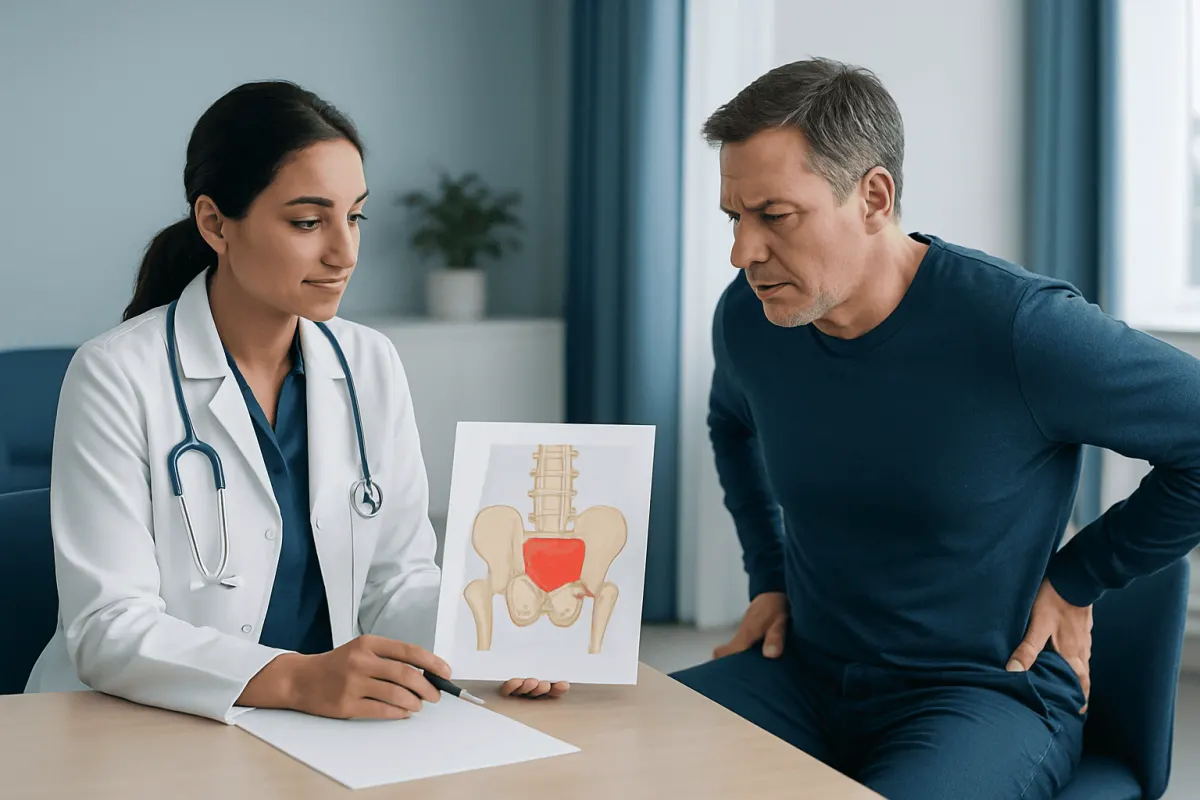
Heat can be reasonable for adults with familiar, mild-to-moderate sciatica symptoms who mainly experience aching, stiffness or muscle spasm and have no warning signs. It can be especially useful before a gentle walk, mobility routine or physiotherapy session, provided movement does not substantially worsen leg pain, numbness or weakness.
People should use extra caution if they have reduced skin sensation, diabetic neuropathy, circulation problems, fragile skin, an inability to judge temperature reliably or difficulty removing the heat source independently. In these situations, a clinician can advise whether heat is suitable and how to use it safely. Heat should not be placed over broken, infected or inflamed skin.
For a very recent injury or a new flare with marked swelling or inflammation, some people find a cool pack more comfortable initially. There is no universal rule: the safer choice is the one that eases symptoms without irritating the skin or worsening pain. Alternating brief heat and cold may help some individuals, but it should be stopped if either makes symptoms worse.
Step-by-step: using heat safely and effectively
Before applying heat, check the skin for redness, rash, wounds or reduced sensation. Choose a safe source of warmth and set it to a low or moderate level. Wrap a hot-water bottle or gel pack in a towel; with an electric heating pad, use the lowest comfortable setting and follow the manufacturer’s instructions.
Settle into a supported position, such as lying on the back with pillows under the knees or on the side with a pillow between the knees. Place the warm pack over the tense lower-back or buttock area. Relaxed breathing and avoiding prolonged awkward positions can make the session more comfortable.
After heat, remove the device and inspect the skin. If symptoms have eased, try a short, easy walk or clinician-approved mobility exercise rather than returning immediately to prolonged sitting. Stop using heat if it causes increased pain, dizziness, skin discomfort, excessive redness or a burn.
A physiotherapist can tailor movement, strengthening and posture strategies to the suspected cause of sciatica. When needed, physical therapy and rehabilitation can help restore safe function and reduce the impact of recurrent symptoms.
How long should you put heat on the sciatic nerve?
Most people should use heat for about 15 to 20 minutes at a time, then allow the skin to return to its normal temperature before another session. It is generally safer to use shorter, repeated sessions than prolonged heat exposure. The heat is normally placed over sore lower-back, buttock or nearby muscle tissue, rather than directly on a “sciatic nerve.”
Heat should never be used while sleeping, and an electric heating pad should not be left on unattended. Longer exposure does not necessarily provide more relief and increases the risk of skin burns, particularly when sensation is reduced. If a person repeatedly needs heat throughout the day to cope, they should discuss their symptoms with a healthcare professional.
The best timing is often before gentle activity or stretching prescribed by a clinician. If heat aggravates tingling, burning, radiating pain or swelling, it should be discontinued and replaced with another comfort measure after medical advice.
Is heat treatment good for sciatica? Benefits, limits and risks
Heat treatment can be good for sciatica when it reduces muscle tension and helps a person stay comfortably mobile. Its main benefits are convenience, low cost and the possibility of short-term relief without invasive treatment. It may also support sleep comfort when used earlier in the evening and removed before sleep.
Its limits are equally important. Heat does not identify or correct the cause of sciatica, and it should not delay assessment for pain that persists, returns often or affects daily activities. Some cases need targeted rehabilitation, medicines prescribed by a doctor, injections or, less commonly, surgery depending on the diagnosis.
The principal risk is a heat injury. Avoid direct skin contact, high settings, tight straps and prolonged use. People with poor sensation are at particular risk because they may not feel excessive heat. A medical professional should evaluate any blistering, persistent redness or skin injury.
For severe symptoms caused by a structural spine problem, treatment decisions may involve orthopedic, neurological and rehabilitation specialists. Acıbadem Health Point’s multidisciplinary specialists and JCI-accredited hospitals assess and treat spinal and nerve-related conditions for international patients.
How do Chinese treat sciatica?
In traditional Chinese medicine, sciatica may be approached with therapies such as acupuncture, massage techniques, movement practices and herbal preparations. Acupuncture is also used in conventional healthcare settings in some countries as a complementary option for chronic pain. The quality of research on acupuncture for sciatica is mixed, and results may differ between individuals.
Anyone considering acupuncture should choose a qualified, appropriately licensed practitioner who uses sterile single-use needles and should inform their doctor about all treatments. It is particularly important to seek medical guidance before using herbal remedies, as products can vary in quality and may interact with prescribed medicines or affect certain health conditions.
Complementary therapies should not replace assessment for progressive weakness, severe pain or red-flag symptoms. The most suitable plan is based on the likely cause of nerve irritation, the person’s overall health and how symptoms change over time.
What's the worst thing you can do for sciatica? When to seek medical care
One of the least helpful approaches is complete bed rest for long periods. Staying still may increase stiffness, weaken supporting muscles and make returning to normal activity harder. Instead, most people benefit from pacing daily tasks, avoiding movements that clearly trigger sharp radiating pain and maintaining gentle activity within tolerable limits.
Other unhelpful actions include ignoring worsening weakness, repeatedly lifting heavy objects with poor technique, pushing through severe pain during exercise, or using very hot packs on numb skin. Smoking can also impair spinal tissue health and recovery. A clinician or physiotherapist can provide individualized guidance on work, sitting, lifting and exercise.
Urgent medical assessment is needed for new trouble controlling the bladder or bowels, numbness around the genitals, buttocks or inner thighs, rapidly worsening leg weakness, fever with back pain, or pain following major trauma. These symptoms are uncommon but can indicate conditions that need prompt treatment.
A doctor should also be consulted for pain that is severe, lasts beyond several weeks, repeatedly returns, disrupts sleep or daily function, or occurs with Weight Loss: Possible Causes and Medical Evaluation" class="ahp-ilk">unexplained weight loss or a history of cancer. Evaluation may include a neurological examination and, when indicated, imaging or specialist referral.
Frequently asked questions
01Can heat make sciatica worse?
Heat can worsen symptoms for some people, especially during a new flare that feels inflamed or swollen. It may also cause burns if it is too hot, used for too long or applied to numb skin. Heat should be stopped if pain, tingling, skin redness or discomfort increases.
02Should heat or ice be used first for sciatica?
There is no single best choice for everyone. Cold may feel more helpful during a recent, sharp flare, while heat often helps stiffness and muscle tightness. A person can use the option that provides safe relief and discuss persistent symptoms with a clinician.
03Can a heating pad cure sciatica?
No. A heating pad may temporarily ease muscle spasm and stiffness, but it does not cure the underlying cause of sciatic nerve irritation. Persistent or recurrent sciatica should be evaluated so treatment can address the individual cause.
04Is walking good for sciatica?
Gentle walking is often helpful because it avoids prolonged bed rest and can reduce stiffness. The pace and duration should be comfortable, and a person should stop or seek advice if walking causes rapidly increasing leg pain, numbness or weakness. A physiotherapist can recommend an appropriate activity plan.
05Where should heat be placed for sciatica?
Heat is usually placed on tight muscles in the lower back, buttock or hip area, depending on where discomfort is greatest. It is not necessary or possible to target the sciatic nerve itself through the skin. A towel should always separate the heat source from the body.
06When is sciatica an emergency?
Sciatica needs urgent assessment if it is associated with new bladder or bowel control problems, numbness in the saddle area, rapidly progressing weakness, fever, or major trauma. These features may signal a serious cause that should not be managed at home. Severe or steadily worsening symptoms also warrant prompt medical review.
This article is for general information only and is not a substitute for professional medical advice. Please consult a qualified doctor about your individual situation.
Joint and spine care in Turkey — expert assessment & treatment
JCI-accredited · board-certified surgeons · reply within 24h
Add us as a Preferred Source to see more of our trusted health content across Google Search, AI Overviews and Discover.