Headache Lasting Days: Causes and Warning Signs
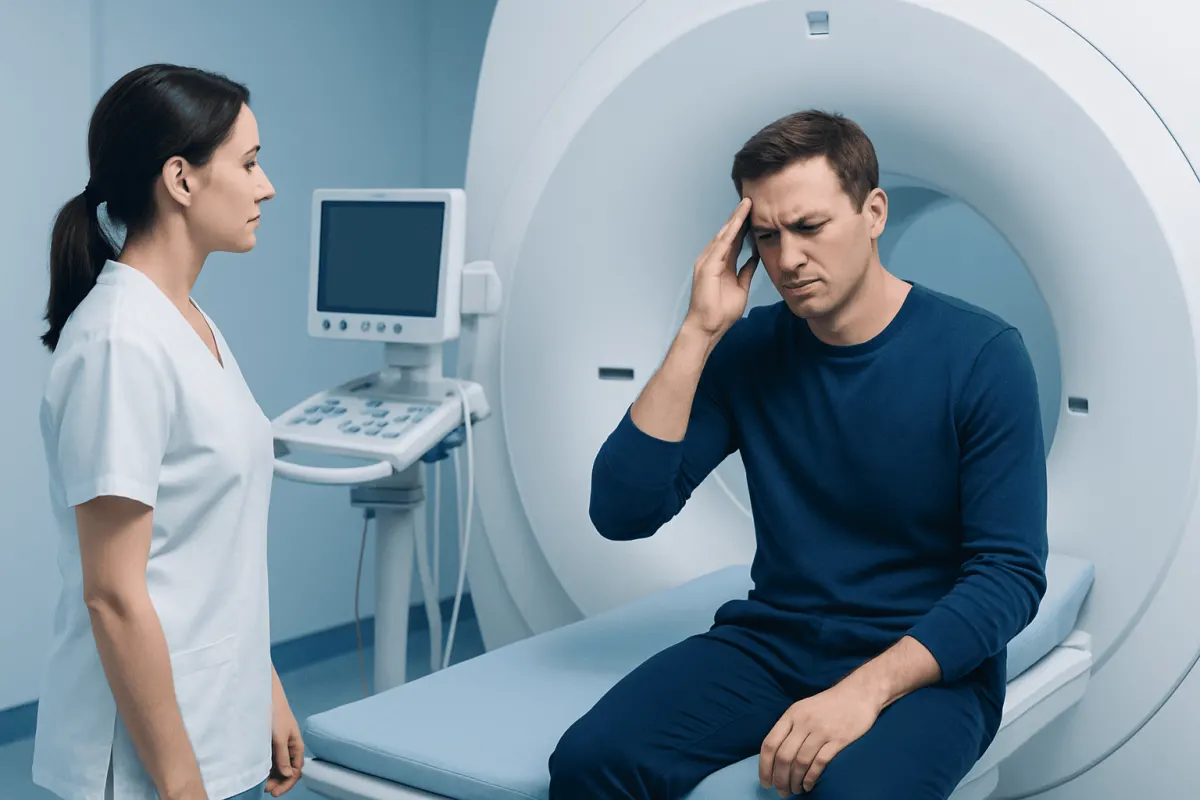
A headache lasting days can happen with common conditions such as migraine, tension-type headache, viral illness, dehydration, or frequent pain-reliever use. Most are not dangerous, but a new, unusually severe, or worsening headache should be assessed promptly, especially when it occurs with neurological symptoms or fever.
Overview: What Does a Headache Lasting Days Mean?
A headache lasting days is a headache that continues, returns repeatedly, or never fully settles over several days. It is often related to a primary headache disorder, meaning the headache itself is the main condition. Migraine and tension-type headache are common examples. A prolonged headache may also occur during an infection, after poor sleep, with dehydration, or when pain-relieving medicines are used too often.
Duration alone does not determine whether a headache is serious. A mild, familiar headache that gradually improves is different from a sudden severe headache, a new headache after age 50, or one accompanied by weakness, confusion, fever, or changes in vision. The most helpful information is the overall pattern: how the pain began, where it is felt, what it feels like, what other symptoms occur, and whether it is changing.
Headaches can be distressing and disruptive, particularly when they affect sleep, work, or daily activities. A healthcare professional can assess persistent symptoms, rule out less common underlying causes, and help develop a safe plan for relief and prevention.
Common Patterns Behind a Persistent Headache
Migraine can last from several hours to several days. The pain is often moderate to severe, may be throbbing, and commonly affects one side of the head, although both sides may hurt. Nausea, vomiting, sensitivity to light or sound, and worsening with normal movement are common. Some people experience visual, sensory, or speech symptoms known as aura before or during a migraine. A migraine attack lasting longer than 72 hours needs medical assessment.
Tension-type headache often causes a steady pressure or tightening sensation, sometimes described as a band around the head. It may involve the scalp, neck, or shoulders and can be associated with stress, prolonged screen use, poor posture, jaw clenching, fatigue, or inadequate sleep. Unlike migraine, it usually does not cause prominent nausea or marked sensitivity to light and sound.
Medication-overuse headache may develop when medicines used for acute headache relief are taken frequently. The headache can become more regular or near-daily, and relief may be short-lived. This does not mean a person has done anything wrong; it is a recognized pattern that should be managed with a clinician, as abruptly changing some medicines may not be appropriate for everyone.
Other possibilities include headaches linked to a cold or flu-like illness, sinus inflammation, caffeine withdrawal, skipped meals, alcohol, eye strain, changes in routine, and sleep problems. Persistent headaches sometimes occur alongside other conditions, including migraine, which may require a personalized treatment approach.
Causes, Triggers, and Risk Factors

A headache may continue for days because the underlying trigger remains present. Common contributors include emotional stress, muscle tension, dehydration, irregular meals, insufficient sleep, oversleeping, prolonged computer or phone use, and changes in caffeine intake. Bright light, strong odors, travel, hormonal changes, and certain foods or drinks can trigger migraines in susceptible people, though triggers vary widely from person to person.
Illness can also contribute. Viral infections, including those causing fever, nasal symptoms, or body aches, may produce headaches that continue while the illness is active. Sinus symptoms alone do not always mean a sinus infection is causing the headache; migraine can also cause facial pressure, nasal congestion, and watery eyes.
Some risk factors deserve closer attention. A new headache in pregnancy or shortly after delivery, after a head injury, in people with cancer or a weakened immune system, or in those taking medicines that affect blood clotting should be discussed with a doctor promptly. People with high blood pressure may have headaches for many reasons, but headache alone is not a reliable indicator of blood pressure level.
Rarely, an ongoing headache is related to a secondary cause, such as an inflammatory, vascular, neurological, eye-related, or spinal-fluid-pressure condition. These causes are much less common than migraine and tension-type headache, but clinicians look for warning signs that might suggest additional testing is needed.
How Doctors Assess a Headache That Persists
Diagnosis begins with a detailed history and physical examination. A clinician may ask when the headache started, whether it began suddenly or gradually, how long episodes last, the location and quality of pain, associated symptoms, medical history, recent infections, injuries, medicines, and family history of migraine. A neurological examination may check strength, sensation, balance, coordination, speech, reflexes, and eye movements.
A headache diary is especially useful. Recording the date, duration, pain intensity, possible triggers, menstrual timing where relevant, foods and drinks, sleep, activity, symptoms, and medicines taken can reveal patterns that are difficult to remember during an appointment. It can also help distinguish frequent migraine from medication-overuse headache or other recurring patterns.
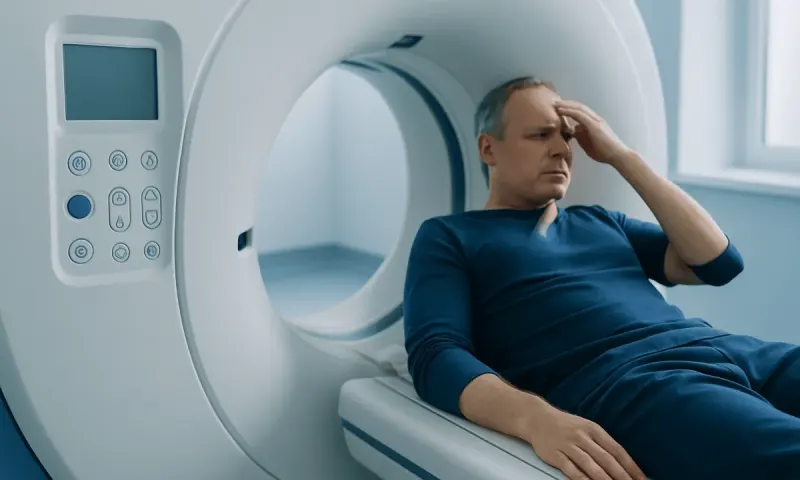
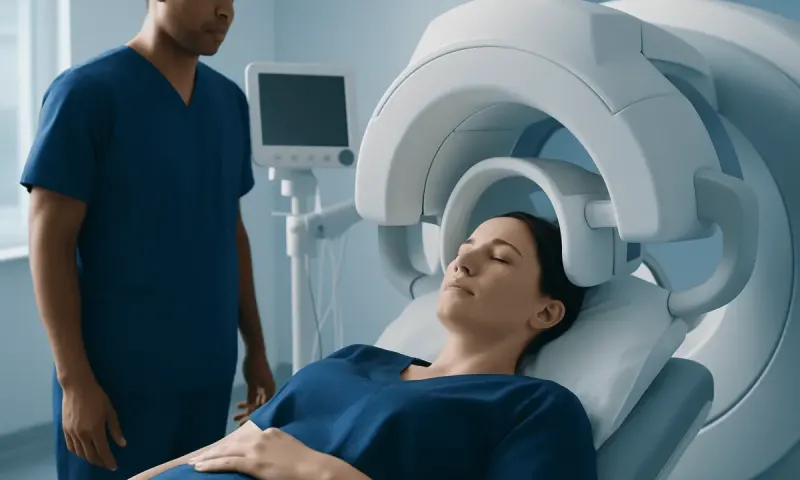
Brain imaging is not needed for every prolonged headache. It may be recommended when there are red flags, an abnormal neurological examination, a major change in a known headache pattern, or concern about another condition. Depending on symptoms, assessment may include blood tests, eye examination, or other investigations. Tests are selected to answer a specific clinical question rather than routinely performed.
Treatment Options and Supportive Care
Treatment depends on the cause and on how often headaches occur. For a migraine or tension-type headache, a clinician may recommend appropriate pain-relieving or anti-inflammatory medicines, anti-nausea treatment, migraine-specific medicines, or preventive therapy when attacks are frequent or disabling. The safest choice depends on medical history, other medicines, pregnancy status, and the suspected headache type.
People should avoid increasing the frequency or amount of over-the-counter pain medicine without medical advice. Frequent use can perpetuate headaches in some individuals and may carry risks for the stomach, kidneys, liver, heart, or bleeding, depending on the medicine. A doctor or pharmacist can advise on safe use and whether a medication-overuse pattern may be present.
Non-drug measures can support recovery. Resting in a quiet, dim room may help during migraine. Regular fluids, balanced meals, gentle neck and shoulder stretching, heat or cold packs when comfortable, and a consistent sleep schedule may be useful for some people. Relaxation techniques, physical activity between attacks, and physiotherapy may also help when muscle tension, posture, or neck discomfort are contributing factors.
If migraine is diagnosed, a specialist may discuss options such as migraine treatment tailored to attack frequency and individual health needs. The aim is to reduce pain and disability while minimizing side effects and avoiding a cycle of frequent rescue medication use.
Prevention and Self-Care Between Headaches
Preventive habits cannot eliminate every headache, but they may reduce frequency and improve resilience. Regular sleep and wake times, adequate hydration, consistent meals, gradual caffeine changes, and routine physical activity are practical foundations. People who notice that long periods without food trigger symptoms may benefit from planning regular nourishing meals and snacks.
A diary can help identify personal triggers without creating unnecessarily restrictive routines. Rather than avoiding many foods or activities preemptively, it is usually more useful to look for repeatable patterns over time. Stress-management strategies, such as paced breathing, mindfulness, counseling, or relaxation exercises, can be helpful when stress contributes to attacks.
Screen-related discomfort may improve with regular visual breaks, comfortable workstation positioning, appropriate lighting, and attention to neck posture. A vision check may be worthwhile when headaches are associated with eye strain or a change in vision, although most headaches are not caused by a need for glasses.
For people with recurrent headaches, preventive treatment may be considered alongside lifestyle measures. The choice should be reviewed with a qualified clinician, particularly if symptoms are becoming more frequent, medicines are needed often, or headaches affect daily function.
When to Seek Medical Care
Emergency care is needed for a sudden, explosive headache that reaches maximum intensity quickly, especially if it is unlike previous headaches. Immediate assessment is also important for headache with fainting, confusion, seizure, new weakness or numbness, facial drooping, trouble speaking, severe dizziness, loss of vision, or difficulty walking. These symptoms can signal a neurological emergency.
Urgent medical advice is appropriate for headache with fever and stiff neck, a rash, persistent vomiting, a severe headache after a head injury, or a new headache during pregnancy or soon after childbirth. People with cancer, immune suppression, or use of blood-thinning medicines should seek timely advice for a new or changing headache.
A non-emergency appointment should be arranged when a headache lasting days is new, worsening, repeatedly returning, disrupting daily life, or no longer responding to usual measures. Evaluation is also sensible when pain medicines are needed frequently or a familiar migraine pattern changes. Acıbadem Health Point’s multidisciplinary specialists and JCI-accredited hospitals can assess and treat headache conditions for international patients.
Frequently asked questions
01Can a headache last for several days?
Yes. Migraine attacks can last for hours to several days, and tension-type headaches or headaches related to illness, stress, sleep disruption, or medication overuse can also persist. A headache that lasts more than a few days, changes in character, or interferes with daily life should be discussed with a healthcare professional.
02What does a headache lasting days usually mean?
It often reflects migraine, tension-type headache, an ongoing trigger such as dehydration or poor sleep, or frequent use of headache medicines. Less commonly, it can be related to another medical condition. The pattern of symptoms and any warning signs are more important than duration alone.
03Is it safe to take pain medicine every day for a headache?
Taking headache medicine frequently can sometimes lead to medication-overuse headache and may cause other side effects depending on the medicine. It is best to speak with a doctor or pharmacist before using pain medicines regularly. They can help identify the cause and recommend a safer treatment plan.
04When is a prolonged headache an emergency?
Emergency assessment is needed for a sudden, very severe headache or a headache with weakness, numbness, confusion, speech difficulty, seizure, fainting, vision loss, stiff neck, fever, or persistent vomiting. A severe headache after a head injury also needs urgent evaluation. If there is uncertainty, it is safer to seek medical care promptly.
05Can dehydration cause a headache for days?
Dehydration can contribute to headache, especially when fluid loss continues or occurs with heat, exercise, vomiting, diarrhea, or illness. Rehydration, regular meals, and rest may help, but persistent or worsening symptoms should not be assumed to be dehydration alone. Medical advice is appropriate if there are concerning symptoms or difficulty keeping fluids down.
06How can someone track a headache lasting days?
A headache diary can record start and end times, pain severity, location, associated symptoms, sleep, meals, fluids, stress, menstrual timing where relevant, and medicines used. This information helps clinicians recognize migraine patterns, potential triggers, and medication-overuse headache. Bringing the diary to an appointment can make assessment more efficient.
This article is for general information only and is not a substitute for professional medical advice. Please consult a qualified doctor about your individual situation.
Persistent digestive symptoms? Get evaluated in Turkey
JCI-accredited · board-certified surgeons · reply within 24h
Add us as a Preferred Source to see more of our trusted health content across Google Search, AI Overviews and Discover.