Penis Pain: Causes, Symptoms, and Urgent Warning Signs
Penies pain, commonly spelled penis pain, can occur in the skin, shaft, tip, urethra, or during an erection. It may be caused by minor irritation, but infection, injury, urinary conditions, or a prolonged painful erection can also require prompt medical assessment.
Overview: What Can Cause Penies Pain?
Penies pain, a common search term for penis pain, is discomfort affecting the penis or the area around it. It can feel like burning, aching, tenderness, itching, pressure, sharp pain, or pain with urination, erections, ejaculation, or sexual activity. The location and timing of the pain can provide useful clues, but only an assessment by a qualified clinician can determine the cause.
Some causes are temporary, such as friction from sexual activity, masturbation, tight clothing, or skin irritation from soaps and personal-care products. Other causes involve infection, inflammation, urinary tract conditions, injury, scar tissue, or blood-flow problems. Pain may also be felt in the penis when the underlying problem is in the bladder, prostate, pelvic floor, groin, or lower urinary tract.
New, persistent, severe, or recurrent pain should not be ignored. Prompt evaluation is especially important when pain occurs with swelling, bruising, discharge, fever, difficulty passing urine, a new bend during erection, or a painful erection that does not go away.
How Penis Pain May Feel and What Symptoms Can Accompany It
The symptoms that accompany penile pain are often as important as the pain itself. For example, burning or stinging at the tip of the penis during urination may occur with urethral irritation, a urinary tract infection, or a sexually transmitted infection. Redness, itchiness, rash, or soreness of the foreskin or glans can occur with dermatitis, fungal infection, or inflammation of the head of the penis, sometimes called balanitis.
Pain during an erection or intercourse may be linked to skin irritation, trauma, inflammation, or scar tissue within the penis. A new curve, narrowing, indentation, or firm lump in the shaft, particularly if erections are painful, should be assessed because it can be associated with Peyronie’s disease. Pain with ejaculation may sometimes be related to inflammation or infection affecting the prostate, urethra, or surrounding pelvic tissues.
Other symptoms that may occur include urinary frequency, urgency, cloudy urine, blood in the urine, penile discharge, sores or blisters, enlarged groin lymph nodes, testicular discomfort, or pelvic pain. These symptoms do not confirm a specific diagnosis, but they help guide testing and treatment.
- Skin symptoms: rash, sores, blisters, ulcers, itching, or peeling
- Urinary symptoms: burning, weak stream, urgency, blood, or inability to urinate
- Sexual symptoms: pain with erection, ejaculation, intercourse, or a new penile curve
- Systemic symptoms: fever, chills, fatigue, or feeling generally unwell
Common Causes and Risk Factors

Friction and irritation are common reasons for mild penis pain. Vigorous sexual activity or masturbation, insufficient lubrication, new condoms, lubricants, laundry products, or fragranced soaps can irritate sensitive skin. Small cuts, chafing, or inflammation may be painful but often improve after avoiding the trigger and allowing the area to heal.
Infections are another important cause. Balanitis may affect the head of the penis and can be related to yeast, bacteria, skin conditions, poor hygiene, or irritation. Urinary tract infections and urethritis can cause burning, discharge, and discomfort. Sexually transmitted infections, including chlamydia, gonorrhea, genital herpes, and syphilis, may cause pain, discharge, sores, or sometimes few symptoms. Testing is important because symptoms can overlap and treatment depends on the cause.
Trauma can occur during sports, sexual activity, or accidental impact. A penile fracture is uncommon but urgent; it may involve a popping sensation during an erection followed by immediate pain, swelling, bruising, and loss of the erection. Pain may also result from a constricting object such as a ring or band left in place too long, which can interfere with blood flow.
Other possibilities include kidney or bladder stones, inflammation of the prostate, pelvic floor muscle tension, nerve-related pain, and Peyronie’s disease. Diabetes, reduced immune function, poor circulation, uncircumcised status with difficulty retracting the foreskin, recent catheter use, and unprotected sexual contact may increase the likelihood of certain causes.
How Doctors Diagnose the Cause
A clinician will usually begin by asking when the pain started, where it is located, what makes it better or worse, and whether it is linked with urination, erections, ejaculation, injury, or sexual contact. Questions about medications, recent procedures, skin products, medical conditions, and sexual history are routine parts of care and are intended to guide appropriate testing without judgment.
The physical examination may include the penis, foreskin, scrotum, groin, and lower abdomen. The clinician may look for swelling, skin changes, discharge, tenderness, sores, lumps, or changes in penile shape. Depending on the symptoms, a prostate or pelvic examination may also be considered.
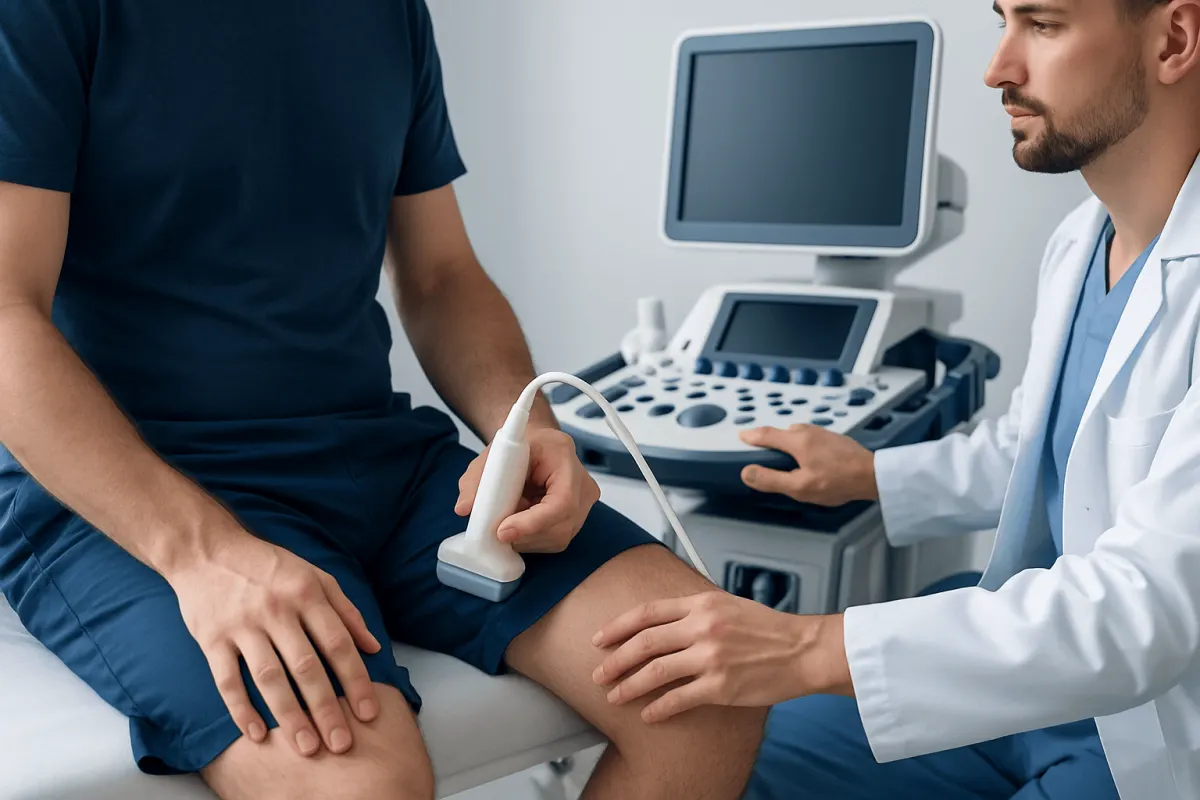
Tests may include a urine dipstick or urine culture, swabs or urine-based tests for sexually transmitted infections, and blood tests when clinically appropriate. Ultrasound can be useful after injury, for suspected blood-flow concerns, or when a lump or structural change needs further evaluation. Imaging of the urinary tract may be considered if stone disease or another internal cause is suspected.
People should avoid taking antibiotics left over from a previous illness before testing. The wrong medication may not treat the cause, can affect test results, and contributes to antibiotic resistance. A clinician can recommend treatment based on the likely diagnosis and individual health needs.
Treatment Options and Safe Self-Care
Treatment for penis pain depends on the underlying cause. For uncomplicated irritation or friction, temporary rest from sexual activity, gentle washing with lukewarm water, avoiding fragranced products, wearing loose breathable underwear, and using adequate lubrication in the future may be helpful. It is best not to use strong antiseptics, creams, or herbal products on genital skin unless advised by a healthcare professional.
Infections may require targeted treatment. Bacterial infections, including certain sexually transmitted infections, may need antibiotics; fungal infections may need antifungal treatment; and viral infections such as herpes may be managed with antiviral medication. Partners may also need testing or treatment in some situations. Sexual activity may need to be avoided until a clinician confirms it is safe to resume and any recommended treatment is completed.
For pain related to urinary conditions, prostate inflammation, stones, or pelvic floor symptoms, management may include pain relief, hydration guidance, medications directed at the specific cause, pelvic floor physiotherapy, or referral to a urologist. Peyronie’s disease is treated according to symptoms, penile curvature, erectile function, and whether the condition is changing over time. Surgery or procedures are generally considered only in selected cases.
Urgent structural injuries, prolonged painful erections, and severe infections require timely medical treatment rather than home care. Acıbadem Health Point’s multidisciplinary specialists and JCI-accredited hospitals can assess urological symptoms and coordinate care for international patients when needed.
When to Seek Medical Care
Medical assessment is recommended for penis pain that is new and unexplained, lasts more than a day or two, returns repeatedly, or interferes with urination, sleep, sexual activity, or daily life. A clinician should also assess pain accompanied by discharge, sores, blisters, rash, swelling, fever, blood in the urine or semen, testicular pain, or a new lump or curve in the penis.
Urgent medical care is needed for a painful erection lasting longer than four hours. This may be priapism, a condition in which blood can become trapped in the penis and prompt treatment helps protect erectile function. Emergency assessment is also important after an erection-related injury with a popping sound, rapid bruising, marked swelling, or loss of erection.
People should seek urgent care if they cannot pass urine, have severe pain with fever or chills, notice blue, purple, cold, or numb penile tissue, or have a ring, device, or other object that cannot be removed from the penis. These symptoms can indicate an obstruction, serious infection, or compromised blood flow.
Reducing the Risk of Future Discomfort
Not every cause of penis pain can be prevented, but several practical measures can reduce irritation and infection risk. Gentle daily hygiene is usually sufficient; harsh soaps, deodorants, powders, and heavily scented products can disturb sensitive genital skin. For uncircumcised individuals, the foreskin should be retracted only as far as it moves comfortably for washing and then returned to its normal position.
Using condoms consistently and correctly can lower the risk of many sexually transmitted infections. Condom-compatible lubricant can reduce friction and the chance of skin injury. Regular sexual health testing may be appropriate for people with new or multiple partners, after unprotected sex, or when a partner has symptoms or a diagnosed infection.
Managing conditions such as diabetes and seeking early care for urinary symptoms can also help prevent complications. During sexual activity, stopping when there is sudden pain or an awkward bend can help avoid injury. Anyone who develops recurring genital discomfort should discuss it with a primary care clinician or urologist rather than repeatedly relying on over-the-counter remedies.
Frequently asked questions
01Is penies pain usually serious?
Penies pain is often due to minor irritation or friction, but it can also be caused by infection, injury, urinary problems, or inflammation. The level of concern depends on the symptoms, severity, and duration. Persistent pain or pain with discharge, sores, fever, swelling, or urinary difficulty should be assessed by a clinician.
02Can a urinary tract infection cause pain in the penis?
Yes. Irritation or infection of the urethra or urinary tract can cause burning or pain at the tip of the penis, especially during urination. Urinary frequency, urgency, cloudy urine, fever, or blood in the urine can occur as well. A urine test can help identify whether an infection is present.
03Can sexually transmitted infections cause penis pain?
Yes. Some sexually transmitted infections can cause burning with urination, discharge, sores, blisters, itching, or penile pain, although some infections have few or no symptoms. Testing is the only reliable way to identify many sexually transmitted infections. Anyone concerned about exposure should avoid sex until they have received appropriate advice and testing.
04Why does my penis hurt during an erection?
Pain during an erection may result from friction, injury, skin inflammation, infection, or scar tissue such as Peyronie's disease. A new curve, hard area, indentation, or repeated pain with erections should be evaluated by a urologist. A painful erection lasting more than four hours is an emergency.
05What should I avoid if I have penis pain?
It is sensible to avoid sexual activity or masturbation if it worsens pain until the cause is clearer. Avoid fragranced soaps, harsh antiseptics, and unprescribed creams on the genital area. Leftover antibiotics should not be used because they may be ineffective or delay an accurate diagnosis.
06When should I go to the emergency department for penis pain?
Emergency care is needed for a painful erection lasting longer than four hours, severe pain after an injury, rapid swelling or bruising, inability to urinate, or signs of reduced blood flow such as blue, purple, cold, or numb tissue. Fever with severe pain or swelling also needs urgent assessment. These symptoms should not be managed at home.
This article is for general information only and is not a substitute for professional medical advice. Please consult a qualified doctor about your individual situation.
Explore treatments in Turkey — costs, top hospitals & a free quote
JCI-accredited · board-certified surgeons · reply within 24h
Add us as a Preferred Source to see more of our trusted health content across Google Search, AI Overviews and Discover.