What Is the Average Age for Knee Replacement?
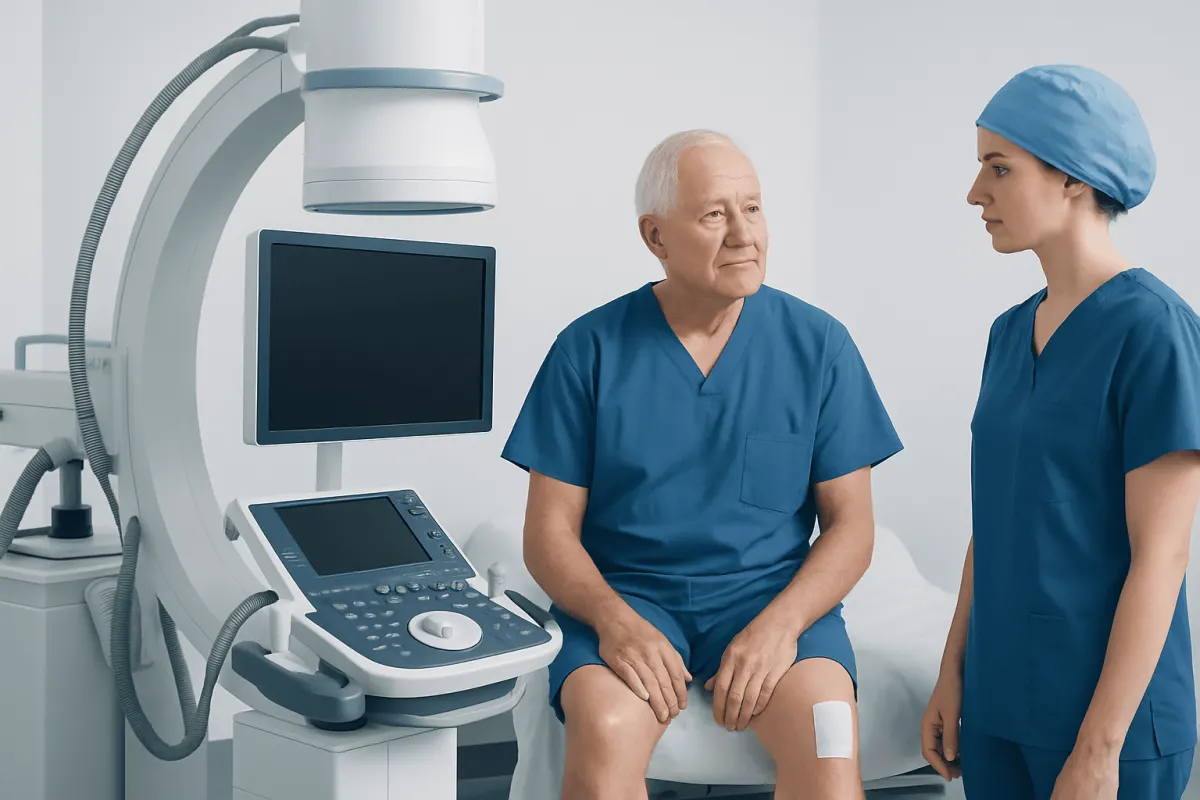
The average age of knee replacement is commonly in the 60s to early 70s, although the right timing depends on symptoms, knee damage, daily function and general health rather than a person’s age alone. Knee replacement can reduce pain and improve mobility when non-surgical care no longer provides enough relief.
Average Age of Knee Replacement: The Short Answer
The average age of knee replacement is generally in the 60s to early 70s. Many procedures are carried out in people between 60 and 80 years old, but there is no single “correct” age: a person’s pain level, ability to walk and perform daily activities, knee joint damage, medical conditions and response to non-surgical treatment are more important.
Knee replacement, also called knee arthroplasty, replaces damaged joint surfaces with artificial components. It is most often considered for advanced <a href="https://acibademhealthpoint.com/diseases/knee-osteoarthritis/”>knee osteoarthritis, particularly when persistent pain and stiffness limit sleep, work, walking or independence despite appropriate conservative care.
Younger adults may need surgery after major joint injury, inflammatory arthritis or severe deformity. Older adults can also benefit when they are medically fit for surgery and rehabilitation. An orthopedic assessment helps clarify whether the likely benefits outweigh the risks for the individual.
At What Age Are Most Knee Replacements Done?
Most knee replacements are done in later adulthood, commonly from the mid-60s through the 70s. This pattern reflects the fact that osteoarthritis becomes more common with age and may gradually progress after years of wear, previous injury or other joint conditions.
Age alone does not determine whether surgery should be delayed or pursued. In a younger person, surgeons may consider the expected lifespan of the implant and the possibility of future revision surgery. However, delaying an appropriate operation solely because of age can mean living longer with avoidable pain, reduced activity and loss of muscle strength.
For an older person, the decision includes an assessment of heart and lung health, medication use, bone health, fall risk, support at home and ability to take part in rehabilitation. Many people in their 70s and beyond successfully undergo knee replacement after careful preparation.
- Common reasons for considering surgery: daily pain, night pain, walking limitation, stiffness, knee deformity or reduced independence.
- Important individual factors: overall health, weight, activity goals, smoking status, diabetes control and willingness to follow rehabilitation guidance.
Who May Need Knee Replacement?
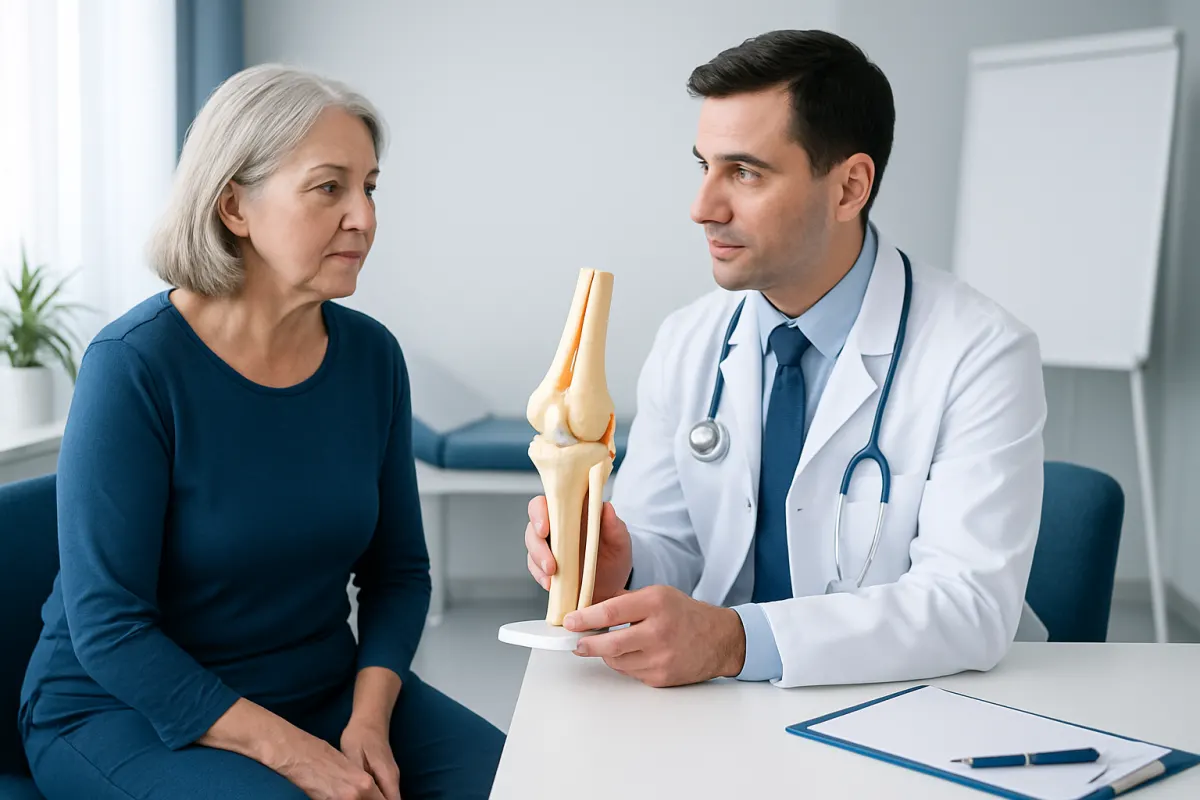
The most common reason for knee replacement is osteoarthritis, in which cartilage gradually wears down and the joint becomes painful, stiff and sometimes swollen. People with osteoarthritis may first benefit from exercise therapy, weight management where appropriate, walking aids, medicines and injections, depending on their clinical situation.
Other reasons include rheumatoid arthritis and other inflammatory joint disorders, damage after a fracture or ligament injury, loss of blood supply to bone, or longstanding knee deformity. The goal is not to treat an X-ray image alone; it is to improve troublesome symptoms and function when they are clearly linked to knee joint disease.
An orthopedic specialist will ask how symptoms affect everyday life. Difficulty climbing stairs, standing from a chair, walking short distances, caring for oneself or sleeping because of pain can be as relevant as imaging findings. Some people need a total knee replacement, while others with damage limited to one part of the knee may be candidates for a partial replacement.
Assessment, Procedure and Expected Results
Before surgery, the clinical team reviews medical history, medications, allergies, previous operations and current symptoms. Assessment usually includes a physical examination and knee X-rays. Blood tests, heart assessment or other investigations may be recommended to make anesthesia and surgery as safe as possible.
During total knee replacement, the surgeon removes damaged bone and cartilage from the ends of the thighbone and shinbone and, when needed, the underside of the kneecap. Metal and durable plastic components are then positioned to create a smooth joint surface. The operation is performed with anesthesia, and the technique is tailored to the person’s anatomy and joint condition.
Most people experience meaningful improvement in pain and everyday function after recovery. The new knee may not feel exactly like a natural knee, and kneeling, deep bending or high-impact activities can remain difficult for some people. Long-term results are supported by protecting the joint, maintaining strength and attending recommended follow-up appointments.
For people considering Replacement Surgery: Candidates, Implant Types, and Recovery" class="ahp-ilk">knee replacement surgery, it is helpful to discuss expected mobility goals, possible risks, implant choices and the rehabilitation plan before making a decision.
What Is the Hardest Part of Knee Replacement Recovery?
For many people, the hardest part of knee replacement recovery is the early period of balancing pain and swelling with the need to move the knee regularly. Exercises can be uncomfortable, but gradual movement is important for restoring knee bend and straightening, rebuilding leg strength and reducing stiffness.
The first days and weeks can also feel demanding because activities such as getting out of bed, bathing, dressing and walking may require assistance or a walker. Fatigue is common after a major operation, and recovery may feel uneven: a person can have a good day followed by more swelling or soreness after doing too much.
Consistent rehabilitation is usually more important than pushing through severe pain. The care team may recommend structured physical therapy and rehabilitation to help patients progress safely. Following guidance on exercises, wound care, walking aids, rest and pain management can make this phase more manageable.
How Painful Is a Knee Replacement on a Scale of 1 to 10?
A single pain score cannot accurately describe everyone’s experience. Knee replacement is a major operation, and pain is often moderate to severe in the first few days, especially when standing, walking or doing rehabilitation exercises. On a 1-to-10 scale, some people may report higher scores early on, while others report less; the key issue is whether pain is controlled well enough to rest, breathe deeply and participate in recovery.
Modern care uses a multimodal approach, meaning several pain-relief methods may be combined rather than relying on one medicine alone. Depending on the person and the surgical plan, this can include anesthesia techniques, local anesthetic around the knee, non-opioid medicines and, when appropriate, short-term stronger pain relief.
Pain should generally improve week by week, although stiffness, swelling and activity-related soreness can last longer. Patients should tell their care team if pain suddenly worsens, is not manageable with the agreed plan, or occurs with concerning symptoms such as fever, increasing wound redness, chest pain or shortness of breath.
How Long Does It Take a 70 Year Old to Recover From Knee Surgery?
A healthy 70-year-old may often return to many basic daily activities within 6 to 12 weeks after knee replacement, but full recovery is not the same for everyone. Strength, endurance, balance and confidence can continue to improve for 6 to 12 months or longer.
Many patients begin standing and walking with support shortly after surgery, guided by their clinical team. They may use a walker or crutches initially and then transition to a cane or independent walking as strength and stability improve. Returning to driving, work, travel and recreational activity depends on the operated side, pain medicines, mobility, job demands and the surgeon’s advice.
Recovery at age 70 can be influenced by pre-surgery fitness, the severity of arthritis, other conditions such as diabetes or heart disease, nutritional status, sleep, social support and participation in rehabilitation. Setting realistic milestones with the surgeon and physiotherapist is more useful than comparing recovery with another person’s timeline.
When to Seek Medical Care
Medical advice is appropriate when knee pain lasts for several weeks, limits usual activity, repeatedly disrupts sleep, causes significant stiffness or swelling, or does not improve with sensible self-care. A clinician can identify whether arthritis, injury, inflammation or another condition may be contributing and discuss suitable treatment options.
Urgent medical assessment is needed for a hot, very swollen knee with fever or feeling unwell; sudden inability to bear weight after an injury; a visibly deformed joint; or calf swelling and pain with new shortness of breath or chest pain. These symptoms do not always indicate a serious problem, but they should be evaluated promptly.
After knee replacement, patients should contact their surgical team for increasing wound drainage, spreading redness, fever, worsening pain, new calf pain or swelling, or a sudden change in the ability to move the knee. Acıbadem Health Point’s multidisciplinary specialists and JCI-accredited hospitals diagnose and treat knee conditions for international patients, with care plans guided by individual needs.
Frequently asked questions
01What is the average age of knee replacement?
The average age of knee replacement is typically in the 60s to early 70s. However, surgeons base the decision on symptoms, joint damage, general health and treatment goals rather than age alone.
02At what age are most knee replacements done?
Most knee replacements are performed in adults between about 60 and 80 years old. Many people are in their late 60s or 70s because advanced osteoarthritis becomes more common with age.
03What is the hardest part of knee replacement recovery?
The early weeks are often the hardest, as pain, swelling, tiredness and reduced mobility occur while the knee needs regular rehabilitation exercises. Improving knee movement and rebuilding thigh strength takes steady effort, but progress is usually gradual.
04How painful is a knee replacement on a scale of 1 to 10?
Pain varies widely, so no one score applies to all patients. It can be moderate to severe in the first days after surgery, particularly during movement and exercises, but a planned pain-management approach should help make rehabilitation possible.
05How long does it take a 70 year old to recover from knee surgery?
Many 70-year-olds can manage many everyday activities within 6 to 12 weeks after knee replacement. Recovery of strength, endurance and confidence often continues for several months, and sometimes up to a year.
06Can someone be too old for knee replacement?
There is no strict upper age limit for knee replacement. A person’s overall health, ability to tolerate anesthesia, medical conditions, functional needs and ability to participate in rehabilitation are more important than chronological age.
This article is for general information only and is not a substitute for professional medical advice. Please consult a qualified doctor about your individual situation.
Joint and spine care in Turkey — expert assessment & treatment
JCI-accredited · board-certified surgeons · reply within 24h
Add us as a Preferred Source to see more of our trusted health content across Google Search, AI Overviews and Discover.