Respiratory Acidosis: Early Signs, Risk Factors, and How It Is Treated

Do you wake up with a headache most mornings, then spend the day fighting off sleepiness you can’t explain? That combination can mean your lungs aren’t clearing carbon dioxide the way they should.
When that happens, carbon dioxide builds up and the blood becomes too acidic. Doctors call this respiratory acidosis. It can come on suddenly, or creep up on you over months and years. Treatment works on two fronts: helping you breathe better, and dealing with whatever caused the problem in the first place.
Overview: what respiratory acidosis means
Respiratory acidosis means the body is retaining too much carbon dioxide because breathing is not moving enough air in and out of the lungs. When carbon dioxide builds up, it combines with water in the body to form an acid, which lowers blood pH. In simple terms, the blood becomes more acidic because the lungs are not clearing carbon dioxide effectively.
This can happen as an acute problem, such as during a severe asthma attack, overdose, or serious lung infection, or as a chronic problem that develops gradually in long-standing lung disease. In chronic cases, the kidneys may partly compensate by holding on to bicarbonate, which can make symptoms less dramatic at first. Even so, chronic respiratory acidosis still needs medical attention because the underlying breathing problem may worsen over time.
Respiratory acidosis isn’t a disease in itself — it’s a signal that breathing or gas exchange has gone wrong somewhere. That’s why finding the cause matters so much. The trouble may start in the lungs, in the brain’s breathing control centers, in the chest wall, or in the muscles and nerves that do the work of breathing.
Early signs and symptoms to notice
The early signs of respiratory acidosis can be subtle, especially when the condition develops slowly. A person may feel more tired than usual, wake with headaches, have trouble concentrating, or become unusually sleepy during the day. Some people notice shortness of breath, reduced exercise tolerance, or a feeling that breathing is shallow or labored.
As carbon dioxide levels rise further, symptoms may become more noticeable. These can include confusion, restlessness, flushed skin, tremor, dizziness, and a sense of mental fog. Family members may be the first to notice changes in alertness, slowed thinking, or unusual drowsiness.
More severe respiratory acidosis can cause marked breathlessness, bluish lips or fingertips, reduced responsiveness, or even loss of consciousness. Because symptoms can overlap with other conditions, doctors often use blood testing to confirm whether high carbon dioxide is the reason for the person’s symptoms.
- Shortness of breath or rapid, ineffective breathing
- Headache, especially on waking
- Daytime sleepiness or unusual fatigue
- Confusion, poor concentration, or drowsiness
- Severe cases: cyanosis, low alertness, or fainting
Why it happens: causes and risk factors

Respiratory acidosis develops when ventilation is reduced or gas exchange is impaired. The most common causes are lung conditions that make it difficult to move air or exchange oxygen and carbon dioxide. These include chronic obstructive pulmonary disease, severe asthma, pneumonia, and advanced lung disorders that affect the tiny air sacs where gas exchange occurs. In some patients, this may be related to broader lung diseases that limit normal breathing function.
It can also happen when the drive to breathe is suppressed. Sedatives, opioid medicines, alcohol, and some anesthetic drugs can slow breathing enough to cause carbon dioxide retention. Brain injuries, stroke, or conditions affecting the brainstem may interfere with the body’s normal control of breathing.
Another important group of causes involves the mechanics of breathing. Obesity hypoventilation syndrome, severe sleep apnea, chest wall deformities, and diseases that weaken the diaphragm or respiratory muscles can all reduce ventilation. Neuromuscular disorders may make it difficult to take deep breaths or cough effectively, leading to retained secretions and infections.
Risk is higher in older adults, people with known chronic lung disease, smokers, those with untreated sleep-related breathing disorders, and anyone using sedating medications. A recent chest infection, surgery, or worsening of COPD can quickly tip a stable condition into acute respiratory acidosis.
How doctors diagnose respiratory acidosis
Diagnosis begins with the clinical picture. Doctors ask about breathing difficulty, sleep quality, medication use, smoking history, chronic lung disease, and recent infections. On examination, they assess breathing effort, oxygen level, heart rate, mental status, and signs such as wheezing, crackles, or reduced chest movement.
The key test is an arterial blood gas, which directly measures blood pH, carbon dioxide, oxygen, and bicarbonate levels. This test confirms respiratory acidosis and helps show whether it is acute or chronic. A venous blood gas may also be used in some settings, but arterial testing remains especially helpful when the oxygen level and acid-base status need precise assessment.
Additional tests help identify the cause. Pulse oximetry estimates oxygen saturation, while chest X-ray or CT imaging may reveal pneumonia, fluid, or other lung problems. Blood tests can look for infection or metabolic contributors, and spirometry or other pulmonary function tests may be useful once the person is stable. In some cases, a sleep evaluation is advised if sleep apnea or nighttime hypoventilation is suspected.
Since this is a physiologic problem rather than one single illness, your doctor is really answering two questions at the same time: is the carbon dioxide high with acidemia, and why has your breathing fallen off? That second answer is what shapes the safest, most effective treatment plan.
Treatment options and what recovery depends on
Treatment for respiratory acidosis focuses first on supporting breathing and then on correcting the cause. If the condition is mild and chronic, treatment may center on optimizing long-term management of lung disease, adjusting medicines that suppress breathing, or addressing sleep-related breathing problems. If the condition is acute or severe, more urgent support is needed.
Supplemental oxygen may be used when oxygen levels are low, but it is given carefully in people who retain carbon dioxide chronically. Bronchodilator medicines and steroids may be used when airway narrowing is contributing, such as during severe asthma or COPD flare-ups. Antibiotics may be needed for bacterial pneumonia or other infections. Clearing mucus, improving hydration, and using breathing exercises can also help some patients.
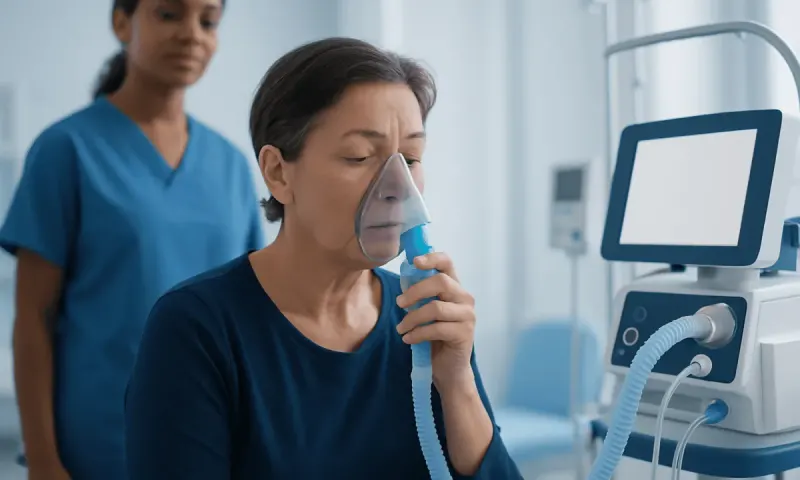
When breathing effort is insufficient, noninvasive ventilatory support such as a mask-based machine may help remove carbon dioxide and reduce the work of breathing. Some people with worsening chronic respiratory failure benefit from mechanical ventilation and intensive care if noninvasive support is not enough or if they are becoming less alert. In selected cases, doctors may perform bronchoscopy to evaluate airway blockage, collect samples, or help manage retained secretions.
How well you recover depends on the cause, how soon treatment starts, and whether you also live with chronic lung or neuromuscular disease. Treat the trigger and the acid-base balance usually improves — though some people need longer-term follow-up so it doesn’t happen again. If you are travelling from abroad for care, Acıbadem Health Point’s multidisciplinary specialists work in JCI-accredited hospitals and build an individual plan for each respiratory patient.
Prevention and self-care for people at risk
You can’t prevent every case, but you can lower your risk a great deal by staying on top of the conditions that affect your breathing. Keep chronic lung disease under regular review, use your inhalers the way you were shown, and get seen quickly when you have a flare-up. And if you smoke, quitting is the single most effective thing you can do to protect your lung function over the years.
Vaccines help too, by heading off the chest infections that can tip you into breathing failure. For people with chronic lung disease or other risk factors, doctors commonly recommend influenza and pneumococcal vaccination. Good sleep evaluation is also important when loud snoring, witnessed pauses in breathing, or morning headaches suggest sleep apnea or nighttime hypoventilation.
People taking opioid pain medicines, sleeping pills, or sedatives should use them only as directed and discuss any excessive drowsiness with a doctor. Maintaining a healthy weight, staying physically active within medical limits, and following pulmonary rehabilitation or breathing programs can support stronger respiratory function. In patients with chronic breathing disorders, regular review may help identify rising carbon dioxide before symptoms become severe.
When to seek medical care
Medical care is important when symptoms suggest that breathing is not effective or is getting worse. A person should contact a healthcare professional if they have increasing shortness of breath, new daytime sleepiness, morning headaches, trouble concentrating, or reduced ability to do usual activities. These symptoms do not always mean respiratory acidosis, but they deserve assessment, especially in someone with lung disease or sleep-related breathing problems.
Urgent care is needed for severe breathlessness, chest tightness that does not improve, bluish lips or fingertips, confusion, fainting, or difficulty staying awake. These symptoms can signal dangerous carbon dioxide retention, low oxygen, or another serious problem such as infection, asthma, or heart disease.
If you already have a lung condition and you suddenly need your reliever more often, run a fever with a worsening cough, or feel much drowsier than usual, don’t wait it out — get advice. Seeing someone early usually makes treatment simpler and safer, and it heads off the complications that come with delay.
Frequently asked questions
01Is respiratory acidosis dangerous?
It can be, especially when it develops quickly or causes severe drowsiness, confusion, or breathing distress. Many cases improve when doctors treat the underlying cause and support breathing early.
02What is the difference between acute and chronic respiratory acidosis?
Acute respiratory acidosis develops suddenly, often during a flare-up, infection, overdose, or breathing emergency. Chronic respiratory acidosis develops more gradually, usually in long-term lung or breathing disorders, and the kidneys may partly compensate over time.
03Can respiratory acidosis happen during sleep?
Yes. Sleep apnea and other forms of nighttime hypoventilation can cause carbon dioxide to rise during sleep, sometimes leading to morning headaches and daytime sleepiness. A sleep assessment may be recommended when symptoms suggest a nighttime breathing disorder.
04How is respiratory acidosis confirmed?
Doctors usually confirm it with a blood gas test that measures pH and carbon dioxide levels. Other tests, such as pulse oximetry, chest imaging, and lung evaluation, help determine why it is happening.
05Can oxygen alone treat respiratory acidosis?
Not always. Oxygen may help if blood oxygen is low, but the main problem in respiratory acidosis is inadequate removal of carbon dioxide. Treatment often also requires improving ventilation and addressing the underlying cause.
06Can respiratory acidosis be prevented?
Some cases can be reduced by managing chronic lung disease, avoiding misuse of sedative medicines, quitting smoking, and treating sleep-related breathing disorders. Preventing respiratory infections and seeking care early for flare-ups can also help.
This article is for general information only and is not a substitute for professional medical advice. Please consult a qualified doctor about your individual situation.
Persistent digestive symptoms? Get evaluated in Turkey
JCI-accredited · board-certified surgeons · reply within 24h
Add us as a Preferred Source to see more of our trusted health content across Google Search, AI Overviews and Discover.