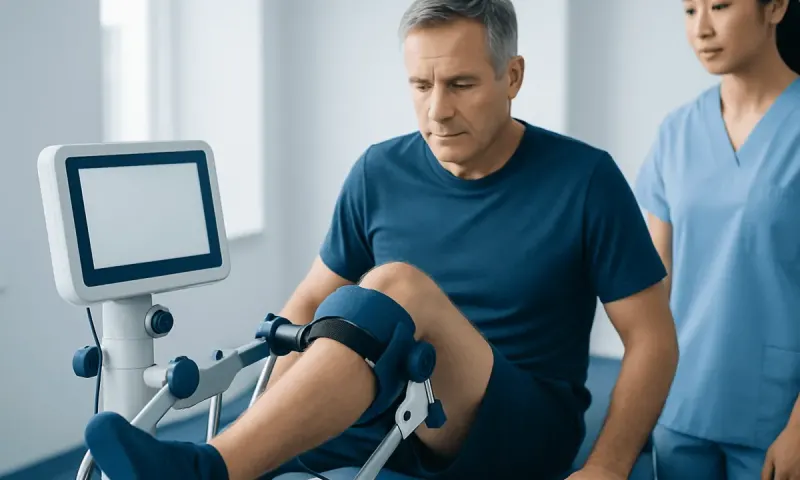
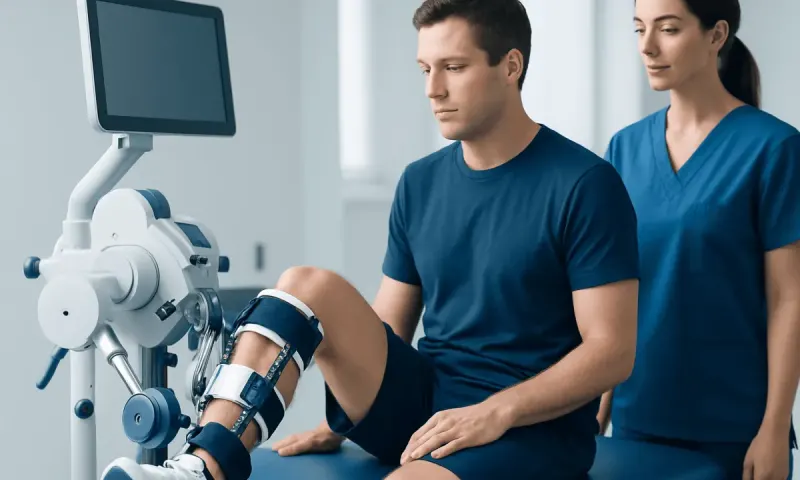
Ankle Physical Therapy After Surgery: A Staged Recovery
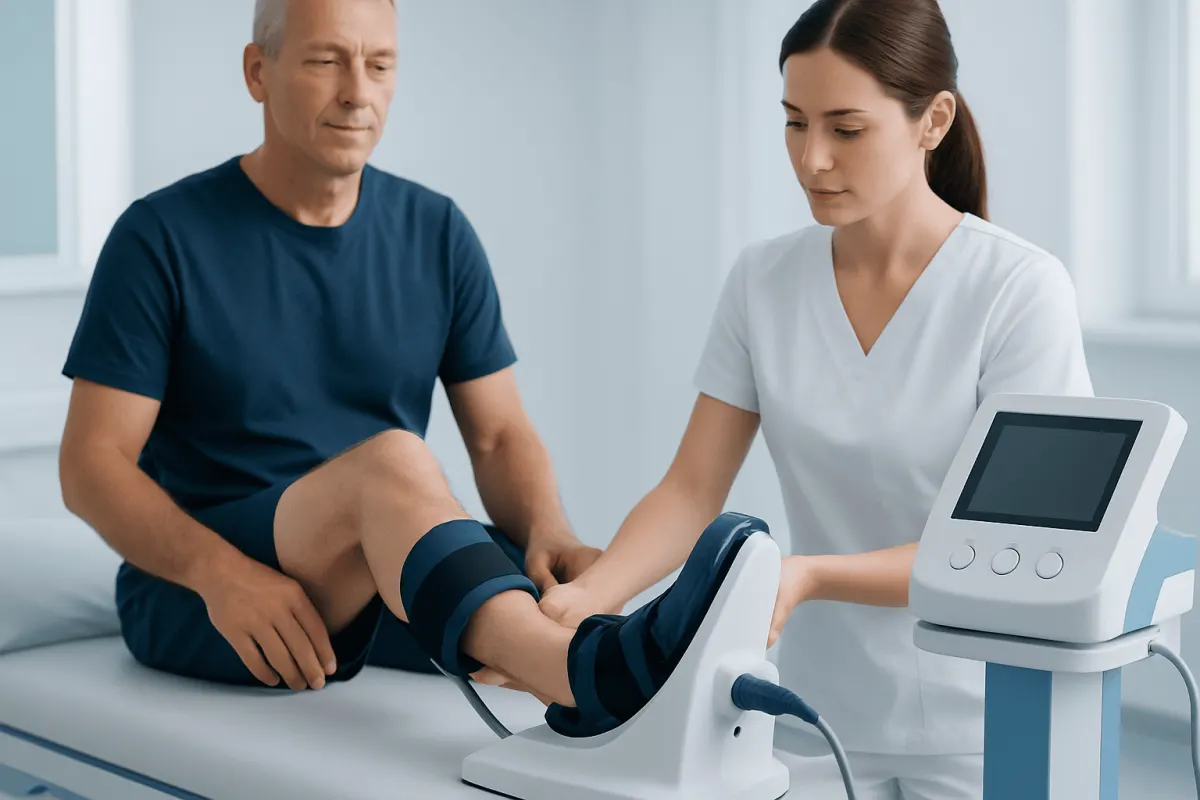
Physical therapy ankle rehabilitation is a structured recovery program that helps a person regain motion, strength, balance and confidence after ankle surgery. The pace depends on the procedure, the condition treated, wound and bone healing, and the surgeon’s instructions.
Physical Therapy Ankle: What It Involves
Physical therapy ankle rehabilitation helps restore mobility, muscle control, balance and walking after injury or surgery. It is not a single exercise routine. Instead, a physiotherapist works within the orthopedic surgeon’s healing restrictions and adjusts the program as swelling, pain, strength and function change.
After surgery, the ankle may need a period of protection in a splint, cast or boot. Early care can focus on swelling management, safe use of crutches or a walker, maintaining movement in permitted joints, and protecting the incision. Later, treatment commonly includes ankle motion exercises, strengthening, gait training, balance work and gradual return to daily activities.
Physical therapy ankle surgery plans vary because surgical procedures have different goals. For example, a repaired fracture needs adequate bone healing, ligament reconstruction needs protection from movements that strain the repair, ankle fusion requires the bones to unite, and ankle replacement requires a careful balance between restoring motion and protecting the new joint.
Why Rehabilitation Is Important After Ankle Surgery
Swelling, pain and a period of limited weight-bearing can quickly lead to stiffness, reduced calf strength and changes in walking. Rehabilitation addresses these effects while respecting the normal healing process. Its practical goals include getting in and out of bed safely, managing stairs, walking with the prescribed support, and eventually returning to work, exercise or recreational activities when appropriate.
Restoring ankle range of motion can be especially important for comfortable walking and stair climbing. Strengthening the calf, shin and hip muscles can improve control of the leg. Balance and proprioception training help the body sense joint position, which may reduce feelings of instability and support safer movement on uneven ground.
Progress is based on function rather than on a fixed calendar alone. A therapist may monitor incision healing, swelling, movement quality, walking pattern, strength and the person’s ability to complete everyday tasks. People recovering from an ankle arthritis procedure may have different starting limitations and recovery goals than those healing after trauma.
What Does a Typical Ankle Rehabilitation Plan Include?
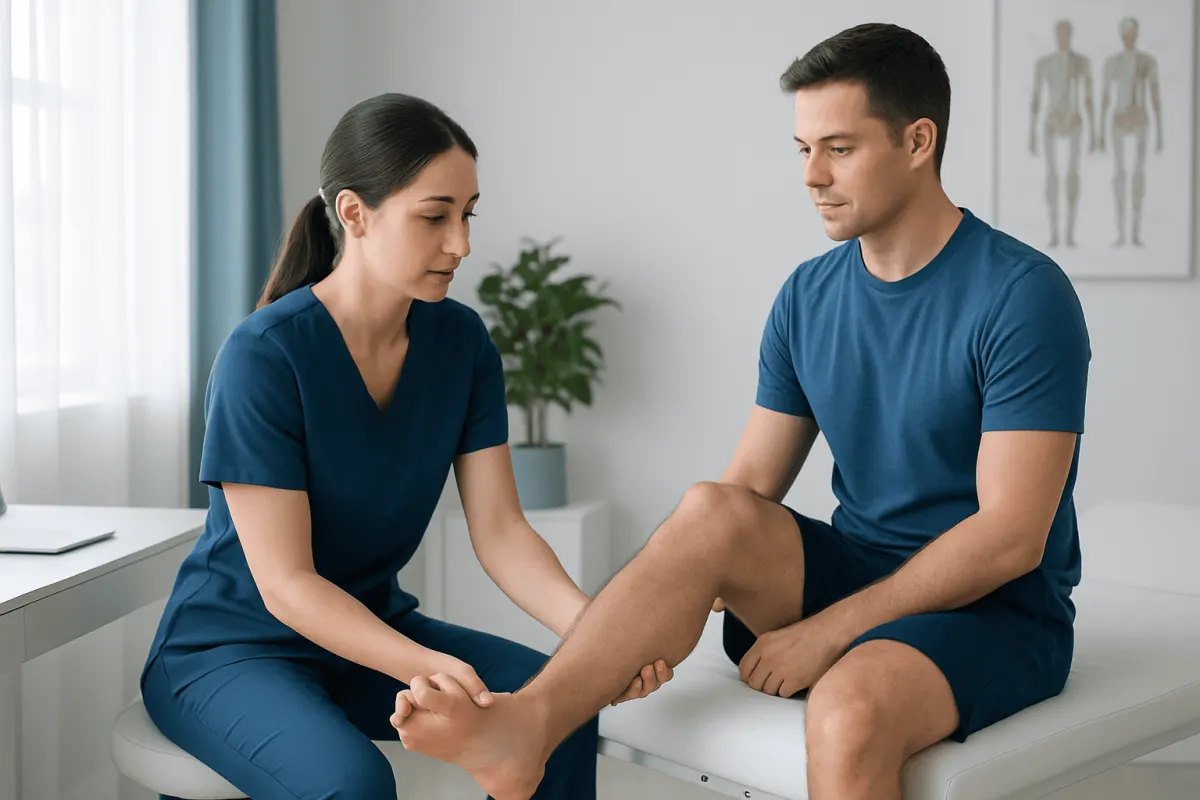
The exact plan is prescribed by the operating surgeon and should not be replaced by generic online exercises. In the protected phase, a person may be asked to keep weight off the foot or place only a limited amount of weight through it. The therapist can teach safe transfers, use of mobility aids and exercises for the knee, hip and core that do not disturb the surgical site.
Once permitted, therapy may introduce gentle ankle motion, often progressing from simple movements to active exercises and functional tasks. Soft-tissue techniques, scar care after the incision has closed, and strategies to reduce swelling may also be considered. Ice, elevation and compression are sometimes recommended, but should be used according to the clinical team’s advice.
As healing progresses, strengthening may include resistance exercises, heel raises, step work and controlled weight shifting. Gait retraining focuses on reducing limping and rebuilding a smooth heel-to-toe pattern. Later-stage rehabilitation can involve single-leg balance, stair practice, low-impact conditioning and task-specific exercises.
- Protection and safe mobility
- Range of motion and swelling management
- Strength, balance and walking retraining
- Gradual return to daily tasks, work and approved activity
Physical Therapy After Ankle Replacement Surgery
Physical therapy ankle replacement rehabilitation is designed to help a person use the new joint safely while healing tissues recover. Total ankle replacement, also called ankle arthroplasty, may be considered for selected people with advanced ankle arthritis. The surgeon’s instructions determine when a person may begin ankle movement and how quickly weight-bearing can increase.
A physical therapy protocol for ankle replacement commonly begins with elevation, swelling control and protected mobility. Depending on the procedure and individual healing, the person may transition from a splint or cast to a boot, then gradually progress from crutches or a walker toward independent walking. The therapist watches for excessive swelling, poor gait mechanics and symptoms that suggest the activity level needs adjustment.
Physical therapy after ankle replacement surgery usually emphasizes gentle restoration of functional movement, calf and leg strength, balance and an efficient gait. High-impact activities may remain unsuitable for some people even after recovery, so the surgical team can advise which activities are appropriate for the implant and the individual’s overall health.
Rehabilitation plans may differ if ankle replacement is combined with tendon, ligament, bone-alignment or neighboring-joint procedures. For this reason, a person should follow their own surgeon’s precautions rather than using another patient’s timetable.
How Painful Is Physical Therapy After Ankle Surgery?
Physical therapy after ankle surgery can cause temporary soreness, stretching sensations and fatigue, particularly when movement and weight-bearing are being reintroduced. However, therapy should not involve severe or escalating pain. The goal is controlled, tolerable challenge rather than forcing the ankle through sharp pain.
It is common for swelling or discomfort to increase mildly after a new exercise or a more active therapy session, then settle with rest and the recovery measures recommended by the care team. Telling the physiotherapist about pain during and after treatment allows them to modify the exercise range, load, frequency or technique.
Severe pain, pain that is getting progressively worse, new numbness, marked color changes in the toes, or pain accompanied by fever, wound drainage or increasing redness is not something to work through. The person should contact the surgeon or treating clinician promptly for advice.
How Long Do You Do Physical Therapy After Ankle Surgery?
The duration of physical therapy after ankle surgery varies widely. Some people need several weeks of supervised visits followed by a home program, while others benefit from therapy for several months. The procedure performed, whether weight-bearing was restricted, pre-surgery fitness, complications, job demands and recovery goals all influence the timeline.
After a simpler soft-tissue procedure, formal rehabilitation may be shorter than after fracture fixation, ankle fusion or replacement. Major procedures often require a longer period of progressive strengthening and gait training because the ankle and surrounding muscles have been protected or inactive for longer.
Regular home exercises are often an important part of recovery between appointments. The therapist and surgeon decide when visits can be reduced or stopped based on safe walking, movement, strength, balance and confidence with daily activities—not simply because a certain number of weeks has passed.
What Are the Worst Days After Ankle Surgery?
Many people find the first several days after ankle surgery the most difficult because pain, swelling, fatigue and the practical limits of a splint, boot or non-weight-bearing instructions are most noticeable. Sleeping, personal care, stairs and moving around the home may require planning or assistance. Prescribed pain management and elevation instructions can help during this early phase.
Another challenging period can occur when activity increases. Beginning weight-bearing, transitioning out of a boot, or returning to work can temporarily increase swelling and expose weakness or stiffness. This does not automatically mean something is wrong, but the pace may need adjustment with guidance from the clinical team.
Recovery is rarely perfectly linear. A person may have better and harder days, particularly after therapy sessions or longer periods on their feet. Keeping follow-up appointments and reporting concerns early helps the surgeon and therapist distinguish expected recovery symptoms from issues that require treatment.
How Long Will It Take to Walk Normally After Ankle Surgery?
Walking normally after ankle surgery may take weeks to months, and sometimes longer after complex procedures. The person first needs clearance to bear weight, then must rebuild ankle motion, calf strength, balance and a coordinated walking pattern. It is common to use crutches, a walker, a scooter or a boot for part of this process.
A normal-looking gait is not the only measure of recovery. The ankle should also tolerate daily walking without a substantial increase in pain or swelling afterward. A person may walk independently before they feel fully strong, comfortable on stairs or confident on uneven surfaces.
Returning to running, jumping or pivoting sports usually takes longer than returning to routine walking and may not be advised after every surgery. The surgical and rehabilitation team can provide activity-specific guidance and may use functional testing before clearing higher-demand activities.
Acıbadem Health Point’s multidisciplinary orthopedic and rehabilitation specialists in JCI-accredited hospitals support international patients with individualized assessment and recovery planning after ankle procedures.
When to Seek Medical Care
Urgent medical advice is important for symptoms that may indicate a complication after surgery. These include increasing redness, warmth, swelling or drainage around the wound; fever; pain that is not controlled by the prescribed plan; new weakness or loss of sensation; or toes that become unusually pale, blue or cold.
A person should seek urgent evaluation for sudden shortness of breath, chest pain, coughing blood, fainting, or new significant swelling and pain in the calf or thigh. These symptoms can have several causes, including a blood clot, and need prompt assessment.
Less urgent but important reasons to contact the care team include a worsening limp, inability to progress as instructed, persistent swelling that does not improve with recommended rest, or concern about the boot, cast or incision. Early communication can help keep rehabilitation safe and appropriately paced.
Frequently asked questions
01Can physical therapy start before weight-bearing is allowed?
Yes. Therapy may begin before weight-bearing is permitted, but it focuses on activities that protect the surgical repair. This may include instruction in using crutches or a walker, safe transfers, swelling management and exercises for other parts of the leg. The surgeon determines which ankle movements, if any, are safe at each stage.
02Should the ankle swell after physical therapy?
Mild temporary swelling can occur after increased activity or a therapy session, especially early in recovery. It should generally improve with the measures recommended by the care team, such as rest and elevation. Increasing or persistent swelling, particularly with redness, heat, severe pain or wound changes, should be discussed with a clinician.
03Can a person do ankle rehabilitation exercises at home?
Home exercises are commonly part of ankle rehabilitation and help maintain progress between therapy appointments. However, the exercises, timing and amount of resistance should be individualized. A person should avoid adding exercises or increasing intensity without approval from their surgeon or physiotherapist.
04Is physical therapy necessary after ankle replacement?
Rehabilitation is commonly recommended after ankle replacement because walking, strength, balance and movement need to be rebuilt gradually. The details vary according to the surgical approach, associated procedures and healing progress. The surgeon and physiotherapist create the safest plan for the individual.
05Why does my calf feel weak after ankle surgery?
Calf weakness is common after immobilization and reduced weight-bearing because the muscles are used less than usual. Pain, swelling and altered walking can also reduce normal muscle activation. Gradual, clinician-guided strengthening and gait training can help restore function.
06When can I return to driving after ankle surgery?
Driving should wait until a person can safely control the pedals, has been cleared by the surgeon, and is no longer impaired by pain, restricted movement or medicines that affect alertness. The timing depends on which ankle was operated on, the procedure and the individual’s recovery. It is important to discuss driving specifically with the treating team.
This article is for general information only and is not a substitute for professional medical advice. Please consult a qualified doctor about your individual situation.
Joint and spine care in Turkey — expert assessment & treatment
JCI-accredited · board-certified surgeons · reply within 24h
Add us as a Preferred Source to see more of our trusted health content across Google Search, AI Overviews and Discover.