Gait Training: Improving Walking, Balance, and Fall Prevention
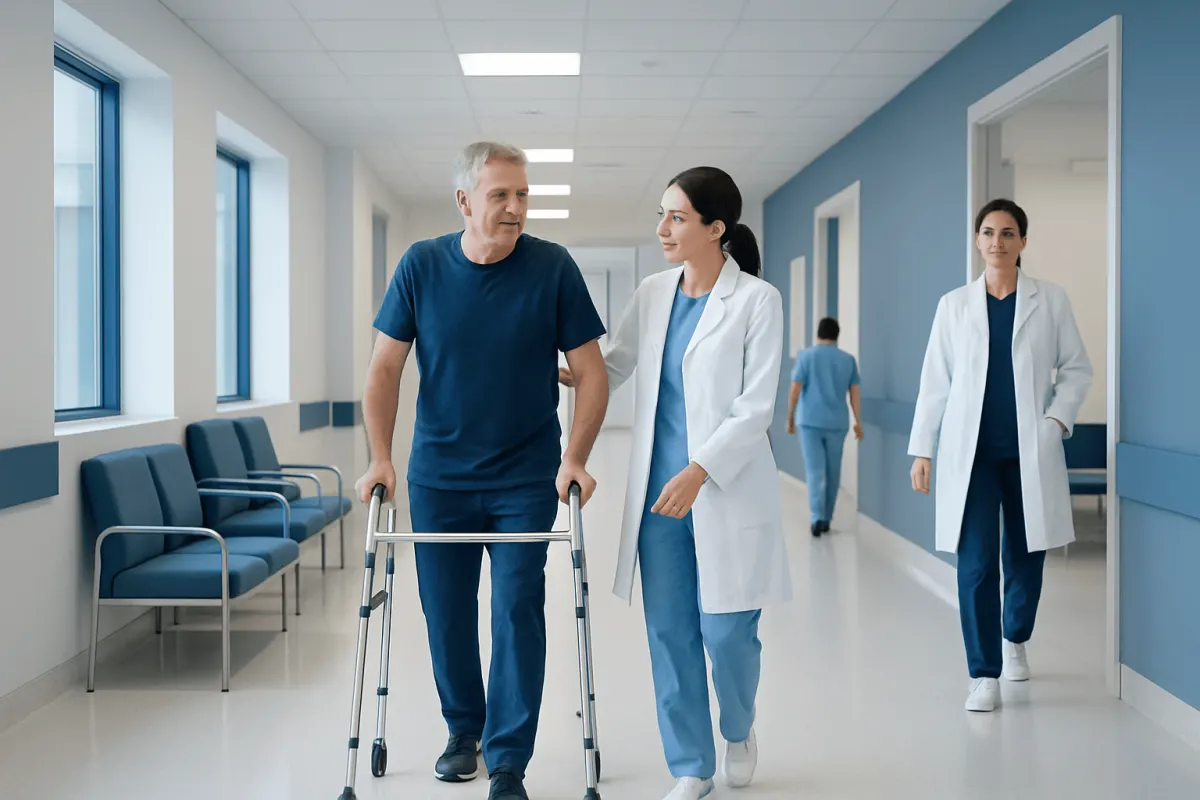
Gait training is a structured rehabilitation approach that helps people walk more safely, efficiently, and confidently. It may be recommended after injury, surgery, stroke, neurological disease, or any condition that affects balance and mobility.
Overview
Gait training is a form of rehabilitation designed to help a person improve the way they walk. The word “gait” refers to the pattern of movement used during walking, including stride length, foot placement, balance, posture, rhythm, and how the body transfers weight from one leg to the other. When gait is affected by illness, injury, surgery, pain, weakness, or a neurological condition, walking may become slower, uneven, tiring, or less safe.
The goal of gait training is not only to help someone walk farther. It also aims to make walking safer, more energy-efficient, and more comfortable. A rehabilitation plan may focus on strengthening weak muscles, improving joint movement, retraining balance reactions, correcting compensatory movement patterns, and teaching the safe use of walking aids such as a cane, crutches, walker, or orthosis.
Gait training is often provided by physiotherapists, Physical Therapy" class="ahp-ilk">physical medicine and rehabilitation physicians, occupational therapists, and other rehabilitation specialists. It can be used in hospitals, rehabilitation centers, outpatient clinics, and home-based care. The program is individualized because two people with the same diagnosis may walk differently and may need different types of support.
Who May Benefit from Gait Training?
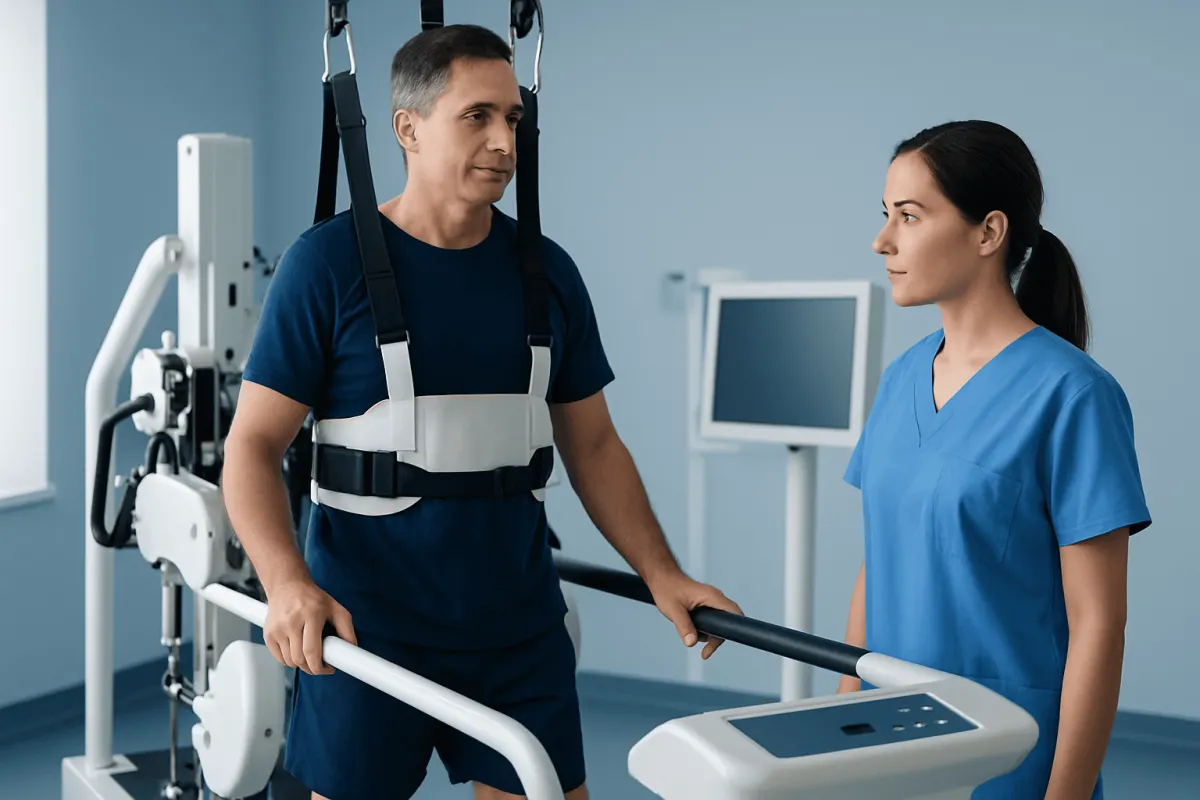
Gait training can help people of many ages when walking has changed or become unsafe. It is often recommended after orthopedic injuries such as fractures, ligament injuries, joint replacement surgery, or prolonged immobilization. It may also be part of recovery after back, hip, knee, ankle, or foot surgery, especially when a person needs to regain strength, flexibility, and confidence while following weight-bearing precautions.
Neurological conditions are another common reason for gait rehabilitation. People recovering from stroke, traumatic brain injury, spinal cord injury, multiple sclerosis, Parkinson’s disease, peripheral neuropathy, or balance disorders may experience changes in step timing, foot clearance, coordination, posture, or sensory feedback. Gait training helps the nervous system practice safer movement patterns through repetition, cueing, and progressive challenges.
Older adults may also benefit, particularly if they have had a fall, feel unsteady, or limit activities because of fear of falling. Reduced muscle strength, vision changes, medication effects, joint pain, and slower reflexes can all contribute to walking difficulty. A structured program can help address modifiable factors and support greater independence in daily life.
Signs of Gait and Balance Problems
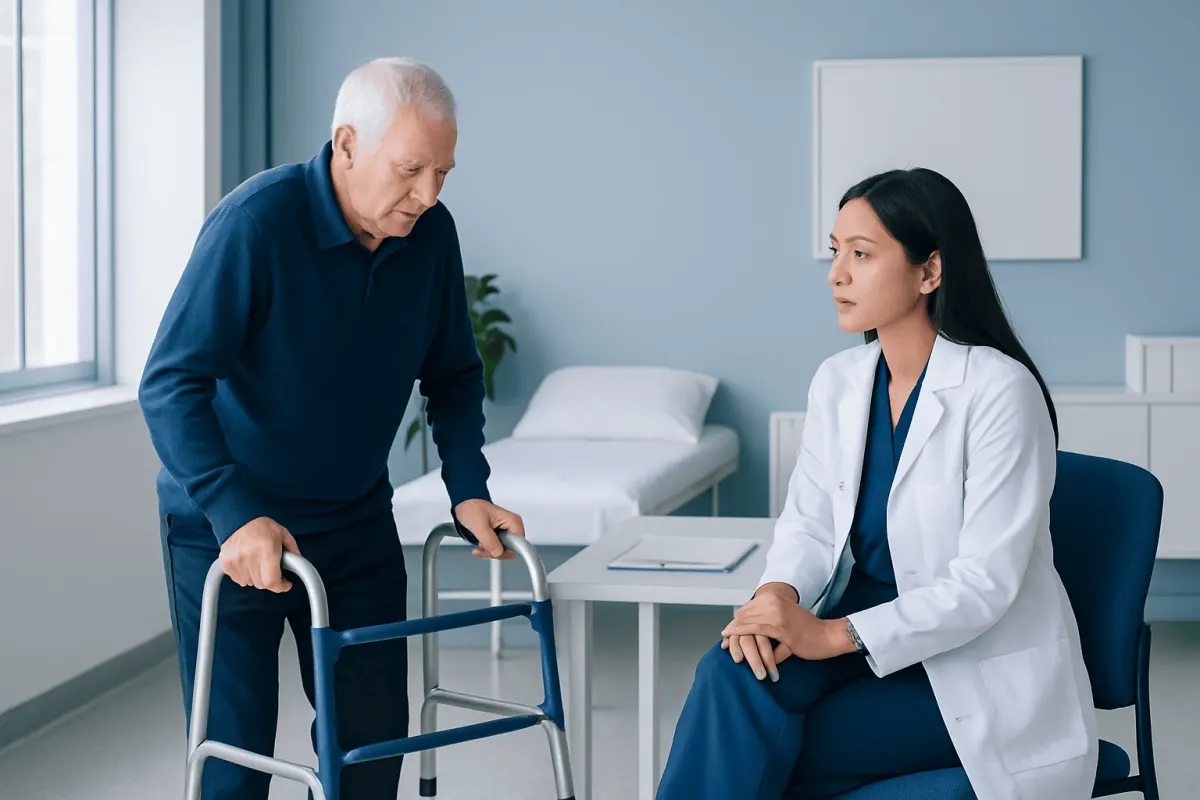
Changes in walking may develop gradually or appear suddenly after an injury or illness. Some people notice that they walk more slowly, take shorter steps, drag one foot, limp, or need to hold onto furniture. Others may feel unsteady when turning, stepping onto a curb, walking in crowded places, or moving from sitting to standing.
Common signs that may indicate a gait or balance problem include:
- Frequent tripping, stumbling, or near-falls
- Uneven step length or difficulty lifting the foot
- Leaning to one side or walking with a wide base
- Pain during walking or reduced walking distance
- Difficulty starting, stopping, or turning while walking
- Fear of falling or avoiding usual activities
- Needing more support from walls, furniture, or another person
These changes should not be dismissed as simply “getting older.” Many causes of walking difficulty can be improved with the right assessment and rehabilitation plan. Early support may prevent compensatory habits from becoming more established and may reduce the risk of further injury.
Assessment and Diagnosis
Before gait training begins, a healthcare professional evaluates the person’s walking pattern and identifies the factors that may be contributing to difficulty. This may include a review of medical history, current symptoms, medications, pain levels, previous falls, surgeries, neurological conditions, and daily activity needs. The assessment also considers the person’s home environment, work or school demands, and personal mobility goals.
A physical examination may assess muscle strength, joint range of motion, posture, sensation, coordination, reflexes, endurance, and balance. The therapist may observe walking from different angles and may look at step length, speed, foot position, knee control, hip movement, trunk posture, arm swing, and the ability to turn or walk on different surfaces. Standard balance and mobility tests may be used to track progress over time.
In some cases, additional medical evaluation is needed. Imaging, nerve studies, vestibular assessment, cardiovascular review, or medication review may be considered depending on symptoms. The aim is to understand why walking has changed, not just to correct the visible pattern. A well-planned program is safer and more effective when the underlying contributors are addressed.
What Gait Training Involves
Gait training usually combines several rehabilitation techniques. Strengthening exercises may target the hips, thighs, calves, ankles, and core muscles because these areas help support posture, foot clearance, balance, and push-off during walking. Flexibility work may be added when tight muscles or stiff joints limit movement. For example, ankle stiffness can affect step length and increase the chance of toe catching.
Balance and coordination exercises are central to many programs. These may include weight shifting, standing with a narrower base of support, stepping in different directions, practicing turns, walking over low obstacles, or training on varied surfaces. Exercises are progressed carefully, often starting with hand support and advancing as safety improves. Task-specific practice is important because walking improves through repeated, purposeful walking practice.
Depending on the person’s needs, gait training may also include:
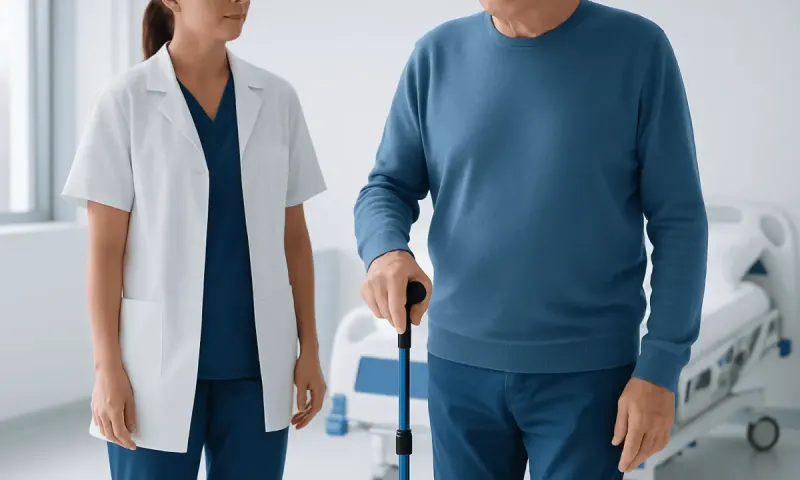
- Instruction in safe use of a cane, crutches, walker, or other assistive device
- Training with braces or orthotic devices to improve alignment or foot clearance
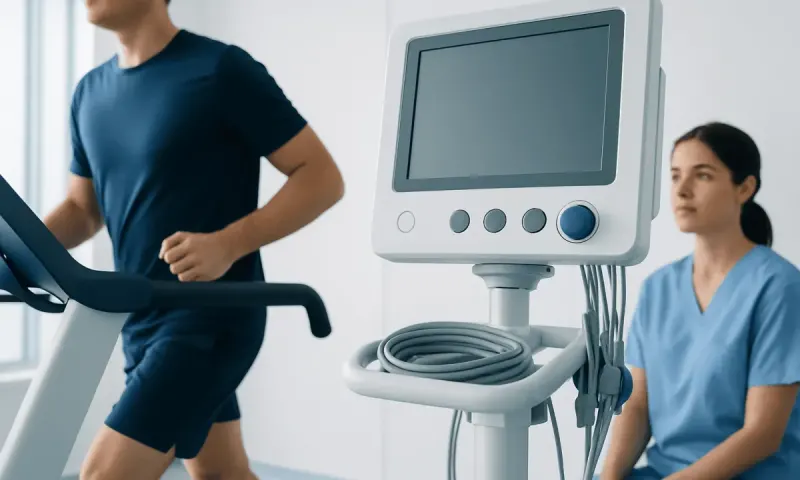
- Treadmill walking, sometimes with body-weight support when appropriate
- Visual, verbal, or rhythmic cues to improve step timing and posture
- Practice with stairs, ramps, curbs, doorways, and community walking tasks
- Education on footwear, pacing, fatigue management, and fall prevention
The plan should be progressive but realistic. A person recovering from surgery may begin with short, supervised walks and specific weight-bearing guidance. Someone with a neurological condition may need repetition, cueing, and balance strategies. A person with chronic pain may require gradual conditioning and attention to movement habits that reduce strain.
Fall Prevention and Home Safety
Fall prevention is a key part of gait training, especially for older adults and people with neurological, orthopedic, or balance conditions. Preventing falls involves more than learning exercises. It requires understanding the situations where balance is most challenged, such as walking at night, rushing to the bathroom, carrying objects, navigating stairs, or walking on uneven ground.
Rehabilitation professionals may recommend practical changes at home and in daily routines. These can include removing loose rugs, improving lighting, keeping walkways clear, using non-slip mats, installing grab bars where needed, and choosing supportive footwear. People who use glasses or hearing aids should keep them up to date, as vision and hearing contribute to spatial awareness and balance. Medication review with a doctor may also be helpful if dizziness, drowsiness, or low blood pressure is present.
Self-care is most effective when it is consistent and safe. Home exercises should be performed exactly as instructed, with appropriate support nearby if balance is limited. It is important not to stop using a walking aid too early; the right device can increase independence while reducing risk. As walking improves, the rehabilitation team can reassess whether the device, brace, or exercise plan should be adjusted.
Recovery, Progress, and Expectations
Progress in gait training varies widely. Some people improve within a few sessions after a minor injury or short period of weakness. Others, such as those recovering from stroke, spinal cord injury, complex fractures, or long hospital stays, may need a longer rehabilitation period. Progress may be measured by walking speed, distance, balance test scores, fewer stumbles, improved confidence, better stair use, or reduced need for assistance.
Consistency is one of the most important factors. Supervised therapy sessions provide guidance and progression, but safe practice between sessions often supports better carryover into daily life. Rest is also important. Fatigue can affect coordination and balance, so programs should be paced according to the person’s health status, endurance, and medical advice.
Gait training may not always restore walking to exactly the way it was before an illness or injury, but it can often improve safety, independence, and quality of movement. The rehabilitation team can help set realistic goals, such as walking safely at home, returning to community activities, climbing stairs, using public transportation, or reducing fear of falling.
When to See a Doctor
A medical evaluation is recommended if walking changes suddenly, if there is a new fall, or if gait problems are associated with weakness, numbness, dizziness, severe pain, confusion, chest discomfort, or loss of bladder or bowel control. These symptoms may require prompt medical attention. People should also seek care when walking difficulty gradually worsens, limits daily activities, or leads to fear of leaving the home.
It is also important to consult a healthcare professional before starting gait exercises after surgery, fracture, stroke, or a significant medical event. Weight-bearing restrictions, wound healing, blood pressure changes, neurological symptoms, or pain patterns may affect which exercises are safe. A personalized plan reduces the chance of overloading healing tissues or practicing movements that are not suitable.
For international patients, Acıbadem Health Point provides access to multidisciplinary rehabilitation specialists and JCI-accredited hospitals that diagnose and treat walking, balance, and mobility problems. A coordinated assessment can help identify the cause of gait difficulty and guide an appropriate rehabilitation plan.
Frequently asked questions
01What is gait training in physical therapy?
Gait training is a rehabilitation approach that helps improve walking pattern, balance, posture, strength, and safety. It may include exercises, walking practice, assistive device training, and strategies to reduce fall risk. The program is tailored to the person’s diagnosis, abilities, and daily mobility goals.
02Who needs gait training?
Gait training may be helpful for people who have difficulty walking after injury, surgery, stroke, neurological disease, joint problems, or prolonged bed rest. It may also benefit older adults who feel unsteady or have had falls. A healthcare professional can assess whether gait training is appropriate and what type is safest.
03How long does gait training take?
The duration depends on the cause of the walking problem, general health, strength, balance, pain, and consistency with practice. Some people need a short course of therapy, while others require longer rehabilitation. Progress is usually reviewed regularly so the plan can be adjusted.
04Can gait training help prevent falls?
Yes, gait training can support fall prevention by improving balance, strength, foot clearance, turning, and confidence during walking. It is often combined with home safety advice, footwear recommendations, assistive device training, and medical review when needed. Fall prevention is most effective when all risk factors are considered.
05Is treadmill walking part of gait training?
Treadmill walking may be used in some gait training programs, but it is not required for everyone. It can help provide repeated stepping practice in a controlled setting, sometimes with support systems when appropriate. The therapist decides whether treadmill training is suitable based on safety, balance, endurance, and medical status.
06Should a person stop using a cane or walker once they feel better?
A cane or walker should not be stopped without guidance if balance, strength, or safety is still a concern. Using the right device can help prevent falls and allow more independent movement. A rehabilitation professional can reassess walking and advise when it is safe to reduce or change support.
This article is for general information only and is not a substitute for professional medical advice. Please consult a qualified doctor about your individual situation.
Joint and spine care in Turkey — expert assessment & treatment
JCI-accredited · board-certified surgeons · reply within 24h
Add us as a Preferred Source to see more of our trusted health content across Google Search, AI Overviews and Discover.