EBV Rash: Causes, Appearance, and Warning Signs

An EBV rash is a skin eruption that may occur during Epstein-Barr virus infection, often called infectious mononucleosis or mono. It is usually temporary, but the appearance of a rash after an antibiotic or alongside severe symptoms should be assessed by a qualified clinician.
What is an EBV rash?
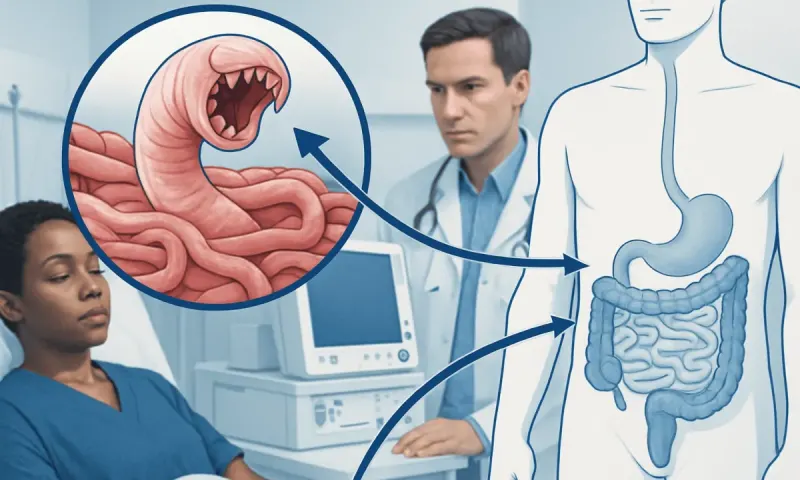
An EBV rash is a skin rash that develops in the setting of infection with Epstein-Barr virus (EBV). EBV is a very common virus and is one cause of infectious mononucleosis, often shortened to mono. The rash may be caused by the viral illness itself, by the immune response to infection, or by an interaction between active EBV infection and certain medicines.
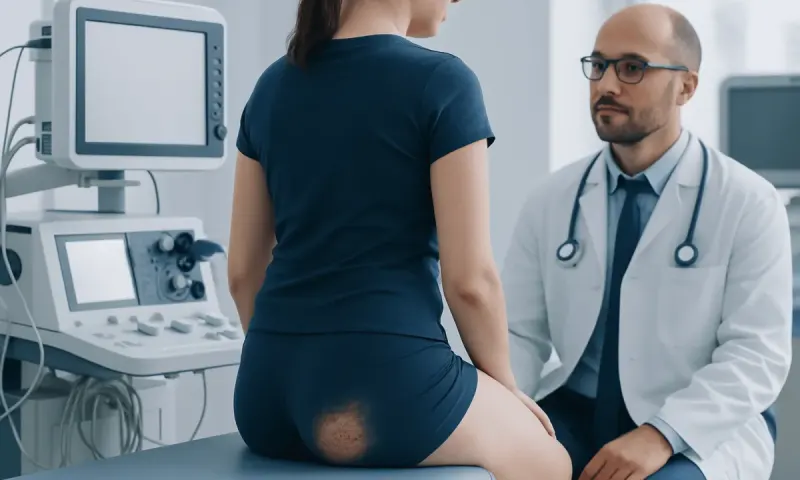
Not everyone with EBV develops a rash. When it does occur, it is often mild and short-lived, appearing as scattered pink or red spots or small raised bumps over the trunk and limbs. The rash can be itchy, but it may not cause discomfort. Its appearance alone cannot reliably confirm EBV, because many viral infections, medications, and skin conditions can cause similar changes.
EBV infection may also cause fatigue, fever, sore throat, swollen lymph nodes, body aches, and enlarged tonsils. In some people, particularly teenagers and young adults, these symptoms are more pronounced. A clinician can consider the full pattern of symptoms, examination findings, and appropriate tests when assessing whether EBV is the likely cause.
How an EBV rash may look and feel
A rash directly associated with EBV is commonly described as maculopapular. This means it consists of flat discolored areas mixed with small raised spots. On lighter skin it may look pink or red; on darker skin, it may appear darker than the surrounding skin, purple-brown, grayish, or as subtle raised areas that are easier to feel than see.
The eruption often begins on the chest, back, or abdomen and can spread to the arms, legs, face, or neck. It may be widespread or limited to a few areas. Some people experience itchiness, while others have no skin symptoms beyond the visible rash. A rash may occur early in the illness or after other mono symptoms have been present for several days.
Rash patterns vary, so photographs online cannot provide a diagnosis. Hives, which are raised, very itchy welts that move or change location within hours, may suggest a different process, including an immediate medication reaction. Blisters, sores affecting the mouth or eyes, purple spots that do not fade with pressure, or painful peeling skin are not typical features to manage at home and require prompt medical assessment.
Why antibiotics can trigger a rash during EBV infection

A well-known situation is the development of a widespread rash after amoxicillin or ampicillin is prescribed to someone who actually has infectious mononucleosis rather than a bacterial throat infection. Severe sore throat, fever, and swollen tonsils can resemble strep throat, so testing may be needed before antibiotics are considered in some cases.
The exact mechanism of this rash is not fully understood. It is thought to reflect an altered immune response during acute EBV infection rather than a straightforward, permanent allergy in every person who develops it. The rash may appear several days after starting the antibiotic and can become extensive before gradually resolving after medical review and appropriate care.
It is important not to dismiss the reaction or assume that future penicillin use is always safe. The person should tell their healthcare professional about the medicine taken, the timing of the rash, and any associated symptoms. A clinician or allergy specialist can help determine whether the event is consistent with an EBV-related delayed rash, a true drug allergy, or another reaction.
- Do not start, stop, or reuse an antibiotic without advice from the prescribing clinician.
- Seek urgent help for wheezing, throat tightness, facial or tongue swelling, fainting, or rapidly spreading hives.
- Keep a clear record of the medication name and the reaction for future healthcare visits.
Other symptoms and health considerations with EBV
Infectious mononucleosis can affect more than the skin. Common symptoms include marked tiredness, sore throat, fever, swollen glands in the neck, headache, muscle aches, and reduced appetite. Fatigue may last longer than the fever or throat symptoms, and recovery times differ considerably from person to person.
EBV can sometimes enlarge the spleen, an organ located in the upper left abdomen. Because an enlarged spleen may be more vulnerable to injury, clinicians commonly advise avoiding contact sports, heavy lifting, and activities with a risk of abdominal impact until recovery has been assessed. Sudden or worsening pain in the upper left abdomen, left shoulder pain, dizziness, or fainting needs emergency evaluation.
Yellowing of the skin or eyes, dark urine, or significant abdominal discomfort may indicate liver involvement and should also be discussed promptly with a clinician. Alcohol is best avoided during acute illness, particularly if liver tests are abnormal or a healthcare professional has advised this. Most people recover with supportive care, but follow-up can be useful when symptoms are prolonged or severe.
How clinicians diagnose the cause of a rash
Diagnosis begins with a careful history and skin examination. A clinician may ask when the rash began, whether it itches or hurts, whether it changes over time, and whether there has been fever, sore throat, fatigue, exposure to illness, or use of new medicines. Details about antibiotics, over-the-counter products, supplements, and previous drug reactions are especially important.
When EBV is suspected, blood tests may be used to look for signs of infection and to assess blood cells or liver function when appropriate. Tests may include an initial heterophile antibody test, often called a monospot test, or EBV-specific antibody tests. Test results must be interpreted alongside symptoms, because timing in the course of illness can affect accuracy.
Clinicians may also test for other causes of sore throat and rash, such as streptococcal infection, other viral illnesses, or medication reactions. This approach helps avoid unnecessary antibiotics and ensures that conditions requiring different treatment are not missed. A dermatology or allergy assessment may be considered for an unexplained, recurring, severe, or medication-related rash.
Treatment and self-care for EBV rash
There is no routine antiviral treatment that removes uncomplicated EBV infection, and antibiotics do not treat viruses. Care is generally focused on relieving symptoms and supporting recovery. A clinician may recommend rest, regular fluids, nourishing meals as tolerated, and suitable pain or fever relief based on the person’s age, health history, and other medicines.
For an itchy rash, practical measures can include loose, breathable clothing, avoiding hot showers, using a fragrance-free moisturizer, and keeping fingernails short to reduce skin damage from scratching. A pharmacist or clinician can advise whether an anti-itch treatment is appropriate. It is best to avoid trying multiple new creams or herbal products, as these can irritate already sensitive skin or make the cause of the rash harder to identify.
If a rash developed after an antibiotic, the prescriber should be contacted promptly for guidance. The right next step depends on the reason the antibiotic was prescribed, the timing and characteristics of the reaction, and whether any urgent allergy symptoms are present. People should not share leftover antibiotics or use them for future sore throats without evaluation.
Recovery also involves pacing activity. Returning gradually to normal routines is often more manageable than pushing through severe fatigue. Until a healthcare professional confirms it is safe, avoiding contact sports and activities that could cause abdominal injury is an important precaution for people with suspected or confirmed infectious mononucleosis.
When to seek medical care
Medical advice is recommended for a new or unexplained rash, especially when it occurs with fever, severe sore throat, swollen glands, pronounced fatigue, or after starting a medicine. Assessment is particularly important for children, pregnant people, older adults, and people with weakened immune systems, as the causes and safest management of rash can differ.
Urgent medical care is needed if the rash occurs with trouble breathing, swelling of the lips, tongue, face, or throat, fainting, severe dizziness, or widespread hives. Emergency assessment is also appropriate for blistering or peeling skin, painful skin, sores in the mouth or eyes, a rapidly worsening illness, confusion, stiff neck, or purple-red spots that do not fade when pressed.
People with possible mono should seek prompt assessment for severe abdominal pain, particularly in the upper left side, pain felt at the left shoulder, or signs of collapse. These symptoms are uncommon but can signal a spleen-related emergency. Acıbadem Health Point’s multidisciplinary specialists and JCI-accredited hospitals can assess infectious illnesses and related skin symptoms for international patients.
Frequently asked questions
01Does EBV always cause a rash?
No. Many people with Epstein-Barr virus infection, including those with infectious mononucleosis, never develop a rash. A rash is only one possible feature and should be considered alongside symptoms such as fatigue, fever, sore throat, and swollen lymph nodes.
02How long does an EBV rash last?
The duration varies according to the cause and the individual. A mild viral rash may fade over days to a couple of weeks, while a rash associated with an antibiotic can take longer to fully settle. A clinician should assess a rash that persists, worsens, becomes painful, or is accompanied by new symptoms.
03Is an amoxicillin rash with EBV a true penicillin allergy?
Not necessarily. A delayed widespread rash during acute EBV infection may not represent a permanent penicillin allergy, but it still needs to be recorded and reviewed by a healthcare professional. Immediate hives, breathing symptoms, facial swelling, or collapse are more concerning for a serious allergic reaction and require urgent care.
04Can an EBV rash spread to other people?
The rash itself is not passed from person to person. EBV is mainly spread through saliva, so close contact such as kissing or sharing drinks and utensils can transmit the virus. Sensible hygiene measures, including not sharing personal drinkware while unwell, can help reduce spread.
05Can a person use a cream to treat an EBV rash?
A plain fragrance-free moisturizer may soothe dry or mildly itchy skin, but it does not treat the underlying infection. Before using medicated creams, antihistamines, or other treatments, it is sensible to ask a pharmacist or clinician for advice, especially for children or people taking other medicines. New products should be avoided if the skin is blistered, broken, or very irritated.
06When can someone return to sports after mono?
The timing should be individualized with a healthcare professional because EBV can enlarge the spleen. Contact sports, heavy lifting, and activities with a risk of impact to the abdomen are generally avoided during the acute illness and until the clinician considers return safe. Persistent fatigue may also mean a gradual return to exercise is more appropriate.
This article is for general information only and is not a substitute for professional medical advice. Please consult a qualified doctor about your individual situation.
Explore treatments in Turkey — costs, top hospitals & a free quote
JCI-accredited · board-certified surgeons · reply within 24h
Add us as a Preferred Source to see more of our trusted health content across Google Search, AI Overviews and Discover.