Monkeypox Rash: Signs, Spread, and Medical Care
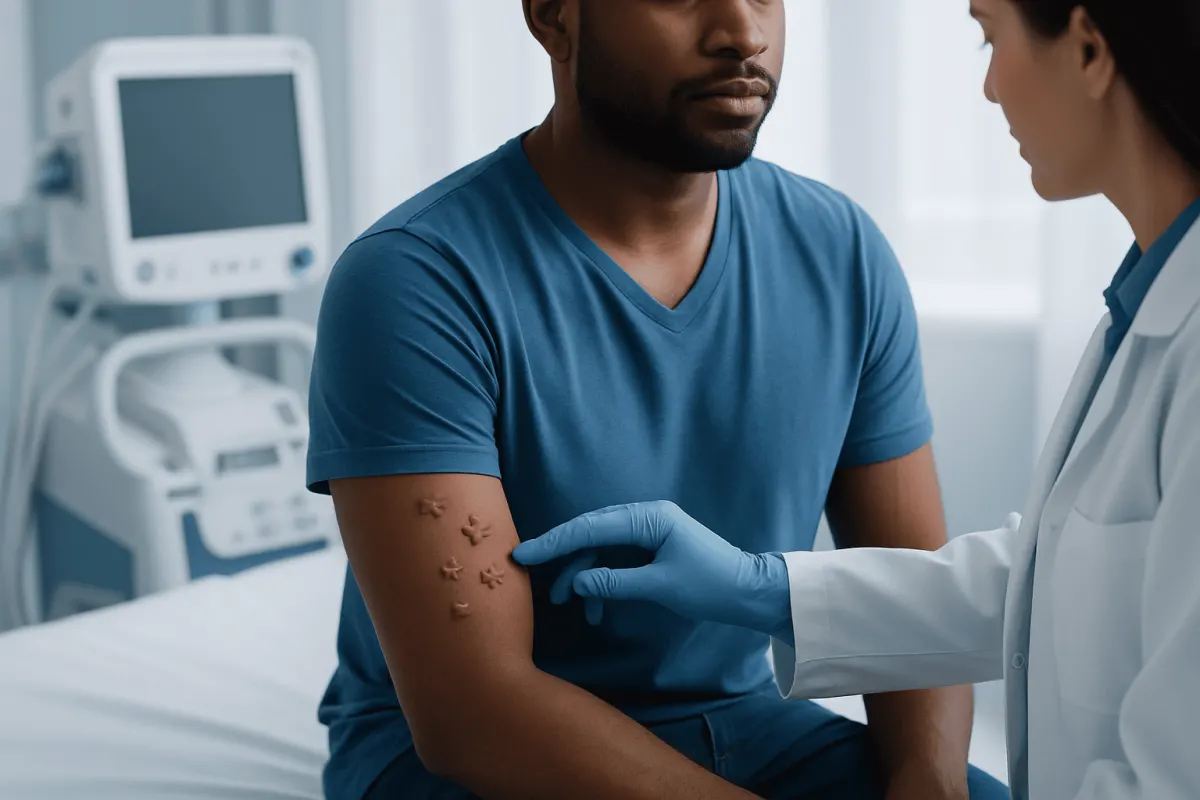
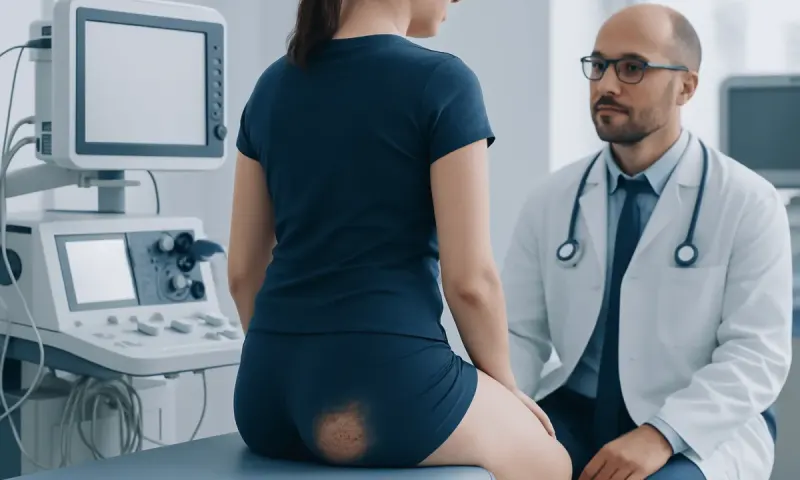
A monkeypox rash, now more commonly called an mpox rash, can appear as painful or itchy spots, bumps, blisters, or scabs. Because many skin conditions can look similar, testing by a healthcare professional is the only reliable way to confirm mpox.
Overview: What Is a Monkeypox Rash?
A monkeypox rash is a skin eruption caused by mpox, an infection due to the monkeypox virus. Although the name “monkeypox” is still widely used in searches and everyday conversation, “mpox” is the preferred term used by many public health organizations. A rash can be one of the most noticeable features of the infection, but its appearance and location can vary significantly from person to person.
The rash may begin with only one or a few spots rather than a widespread eruption. It can occur with fever or other flu-like symptoms, but some people develop skin lesions before feeling unwell, and others may have few general symptoms. A healthcare professional can assess the rash and arrange a swab test from a lesion when mpox is suspected.
Mpox is not the only explanation for new blisters, sores, or scabs. Conditions such as herpes infections, chickenpox, syphilis, hand-foot-and-mouth disease, allergic reactions, folliculitis, and other skin infections may resemble it. Prompt assessment is useful because the cause determines the most appropriate advice and treatment.
What Does an Mpox Rash Look and Feel Like?
An mpox rash may progress through several stages. It can start as flat discoloration or small raised bumps, then develop into fluid-filled lesions or pus-filled bumps before drying and forming scabs. The lesions usually heal as the scabs fall off and fresh skin forms. Not every lesion necessarily reaches each stage at the same time, so different-looking spots may be present together.
The color of the rash may look different depending on a person’s skin tone. On lighter skin it may appear red, pink, or purple; on darker skin it may be darker than the surrounding skin, violet, grayish, or difficult to see. Looking for new raised areas, blisters, ulcers, tenderness, or changes in skin texture can be more helpful than relying on color alone.
Some lesions itch, burn, or hurt. Pain can be considerable when lesions are in the mouth, throat, eye area, genitals, or around the anus. Swollen lymph nodes are also common and may help distinguish mpox from some other rash illnesses, although they are not specific to mpox.
- Lesions may occur on the face, arms, legs, trunk, palms, and soles.
- They may be limited to genital, anal, oral, or facial areas.
- There may be one lesion, several clustered lesions, or a more widespread rash.
- Scabs can remain infectious until they have fallen off and a new layer of skin has formed.
Other Symptoms That Can Accompany the Rash

Symptoms often begin within days to a few weeks after exposure, though the exact timing varies. Some people have a fever, headache, muscle aches, back pain, tiredness, sore throat, cough, or chills before the rash appears. Others notice swollen lymph nodes in the neck, armpits, or groin.
When lesions affect particular body areas, they may cause local symptoms. Mouth or throat lesions can make eating and drinking uncomfortable. Genital or anal lesions may cause pain with urination or bowel movements. Eye symptoms, such as redness, pain, light sensitivity, discharge, or changes in vision, need urgent medical assessment because infection near the eye can be serious.
Not everyone with mpox has the same symptoms or level of illness. A person can have a mild rash and still pass the virus through close contact. For this reason, an unexplained new rash should be assessed carefully, especially when there has been close contact with a person who has mpox or a compatible rash.
How Mpox Spreads and Who May Be at Risk
Mpox spreads primarily through close, direct contact with an infected person. This can include skin-to-skin contact with rash lesions or scabs, contact with body fluids, and close intimate contact such as kissing or sexual contact. The virus may also spread through contact with contaminated items, including bedding, towels, clothing, or sex toys that have been used by someone with mpox.
Prolonged close respiratory contact may contribute to transmission in some circumstances, particularly when people are in close proximity for an extended period. Mpox can also pass from a pregnant person to a fetus. Animal-to-human transmission can occur in regions where the virus circulates in animals, although patterns of risk differ by location and outbreak.
Anyone can develop mpox after exposure. The chance of transmission increases with direct contact with lesions, especially if skin is broken, or if shared personal items have not been cleaned. People with weakened immune systems, young children, pregnant people, and individuals with certain skin conditions may be more likely to develop complications and should contact a clinician promptly if exposure or symptoms occur.
How a Monkeypox Rash Is Diagnosed
A clinician will ask about the rash, accompanying symptoms, recent travel, close contacts, and possible exposures. They will examine the skin and may also examine the mouth, throat, genital, or anal area when relevant and with the patient’s consent. Because appearance alone cannot reliably identify mpox, laboratory testing is important.
Testing usually involves taking a swab from one or more lesions. The sample is examined in a laboratory for evidence of monkeypox virus. A clinician may also recommend tests for other infections that can cause genital sores, rash, or fever, including sexually transmitted infections, since more than one condition can occur at the same time.
People who suspect mpox should contact a healthcare service before arriving when possible. This allows the clinic to advise on safe entry and reduce the chance of exposing others. Until medical advice is received, they should cover lesions when practical, avoid close contact, and avoid sharing towels, bedding, clothing, razors, or utensils.
Treatment Options and Comfort Measures
Most people with mpox recover with supportive care. This may include rest, enough fluids, nutritious food, and clinician-recommended options for pain, fever, itching, or skin discomfort. Lesions should be kept clean and dry, and hands should be washed carefully after touching them or changing dressings.
It is important not to squeeze, scratch, shave over, or deliberately open lesions. Covering lesions with clean, breathable clothing or dressings may reduce rubbing and lower the risk of passing the virus to others. People should avoid contact lenses if lesions are near the eyes or if they may have touched lesions before handling lenses.
Antiviral medicines may be considered for people with severe disease, lesions in high-risk locations, widespread infection, serious pain, or a higher likelihood of complications. Decisions depend on an individual’s symptoms, medical history, immune status, pregnancy status, and local public health guidance. A doctor can also identify and treat bacterial infection if a lesion becomes increasingly red, warm, swollen, or produces pus.
Acıbadem Health Point’s multidisciplinary specialists and JCI-accredited hospitals can assess and treat infectious conditions, including skin symptoms requiring medical evaluation, for international patients.
Preventing Spread at Home and in Close Contact Settings
A person with suspected or confirmed mpox should follow local public health guidance. In general, they should avoid intimate or close skin-to-skin contact until all lesions have healed, scabs have fallen off, and a fresh layer of skin has formed. They should also avoid sharing personal items and take care around household members and pets.
If close contact cannot be avoided, covering the rash, wearing a well-fitting mask when respiratory symptoms are present or when spending prolonged time near others, and practicing careful hand hygiene can lower risk. Laundry should be handled gently to avoid disturbing material from lesions, then washed according to routine fabric instructions. Surfaces and commonly handled items should be cleaned regularly.
Vaccination may be available for people at increased risk of exposure in some countries and settings. Eligibility differs by local policy, so a clinician or public health authority can provide current advice. Vaccination can help reduce the likelihood of mpox and may also be used after a known exposure in selected circumstances.
When to Seek Medical Care
Medical advice is recommended for any new, unexplained rash, blisters, sores, or scabs, particularly when there has been close contact with someone diagnosed with mpox or with a similar rash. A clinician should be contacted promptly if the rash is painful, rapidly spreading, affecting the genitals or anus, or accompanied by fever, swollen glands, or feeling unwell.
Urgent assessment is needed for eye pain, redness, light sensitivity, or vision changes; trouble breathing; inability to swallow fluids; severe headache, confusion, or neck stiffness; severe rectal pain; difficulty urinating; or signs of dehydration. Children, pregnant people, and people with weakened immune systems should seek early medical advice if they have a possible exposure or symptoms.
Until assessed, the person should avoid sexual contact and close physical contact, keep lesions covered where possible, and not share personal belongings. A medical team can provide testing, pain management, practical isolation guidance, and care tailored to the person’s individual health needs.
Frequently asked questions
01Is a monkeypox rash always painful?
No. An mpox rash may be painful, itchy, burning, or only mildly uncomfortable. Pain is more likely to be significant when lesions occur in sensitive areas such as the mouth, genitals, anus, or eyes.
02Can mpox cause only one bump or sore?
Yes. Some people develop only one lesion or a small number of lesions. A single sore can have many possible causes, so testing is needed to confirm whether it is mpox.
03How long does an mpox rash last?
The rash usually changes through stages and heals over a period of weeks, but the duration varies. A person is generally considered potentially infectious until lesions have healed, scabs have fallen off, and new skin has formed.
04Can a person spread mpox before the rash appears?
Transmission is most closely linked with contact with lesions, scabs, body fluids, and contaminated materials. Because symptoms and infectiousness can vary, people with possible exposure or early symptoms should follow advice from a healthcare professional or local public health authority.
05Should an mpox rash be covered?
Covering lesions with clean clothing or a dressing can help reduce direct contact and friction. Dressings should be changed carefully, and hands should be washed thoroughly afterward.
06Can mpox be mistaken for an STI?
Yes. Genital or anal mpox lesions may resemble herpes, syphilis, or other sexually transmitted infections. A clinician may recommend testing for mpox and other infections because symptoms can overlap and more than one infection may be present.
This article is for general information only and is not a substitute for professional medical advice. Please consult a qualified doctor about your individual situation.
Persistent digestive symptoms? Get evaluated in Turkey
JCI-accredited · board-certified surgeons · reply within 24h
Add us as a Preferred Source to see more of our trusted health content across Google Search, AI Overviews and Discover.