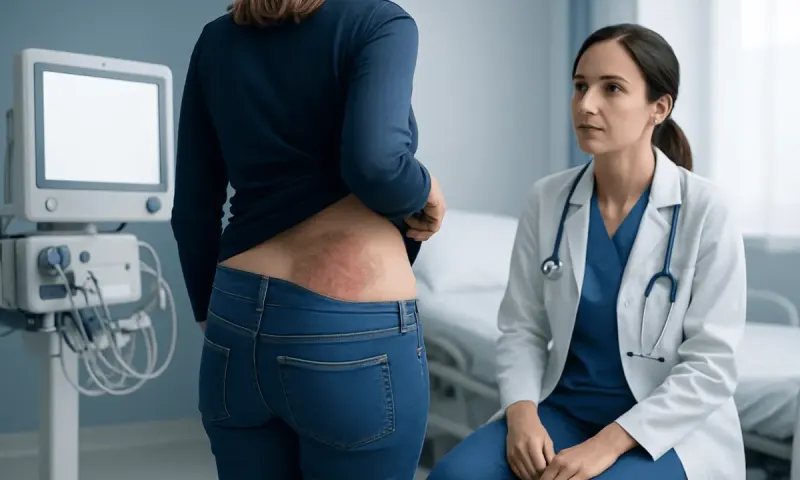
Psoriasis on the Legs: Symptoms, Triggers, and Care
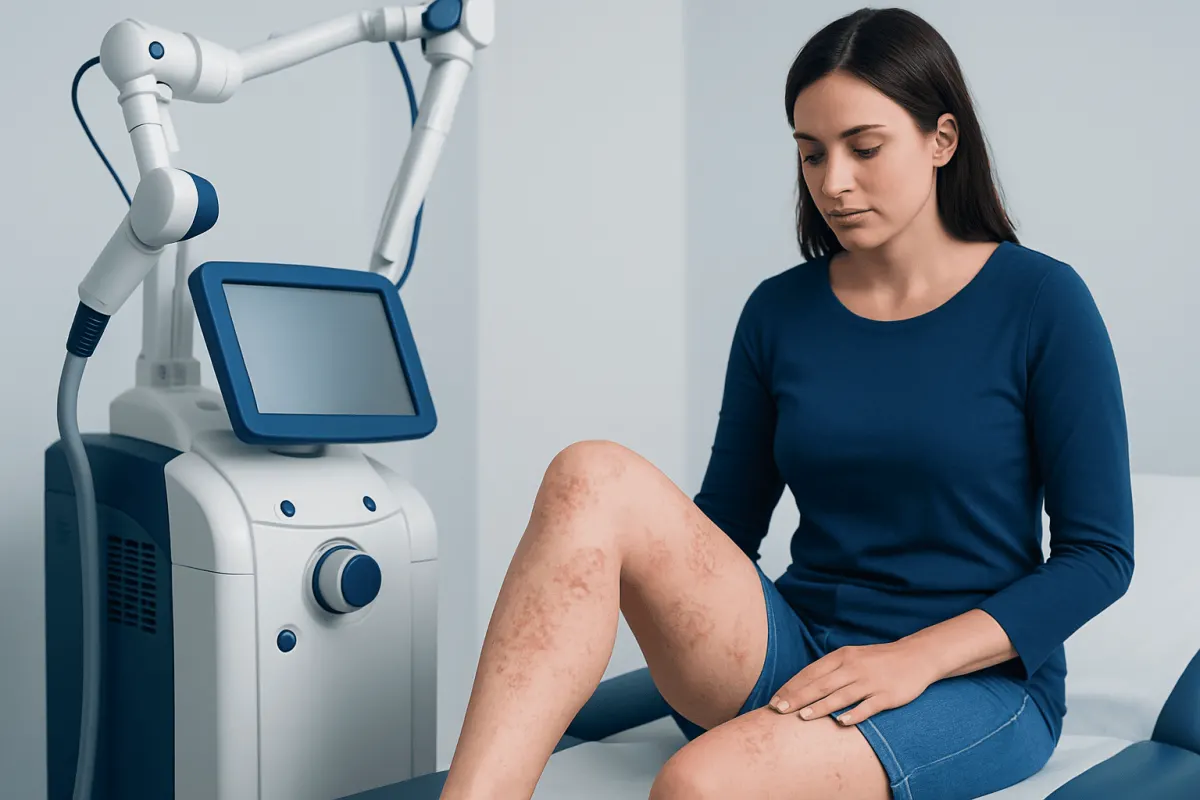
Psoriasis on legs is a chronic immune-mediated skin condition that can cause raised, well-defined, red or darker patches with silvery or gray-white scale. It is not contagious, and effective treatment can usually reduce symptoms, protect the skin barrier, and help prevent flares.
Psoriasis on Legs: What It Means
Psoriasis on legs refers to psoriasis affecting areas such as the knees, shins, calves, thighs, ankles, feet, or creases behind the knees. Psoriasis is a long-term inflammatory condition in which the immune system speeds up skin-cell growth. This leads to visible buildup on the skin surface and may cause itching, soreness, scaling, or cracking.
The most common pattern is plaque psoriasis. It often forms sharply bordered, raised patches called plaques, which may have dry scale on top. On lighter skin, plaques are commonly pink or red with silvery-white scale. On deeper skin tones, they may appear violet, brown, gray, or darker than the surrounding skin, and the scale may look grayish rather than white.
Leg psoriasis is not an infection and cannot spread from one person to another through skin contact, clothing, towels, or swimming pools. Symptoms can improve for periods of time and then return. While there is currently no universal cure, many people achieve good long-term symptom control with an individualized care plan.
How Psoriasis on the Legs Can Feel and Look
Plaques on the legs may begin as small areas of discoloration and gradually become thicker, drier, and more scaly. The knees and shins are frequent sites because psoriasis often occurs on extensor surfaces, meaning the outer areas of joints. Rubbing from clothing, shaving, sports equipment, or repeated scratching can make discomfort more noticeable.
Symptoms vary from mild to more disruptive. Some people mainly notice flaking, while others have persistent itch, burning, tenderness, or painful fissures in very dry skin. Scratching can damage the skin and may temporarily worsen inflammation. When plaques settle, they can leave temporary light or dark marks, especially in deeper skin tones; these color changes are not necessarily active psoriasis.
Possible features include:
- Well-defined patches of thickened, scaly skin
- Itching, stinging, burning, or soreness
- Dryness and cracks that may bleed
- Clusters of small scaly spots, particularly after an infection
- Changes in nearby nails, such as pitting, thickening, or separation from the nail bed
- Joint stiffness, pain, or swelling, which can suggest psoriatic arthritis
Psoriasis may also affect the scalp, elbows, hands, feet, nails, or genital area. A person with leg plaques does not necessarily have psoriasis elsewhere, but a full-skin assessment can help identify the overall pattern.
Why Leg Psoriasis Develops and What Can Trigger Flares
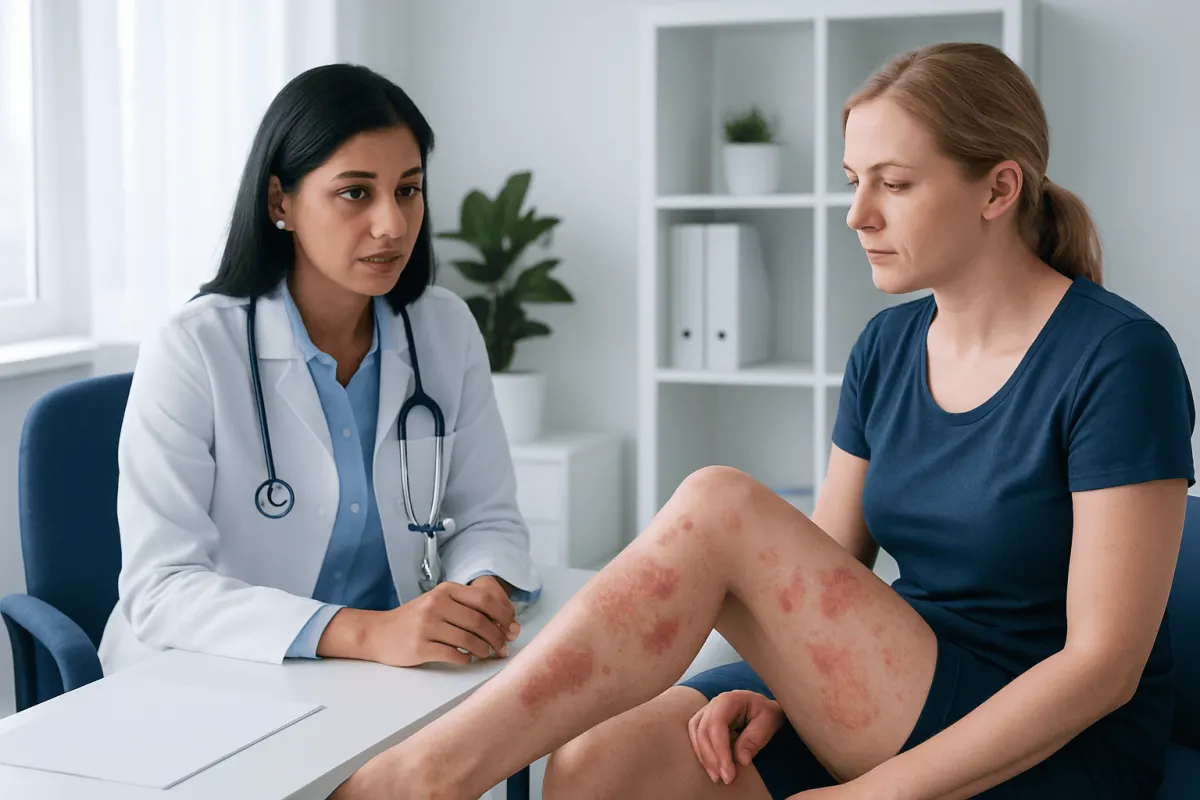
Psoriasis develops through a combination of immune activity, inherited tendency, and environmental influences. It is not caused by poor hygiene and is not simply a form of dry skin. A family history of psoriasis can increase the likelihood of developing the condition, but it can also occur in people with no known family history.
Flares may have no obvious cause. However, identifying personal triggers can be useful because some factors can increase inflammation or irritate already sensitive skin. Common contributors include cold or dry weather, emotional stress, smoking, heavier alcohol use, and skin injury. In psoriasis, new plaques can sometimes develop where the skin has been scratched, cut, sunburned, tattooed, or repeatedly rubbed; this is known as the Koebner phenomenon.
Infections, including streptococcal throat infection, may trigger certain forms of psoriasis. Some medicines can also worsen psoriasis in susceptible people. A person should not stop a prescribed medicine on their own, but should discuss any suspected link with the clinician who prescribed it. Excess body weight and metabolic conditions may be associated with more severe psoriasis, although these factors do not define a person’s health or cause every flare.
How Doctors Diagnose Psoriasis on Legs
A clinician, usually a dermatologist, can often diagnose psoriasis by examining the skin and asking about symptoms, medical history, family history, nail changes, and possible triggers. The shape and distribution of plaques, along with the type of scale, can provide important clues. Photographs taken during flares may help if the rash is less visible at the appointment.
Several conditions can resemble psoriasis on the legs. These include eczema, allergic or irritant contact dermatitis, fungal infection, lichen planus, seborrheic dermatitis, and some circulation-related skin changes. A fungal rash may be more likely to have an active, ring-shaped edge, but appearances overlap, so self-diagnosis can be unreliable. Steroid creams used on an undiagnosed fungal infection may mask or worsen its appearance.
A skin biopsy is not always needed, but a doctor may take a small sample when the diagnosis is unclear or the rash does not respond as expected. If there is joint pain, prolonged morning stiffness, swollen fingers or toes, heel pain, or reduced movement, the doctor may assess for psoriatic arthritis and arrange rheumatology input where appropriate.
Treatment Options for Psoriasis on Legs
Treatment is selected according to the extent of skin involvement, plaque thickness, itch or pain, effect on sleep and daily life, previous treatments, other health conditions, and personal preferences. Treatment often needs adjustment over time, as psoriasis can behave differently from one flare to the next. A clinician can also check whether a rash needs treatment for another cause.
For limited leg psoriasis, regular fragrance-free moisturizers are an important foundation. They soften scale, reduce dryness, and support the skin barrier. Prescription topical treatments may include corticosteroids, vitamin D-related treatments, retinoid medicines, or combination products. These should be used exactly as directed, because strength, amount, and duration matter, particularly on thinner skin or skin folds.
When psoriasis is more widespread, persistent, or significantly affects quality of life, a dermatologist may recommend phototherapy, which uses carefully controlled ultraviolet light, or systemic treatment taken by mouth or injection. Modern systemic options include medicines that target specific immune pathways. They require medical screening and monitoring because the most suitable choice depends on individual health circumstances.
Thick scale on the shins, knees, feet, or ankles can reduce how well topical medicines penetrate. A clinician may recommend a scale-softening approach before anti-inflammatory treatment. It is best not to use strong exfoliating products, occlusive wraps, or non-prescribed remedies on inflamed or broken skin without professional advice.
Daily Skin Care and Living Well With Leg Psoriasis
Gentle, consistent skin care can make leg psoriasis more comfortable alongside medical treatment. Short lukewarm showers, mild fragrance-free cleansers, and prompt application of an emollient after bathing can help reduce moisture loss. Patting the skin dry rather than rubbing can minimize friction. Loose, breathable clothing may also reduce irritation from heat and rubbing.
A simple symptom record can help reveal patterns. Recording flare dates, recent infections, stress levels, skin injuries, new products, and treatment use may help a clinician identify useful adjustments. Stress-management practices, regular physical activity suited to the person, avoiding smoking, and limiting alcohol where relevant may support overall health and can be helpful for some people with psoriasis.
It is understandable for visible plaques to affect confidence, clothing choices, sleep, work, or social activities. Psoriasis is a medical condition, not a personal failing. Speaking openly with a healthcare professional about itch, sleep loss, embarrassment, or treatment burden is important, since these factors are legitimate reasons to review the care plan.
Acıbadem Health Point’s multidisciplinary specialists and JCI-accredited hospitals diagnose and treat psoriasis and related concerns for international patients, with care plans tailored to clinical needs.
When to Seek Medical Care
Medical evaluation is appropriate for a new, persistent, widespread, or recurring scaly rash on the legs, especially if the diagnosis is uncertain. A dermatologist can confirm whether psoriasis is present and recommend treatment that is appropriate for the skin area and severity. Seek review sooner if the rash is painful, cracking, bleeding, spreading quickly, or interfering with sleep, mobility, or daily activities.
Urgent medical advice is needed if there are signs of possible infection, such as increasing warmth, swelling, pus, rapidly worsening pain, fever, or feeling unwell. People should also arrange prompt assessment for joint pain, swelling, long-lasting morning stiffness, or changes in mobility, as these can occur with psoriatic arthritis and benefit from early attention.
Anyone who is pregnant, planning pregnancy, breastfeeding, immunocompromised, or taking medicines that affect the immune system should consult a qualified clinician before starting new psoriasis treatments, including over-the-counter products. Professional guidance helps ensure that treatment is both effective and safe.
Frequently asked questions
01Can psoriasis appear only on the legs?
Yes. Psoriasis can be limited to one body area, including the knees, shins, ankles, or thighs, particularly early in its course. However, a clinician may check the scalp, nails, elbows, and other common sites because psoriasis can be present in less noticeable areas.
02Is psoriasis on the legs contagious?
No. Psoriasis is not contagious and cannot be passed to another person through touch, shared clothing, towels, or close contact. It is an immune-mediated inflammatory condition rather than an infection.
03How can psoriasis on legs be distinguished from eczema?
Psoriasis often causes more sharply defined, thicker plaques with dry scale, while eczema may be less clearly bordered and can be intensely itchy or weepy. These features can overlap, especially on the legs, so a healthcare professional should confirm the diagnosis before treatment.
04Does shaving make leg psoriasis worse?
Shaving may irritate active plaques or cause small skin injuries that can trigger new psoriasis lesions in some people. Using a clean razor, adequate lubrication, gentle technique, and avoiding broken or very inflamed skin may reduce irritation; a clinician can offer individualized advice.
05What is the best moisturizer for psoriasis on legs?
A bland, fragrance-free cream or ointment is often preferred because it helps reduce dryness and soften scale. The best option is one a person can use regularly without stinging or irritation; moisturizers support treatment but may not control inflammation alone.
06Can sunlight clear psoriasis on the legs?
Some people notice improvement with carefully limited natural sunlight, and medically supervised phototherapy can be effective. However, sunburn can worsen psoriasis and increase skin-cancer risk, so intentional sun exposure should be discussed with a clinician and should not replace prescribed treatment.
This article is for general information only and is not a substitute for professional medical advice. Please consult a qualified doctor about your individual situation.
Joint and spine care in Turkey — expert assessment & treatment
JCI-accredited · board-certified surgeons · reply within 24h
Add us as a Preferred Source to see more of our trusted health content across Google Search, AI Overviews and Discover.