Pseudo Jones Fracture: Care and Recovery
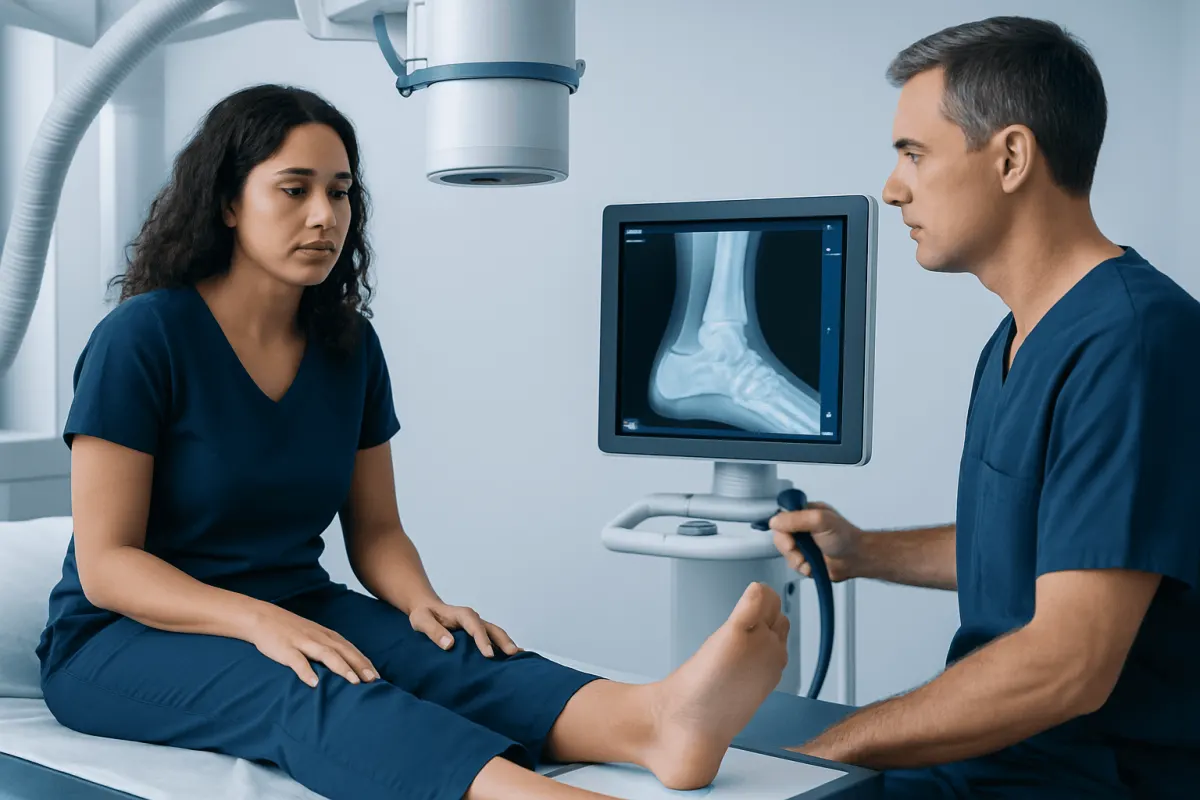
A pseudo Jones fracture is an avulsion fracture at the base of the fifth metatarsal, the long bone along the outside of the foot. It commonly follows an ankle-twisting injury and usually heals well with appropriate protection, activity changes, and clinical follow-up.
Overview: what is a pseudo Jones fracture?
A pseudo Jones fracture is a small break at the prominent base of the fifth metatarsal, the bone that runs along the outer border of the foot toward the little toe. It is also called a fifth-metatarsal tuberosity avulsion fracture or a zone 1 fifth-metatarsal fracture. In many cases, a tendon or ligament pulls a small piece of bone away during a sudden ankle or foot movement.
Despite its name, this injury is different from a true Jones fracture. A true Jones fracture occurs slightly farther along the fifth metatarsal, in an area with a more limited blood supply and a greater chance of delayed healing. Correctly identifying the fracture location matters because the expected recovery, weight-bearing advice, and need for follow-up may differ.
Pseudo Jones fractures are common after an ankle rolls inward, such as during a misstep, fall, or sports activity. They are generally considered stable injuries and often heal without an operation. However, an individual assessment is still important because severe displacement, additional foot injuries, health conditions affecting bone healing, and activity demands can change the care plan.
Symptoms and how the injury may feel
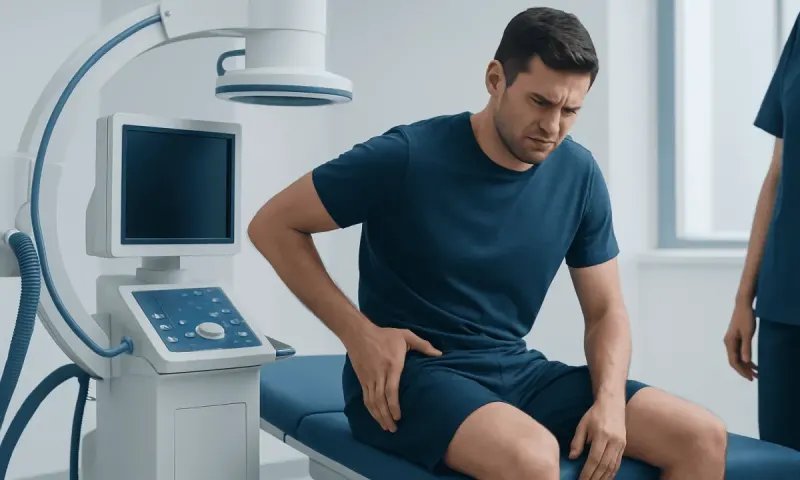
Symptoms usually begin immediately after an injury, although some people initially assume they have only sprained their ankle. The most characteristic feature is localized pain and tenderness over the bony bump on the outside of the midfoot, near the base of the little toe. Pain may increase while walking, pushing off the foot, or wearing a tight shoe.
Swelling and bruising can develop on the outer side of the foot and sometimes around the ankle. It may be difficult to bear weight normally, and limping is common. The area may feel especially sore when pressed directly, which can help distinguish a bony injury from a more general ankle sprain, although symptoms may overlap.
A person should not try to diagnose the injury based on symptoms alone. Significant sprains, other metatarsal fractures, and less common midfoot injuries can cause similar pain. A medical assessment and, when appropriate, imaging are the best ways to confirm the cause and guide safe activity.
Why it happens and who may be at risk
The usual mechanism is an inversion injury, meaning the sole of the foot turns inward. This may happen when stepping off a curb, landing awkwardly, slipping, or changing direction in sport. The peroneus brevis tendon and supporting tissues near the fifth-metatarsal base can exert a pulling force strong enough to avulse, or pull off, a small fragment of bone.
People who participate in running, court sports, dance, or field sports may experience this injury, but it can occur during ordinary daily activities as well. Uneven surfaces, unsuitable footwear, reduced balance, and a history of ankle instability may increase the chance of a twisting injury.
Factors that affect bone health or healing do not necessarily cause a pseudo Jones fracture, but they can be important during recovery. These include smoking, poor nutrition, diabetes, reduced circulation, osteoporosis, and long-term use of certain medicines. A clinician may consider these factors when advising on protection, follow-up, and return to activity.
Diagnosis and the importance of fracture location
A clinician will ask how the injury occurred and examine the foot and ankle. They will look for swelling, bruising, point tenderness, skin injury, circulation, sensation, and the ability to move the toes and ankle. Because ankle sprains and fifth-metatarsal fractures can occur together, both areas may need examination.
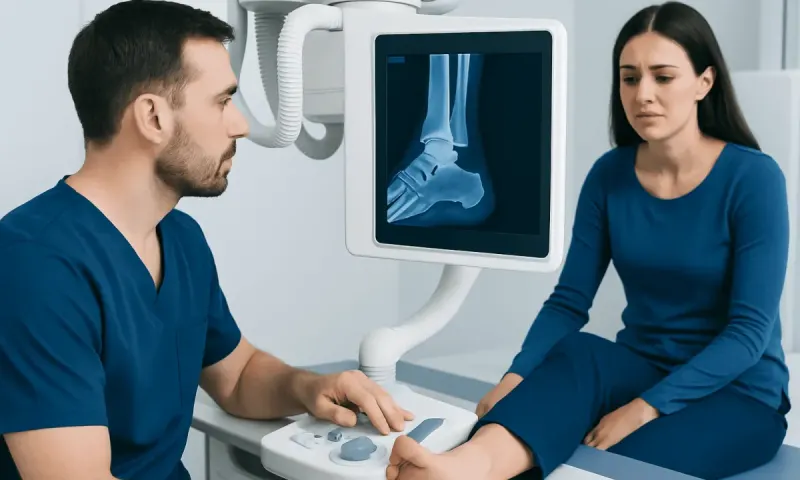
Foot X-rays, typically taken from several angles, are commonly used to identify the fracture and determine whether the bone pieces remain well aligned. The imaging also helps distinguish a pseudo Jones fracture at the tuberosity from a true Jones fracture farther along the bone. This distinction is particularly relevant because healing behavior and treatment recommendations may not be the same.
Occasionally, repeat X-rays or other imaging may be considered when symptoms and initial images do not match, pain persists, or another injury is suspected. In children and adolescents, clinicians also consider normal growth-related bone features that can resemble a fracture on an X-ray. The diagnosis should always be interpreted in the context of symptoms and the examination.
Treatment options and recovery planning
For many uncomplicated pseudo Jones fractures, treatment is non-surgical. The aim is to protect the bone while pain and swelling settle, maintain safe mobility, and allow healing. Depending on the injury and the person’s comfort, a clinician may recommend a walking boot, rigid-sole shoe, brace, or short-term splint. Some people can bear weight as tolerated, while others may need crutches or more restricted weight-bearing initially.
Resting from impact activity, elevating the foot, and applying wrapped cold packs for short intervals may help with early swelling and discomfort. Over-the-counter pain relief may be appropriate for some people, but selection should take account of other medical conditions, allergies, pregnancy, and medicines already being taken. A pharmacist or clinician can provide individualized guidance.
Follow-up helps ensure pain is improving, walking is returning to normal, and the injury is healing as expected. The timeline varies with the fracture pattern, symptoms, age, general health, and activity level. A clinician may recommend gentle range-of-motion exercises as comfort allows, followed by strengthening and balance work. High-impact activity should not resume simply because swelling has improved.
Surgery is uncommon for this type of fracture, but may be discussed if there is substantial displacement, an associated injury, ongoing symptoms, or an unusual healing course. Decisions are individualized and based on examination findings, imaging, functional needs, and informed discussion with an orthopedic specialist.
Self-care, prevention and return to activity
During recovery, the protective device should be used exactly as advised. Avoid running, jumping, cutting movements, and long walks until a clinician says progression is appropriate. Driving may also be unsafe while wearing a boot or when pain limits braking control, especially if the right foot is affected. People should ask their care team when it is safe to return to driving and work duties.
Once healing is progressing, rehabilitation may focus on restoring ankle and foot movement, calf and peroneal muscle strength, and balance. These steps can reduce lingering stiffness and may help lower the risk of another inversion injury. Athletes should return to training gradually, beginning with low-impact exercise and advancing only when walking and functional movements are pain-free.
Prevention cannot eliminate all accidents, but supportive, properly fitting footwear can improve stability during exercise and on uneven ground. Building lower-leg strength and practicing balance training may be useful for people with repeated ankle rolling. Addressing vision problems, home trip hazards, and medication-related dizziness can also be important for fall prevention.
Adequate dietary protein, calcium, vitamin D, and overall energy intake support bone health, although supplements are not automatically needed for every person. Anyone with recurrent fractures or concerns about bone strength should discuss this with a qualified healthcare professional.
When to seek medical care
Medical evaluation is recommended after an injury that causes persistent outer-foot pain, marked swelling or bruising, inability to walk normally, or point tenderness over the base of the fifth metatarsal. Prompt assessment is particularly important when a fracture is possible, because treating it as a simple ankle sprain may delay appropriate protection and follow-up.
Urgent care is needed if the foot looks deformed, the skin is broken, toes become pale, blue, cold, numb, or increasingly painful, or the person cannot bear any weight after a significant injury. These signs can indicate a more serious injury or circulation and nerve concerns that require timely assessment.
A person already being treated for a pseudo Jones fracture should contact their clinician if pain or swelling worsens rather than gradually improves, the boot or cast causes pressure symptoms, fever or wound concerns develop, or there is new numbness or color change in the toes. Acıbadem Health Point’s multidisciplinary specialists and JCI-accredited hospitals can assess and treat foot and ankle injuries for international patients when specialist care is needed.
Frequently asked questions
01Is a pseudo Jones fracture the same as a Jones fracture?
No. A pseudo Jones fracture is usually an avulsion fracture at the tuberosity, the outermost base of the fifth metatarsal. A Jones fracture occurs farther along the bone and may have a higher risk of slow healing because of differences in blood supply.
02Can a person walk with a pseudo Jones fracture?
Some people can walk with a protective boot or stiff-soled shoe, often with weight-bearing adjusted according to pain and medical advice. Others may temporarily need crutches. Walking without guidance may worsen pain or interfere with recovery, so an assessment is recommended.
03How long does a pseudo Jones fracture take to heal?
Healing time differs between individuals and depends on the fracture pattern, symptoms, overall health, and treatment plan. Many uncomplicated fractures improve over several weeks, but return to impact sports may take longer. A clinician should confirm when normal activities can safely resume.
04Does a pseudo Jones fracture always need a cast?
No. Many stable pseudo Jones fractures are treated with a walking boot, stiff-soled shoe, or another protective device rather than a traditional cast. The most suitable option depends on pain, fracture alignment, mobility, and the clinician’s assessment.
05Can a pseudo Jones fracture be mistaken for an ankle sprain?
Yes. Both injuries can follow an inward rolling of the foot and can cause swelling and difficulty walking. Localized tenderness at the base of the fifth metatarsal is a reason to seek assessment and consider X-rays.
06When can sports resume after a pseudo Jones fracture?
Sports should resume only after pain has resolved, walking is normal, strength and balance have returned, and a clinician has advised that progression is appropriate. Returning too quickly to running, jumping, or directional changes can cause recurrent pain or another injury.
This article is for general information only and is not a substitute for professional medical advice. Please consult a qualified doctor about your individual situation.
Joint and spine care in Turkey — expert assessment & treatment
JCI-accredited · board-certified surgeons · reply within 24h
Add us as a Preferred Source to see more of our trusted health content across Google Search, AI Overviews and Discover.