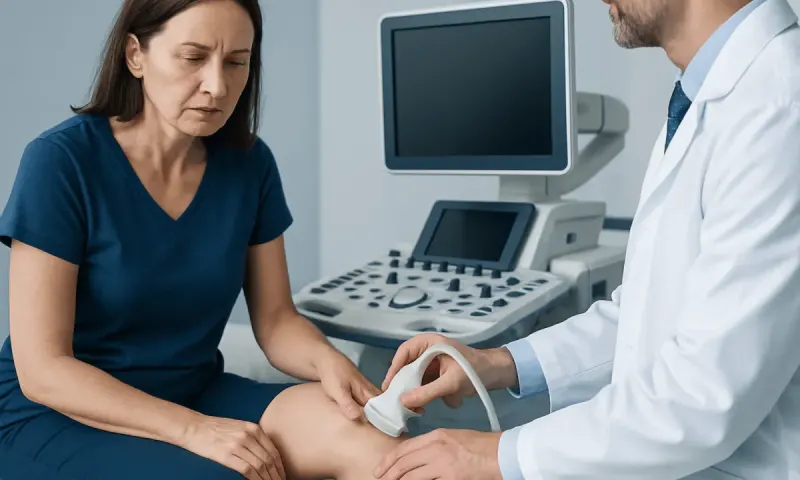
Bruised Hip Symptoms, Recovery, and When to Seek Care
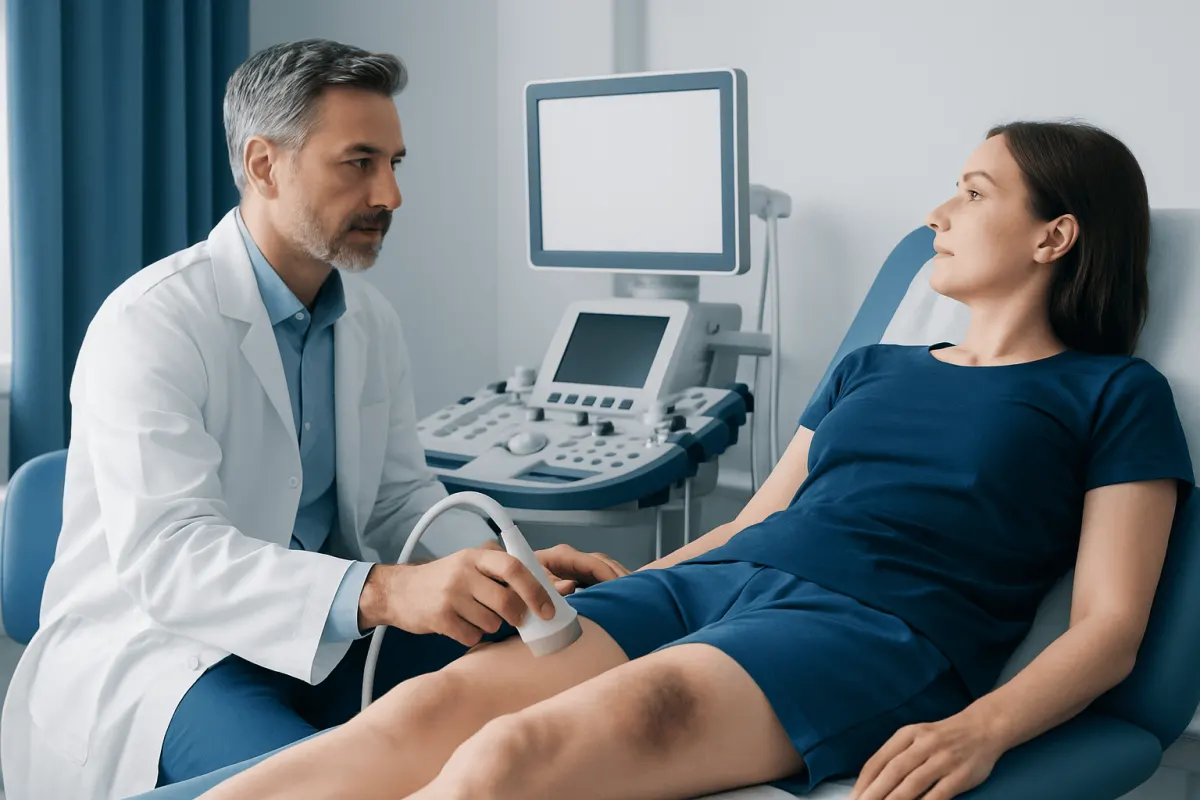
A bruised hip, also called a hip contusion, happens when a direct impact damages small blood vessels and soft tissues around the hip. Most bruised hips heal with simple self-care over days to weeks, but it is important to recognize signs of a fracture or another injury that requires prompt medical attention.
What is a bruised hip?
A bruised hip is an injury to the soft tissues around the hip after a direct blow, fall, collision or forceful impact. The term bruise describes bleeding from small damaged blood vessels under the skin or within deeper tissues. This may lead to pain, tenderness, swelling and a blue, purple, red or yellow-brown change in skin color as the area heals.
The hip is surrounded by muscles, tendons, ligaments, fatty tissue and bony points, including the greater trochanter on the outer side of the upper thigh. An impact can affect any of these structures. A hip contusion is often uncomfortable when walking, Knee Pain When Climbing Stairs: Common Causes" class="ahp-ilk">climbing stairs, lying on the affected side or moving the leg, but it does not necessarily mean that the hip bone itself is injured.
However, pain after a fall should not automatically be assumed to be a bruise. A fracture, dislocation, tendon injury or internal bleeding can sometimes feel similar at first. This is especially relevant for older adults and for people with osteoporosis, reduced balance, or medicines that affect blood clotting.
Symptoms and the usual recovery pattern
The most typical symptom of a bruised hip is pain in a specific area after an identifiable injury. The area may be sore when touched, stiff after rest, and more painful with pressure from clothing, sitting or lying on that side. Some people notice swelling or a firm, tender area caused by a collection of blood in the tissue, known as a hematoma.
Visible discoloration may appear immediately or develop over the next day or two. Its size and color do not always reflect the seriousness of the injury; deeper bruising may not be visible, while a superficial bruise can look dramatic but heal normally. Mild limping can occur because the body naturally limits painful movement.
Many uncomplicated bruised hips begin to feel better within several days and continue improving over one to three weeks. Deeper muscle bruises may take longer. Recovery should generally be gradual, with decreasing pain and improved ability to walk and move the hip. Pain that stays severe, worsens, or does not improve as expected should be assessed by a clinician.
How a hip bruise happens and who is at higher risk

A bruised hip commonly follows a fall onto the side, such as a slip at home, a sports collision, a cycling accident or an impact against furniture. Contact sports, skating, skiing and activities with a risk of falls can all cause hip contusions. The injury may occur even with a relatively minor impact if the force is concentrated on the outer hip.
Some factors increase the chance of bruising or make it more important to check for a more serious injury. These include older age, osteoporosis, previous hip surgery, poor vision, balance problems, muscle weakness and conditions that affect sensation in the feet or legs. Alcohol use and certain sedating medicines can also increase fall risk.
People who take anticoagulants or antiplatelet medicines may bruise more easily or develop larger areas of bleeding after an injury. They should not stop prescribed medication without medical advice. Instead, they should contact a healthcare professional after a significant fall or if swelling, pain or bruising is extensive.
- Falls from standing height can cause fractures in people with fragile bones.
- High-energy injuries, such as road traffic collisions, require more urgent evaluation.
- A direct blow can cause both a soft-tissue bruise and a bone injury at the same time.
How clinicians tell a bruise from a more serious hip injury
A clinician begins by asking how the injury happened, when symptoms started, whether the person can bear weight, and whether there was a snap, pop, numbness or weakness. They will examine the hip and leg for tenderness, swelling, range of motion, circulation and nerve function. The pattern of pain can help distinguish a surface bruise from pain arising deeper in the joint, pelvis or upper thigh bone.
Imaging is not needed for every minor bruise. It may be recommended when there is severe pain, inability to walk normally, pain in the groin, pain over the bone, concern about a fracture, or symptoms that do not settle. X-rays are commonly used to look for a fracture. If an X-ray is normal but clinical suspicion remains high, a doctor may recommend further imaging such as magnetic resonance imaging (MRI) or computed tomography (CT).
Hip pain after trauma can occasionally be due to a hip fracture, particularly in older adults. A fracture may not always produce obvious bruising or deformity. Early assessment helps ensure that the correct treatment and mobility support are provided.
Treatment and self-care for a bruised hip
For a mild bruised hip, the early aim is to reduce discomfort while allowing tissues to heal. Relative rest is helpful: the person can avoid activities that clearly increase pain but should not remain completely inactive for long periods unless instructed by a clinician. Short, comfortable walks and gentle movement can help prevent stiffness when weight bearing is possible.
Cold packs may reduce pain and swelling in the first 24 to 48 hours. A wrapped cold pack can be applied for brief periods, with a cloth between the pack and skin to prevent cold injury. Elevating the leg is not always practical for a hip injury, but resting in a comfortable position and avoiding direct pressure on the bruised side can help. After the early phase, gentle warmth may feel soothing for some people if swelling has settled.
Over-the-counter pain medicines may be suitable for some adults, but the best choice depends on age, other health conditions and current medicines. A pharmacist or doctor can advise, especially for people with kidney disease, stomach ulcers, liver disease, heart disease, pregnancy or blood-thinning treatment. Massage or forceful stretching directly over a fresh bruise should be avoided if it increases pain.
As pain improves, gradual strengthening and mobility exercises may support a safe return to usual activity. People recovering from a more substantial injury, persistent limp or loss of confidence with walking may benefit from physical therapy and rehabilitation planned by a qualified professional.
Preventing further injury during recovery
Returning to sport, heavy lifting or high-impact exercise too quickly can prolong symptoms or lead to another fall. A person should wait until they can walk briskly, use stairs, move the hip through its usual range and perform relevant daily or sporting movements without pain or limping. For contact sports, protective equipment and a clinician’s guidance may be appropriate before returning.
Fall prevention is particularly important after a hip injury. Helpful measures include wearing supportive footwear, improving lighting, clearing loose rugs and electrical cords, using handrails on stairs, and keeping frequently used items within easy reach. A doctor may also review vision, medicines, balance and bone health when falls are recurrent.
A balanced diet with adequate protein and nutrients that support bone health, regular strength and balance activity when safe, and avoiding smoking can contribute to overall musculoskeletal health. If osteoporosis is a concern, assessment and targeted care can reduce the risk of future fragility fractures.
When to seek medical care
Prompt medical assessment is advisable after a hip injury if the person cannot stand or bear weight, has intense or worsening pain, cannot move the leg normally, or has pain deep in the groin or buttock. Urgent care is also needed if the leg appears shorter, turned outward or otherwise deformed, as these signs can indicate a fracture or dislocation.
A person should seek urgent advice for rapidly increasing swelling, extensive bruising, faintness, new numbness or weakness, a cold or pale foot, fever, or an open wound. People taking blood thinners, older adults, and those known to have osteoporosis should be cautious even after a seemingly minor fall.
If a bruise is not clearly improving after one to two weeks, if pain repeatedly wakes the person from sleep, or if walking remains difficult, a doctor can assess for an underlying problem. Acıbadem Health Point’s multidisciplinary specialists and JCI-accredited hospitals can evaluate hip injuries and coordinate care for international patients when needed.
Frequently asked questions
01How long does a bruised hip take to heal?
A mild bruised hip often starts improving within a few days and may heal over one to three weeks. A deeper bruise involving muscle or a larger hematoma can take longer. Ongoing severe pain, worsening symptoms or difficulty walking should be medically assessed.
02Can a bruised hip cause pain when walking?
Yes. Pain and tenderness around the outer hip can cause a limp or make stairs and longer walks uncomfortable. Walking should be limited to a comfortable level at first, then increased gradually as pain improves. Inability to bear weight may indicate a more serious injury and needs prompt evaluation.
03Is it possible to have a hip fracture without bruising?
Yes. Some hip fractures cause little or no visible bruising, particularly when the fracture is deep beneath the skin and soft tissues. Severe pain, groin pain, inability to bear weight or a change in the leg’s position are more important warning signs than skin color alone.
04Should heat or ice be used for a bruised hip?
Cold packs are often useful during the first 24 to 48 hours to reduce pain and swelling. They should be wrapped in a cloth and applied for short periods rather than directly to bare skin. Once early swelling has settled, gentle warmth may help stiffness for some people.
05Can someone exercise with a bruised hip?
Gentle, pain-free movement is usually preferable to complete inactivity for a simple bruise. High-impact exercise, contact sports and movements that cause sharp pain should be avoided until normal walking and hip movement return. A clinician or physiotherapist can advise when symptoms are persistent or the injury was significant.
06When is bruising after a fall more concerning?
Bruising is more concerning when it is rapidly spreading, accompanied by marked swelling, severe pain, dizziness, numbness or inability to walk. People using blood-thinning medication or those with osteoporosis should contact a healthcare professional after a significant fall. Immediate care is needed if there is deformity, a cold foot or loss of sensation.
This article is for general information only and is not a substitute for professional medical advice. Please consult a qualified doctor about your individual situation.
Joint and spine care in Turkey — expert assessment & treatment
JCI-accredited · board-certified surgeons · reply within 24h
Add us as a Preferred Source to see more of our trusted health content across Google Search, AI Overviews and Discover.